
Gas Line Services in Farmers Branch, TX
You've caught a smell you can't quite explain. Your new cooktop needs a proper supply run. Or the meter went dark and the utility won't turn it back on without proof of a licensed test. Whatever brought you here, we work gas lines throughout Farmers Branch the way the code actually requires — tested, permitted, signed off.
The Utility and the State Both Have a Say in This Work
Atmos Energy's Mid-Tex operation supplies gas to this city, and their policy is simple: no documented pressure test, no meter turned back on. Texas backs that with its own rule that only a licensed plumber can touch gas piping inside or beneath a residence. A weekend project that skips the permit and the test might work fine for months — right up until a routine Atmos meter visit finds it and shuts the whole house down until it's corrected.
Farmers Branch's inspection office already makes property owners pull a permit for something as routine as swapping a water heater, and gas line work is squarely the kind of alteration that permitting processes like that are built to cover, so anyone adding or altering a line here should expect to be working inside an established local process. Add in the region's tendency toward slow ground movement under a slab — common across this part of Dallas County — and you get a specific, recurring failure mode: rigid pipe joints that gradually work themselves loose as the foundation shifts beneath them over the years.
Whether we're chasing down where a leak is coming from, adding a supply run for a new appliance, piping an outdoor grill or generator, or rebuilding a system the utility flagged as unsafe, the paperwork trail is the same each time — permit pulled, pressure held, inspector satisfied. You get a copy for your own records, and so does the utility.

Warning Signs Worth Shutting the Gas Off For
Spot any of the following and the right move is to shut the meter and call — not go looking with an open flame or a phone light.
Natural gas by itself has no smell — what you're noticing is an additive put there deliberately as a warning sign. Get out, call from a safe distance, and skip the light switches and the garage door opener on your way.
A whistling or hissing sound at a stove, furnace, or water heater connection is gas actively escaping. Close that fixture's own valve first, and shut the meter entirely if the noise continues.
A buried line leaking slowly doesn't announce itself — it just quietly runs the meter. If your winter bill jumps well past what a normal cold snap would explain, that's worth a pressure check.
Escaping gas from an underground run smothers roots directly above the leak, leaving a dead strip that tracks the buried pipe. Most often this shows up along a run feeding a pool heater or an outdoor kitchen.
One stubborn pilot is usually just that fixture. Several going out around the same time points to a pressure problem feeding all of them, not a coincidence at each individual burner.
Leave that tag exactly where it is. Getting the meter back on legally requires a licensed pressure test and any repair the test turns up first.
Locate, Fix, Prove It Holds, Put It on Paper
Nothing gets called finished without a documented pressure test, and every new run gets a permit first.
- 1Track down the leak, or map the new run
On a leak call, we isolate the piping, charge it with air, and go joint by joint checking for escape with a gas detector and soap bubbles until every source is found. On new work, we route the shortest path the code allows and size the pipe for the appliance's actual demand.
- 2Get the paperwork moving first
New lines and larger repairs both need a city permit here — the same office that already requires one for water heater swaps. We handle the application rather than leaving that errand to you.
- 3Build it out of code-compliant materials
Rigid steel pipe or a bonded flexible corrugated line goes in indoors. Anything running underground outdoors uses yellow poly pipe transitioning to steel where it surfaces. Every appliance connection gets a drip leg, a proper shutoff, and gas-rated sealant on the threads.
- 4Prove it holds pressure
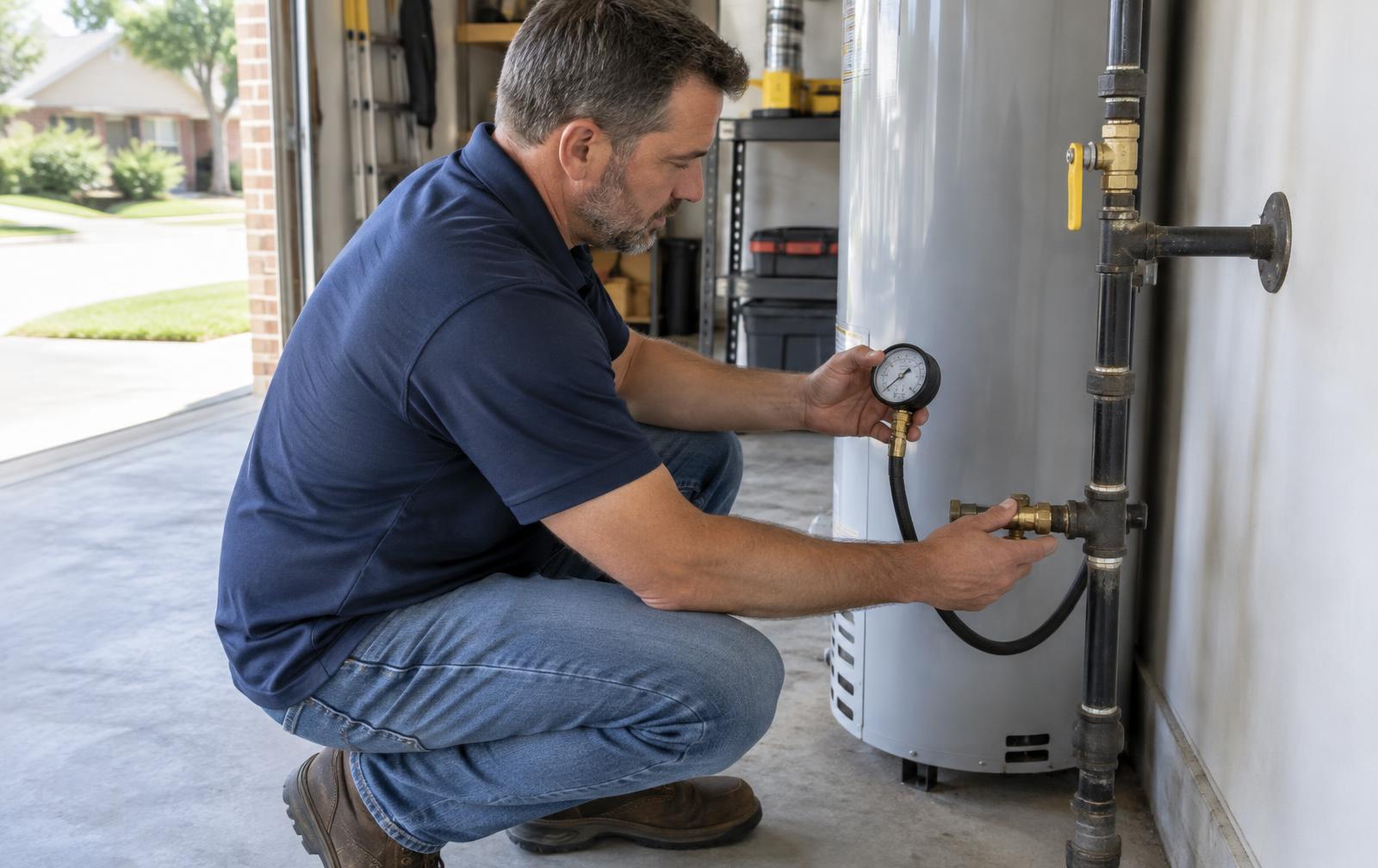
We charge the completed system to a set pressure and watch it hold for the required time — you're welcome to watch the gauge with us. Any drop means we track down and correct the leak before a dollar changes hands.
- 5Handle the inspection and get the meter live
We book the city inspector, walk the job with them on site, and if the utility had pulled the meter, we're the ones coordinating to get it turned back on. You walk away with the signed inspection card and our written test results.
The Pipe in the Wall Depends on When It Was Built
Older sections of Farmers Branch carry different piping than what's gone in over the last decade.
This pocket dates to 1955 through 1962, old enough that rigid black pipe is still common overhead and underfoot, and ground movement over seven decades is a frequent cause of the loosened joints we find on a leak call.
Completed in 2022, this development runs current flexible line throughout, so what we typically check here is whether a connector was properly grounded rather than chasing age-related wear.
Ranch homes from this same mid-century era carry plenty of original rigid pipe, and a loosened fitting tied to gradual foundation movement shows up regularly on inspection here.
Sharing a building era with much of the city's older housing stock, homes near these parks tend to be due for a pressure check if the piping hasn't been tested in some time.
Construction here started in 2017 and continues today, with flexible line installed to current bonding standards, so a service call typically means checking a range or dryer connector a previous installer got wrong.
As the oldest section of Farmers Branch, this area carries the longest-serving rigid pipe runs in the city and the highest odds in the city of a joint that's finally worked loose.
What Farmers Branch Homeowners Say

Every Job Ends With Paper in Your Hand
You get the pulled permit, the written pressure test results, and the city's signed inspection with every gas job we finish. If the utility had shut off your meter, we coordinate getting it lit again and confirm service is actually restored before we pack up. That file is what a future buyer, an insurance adjuster, or the next plumber will want to see.
We're licensed by the Texas State Board of Plumbing Examiners, insured, and family-owned, working out of our shop in The Colony. Same-day scheduling for a confirmed active leak.
What People Ask Before Booking Gas Work
Our Other Plumbing Services in Farmers Branch, TX
Gas line jobs often overlap with a water heater swap or a switch to tankless — we handle both on the same visit, one call for Farmers Branch.
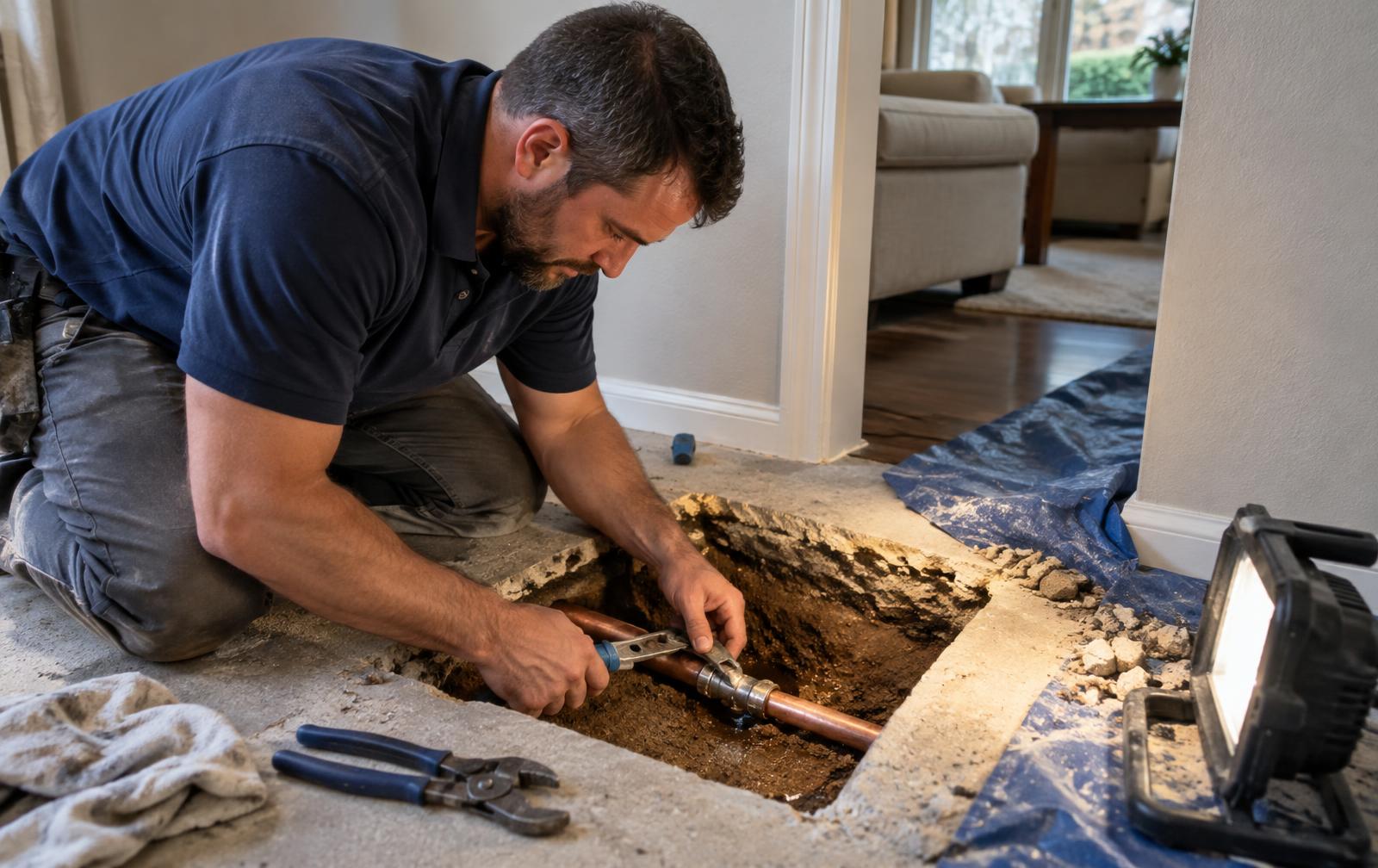
Electronic detection under Farmers Branch slabs — reroute options that save your finished floors when possible.
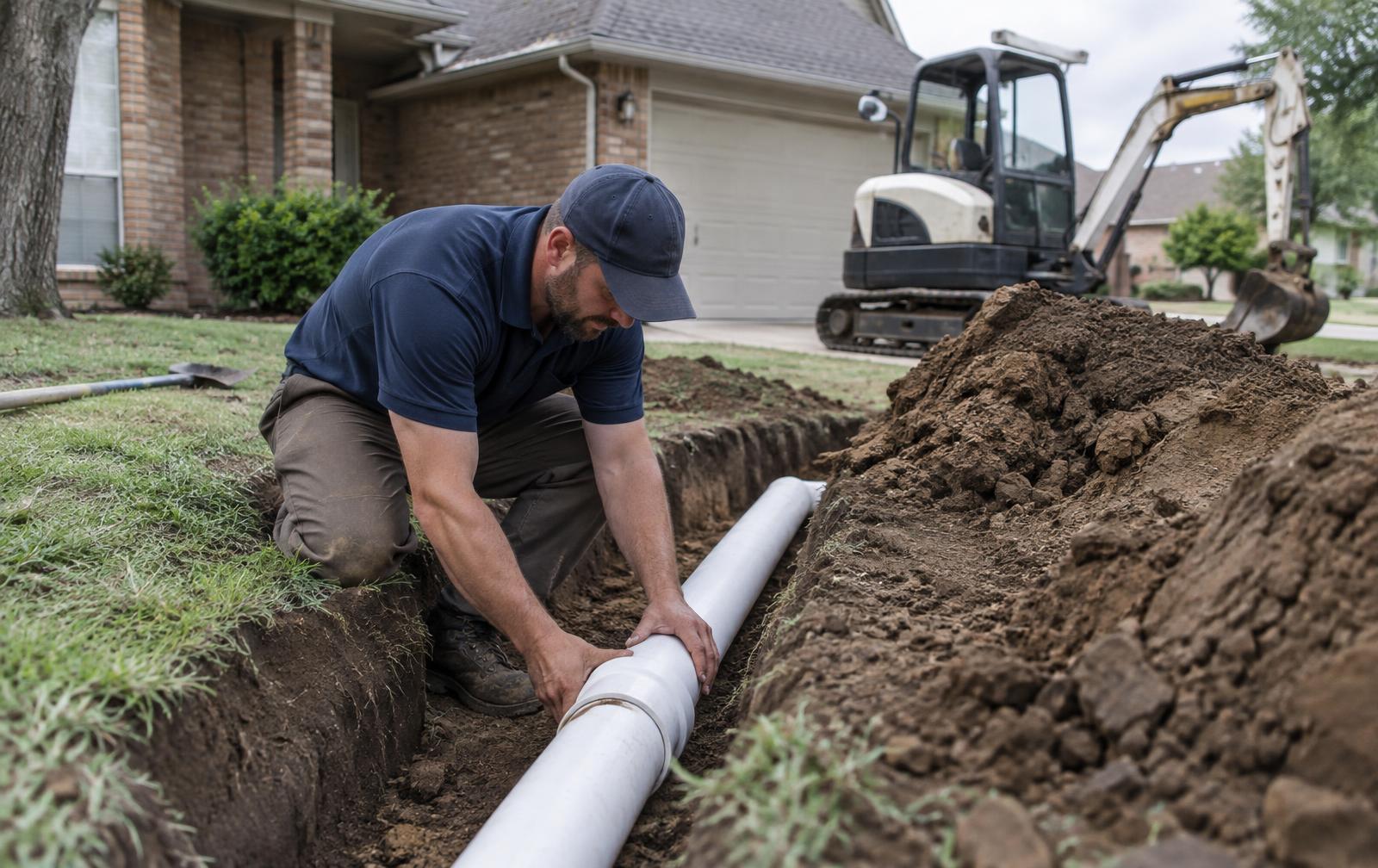
Trenchless replacement for the aging laterals across Farmers Branch's older runs — camera first, quote in writing, minimal yard damage.
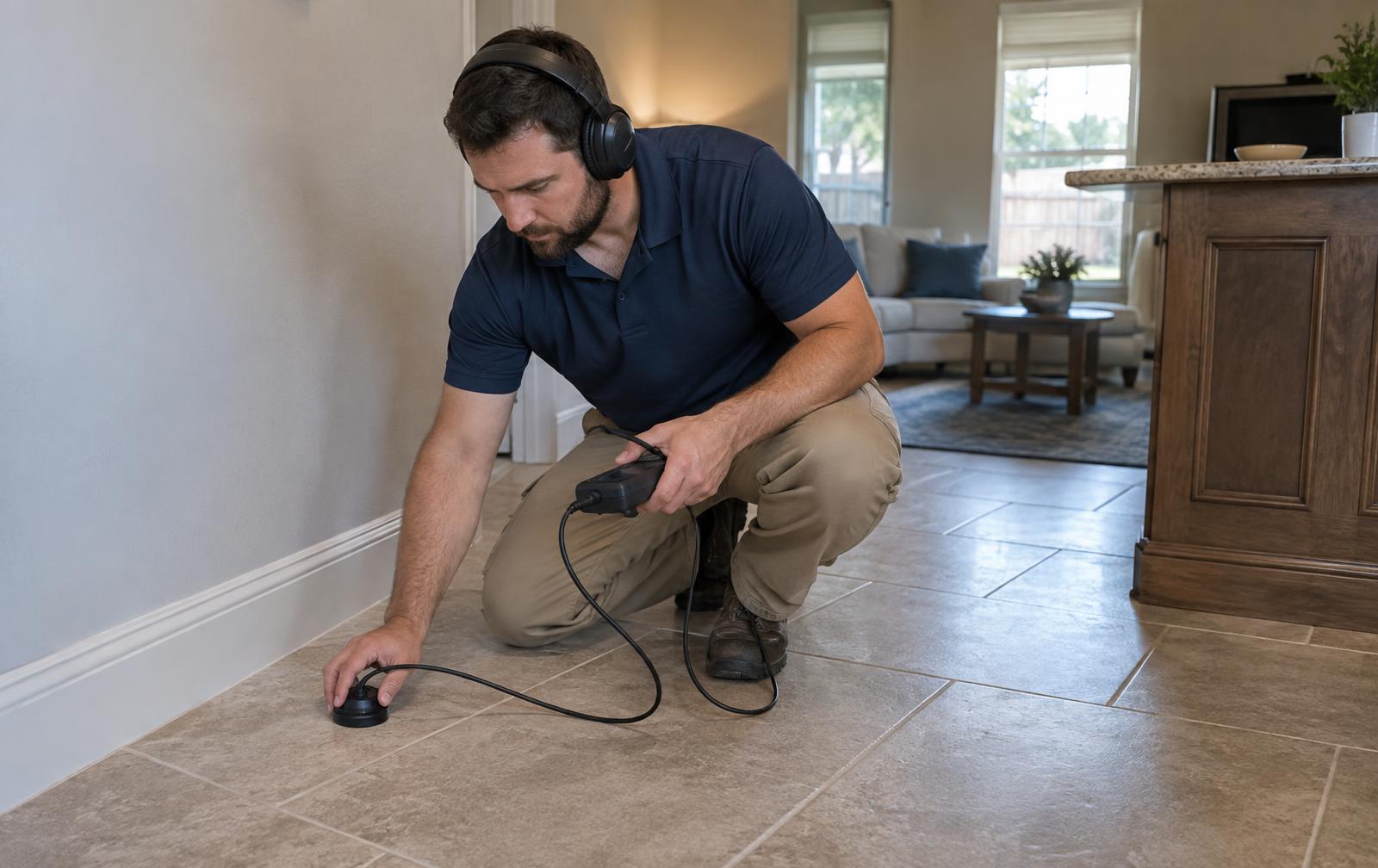
Acoustic, thermal, and pressure testing to pinpoint hidden leaks in Farmers Branch slab and wall lines without tearing into finishes.
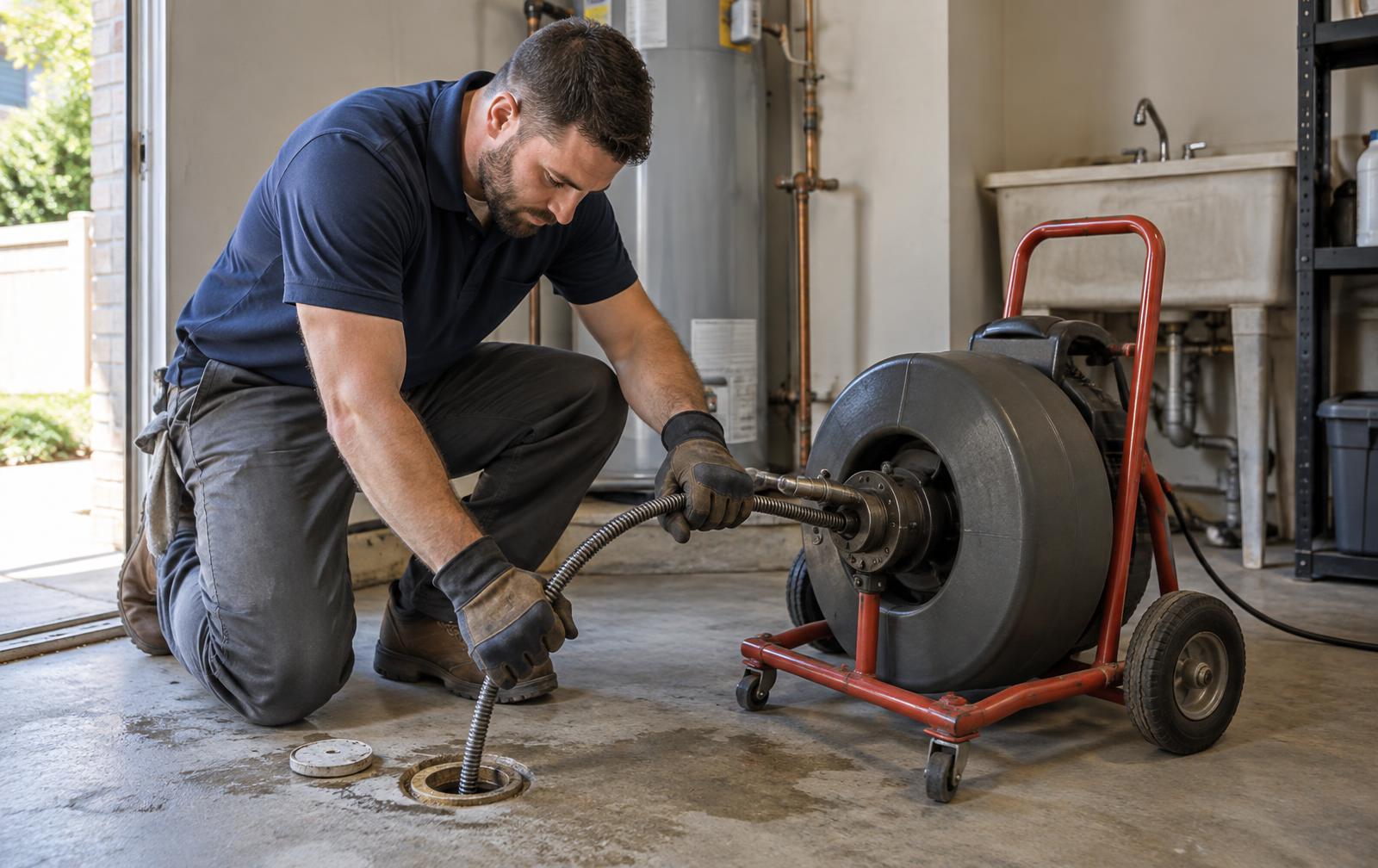
Full-clear service and camera confirmation for the drains under Farmers Branch's neighborhoods.
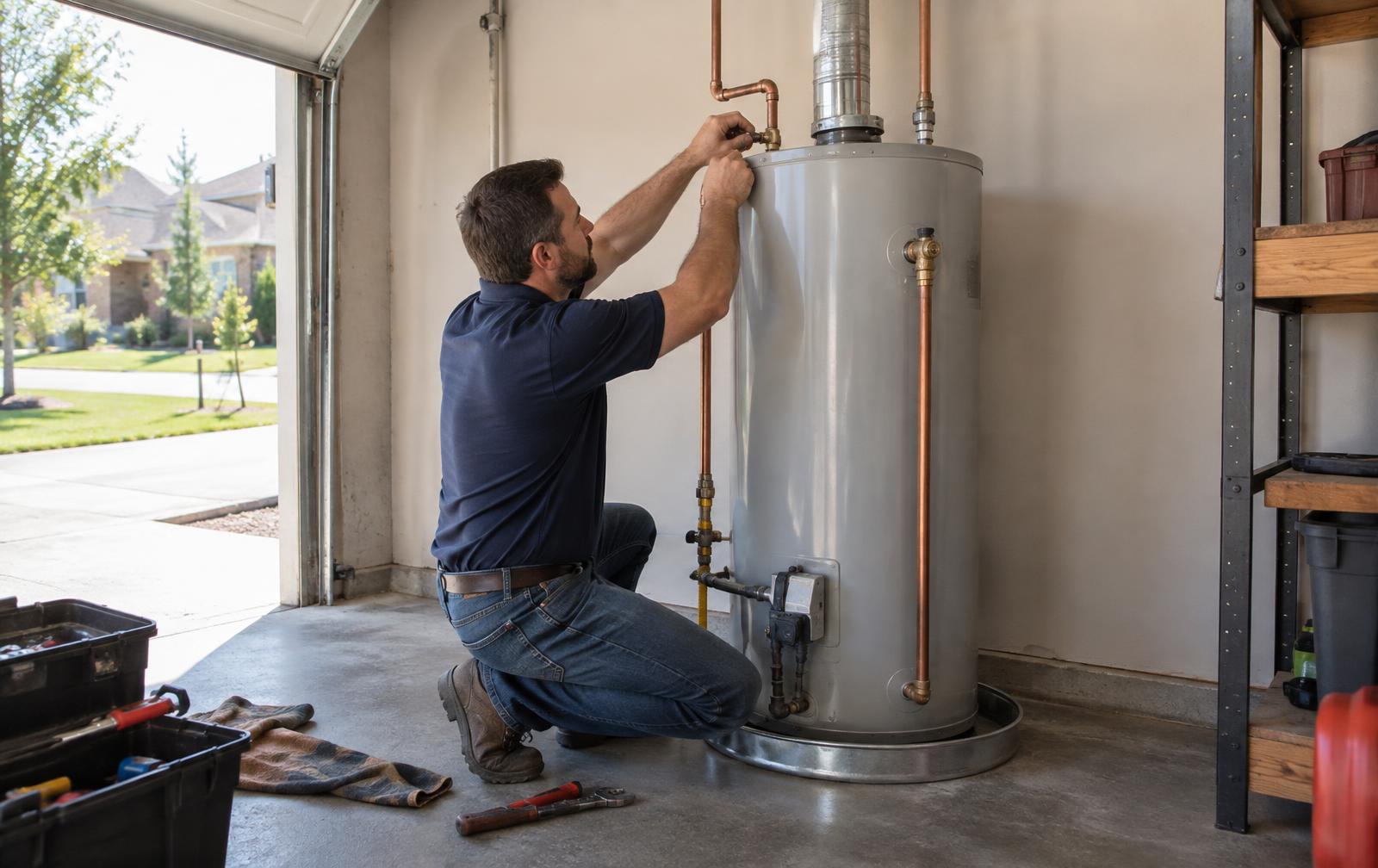
Repair, flush, and replacement of tank units — including attic and garage heaters common to Farmers Branch homes.
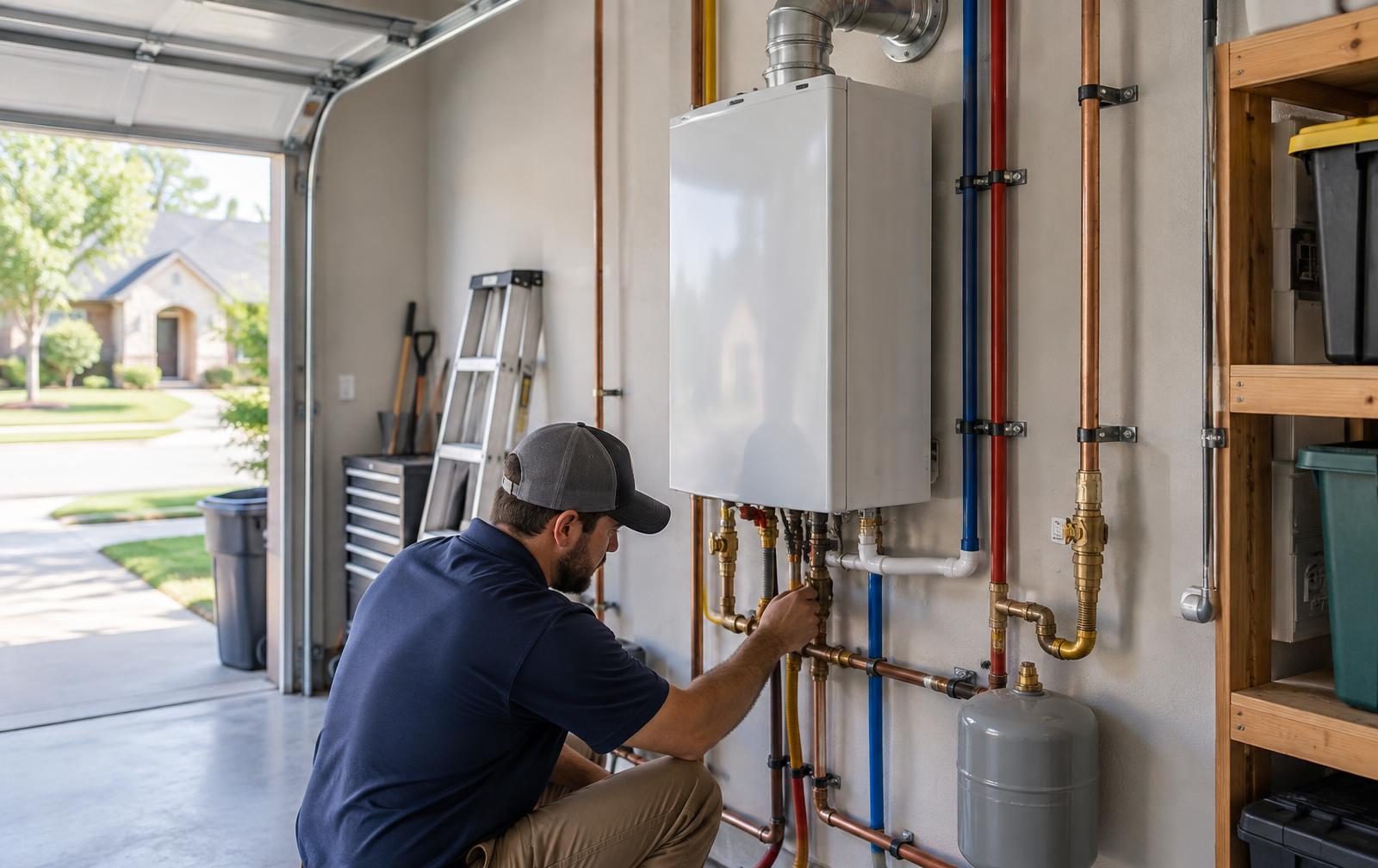
Install, service, and annual descaling — Farmers Branch's hard tap water eats tankless heat exchangers without it.
same-day, 7 days a week response across Farmers Branch for burst pipes, heater failures, and main-line backups.
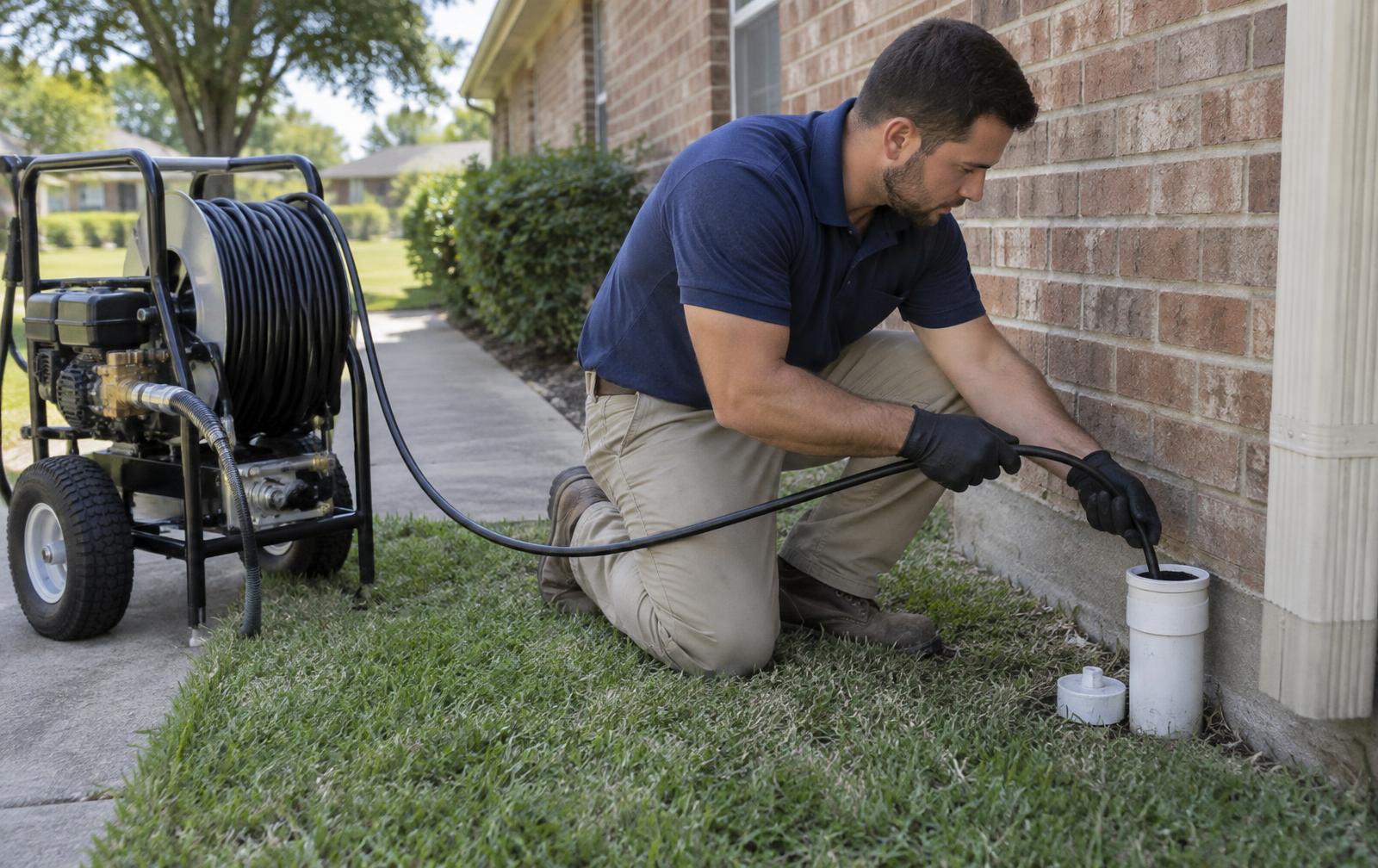
High-pressure cleaning that clears scale, grease, and roots from Farmers Branch's lateral runs — full-diameter, lasting clean.
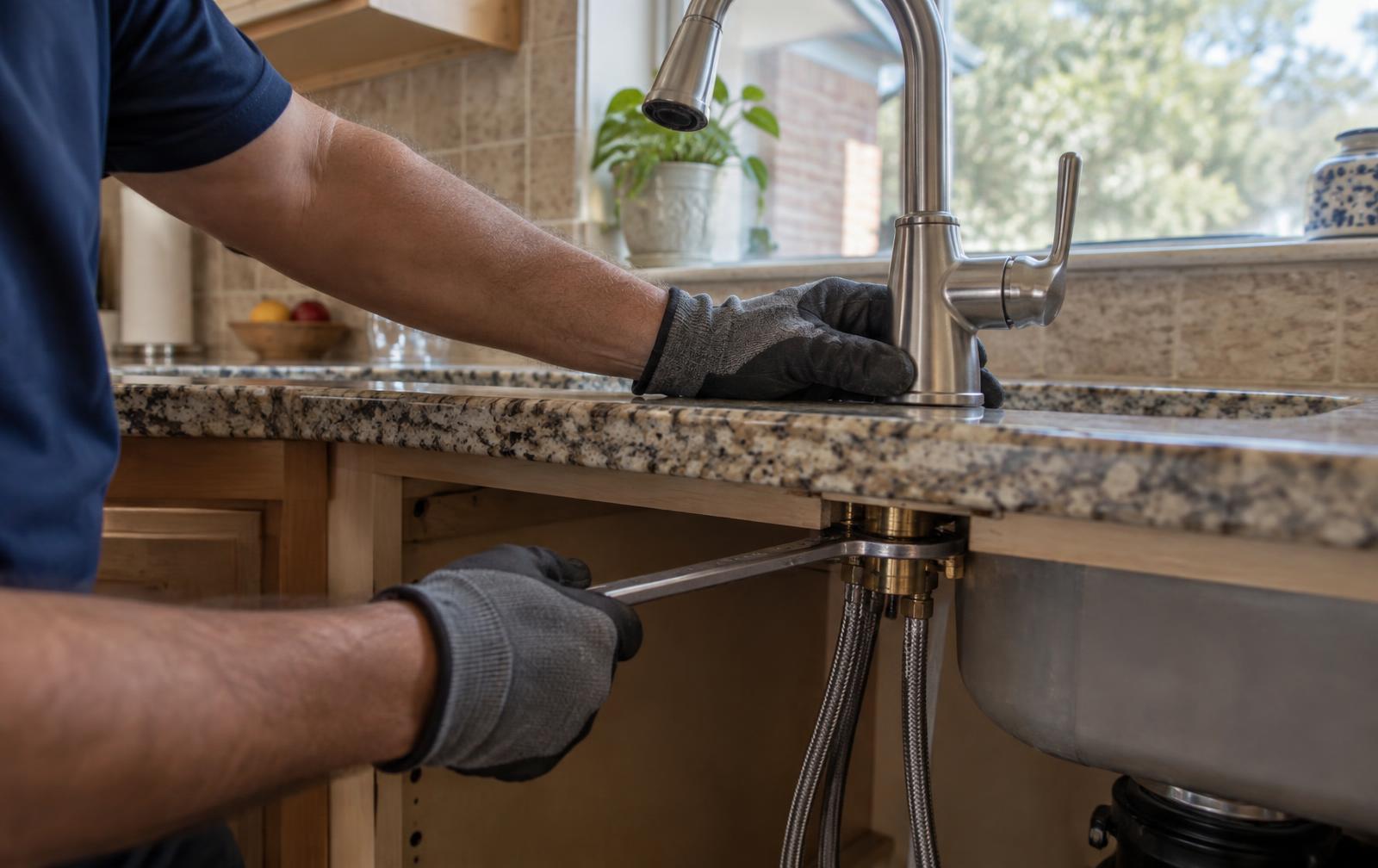
Cartridge, stem, and full-fixture replacement for Farmers Branch kitchens and bathrooms — hard-water-ready parts stocked on the truck.
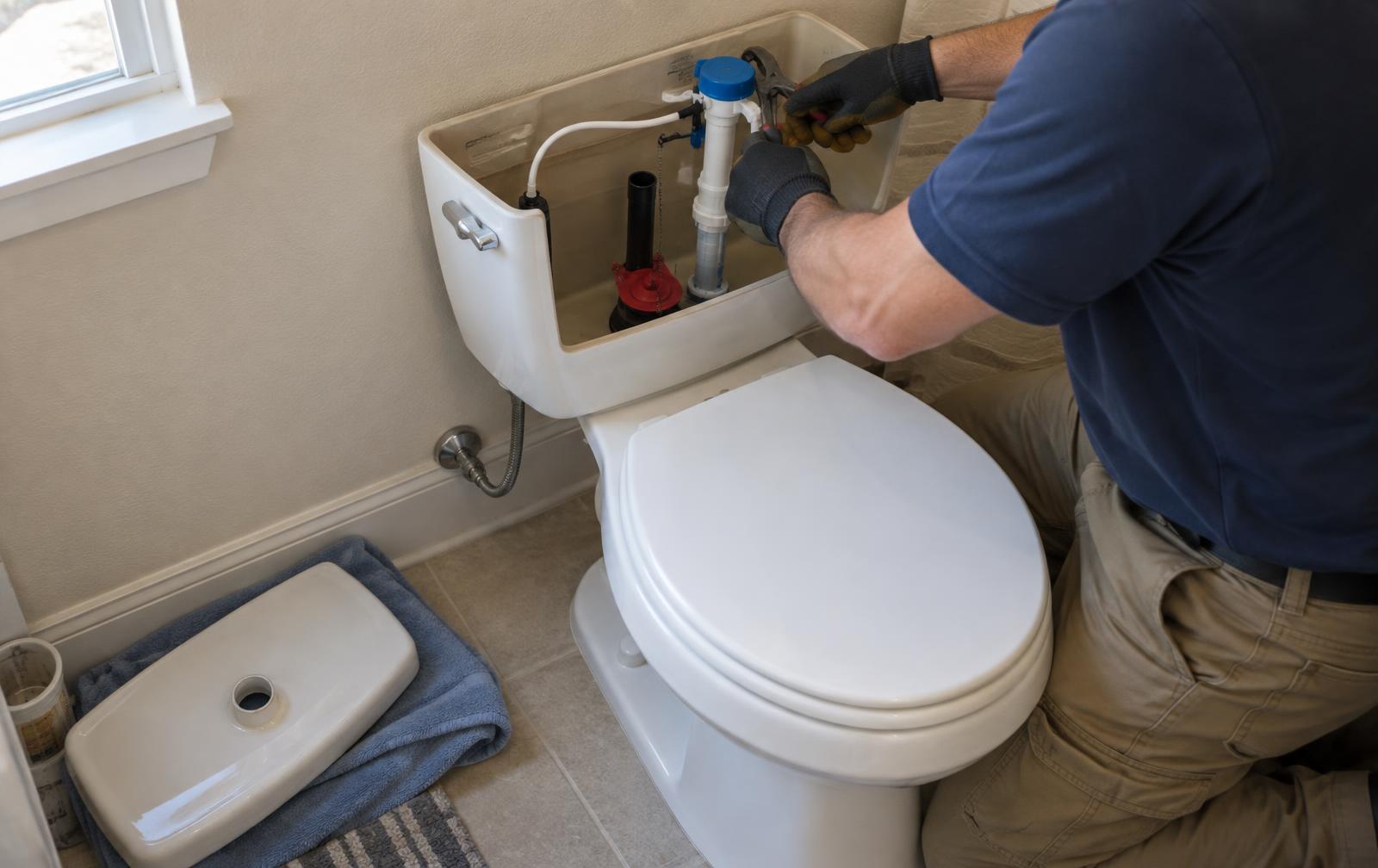
Rebuilds, wax-ring resets, flange repairs, and full replacements — the running toilets and rocking bowls in Farmers Branch homes.
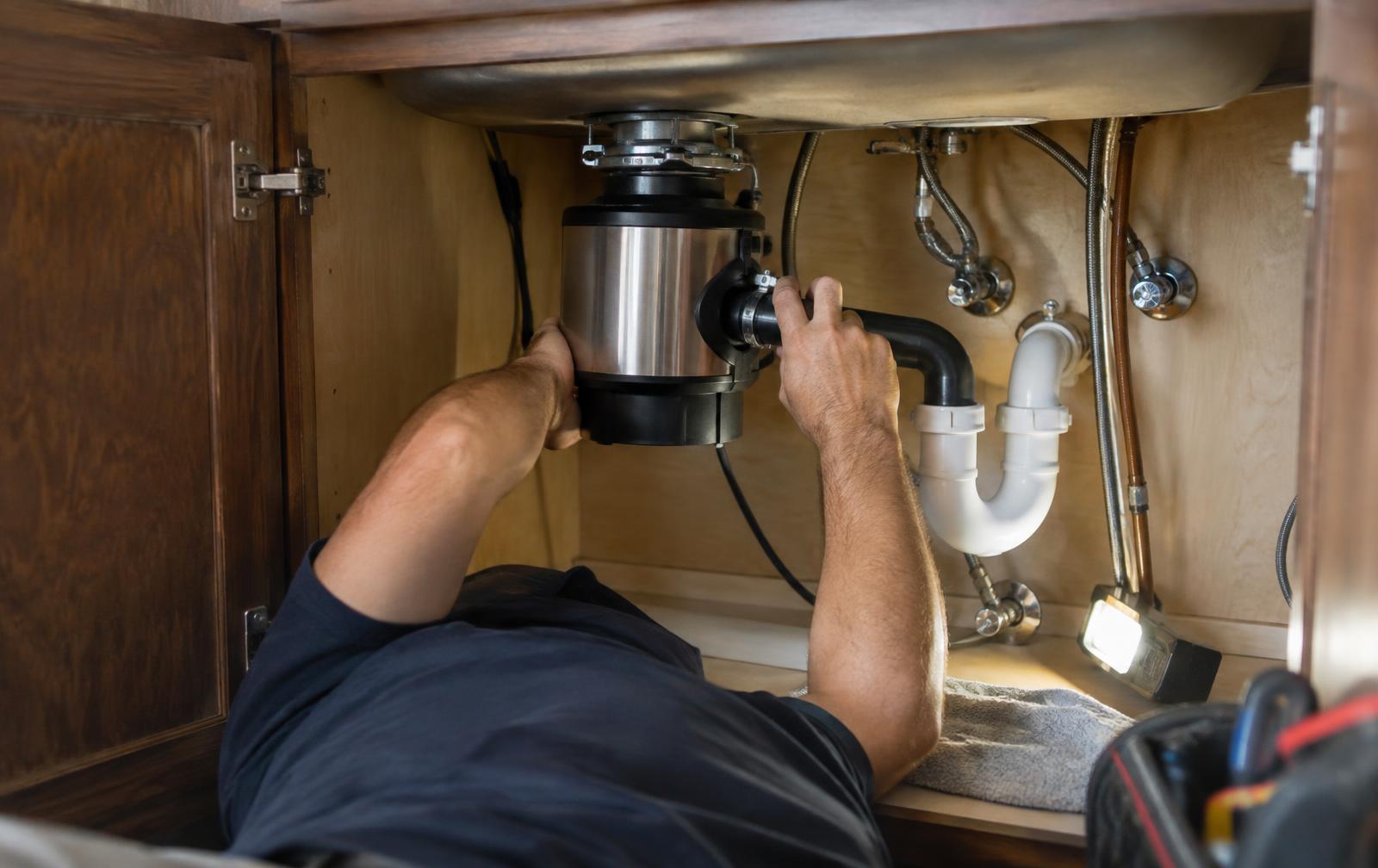
Jam clearing, leaking-unit swaps, and quiet 3/4 HP upgrades for Farmers Branch kitchens — same-visit install.
Need Gas Line Work in Farmers Branch?
Licensed, permitted, pressure tested, and signed off before we leave. Get a locate or a new-install quote started.