
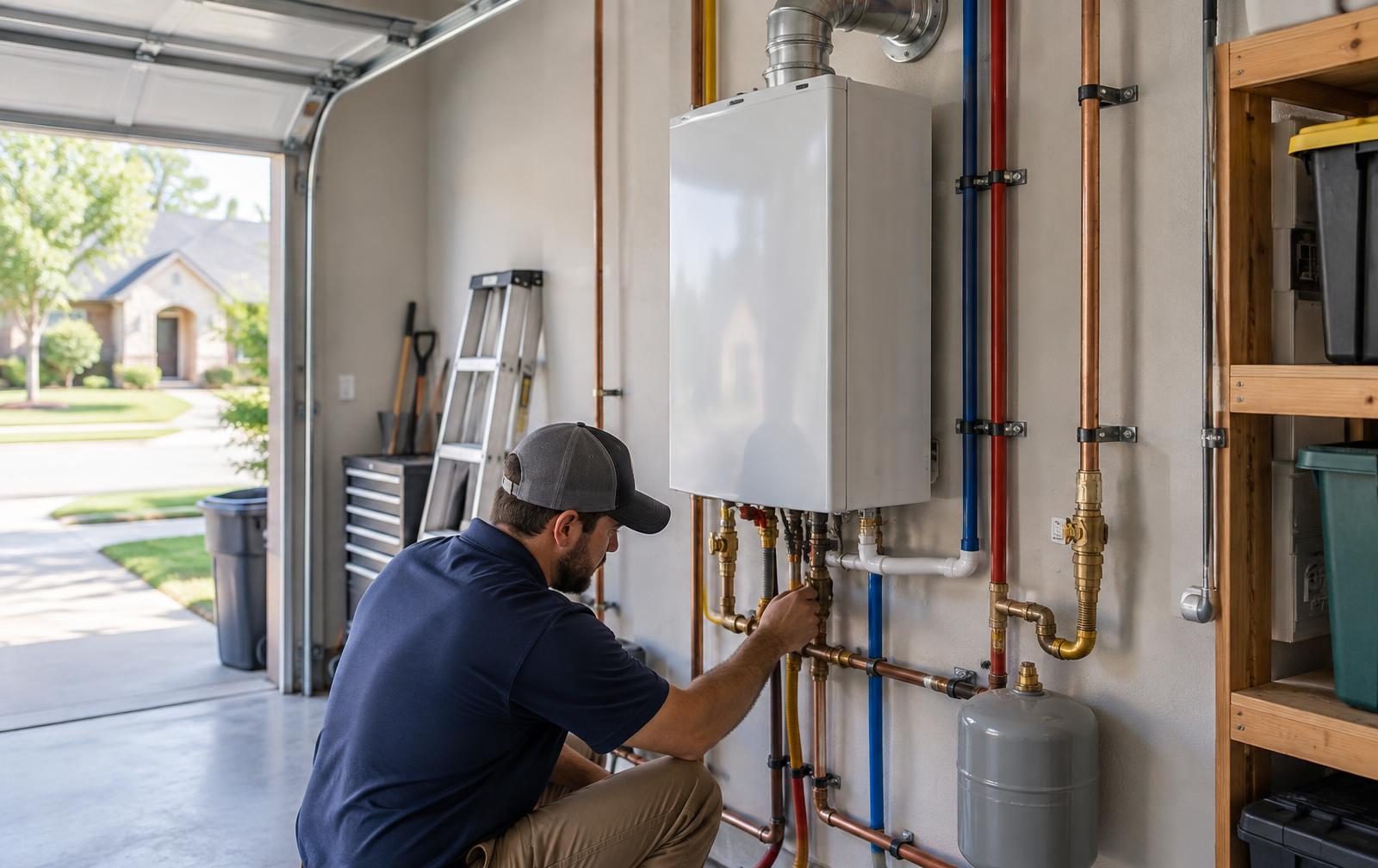
Tankless Water Heater Services in Farmers Branch, TX
Whether you're putting in a new unit, dealing with a warranty repair, or just due for the yearly service visit that keeps a tankless heater alive here, we handle the gas sizing and venting correctly the first time so nothing shows up later to void the manufacturer's coverage.
The Install Decides Whether Tankless Actually Pays Off
Tankless has real advantages for a Farmers Branch household — more usable hot water, a compact footprint, a longer working life than a tank when it's cared for. The catch is what comes out of the tap here: water delivered through Dallas Water Utilities, treated with chloramine, sitting around 150 milligrams per liter of hardness. That's enough mineral content to build up scale inside a heat exchanger noticeably faster than soft water would, and units still technically under warranty can end up fighting scale anyway if nobody scheduled the yearly flush.
Getting the mechanical side right matters just as much. Every manufacturer spells out which vent materials and layouts are acceptable, how big the gas line needs to be for a given BTU rating, how condensate should drain on a high-efficiency model, and where dedicated shutoffs belong for future work. Plenty of older homes in this city were plumbed with a half-inch gas line, which simply can't feed a large modern unit at full output — stepping that up to three-quarters of an inch is usually part of the job.
Our installs follow the manufacturer's paperwork line by line — venting, gas sizing, valve placement, condensate routing, all logged for the warranty file — and we keep coming back once a year afterward so the unit has a real shot at the long lifespan it was sold on.
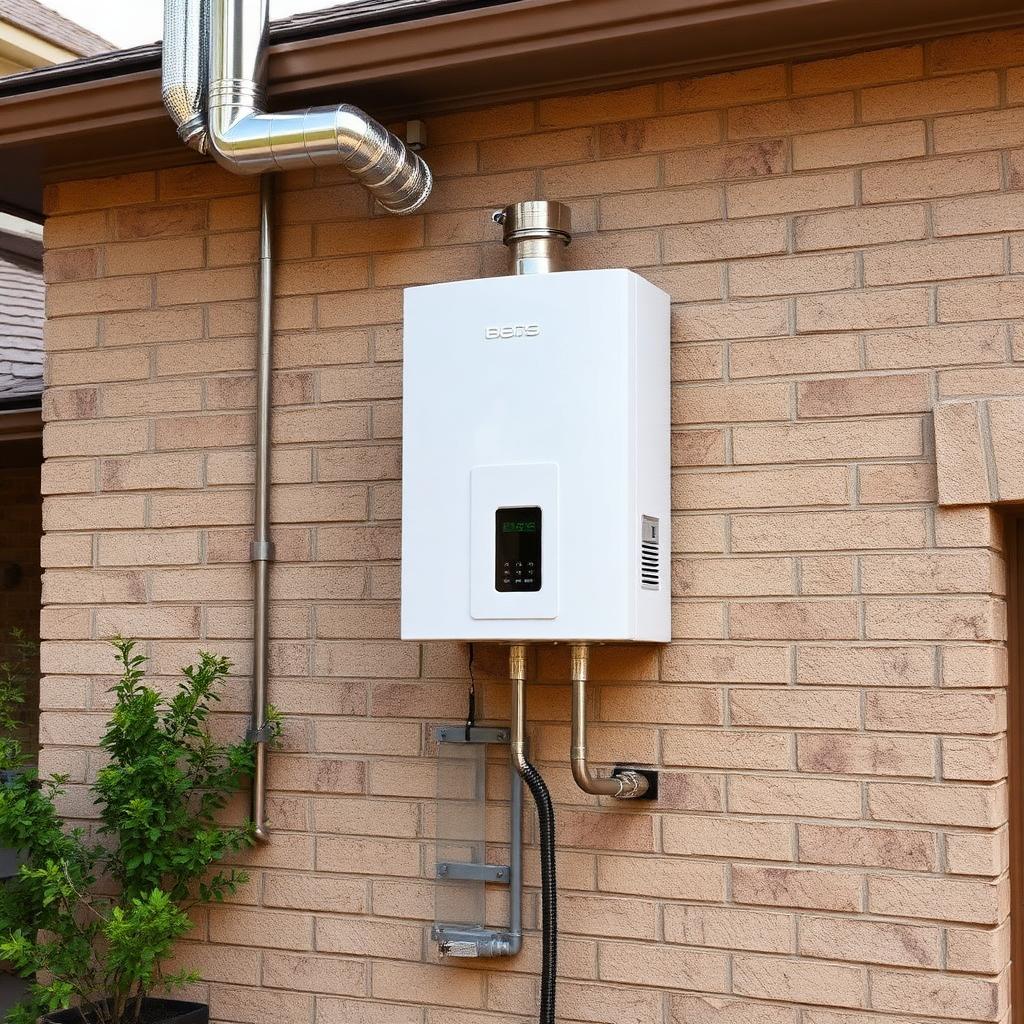
What Tells You a Farmers Branch Tankless Unit Needs Service
A tankless heater almost always gives some warning before it quits outright. The warranty is usually the first casualty of ignoring it.
Every manufacturer ties its codes to a specific cause — airflow, ignition, water flow, overheating. Rather than guess, we pull up the exact code chart for your model before recommending anything.
As scale coats the inside of the heat exchanger, flow through it narrows. A tub that used to fill quickly and now drags is a fairly reliable sign that a descale is overdue.
That momentary cold spell can come from a handful of different causes — a fouled flow sensor, a recirculation loop that's too small, or a modulation glitch — and each one calls for a different repair.
Usually this means the household is asking for more hot water than the unit was sized for, or the gas supply itself can't keep pace at peak demand. We check the gas line size early, since a lot of older Farmers Branch installs are undersized there.
Given how hard the water runs through this part of Dallas County, letting a year slip by without a descale is the quickest way to lose the manufacturer's coverage.
That sound is typically steam escaping through a layer of scale on the exchanger. Waiting it out risks permanent damage to the exchanger itself, so a prompt descale is worth scheduling.
Right-Sized, Properly Vented, Serviced Every Year
The install shapes the first decade. The maintenance schedule shapes the one after it.
- 1Start from real demand, not a guess
We total up the fixtures that might run together and work out the gallons-per-minute needed against your actual incoming groundwater temperature, which runs colder here than most online sizing tools assume. From there the unit and its gas line get matched — often a larger unit paired with an upsized gas run.
- 2Vent exactly the way the manufacturer specifies
Material, pitch, termination clearance, and routing all come from the install manual, not from whatever happens to be easiest that day. Tight mechanical spaces get a concentric kit instead of a workaround. Skipping any of this is the fastest way to trip a backdraft issue and lose coverage in the same move.
- 3Build in valves and condensate handling from day one
Full-port shutoffs on both the hot and cold side mean next year's descale takes twenty minutes instead of turning into a repair visit. Anything condensing gets a neutralizer ahead of the drain line so acidic runoff isn't eating away at your plumbing.
- 4Treat the annual visit as real maintenance, not a formality
We isolate the unit, run a descaling solution through the exchanger for roughly three-quarters of an hour, flush it clear, and bring the unit back online. While it's apart we look over the ignition components, sensors, and venting, and write down what we found for your records.
- 5Fix it with parts built for that exact model
Ignition assemblies, gas valves, sensors, and control boards are all things we can source and replace without waiting weeks. Whatever brand sits on your wall, we've likely worked on that model before across Farmers Branch.
Where Tankless Tends to Work Best in Farmers Branch
The house and its plumbing history shape the outcome as much as the unit itself.
Finished in 2022 along the waterfront, this newer construction typically already has mechanical rooms sized with tankless in mind, so these installs tend to go faster than the retrofit work common elsewhere in the city.
Recent single-family and multi-family building in this corridor generally means the gas and vent rough-ins are already modern, so the job here is mostly about matching a unit to demand rather than reworking old infrastructure.
Homes from the 1955-1962 buildout are common candidates for converting an old tank to tankless, but the original gas line almost always needs upsizing to feed a full-capacity unit — something we flag in the quote before work begins.
These mid-century tract homes near the city parks usually work best with a garage or side-yard placement, where side-wall venting fits the floor plan without much extra construction.
This mid-century subdivision typically shares the same interior-closet layout common across the Valwood-era stock, where routing vent pipe up through the roof to a condensing unit is usually the cleanest option.
The oldest part of the city, near Farmers Branch Historical Park, often means swapping a tankless unit into a house that started out with an atmospheric tank, which almost always brings a gas-line upsizing conversation along with it.
What Farmers Branch Homeowners Say
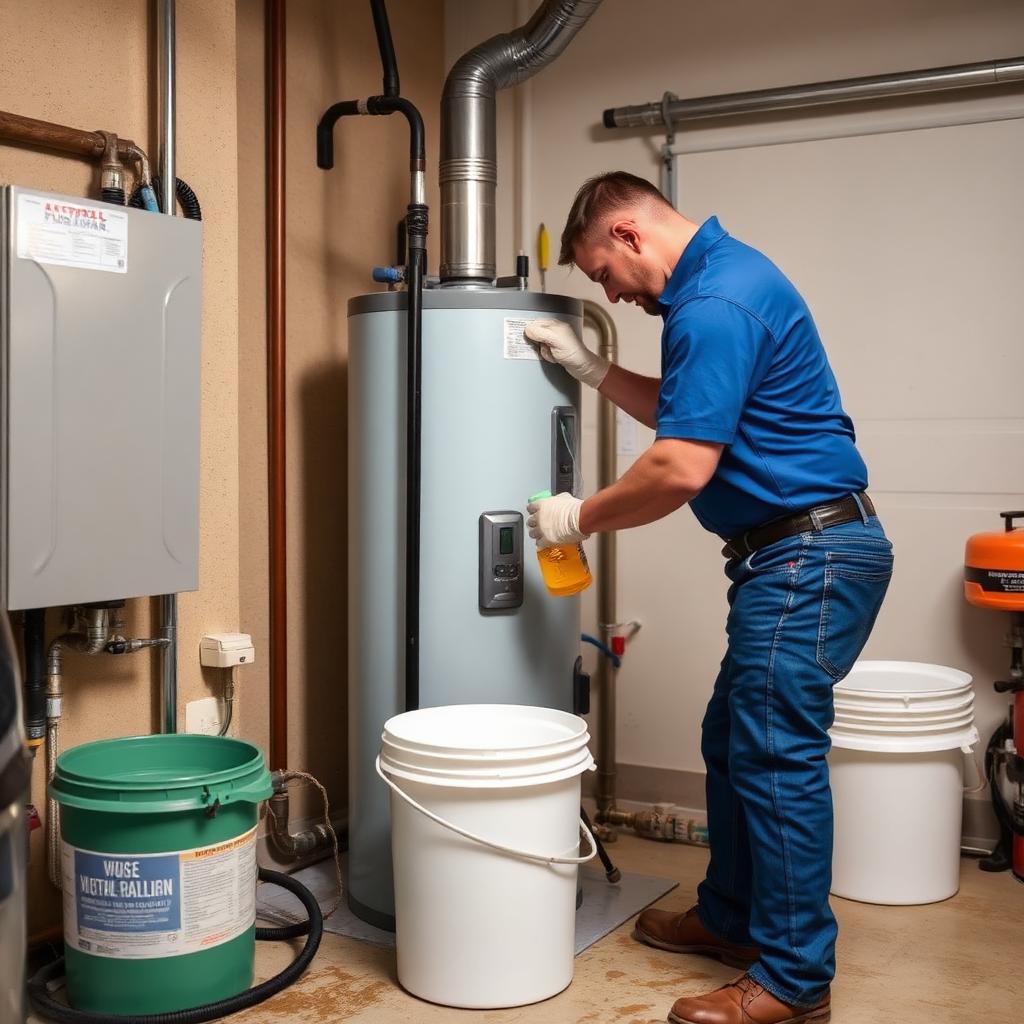
Coverage That Stays Valid Because the Paperwork Is Real
Every install we finish gets written up for the warranty file — model and serial number, install date, how the gas and vent were configured, where the valves went. Each annual visit after that gets logged the same way. That paper trail is exactly what keeps a long manufacturer warranty in force instead of getting denied a few years down the road.
We're insured, family-owned, and licensed through the Texas State Board of Plumbing Examiners, and every truck rolls out of our shop in The Colony. Farmers Branch is roughly 20 to 30 minutes from there under normal traffic, and we can usually get to a unit that's stopped producing hot water the same day you call.
Straight Answers, No Sales Pitch
Our Other Plumbing Services in Farmers Branch, TX
A tankless install often comes bundled with a gas line upgrade. We handle both together in Farmers Branch — one visit, one written quote.
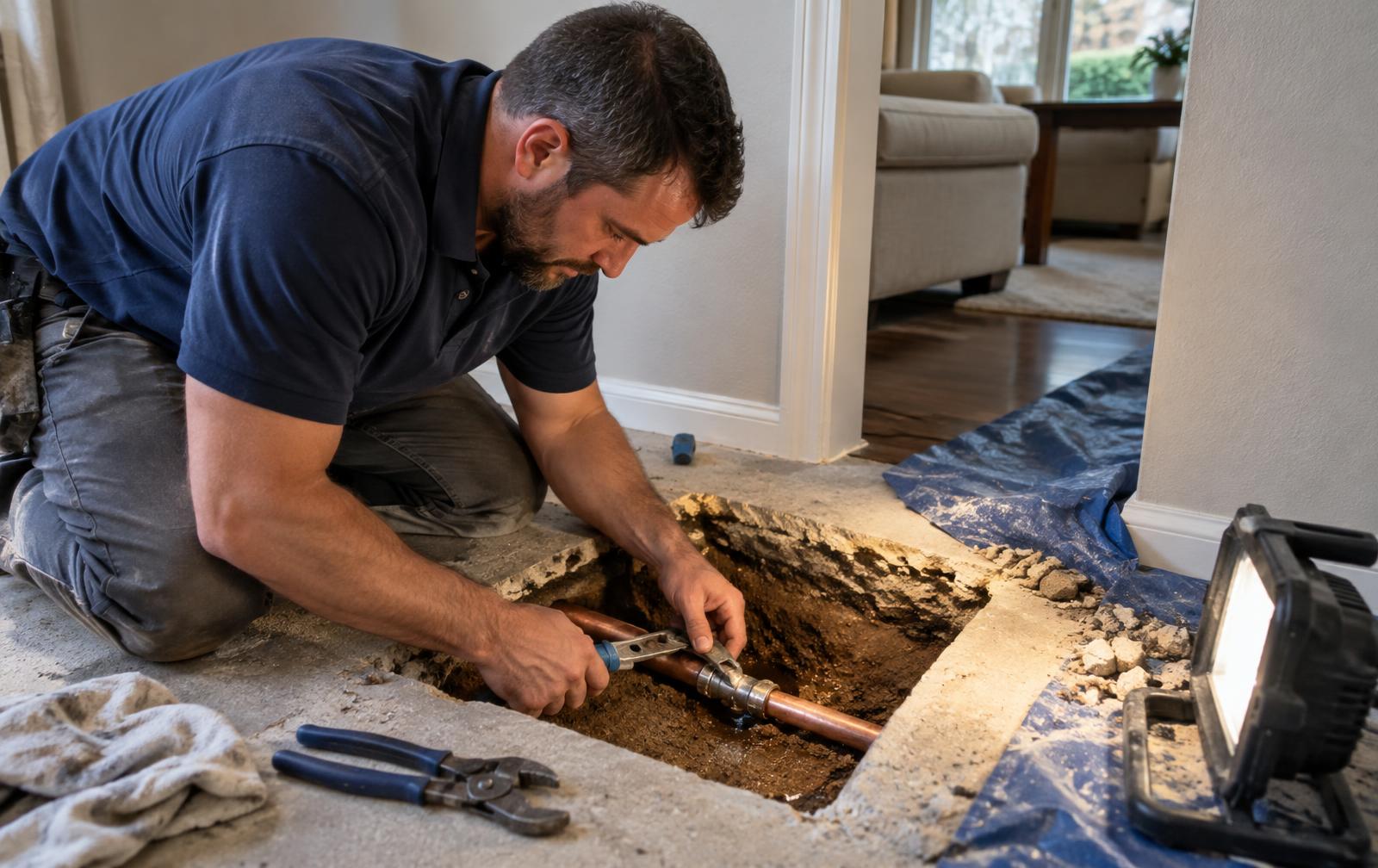
Electronic detection under Farmers Branch slabs — reroute options that save your finished floors when possible.
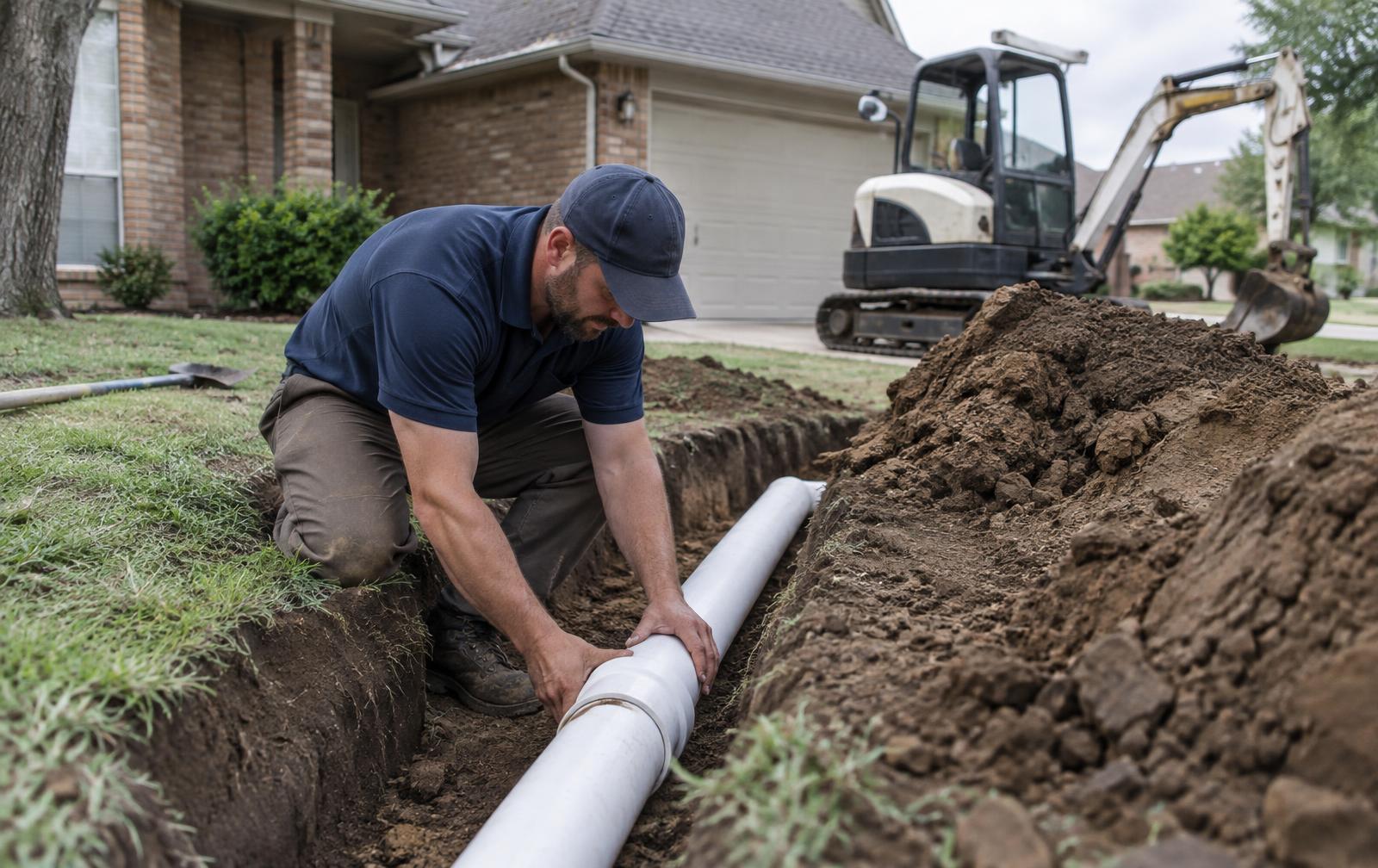
Trenchless replacement for the aging laterals across Farmers Branch's older runs — camera first, quote in writing, minimal yard damage.
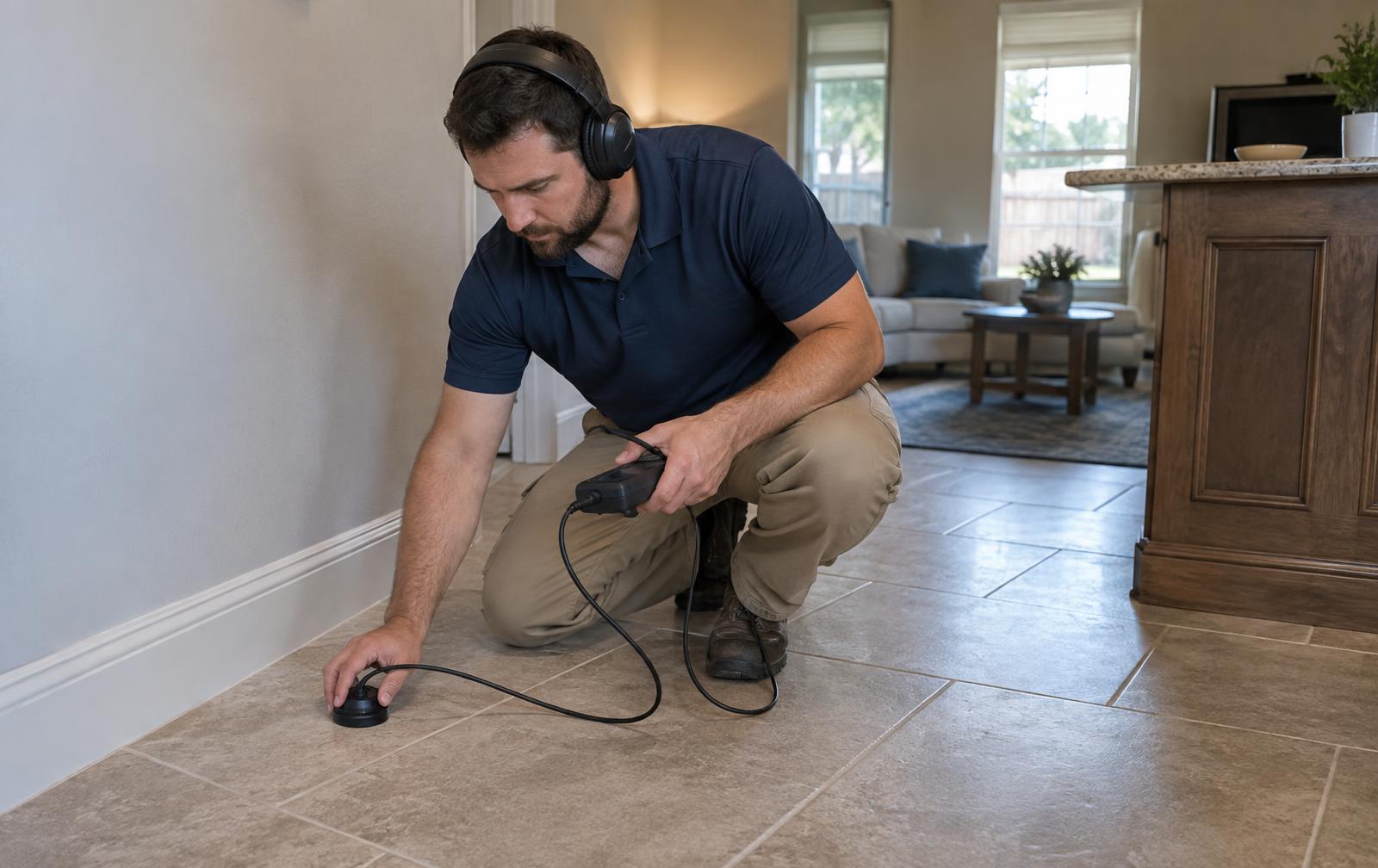
Acoustic, thermal, and pressure testing to pinpoint hidden leaks in Farmers Branch slab and wall lines without tearing into finishes.
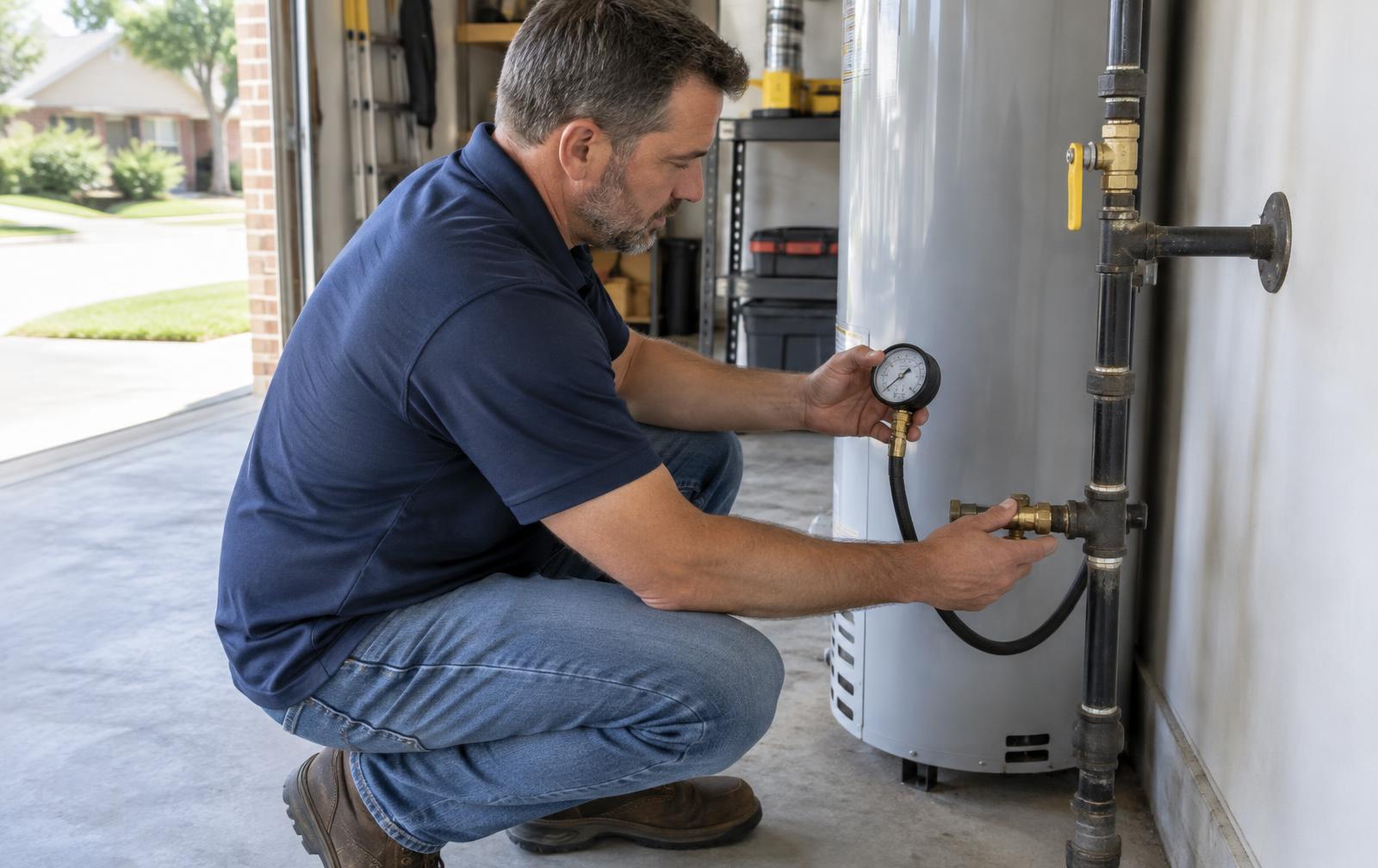
Licensed install, repair, and pressure-testing for Farmers Branch homes — every line signed off to Texas code and Atmos requirements.
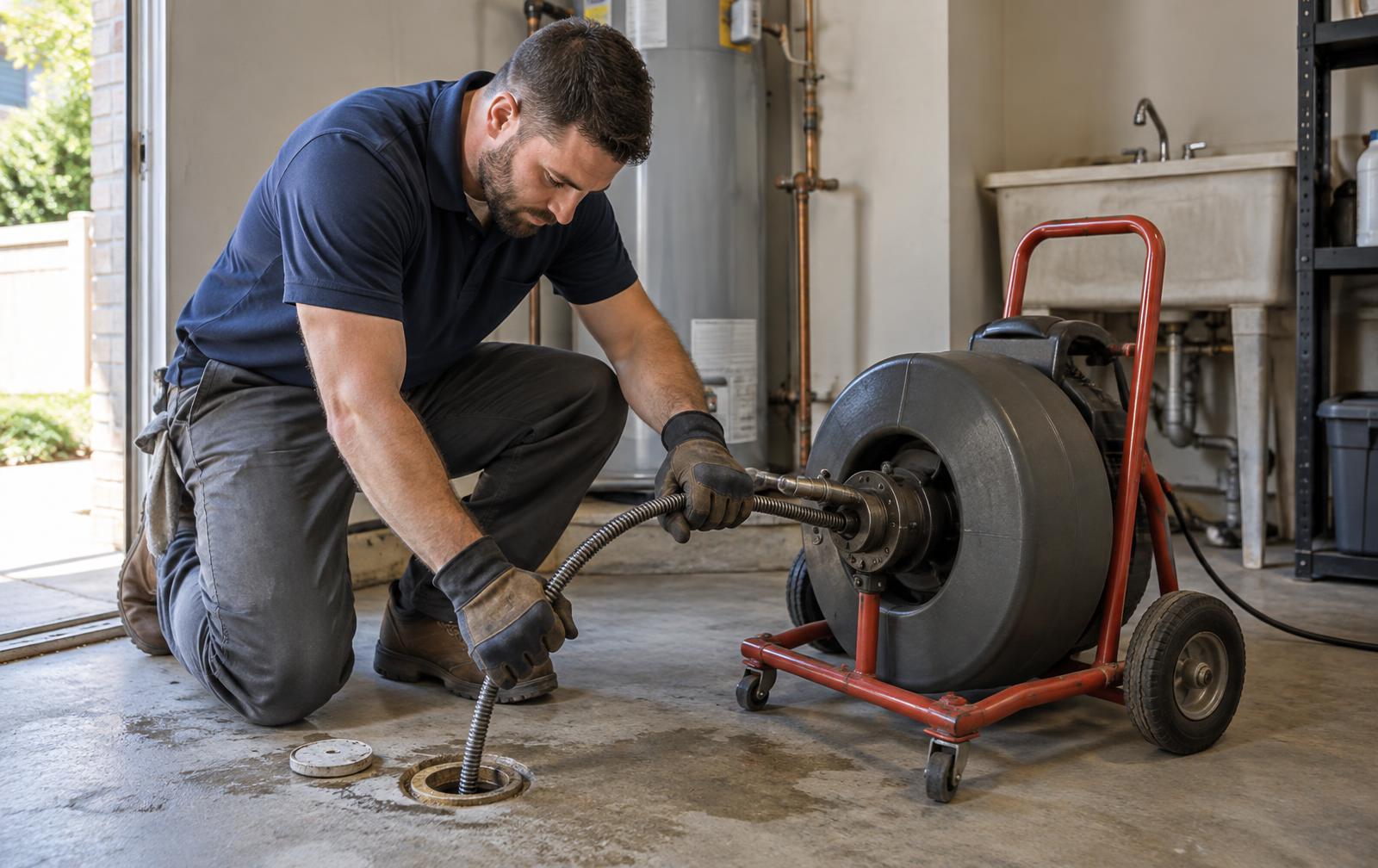
Full-clear service and camera confirmation for the drains under Farmers Branch's neighborhoods.
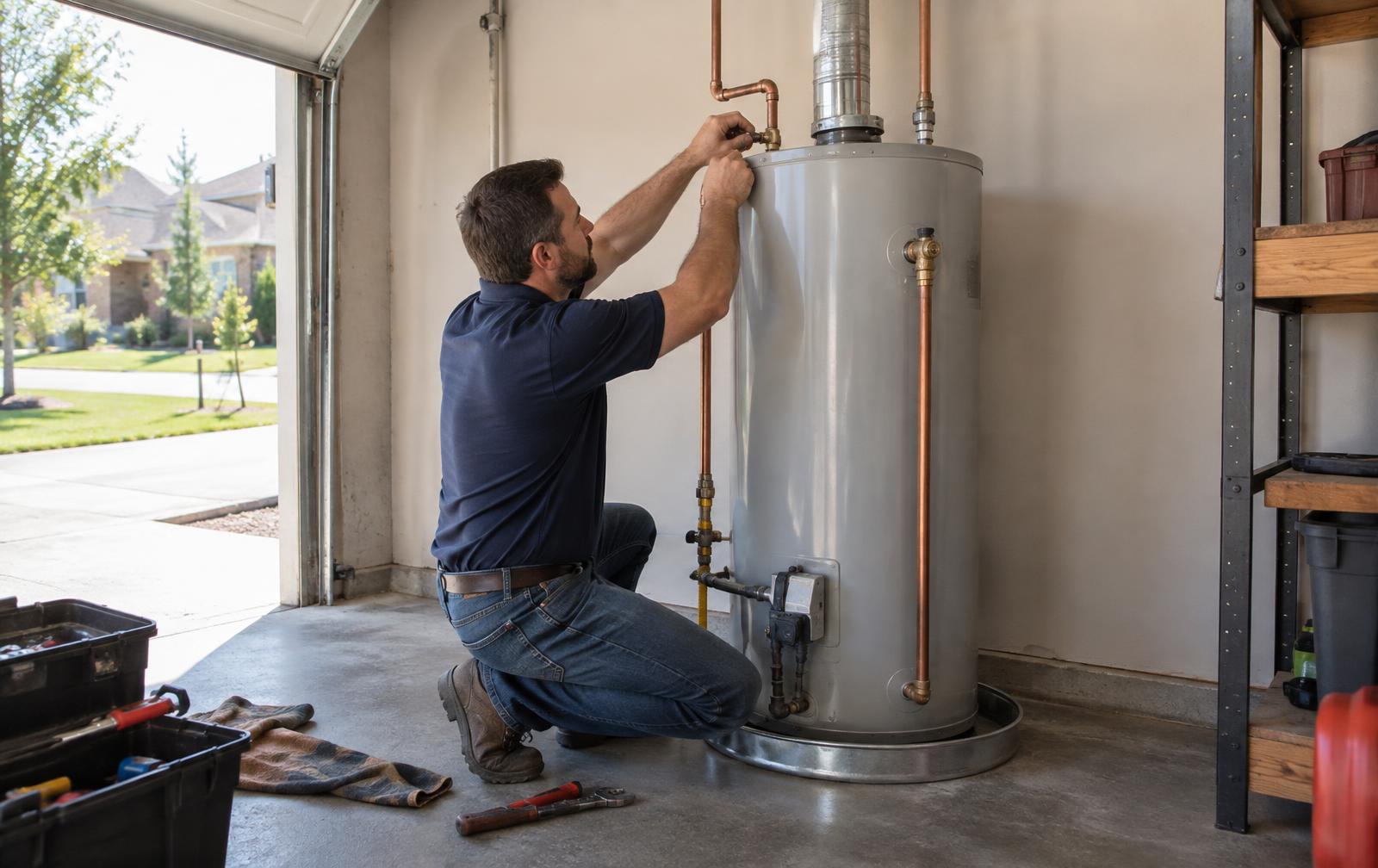
Repair, flush, and replacement of tank units — including attic and garage heaters common to Farmers Branch homes.
same-day, 7 days a week response across Farmers Branch for burst pipes, heater failures, and main-line backups.
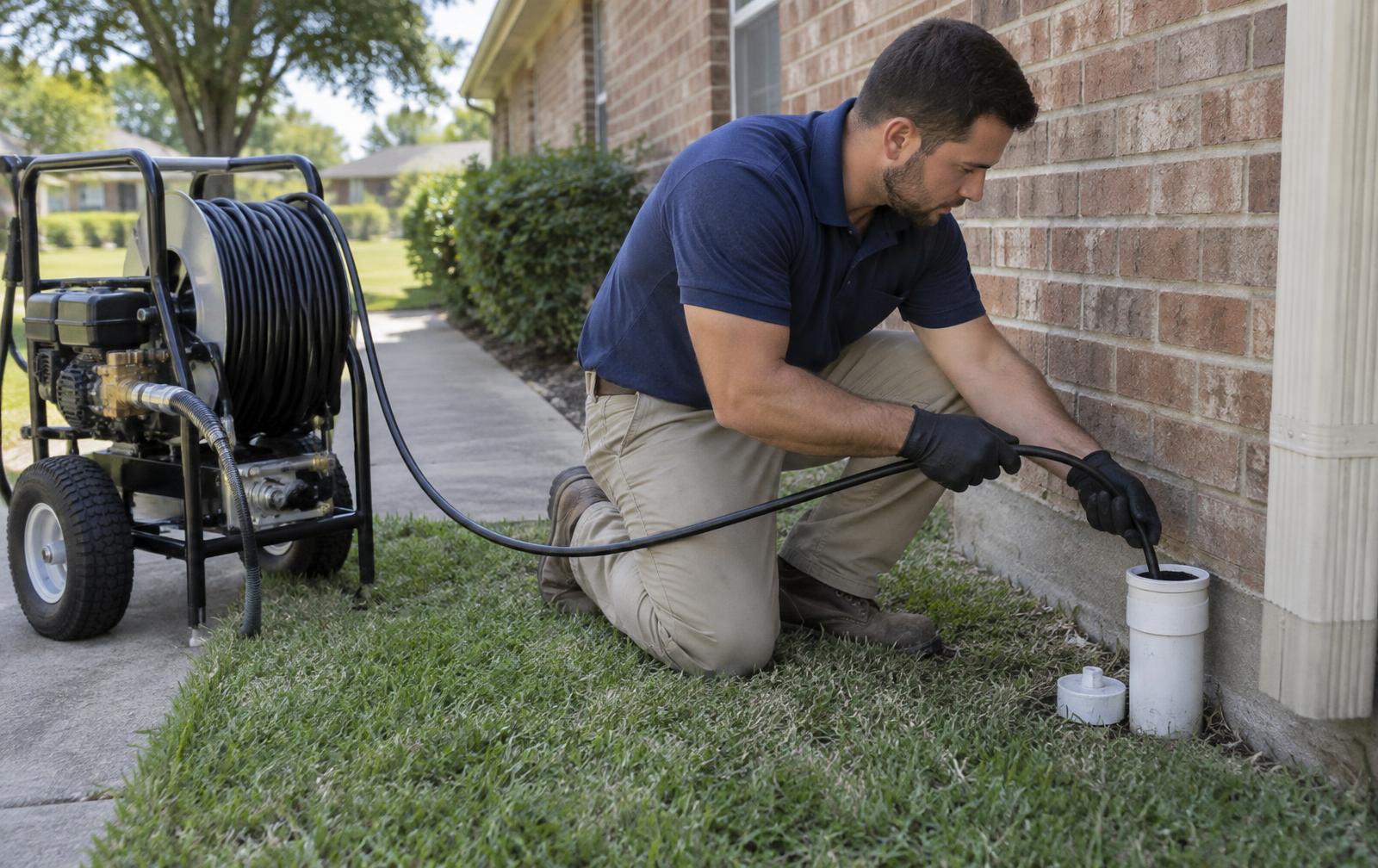
High-pressure cleaning that clears scale, grease, and roots from Farmers Branch's lateral runs — full-diameter, lasting clean.
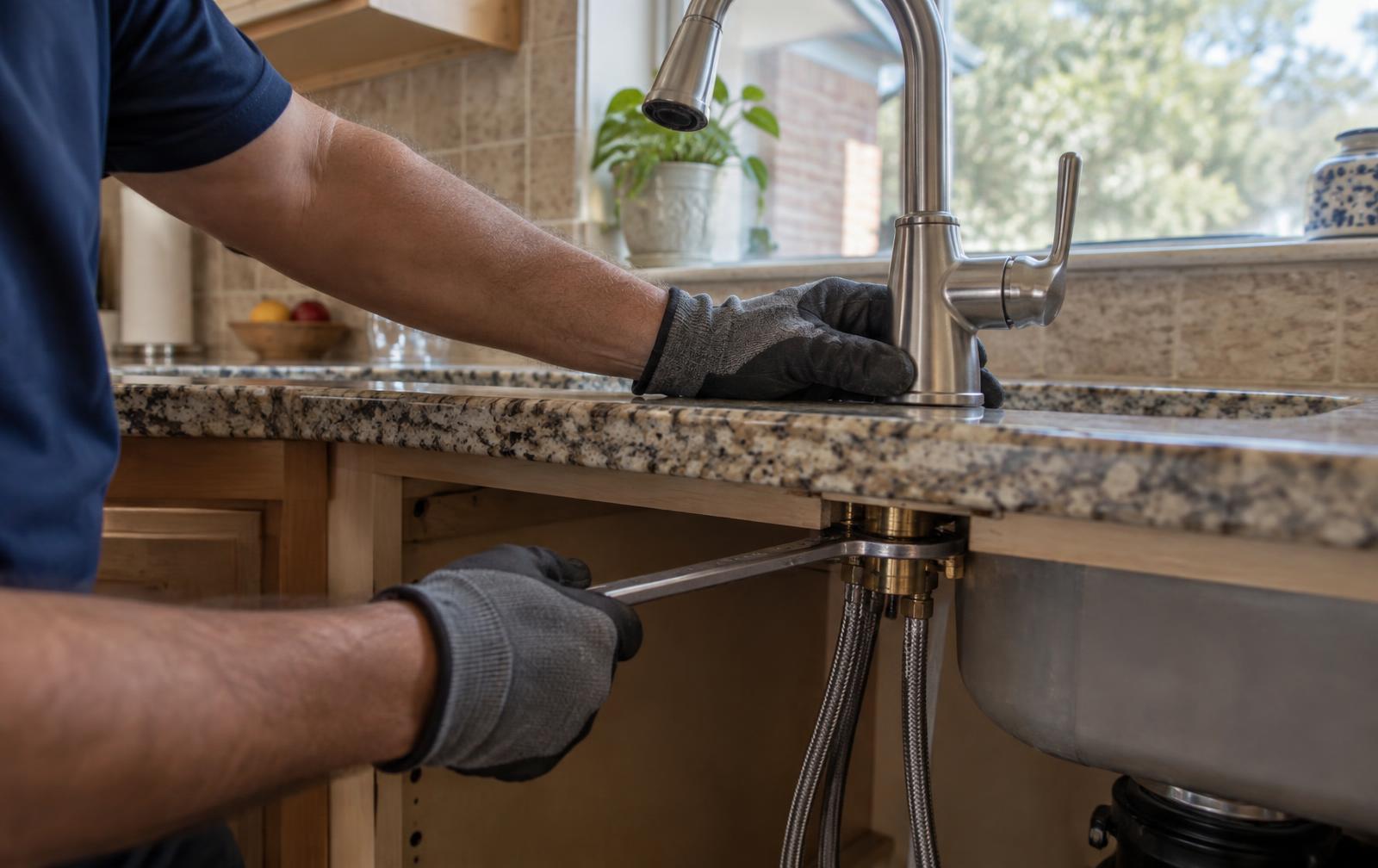
Cartridge, stem, and full-fixture replacement for Farmers Branch kitchens and bathrooms — hard-water-ready parts stocked on the truck.
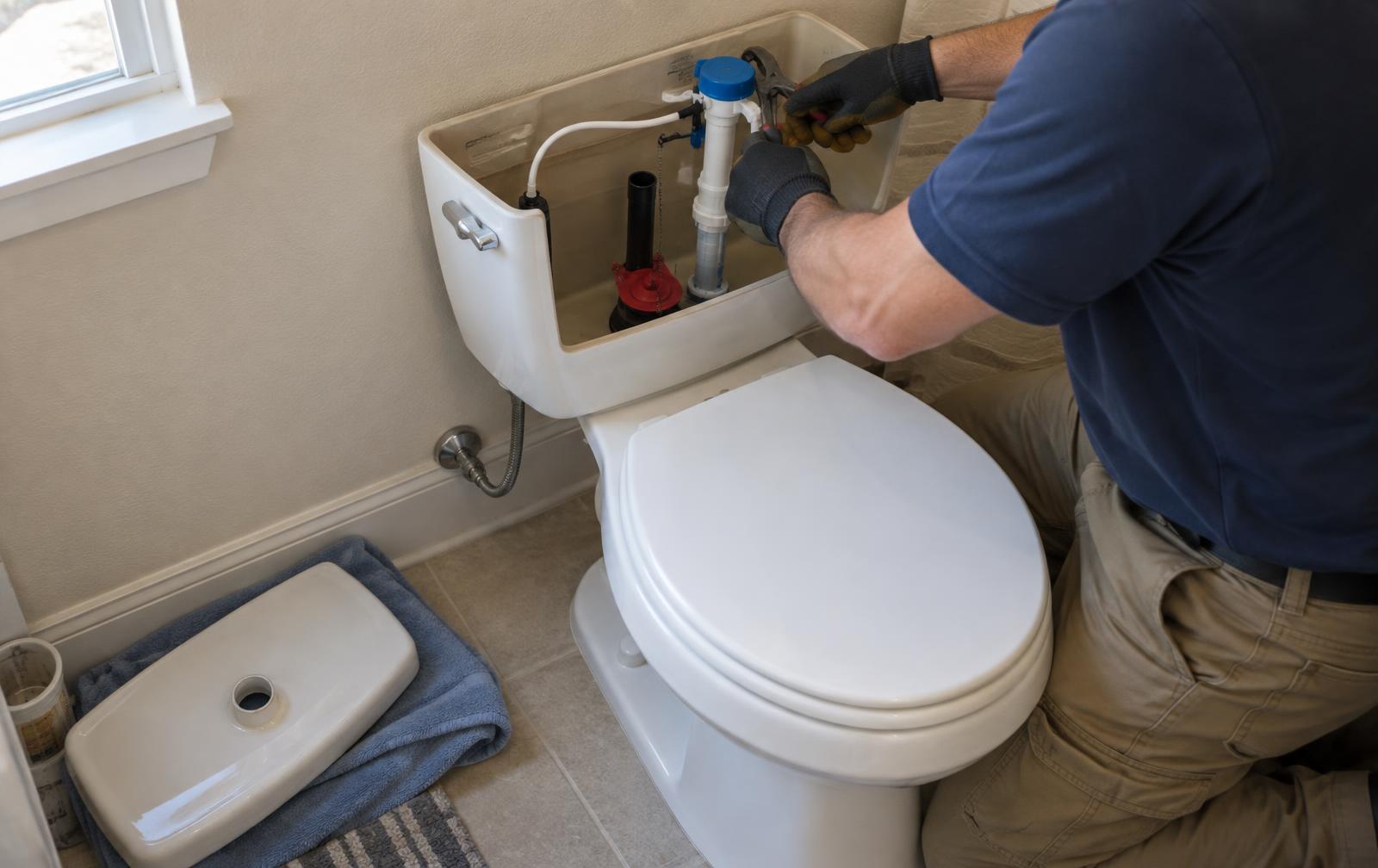
Rebuilds, wax-ring resets, flange repairs, and full replacements — the running toilets and rocking bowls in Farmers Branch homes.
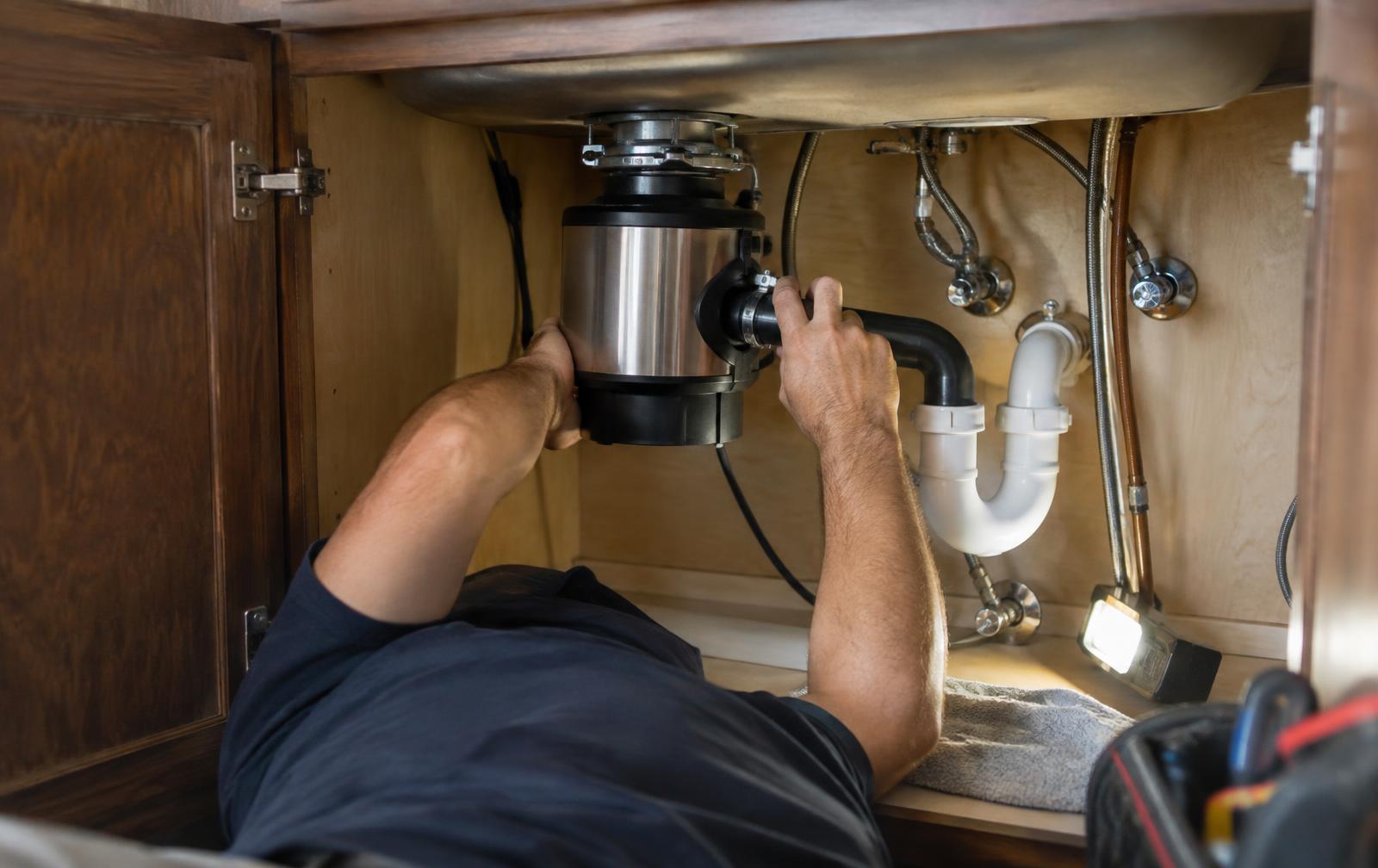
Jam clearing, leaking-unit swaps, and quiet 3/4 HP upgrades for Farmers Branch kitchens — same-visit install.
Need Tankless Install or Service in Farmers Branch?
Manufacturer-spec installation, documented annual service, and coverage that stays intact. Schedule now.