
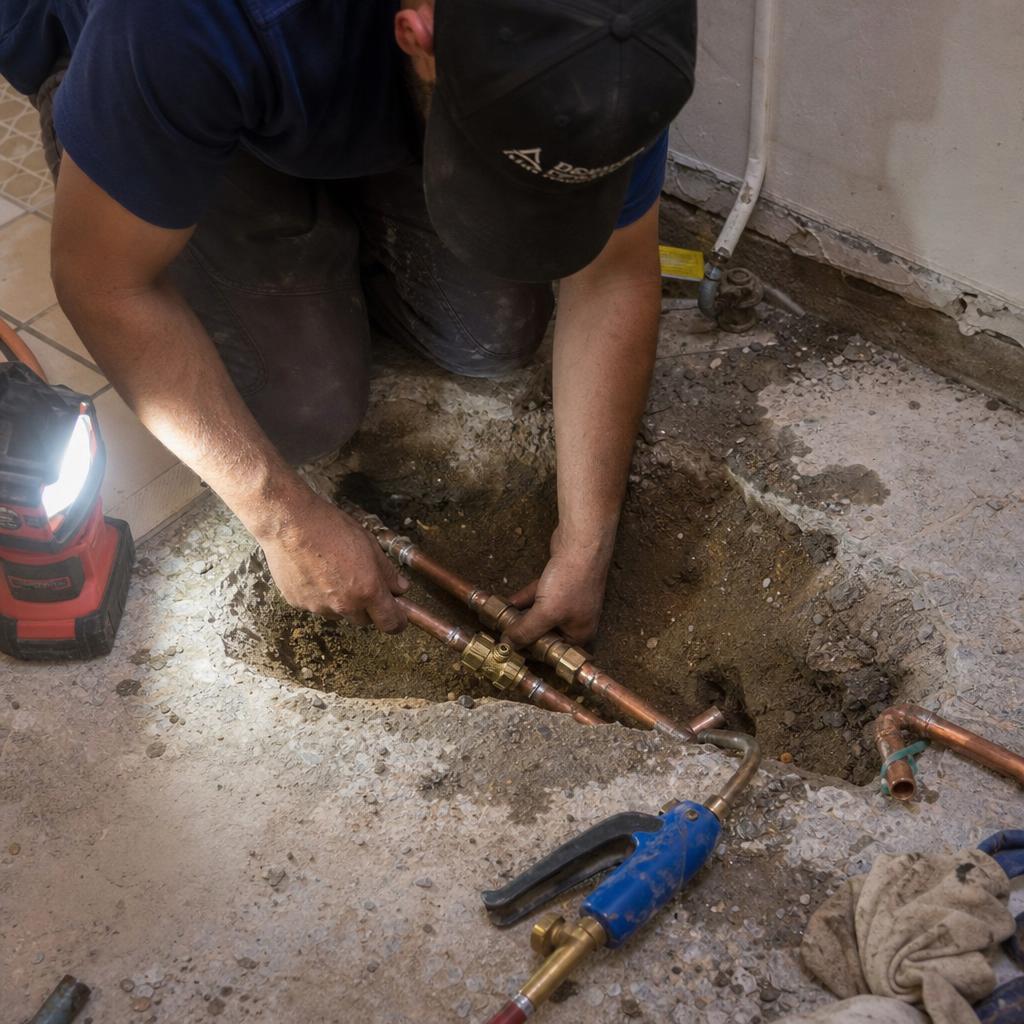
Slab Leak Repair in Flower Mound, TX
Water pooling on tile you never spilled on. A hot spot on a bedroom floor. Water bill that jumped $80 with nothing new turned on. We pinpoint slab leaks under Flower Mound condos, townhomes, and ranches before anything gets torn up — and quote the reroute honestly against the spot repair.
The Right Question is Reroute or Repair — Not "Where Do We Break the Slab?"
Flower Mound's housing stock is dense and old for a North Dallas suburb — a lot of the ranches off Stone Hill Farms were plumbed in the 1970s with Type M copper on top of a slab that was poured before post-tensioning was standard. Forty years of Blackland Prairie clay heaving under that slab, plus DWU's chloramine chewing on the copper from the inside, is why slab leaks are our most common Flower Mound call.
The condos around Bridlewood and the townhomes in Wellington are different — newer copper or PEX, but with shared walls and finished concrete floors where every square foot of tear-out is expensive to put back. Pinpointing the exact leak matters even more here, because the wrong guess doubles the restoration bill.
Either way, the right first call is not to a plumber with a jackhammer. It is to somebody with acoustic and thermal gear who can put an X on the slab within a few inches, and then walk you through whether it makes more sense to open the concrete or bypass the failed line entirely with an overhead PEX reroute.

Signs of a Slab Leak in Your Flower Mound Home
A slab leak wastes water for weeks before it becomes obvious. Catching it early is a $600 reroute. Missing it is a $6,000 flooring and mold remediation.
A hot-water slab leak heats the concrete directly above it. Walk your home barefoot in the morning — a suspicious warm patch on tile or wood is almost always a compromised hot-side line.
A pinhole slab leak wastes 60 to 300 gallons a day silently. If your Flower Mound bill jumped $40 to $150 with nothing new plugged in, a slab leak is the most common cause.
If a hot-side slab line is bleeding, your water heater refires constantly to keep up. You will hear it or feel the closet warmer than usual.
Long-term slab moisture makes grout lines fail and hardwood cup upward at the seams. Both are late-stage signs — the leak has already been running for months.
Shut every fixture in the home, put your ear to the slab or a wall, and if you hear a faint hiss or trickle, that is water under the concrete.
A slab leak on the hot line drops shower pressure and shortens shower duration. If the cold side is fine but the hot side is weak, look under the slab first.
Locate First, Then Choose the Right Fix
We are not opening your slab until we know exactly where the leak is and whether cutting concrete is even the right call.
- 1Isolate hot vs cold
We pressure-test both sides at the water heater to confirm which line is leaking. That decides where we spend detection time and whether the reroute would need one line or two.
- 2Acoustic and thermal locate
Ground microphones on the floor, thermal camera on the walls and slab, and a hydrogen tracer on the isolated line. Between the three we usually put the leak inside a 12-inch circle.
- 3Walk you through the two paths honestly
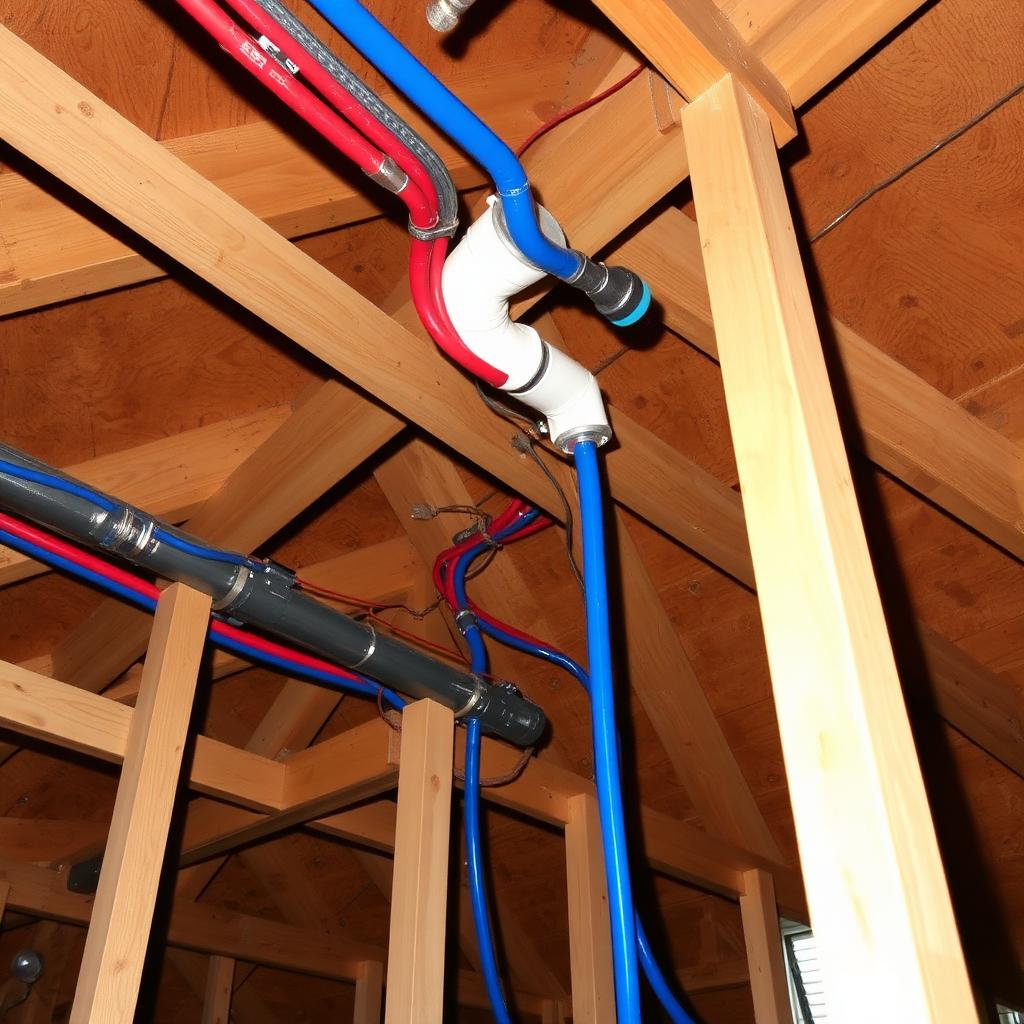
Spot repair means one small slab cut, one splice, and concrete patch — cheapest if the rest of the line is healthy. Reroute means running a new PEX line overhead through the attic and abandoning the slab run — better if the rest of the line is the same age and material.
- 4Execute the chosen fix
If spot repair, we saw-cut concrete cleanly, expose the leak, replace the failed section with a compression-fit splice or hard sweat, and patch. If reroute, we run PEX-A through the attic, tie in above the fixtures, and cap the slab line.
- 5Pressure test and document
We hold 100 PSI on the finished line for 15 minutes with you watching the gauge. You get before-and-after photos of the detection, the repair, and the pressure test — you know exactly what you paid for.
Spot Repair or Reroute — We Quote Both
There is no universal right answer. The right answer depends on the age of your copper, how many bathrooms are on that line, and how finished your slab is.
We saw-cut a small opening in the concrete, expose the exact leak, splice in a new fitting, patch the concrete. Best for isolated failures on lines that are otherwise still in good shape.
- Cheapest for a first-time isolated failure
- Preserves original supply routing
- Concrete patch and finish flooring are on your restoration crew
- Not a great choice if the rest of your copper is the same age
We abandon the failed slab run, route a new PEX-A line overhead through the attic, tie in above the fixtures. Best when the failed section is likely the first of several on an aging system.
- No more concrete cuts on that line, ever
- Bypasses corroding copper you cannot inspect
- Cleaner install for finished basements/no-attic condos means running in soffits
- Slightly higher up-front, much cheaper over 10 years
What We See in Each Part of Flower Mound
Different construction eras, different slab-leak realities.
Mid-2000s copper on post-tensioned podium slabs. Slab leaks here are almost always at the initial rough-in solder joints — spot repair is usually right, and the podium-slab construction makes cuts more controlled.
80s townhome cluster. Type M copper under the slab, sharing plumbing walls between units. Reroutes overhead through the attic are cleanest here because a spot repair in one unit's slab can affect the neighbor.
Original 60s and 70s ranches. Some are still on the first-generation copper. When we find a slab leak here, it is often the first of several — we usually recommend a full home PEX reroute rather than serial spot repairs.
Mixed era: some original ranches, some 2000s tear-down rebuilds. Ask us for the year and we quote different — a 2005 rebuild gets spot repair, an original gets a reroute conversation.
Older duplex and small-lot stock. Party wall between units complicates slab cuts. Overhead PEX reroute is usually the least disruptive answer here.
1970s slab construction on Blackland clay. Foundation shift over four decades has stressed the copper joints throughout, not just at the leak. Full reroute pays back within a few years.
What Flower Mound Homeowners Say
Slab Leak, Fixed Right the First Time
Every Flower Mound slab leak we repair carries a written workmanship guarantee — one year on spot repairs, five years on full reroutes. If the fix fails on our workmanship, we make it right at no charge. If the leak comes back somewhere else on the same aging copper, we told you at quote time and it is why we suggested the reroute.
Fully licensed by the Texas State Board of Plumbing Examiners, insured and bonded, and dispatching from nearby Frisco and The Colony — most Flower Mound addresses see a truck the same afternoon on an active slab leak, faster if you are actively losing water.
Straight Answers, No Sales Pitch
Our Other Plumbing Services in Flower Mound, TX
A slab leak often points to broader supply-line age. We handle the sewer, water heater, and re-pipe conversation too — one local call in Flower Mound.
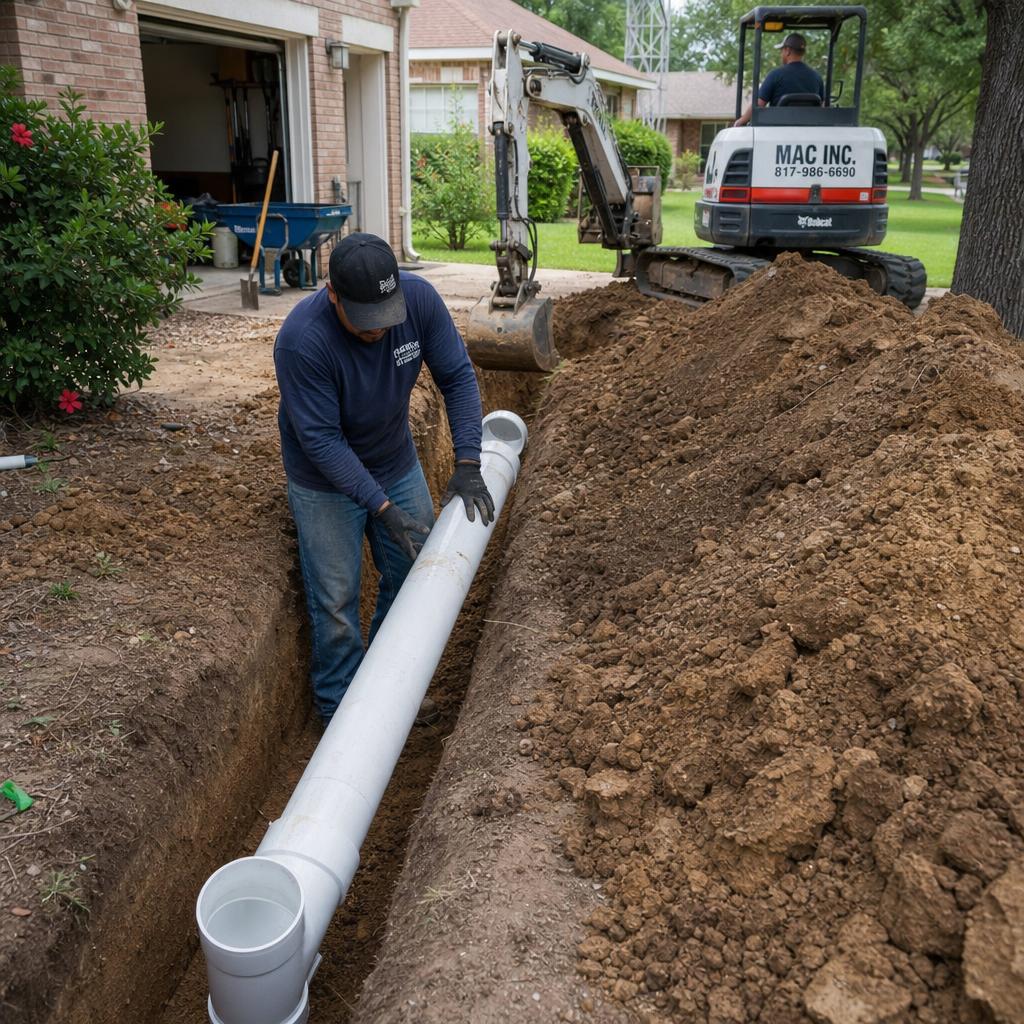
Trenchless replacement for the aging laterals across Flower Mound's older runs — camera first, quote in writing, minimal yard damage.
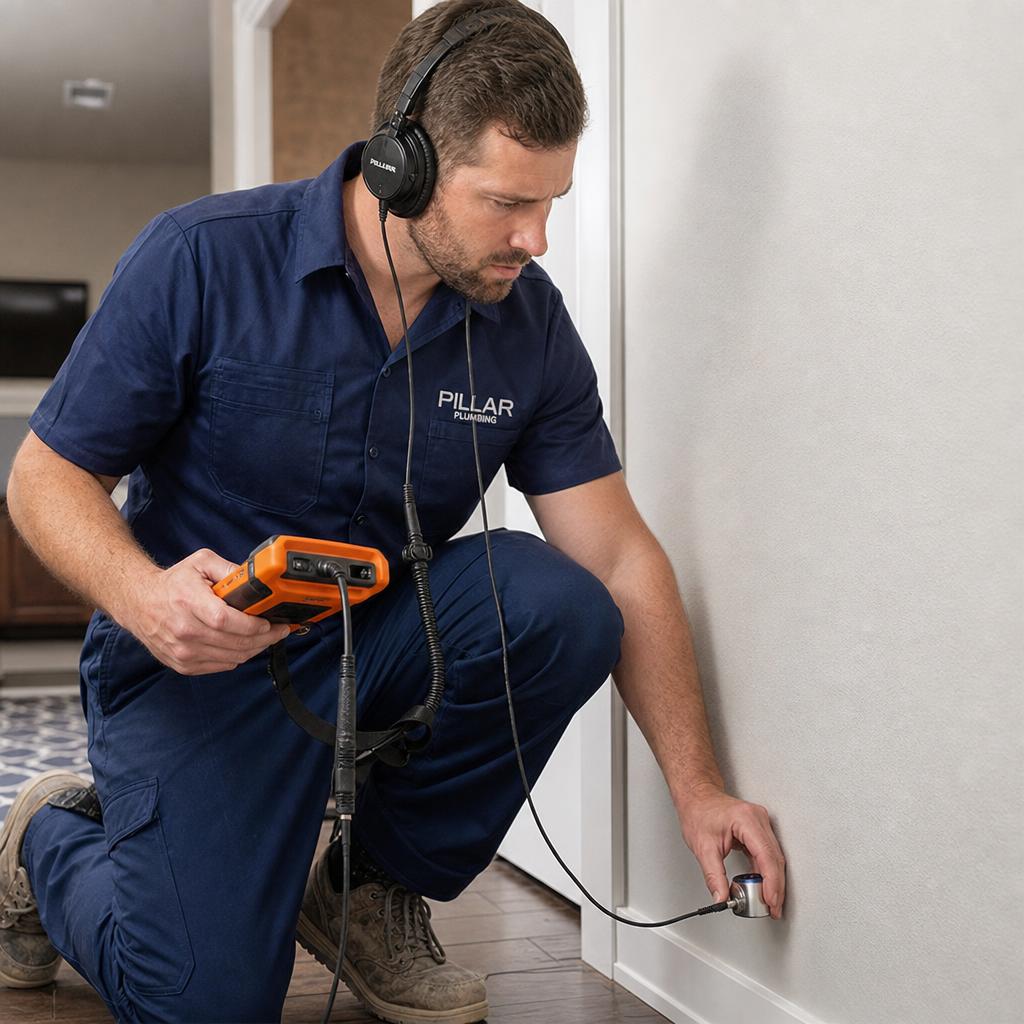
Acoustic, thermal, and pressure testing to pinpoint hidden leaks in Flower Mound slab and wall lines without tearing into finishes.
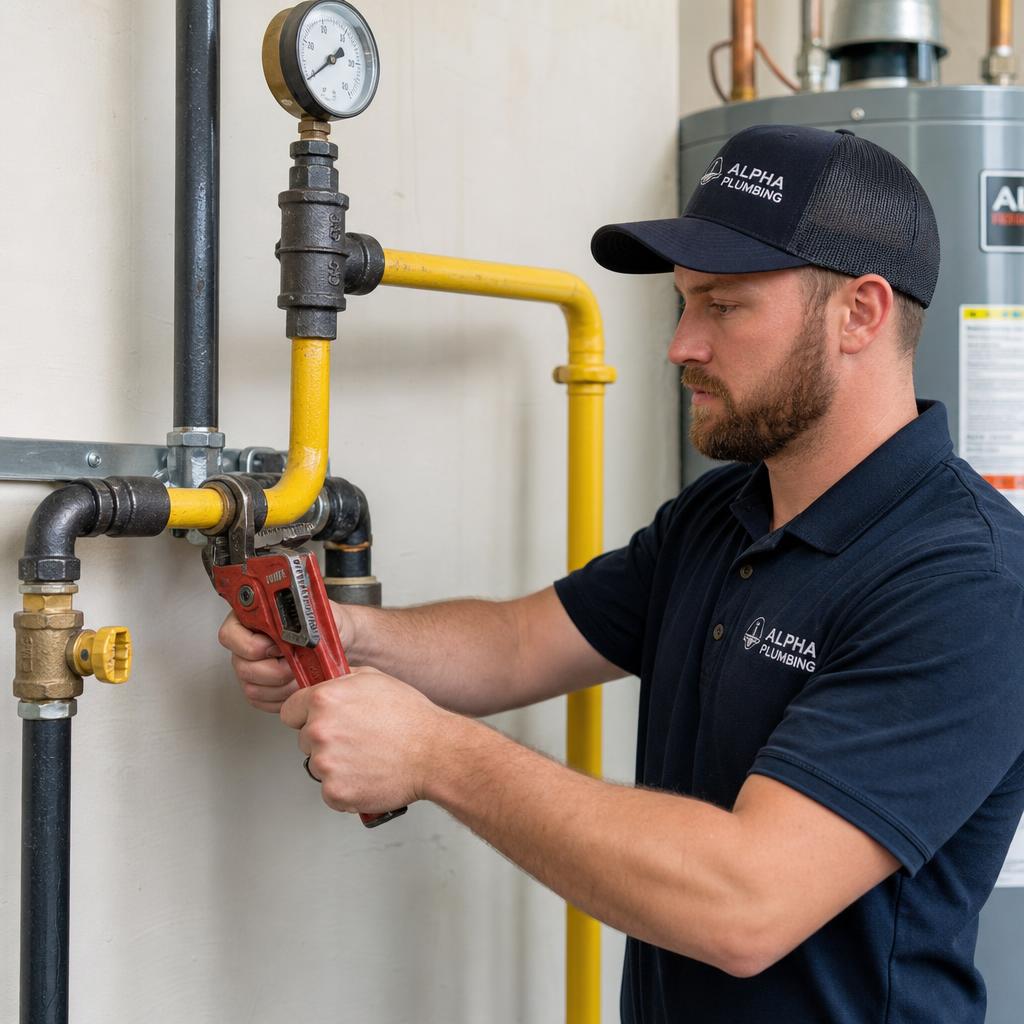
Licensed install, repair, and pressure-testing for Flower Mound homes — every line signed off to Texas code and Atmos requirements.
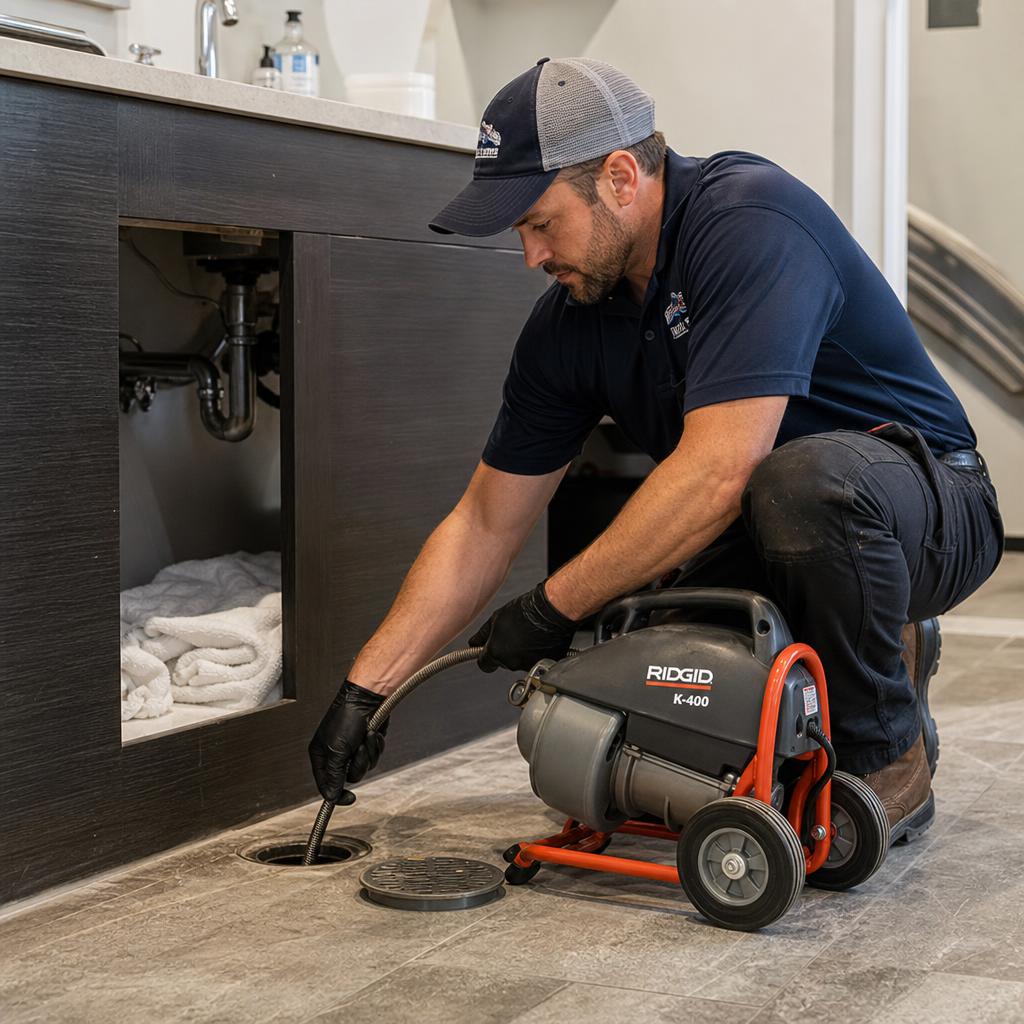
Full-clear service and camera confirmation for the drains under Flower Mound's neighborhoods.
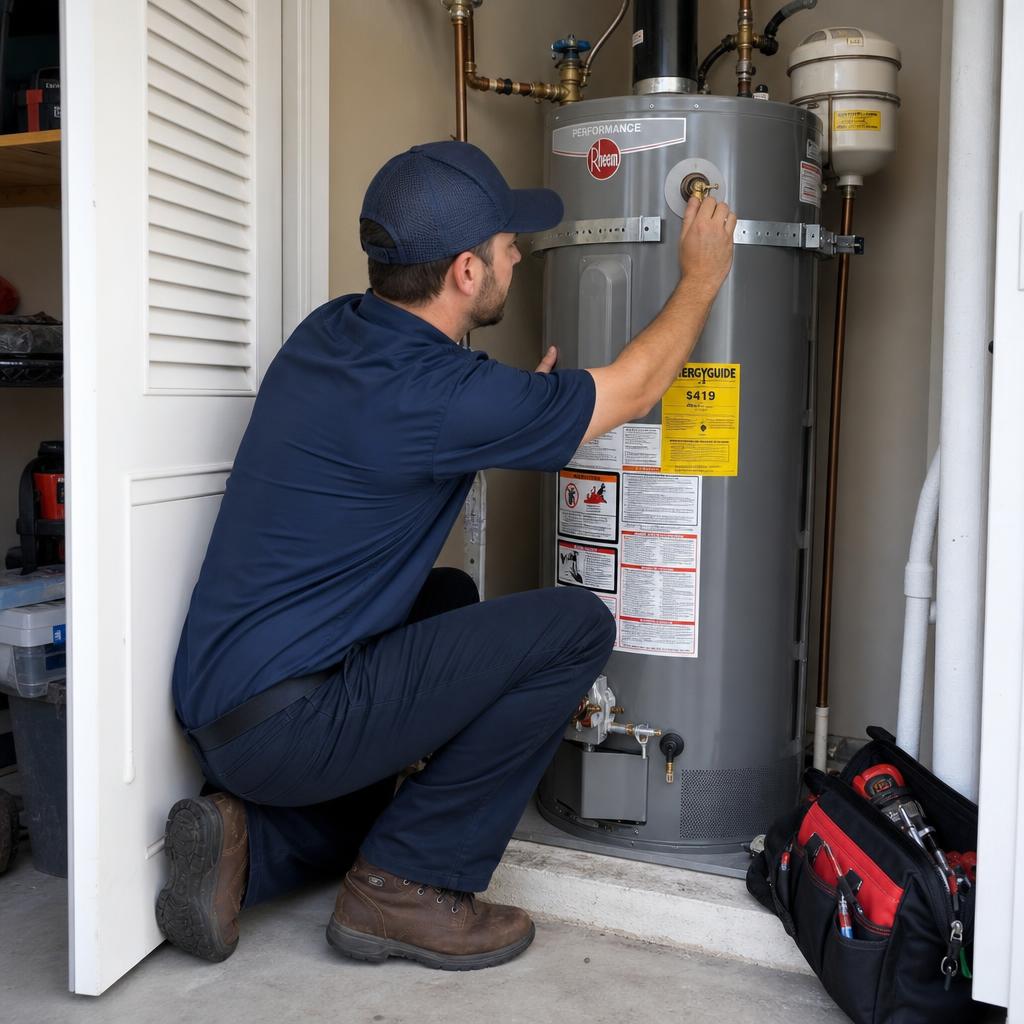
Repair, flush, and replacement of tank units — including attic and garage heaters common to Flower Mound homes.
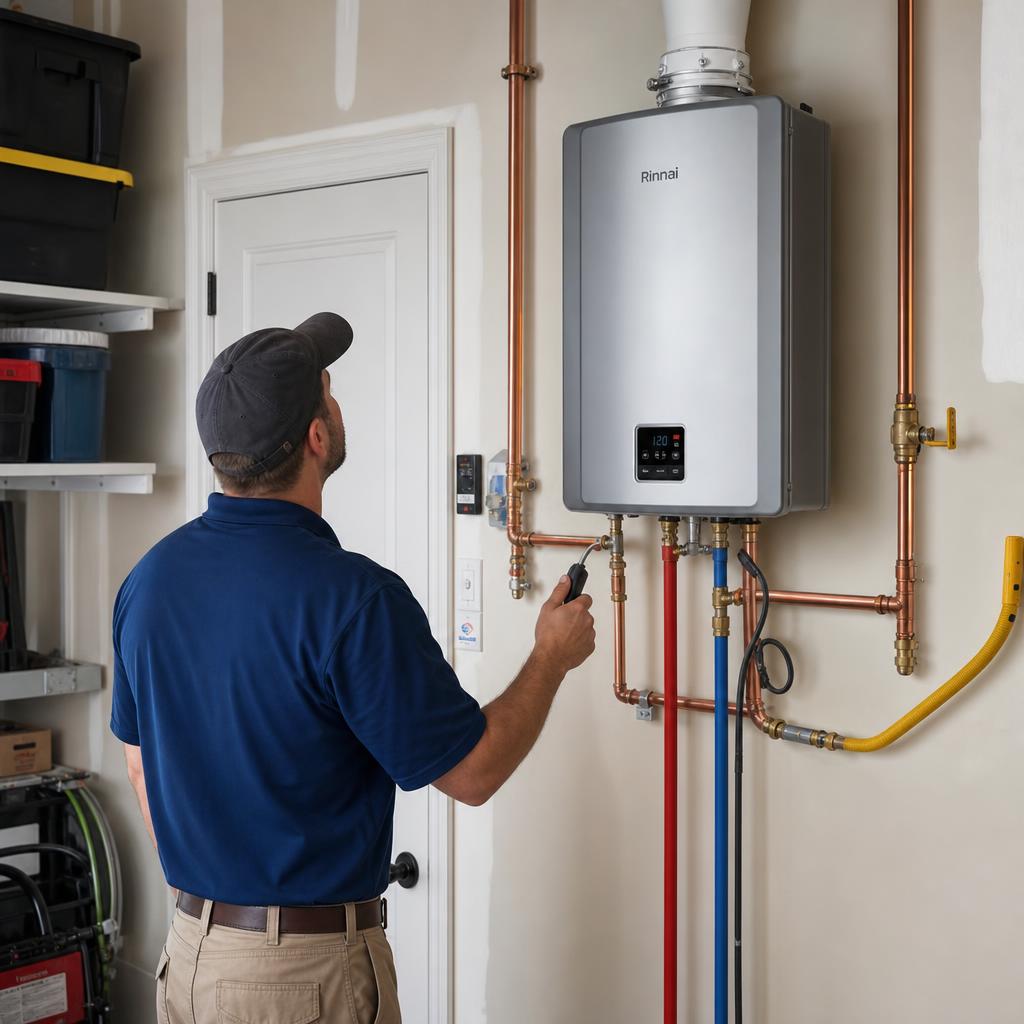
Install, service, and annual descaling — Flower Mound's hard tap water eats tankless heat exchangers without it.
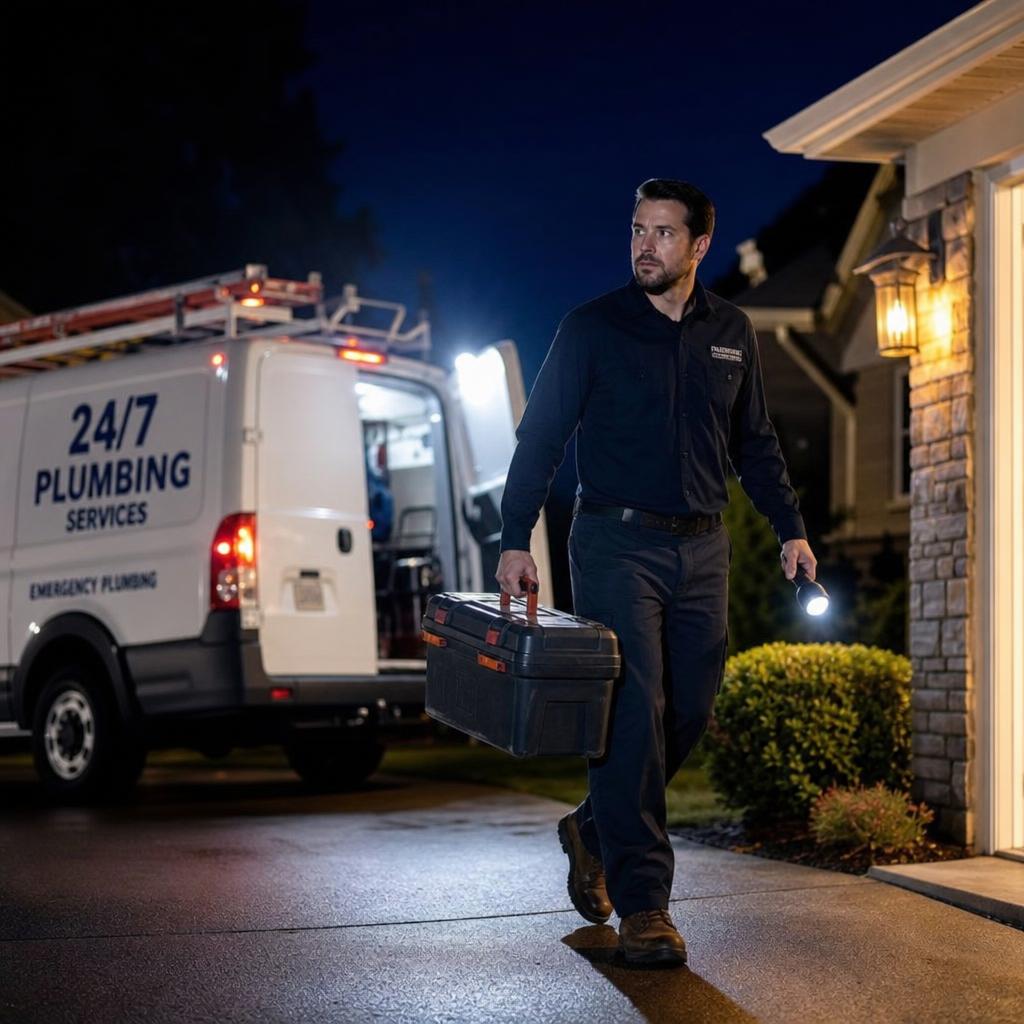
Same-day and after-hours response across Flower Mound for burst pipes, heater failures, and main-line backups.
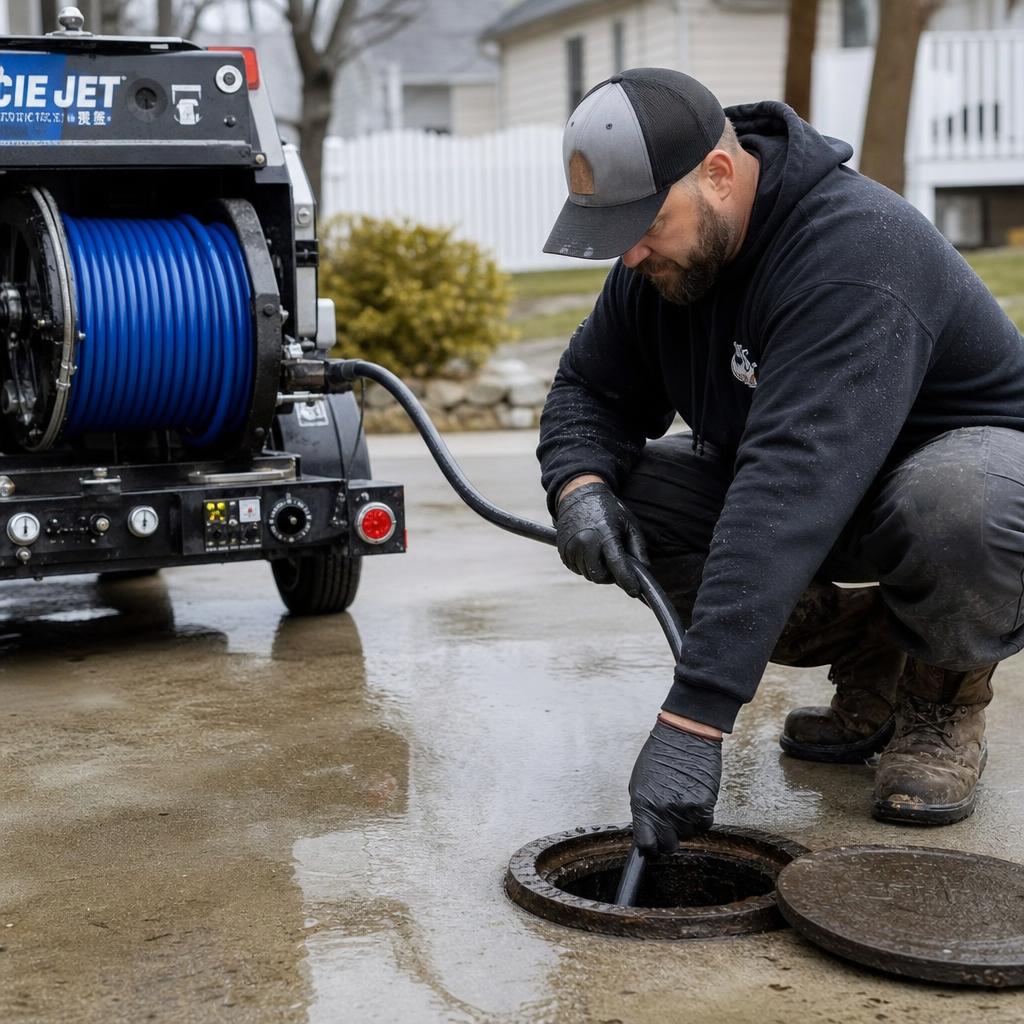
High-pressure cleaning that clears scale, grease, and roots from Flower Mound's lateral runs — full-diameter, lasting clean.
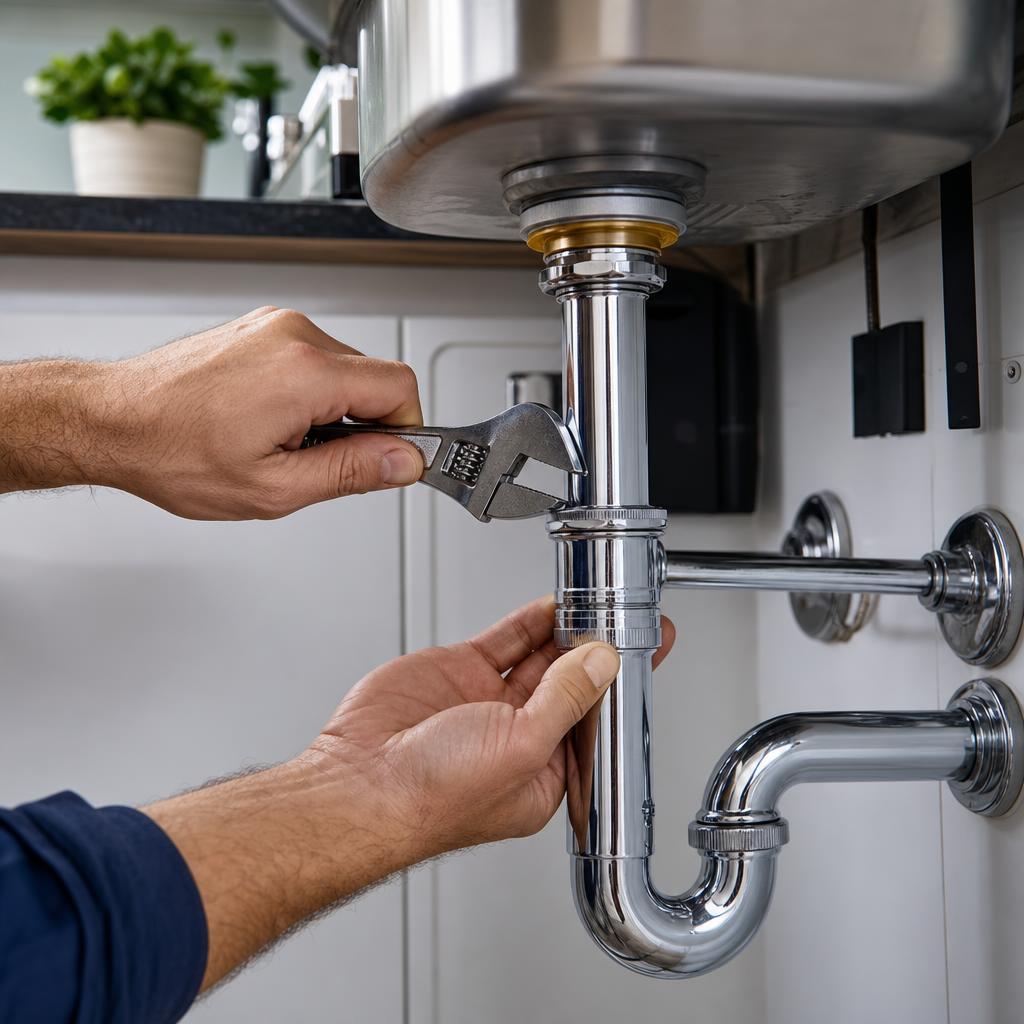
Cartridge, stem, and full-fixture replacement for Flower Mound kitchens and bathrooms — hard-water-ready parts stocked on the truck.
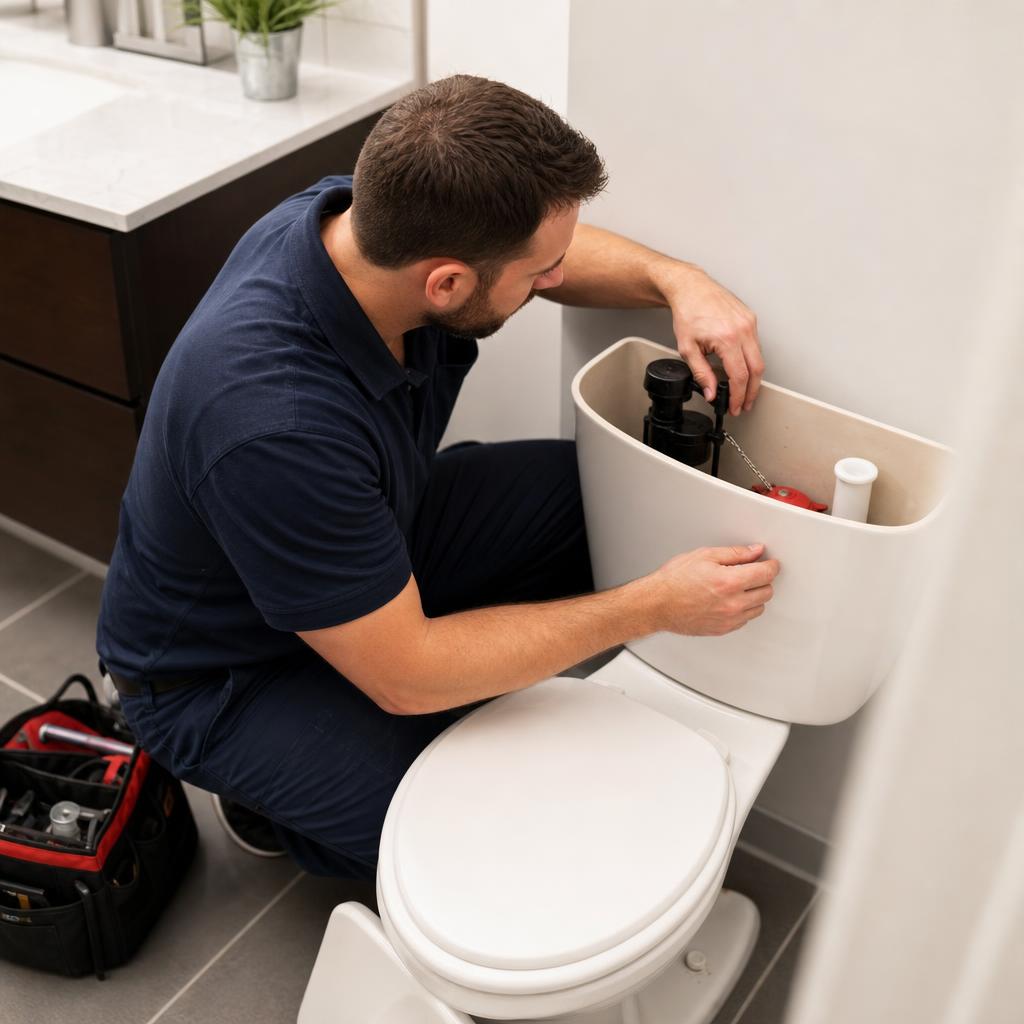
Rebuilds, wax-ring resets, flange repairs, and full replacements — the running toilets and rocking bowls in Flower Mound homes.

Jam clearing, leaking-unit swaps, and quiet 3/4 HP upgrades for Flower Mound kitchens — same-visit install.
Slab Leak in Your Flower Mound Home?
Electronic detection, honest reroute-vs-repair comparison, and no jackhammer until we know exactly where the leak is. Book now.