
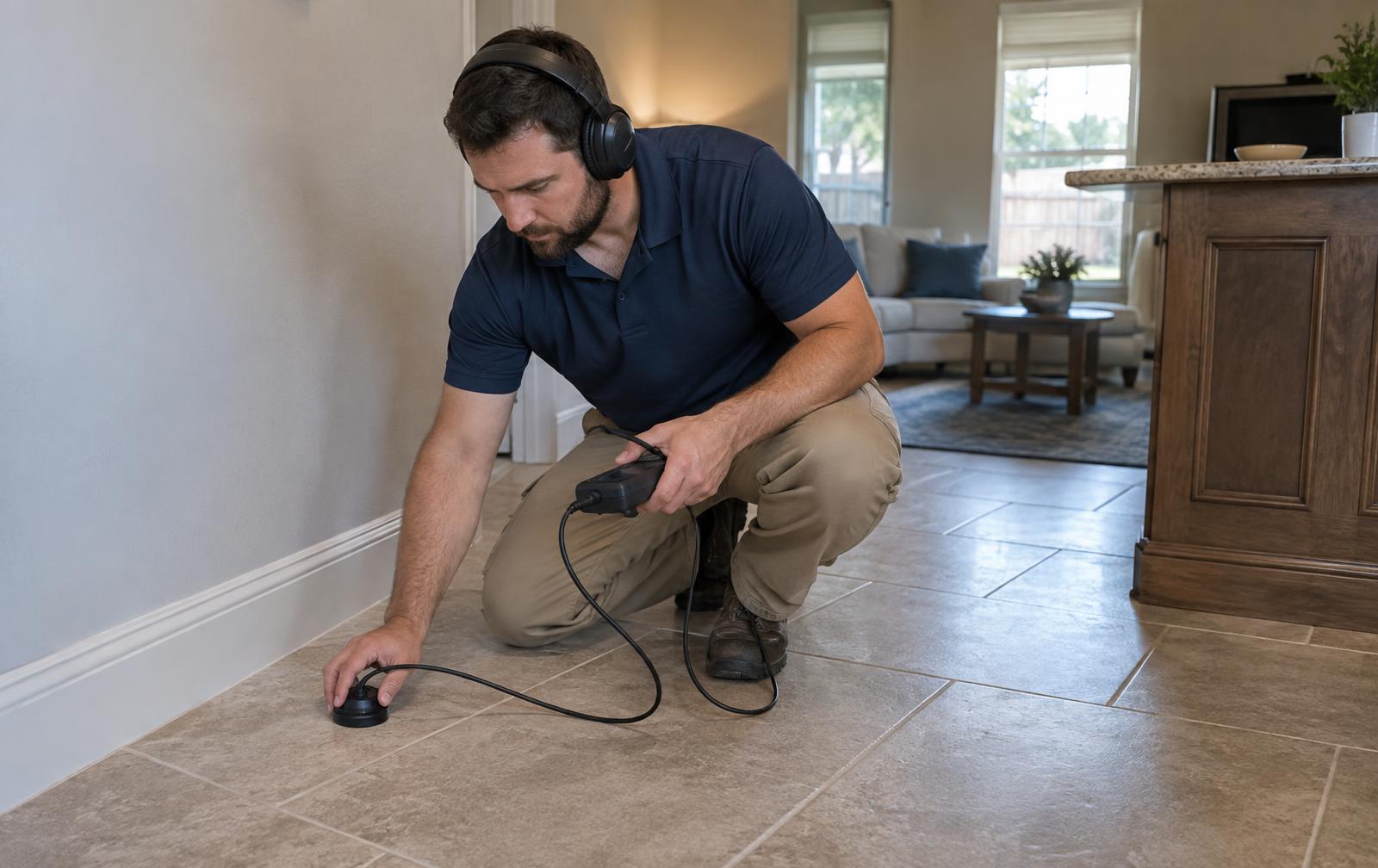
Leak Detection in Flower Mound, TX
The bill climbed and nobody added a sprinkler zone. A ceiling stain that will not dry out. The meter's low-flow dial still spinning with every tap shut. We track down hidden leaks across Flower Mound houses and townhomes with acoustic, thermal, and pressure equipment so the only thing that gets opened is the exact spot the water is coming from.
Find the Leak First, Decide the Opening Second
Once water gets loose inside a wall cavity or under a slab it can run for weeks before it ever shows itself on the surface. By the time a homeowner notices a stain or a soft spot, the framing or the fill underneath has already soaked up most of what leaked. Guessing at an opening wastes drywall, flooring, and time, so the first move is always to place the leak precisely enough that we only cut once.
Flower Mound's building pattern spreads that guesswork risk out differently than a typical single-era suburb. Custom estate homes in Wichita Creek Estates and the larger lots along Peters Colony often run supply lines a good distance from the meter to the house, so an acoustic pass has more pipe to cover before it isolates a sound. Newer construction in Canyon Falls, built mostly after 2016 on modern PEX, rarely needs a wall-cavity hunt at all \u2014 leaks there tend to show up at a fitting or an appliance connection instead of mid-run copper.
Whatever the housing type, we do not open drywall or a slab until we have a locate we would defend on a photo. That is the difference between a detection call done right and an exploratory demo where somebody starts cutting and hoping.

Signs You Have a Hidden Leak in Your Flower Mound Home
Any one of these is worth a look. Two together are worth a same-day call.
A supply leak you cannot see can still waste a large volume of water every day. If your bill from Town of Flower Mound Public Works jumped and you did not add an irrigation zone, a pool fill, or a new fixture, a hidden leak is the first thing to rule out.
Shut off every fixture in the house, wait a few minutes, and watch the meter's low-flow indicator. Any movement at all means water is going somewhere between the meter and your fixtures.
A ceiling or wall stain that keeps growing week over week is active, not old. Water usually travels along framing before it shows, so the true source often sits above or beside where the stain appears.
Moisture behind drywall smells before it is visible. When one room smells different from the rest of the house, that room is where we start listening.
A leak on the hot side heats whatever material surrounds it. Thermal imaging usually confirms a hot-side leak within a couple of minutes of setting up.
A leak large enough to feel will thin out household pressure or cut a shower short. Paired with any sign above, it points to a specific run worth pressurizing and listening to.
Acoustic, Thermal, or Tracer Gas \u2014 Matched to Your House
Every locate gets documented on a photo before anyone reaches for a saw.
- 1Confirm supply versus drain
We isolate valves in sequence and watch the meter to confirm whether this is a pressurized supply leak or a drain problem, since the fix and the tools are completely different for each.
- 2Pressurize and listen
On a supply leak we hold line pressure and walk the run with ground microphones and wall probes. A pinhole makes a distinct hiss that narrows to within a few inches.
- 3Thermal image walls and slab
A hot-side leak raises the surface temperature above it, and a thermal camera reads that difference straight through drywall or tile even when nothing is visibly wet yet.
- 4Bring in tracer gas on a stubborn locate
On the long supply runs common in Flower Mound's larger-lot neighborhoods, or when acoustic and thermal both come back ambiguous, we push inert tracer gas through the isolated line and sniff along its path until it surfaces.
- 5Hand over a written locate and quote
You get a marked photo showing the leak's location and depth, a plain description of what failed, and a written repair quote \u2014 whether we do the repair, another plumber does, or your contractor does.
Where Leaks Tend to Hide Across Flower Mound
Lot size, construction era, and shared walls all change where we start listening.
Golf-course homes here mostly date to the late 1990s on individual HOA-governed lots, so leaks tend to be isolated to one house's own supply run rather than shared plumbing \u2014 a straightforward acoustic pass usually finds it.
Custom homes on one to one and a half acre lots off Wichita Trail mean the supply line from the meter to the house can run much farther than a standard suburban lot, so we plan extra time to walk the full run with ground microphones before narrowing in.
Lots along Peters Colony Road mix decades from the 1930s through the 1980s with newer infill next door, so we ask the build year before we guess at pipe material \u2014 an older lot and a newer rebuild next to it can have completely different plumbing underneath.
New construction here, built mostly in the years after 2016, is on modern PEX rather than copper, so a suspected hidden leak is more often a loose fitting or an appliance connection than a mid-wall pinhole \u2014 a faster, less invasive locate.
This mixed-use development's newer townhome and condo units share walls between neighbors, so we add a pressure test at the unit shut-off to confirm whether a leak is behind your wall or the unit next door's before anyone opens anything.
These large-lot custom homes on two-acre-minimum parcels sit outside Town sewer service, and their private water lines can run a long distance from the street \u2014 acoustic detection over that extra distance benefits from tracer gas as a backup when the signal gets faint.
What Flower Mound Homeowners Say
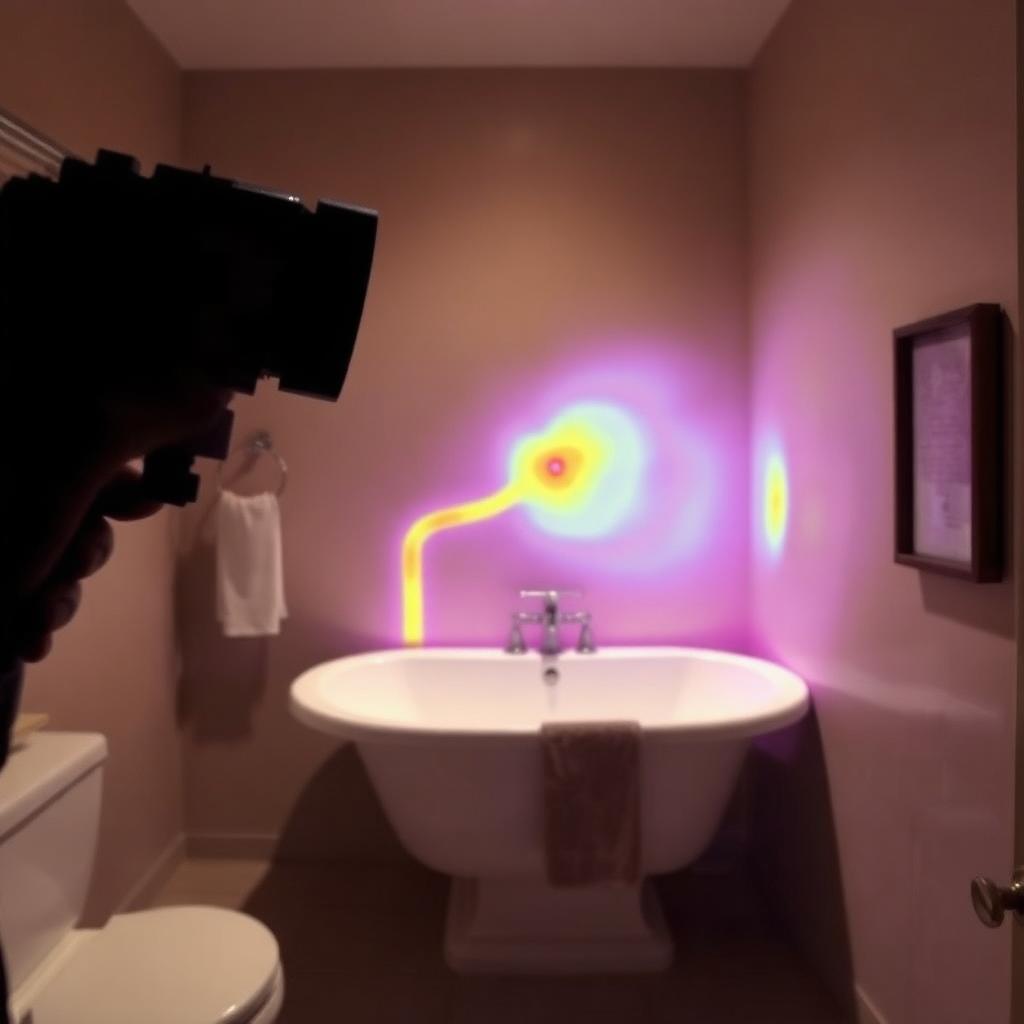
A Marked Photo Before Anyone Opens a Wall
Every leak call ends with a locate you can see for yourself \u2014 an annotated photo, a plain description of the leak type, and a written repair quote. We do not open drywall or concrete until that locate is confirmed on the photo.
We are licensed by the Texas State Board of Plumbing Examiners, insured, and family-owned, dispatching every truck from our shop in The Colony. Flower Mound addresses generally see a truck in about 20 to 30 minutes under normal traffic.
Straight Answers, No Sales Pitch
Our Other Plumbing Services in Flower Mound, TX
A hidden leak is frequently the first warning sign on an aging supply system. We handle what comes next \u2014 slab reroutes, water heater service, full re-pipes \u2014 with one local call.
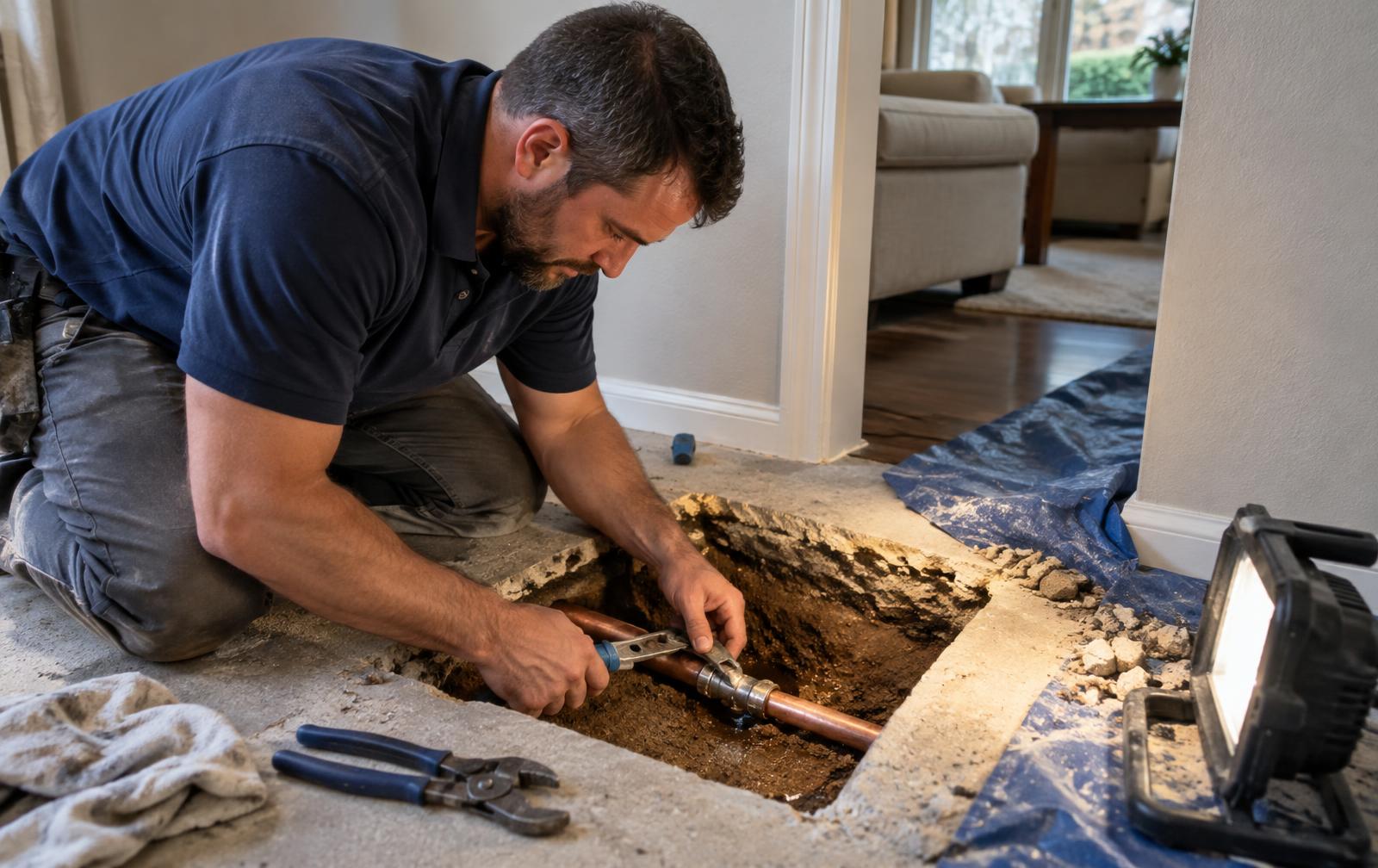
Electronic detection under Flower Mound slabs — reroute options that save your finished floors when possible.
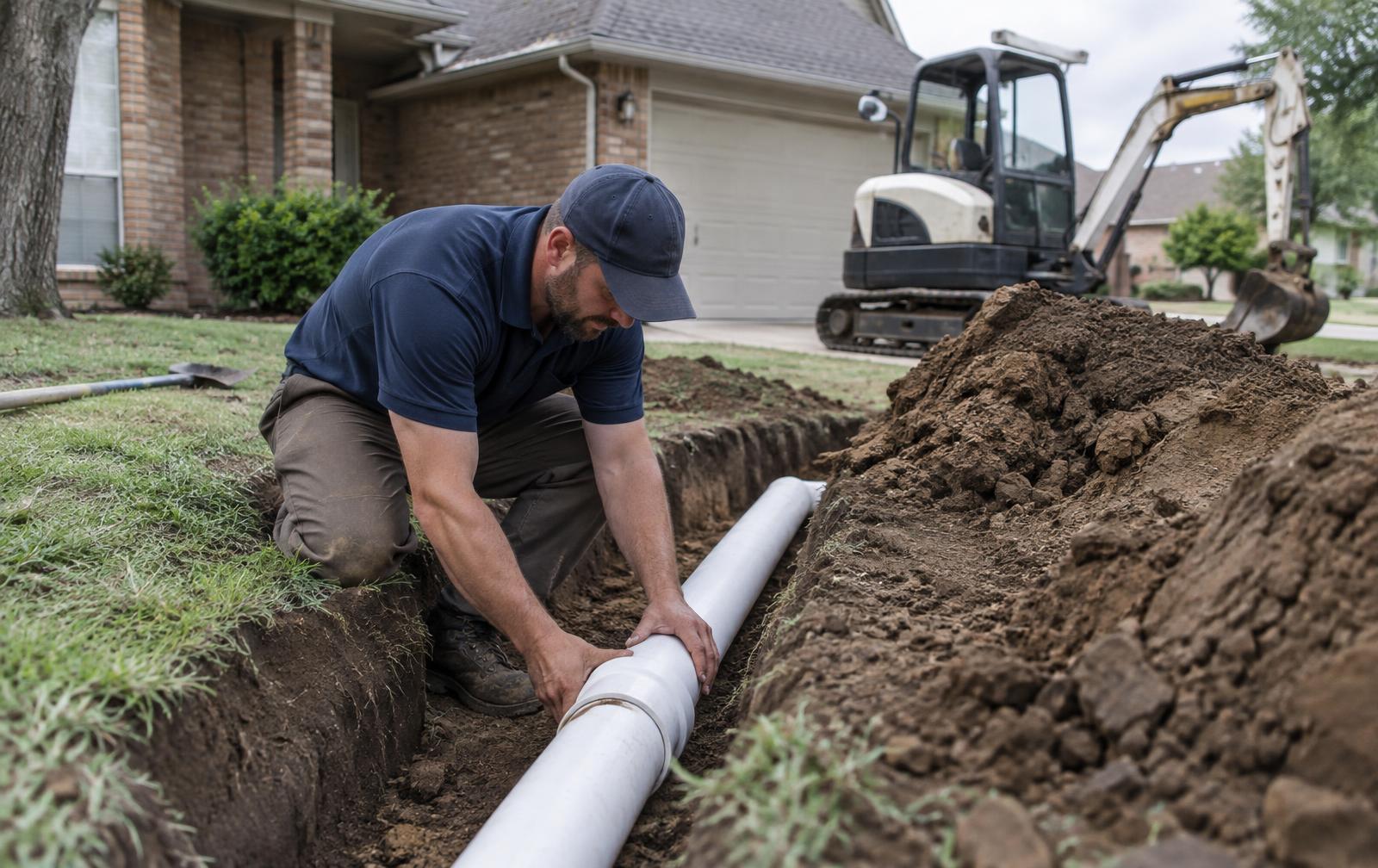
Trenchless replacement for the aging laterals across Flower Mound's older runs — camera first, quote in writing, minimal yard damage.

Licensed install, repair, and pressure-testing for Flower Mound homes — every line signed off to Texas code and Atmos requirements.

Full-clear service and camera confirmation for the drains under Flower Mound's neighborhoods.

Repair, flush, and replacement of tank units — including attic and garage heaters common to Flower Mound homes.
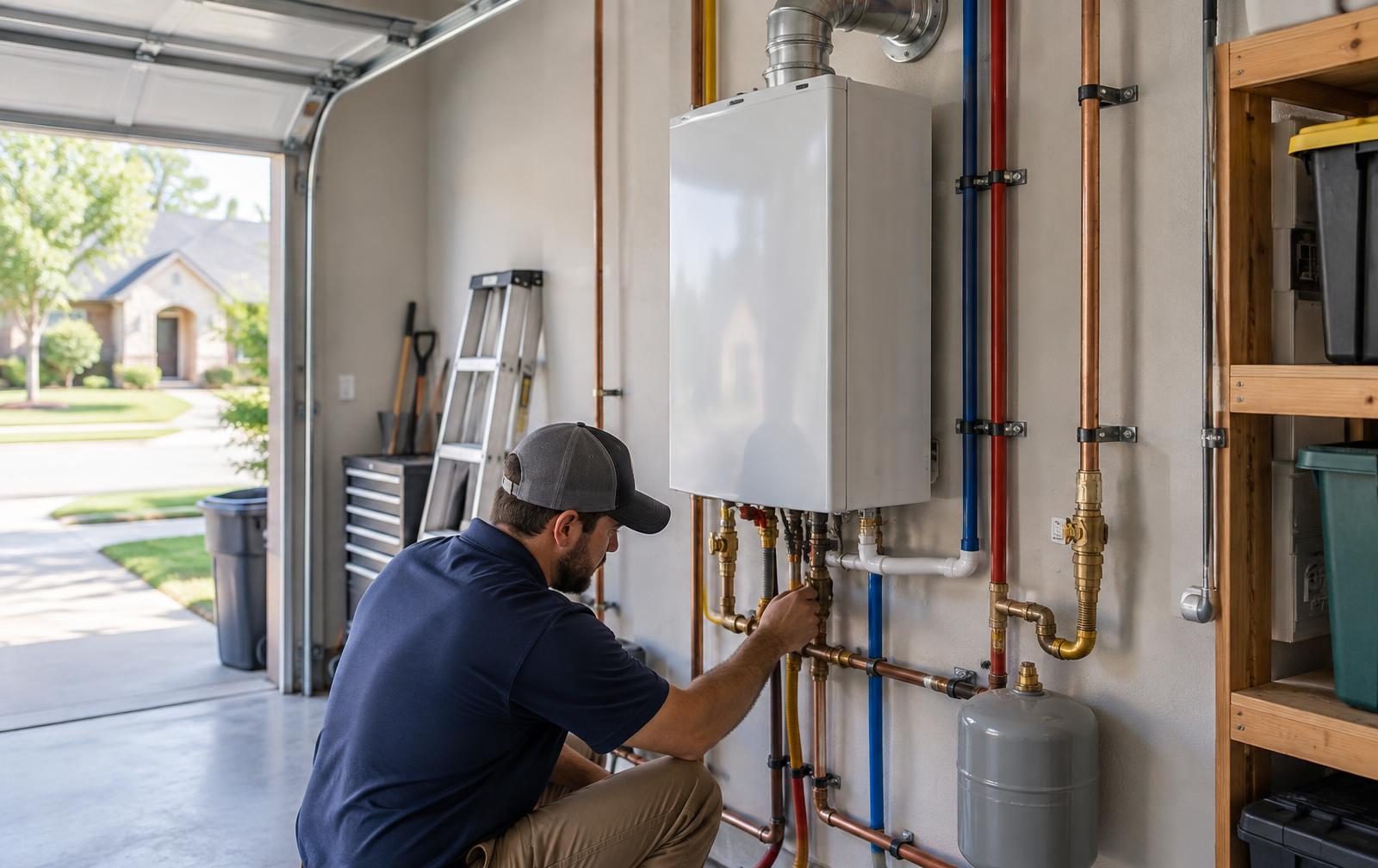
Install, service, and annual descaling — Flower Mound's hard tap water eats tankless heat exchangers without it.

same-day, 7 days a week response across Flower Mound for burst pipes, heater failures, and main-line backups.
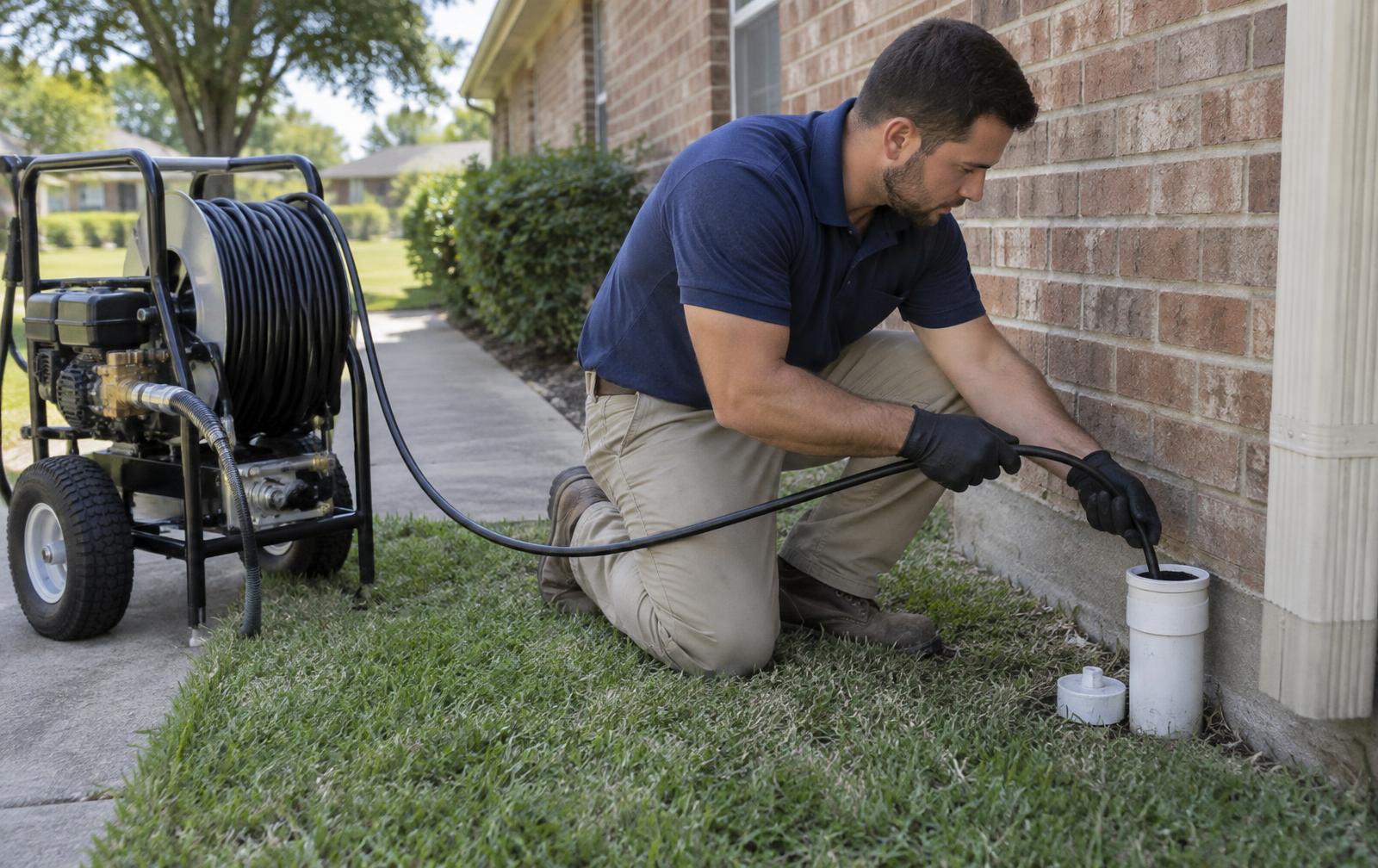
High-pressure cleaning that clears scale, grease, and roots from Flower Mound's lateral runs — full-diameter, lasting clean.
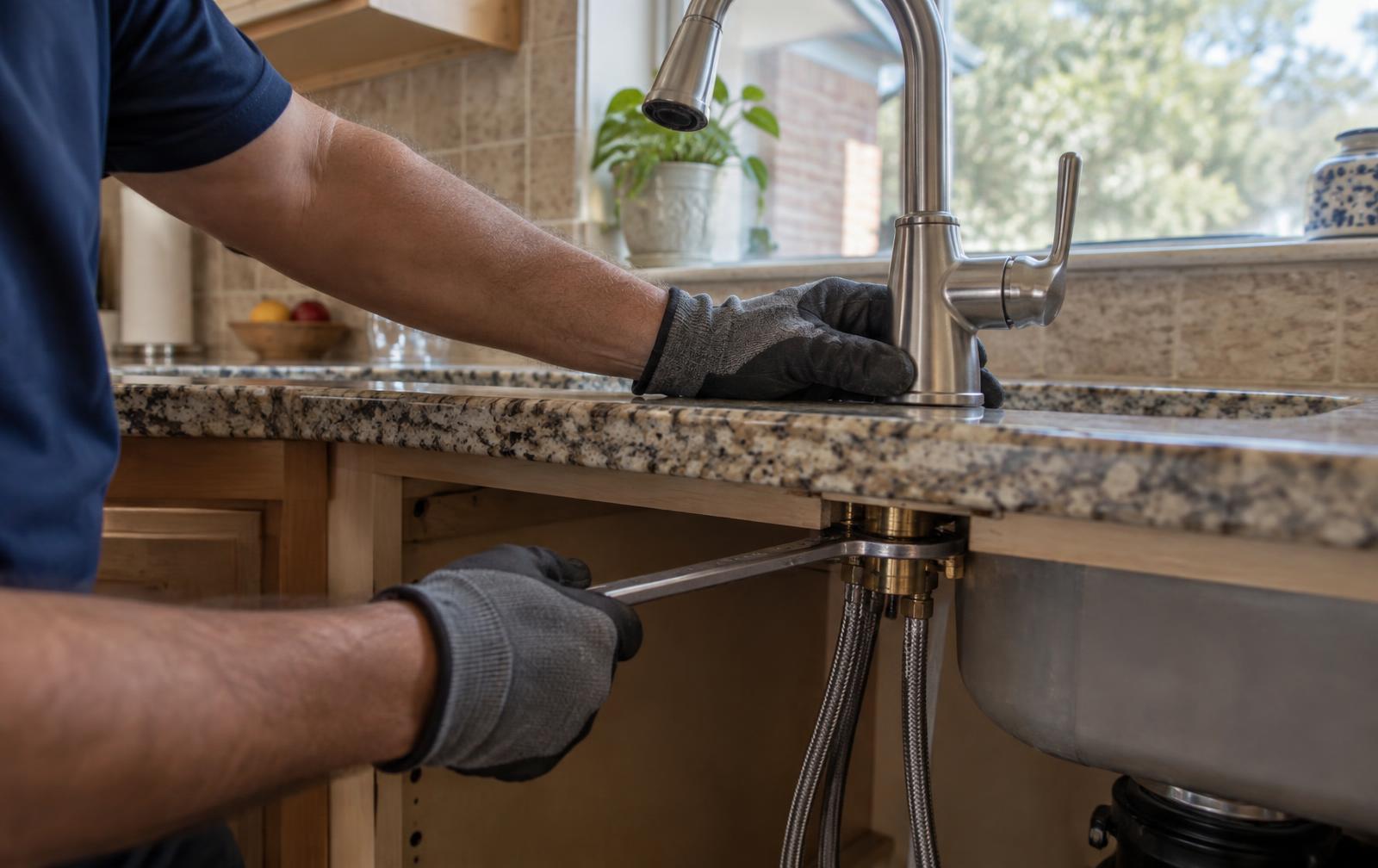
Cartridge, stem, and full-fixture replacement for Flower Mound kitchens and bathrooms — hard-water-ready parts stocked on the truck.
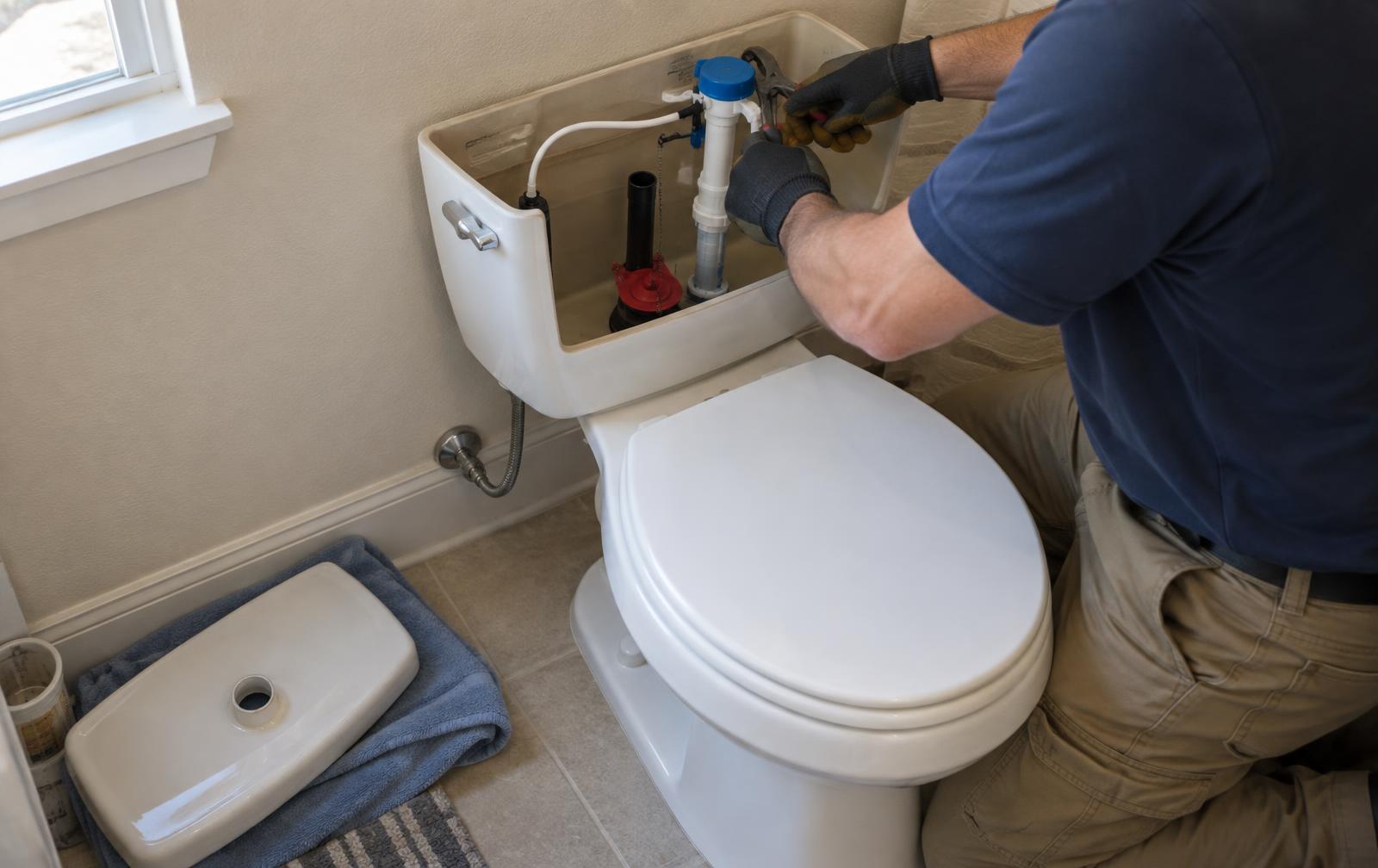
Rebuilds, wax-ring resets, flange repairs, and full replacements — the running toilets and rocking bowls in Flower Mound homes.
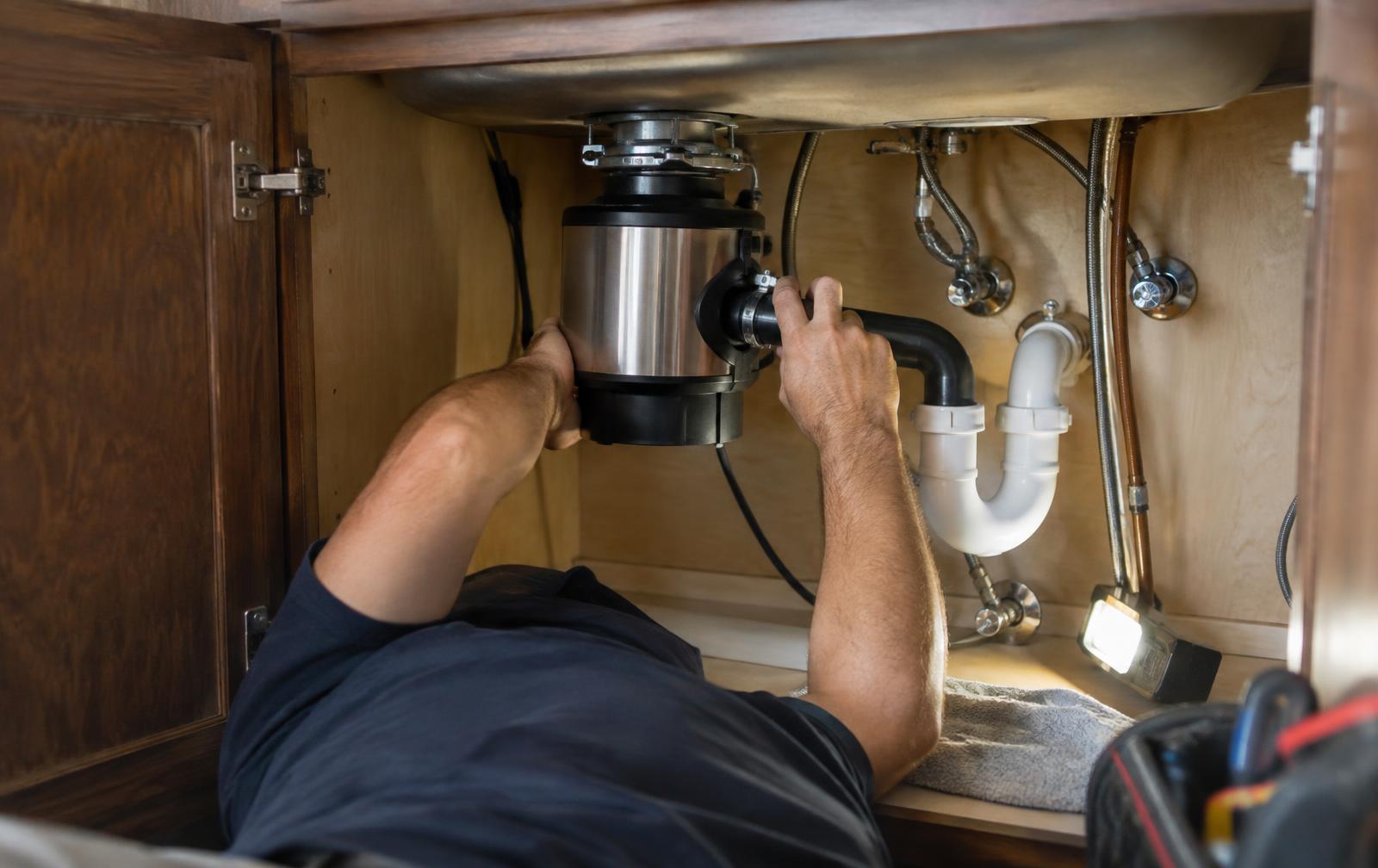
Jam clearing, leaking-unit swaps, and quiet 3/4 HP upgrades for Flower Mound kitchens — same-visit install.
Found a Sign of a Hidden Leak in Flower Mound?
Non-invasive detection, a documented locate, and an honest repair quote before anything opens. Schedule your visit today.