
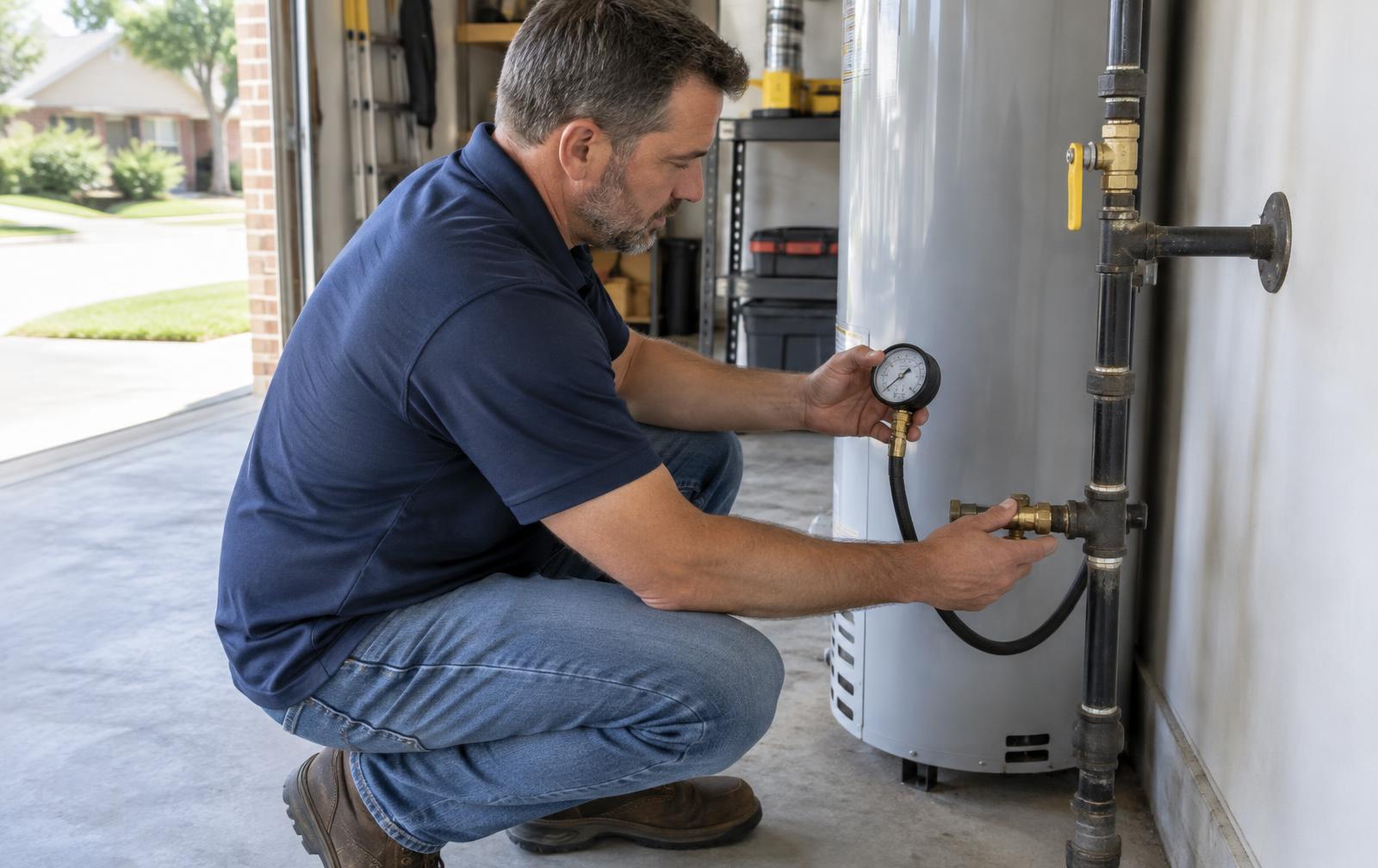
Gas Line Services in Flower Mound, TX
A faint gas odor you can't pin to one room. A new cooktop or outdoor grill waiting on its own line. A meter that's staying dark until a licensed plumber signs off on a pressure test. This is the residential gas work we run across Flower Mound — locating, running, testing, and paperwork included — built to Texas code and to what the local utility requires.
Two Utilities Serve This Town, and Both Want the Same Paper Trail
Depending on which side of Flower Mound you're on, your gas comes from Atmos Energy, which covers most of the town, or from CoServ Gas, which handles a smaller slice — and neither utility will re-energize a meter without documented proof that a licensed plumber pressure-tested the system first. A handyman who ran a line for your last range install and skipped the Town permit is a problem waiting to surface the next time a utility technician is out for routine meter work.
What we typically find behind a wall depends heavily on when the house went up. Parts of Peters Colony date back to the 1930s, and homes from that era can still be running original black-iron piping — the same soil movement that stresses foundations across this part of Texas has decades to work those joints loose. Cross over to Canyon Falls or the newer buildings at The River Walk at Central Park and it's a different system altogether: flexible CSST tubing, which holds up well per foot of run but only stays safe when it's actually bonded to ground — checking that bond is one of the first things we do on any service call there.
Leak locate, new line for a cooktop, an outdoor run to a grill or generator, or a full re-pipe because a utility flagged your system — whatever brought you here, it leaves with a Town permit, a documented pressure test, and an inspection sign-off. You get a copy of the paperwork, and so does the utility.

Signs of a Gas Line Problem in Flower Mound
Notice any of this, and the move is to cut the gas at the meter and call us — not go hunting for the source with a flashlight or, worse, an open flame.
Natural gas has no scent of its own; what you're picking up is an additive put there so leaks get noticed. Smell it indoors or near the meter and the right move is to get everyone outside, call from there, and skip the light switches and the car in the garage.
Whether it's coming from where the range connects or from a furnace's gas inlet, an audible hiss usually means gas is escaping right now. Close that appliance's valve, and shut the meter too if it doesn't stop.
A slow leak underground burns gas quietly, day after day, without anyone noticing. If your winter bill jumped sharply with no change in how the house is being heated, it's worth having the system tested.
Gas escaping from a buried line kills the grass directly above it, usually in a fairly obvious oval or strip. This can turn up on runs headed out to a pool heater or a generator pad.
One misbehaving pilot is often just that pilot. Several appliances losing their flame around the same time points to a pressure problem somewhere upstream in the supply.
If Atmos or CoServ shut the meter down and left a tag on it, don't touch the tag. Getting the gas back on legally requires a licensed pressure test and whatever repair that test turns up.
Find It, Fix It, Prove It, Get It Signed Off
Nothing leaves untested, and no install starts without a permit already in hand.
- 1Track down the leak, or plan the new run
Leak calls start with isolating the system, pressurizing it with air, and going fitting by fitting with a sniffer and a soap solution. New installs start with mapping the shortest legal route and sizing pipe to match the appliance's BTU demand.
- 2Get the permit from the Town first
Flower Mound requires a permit for new gas lines and for any repair of real size. That paperwork is on us — you shouldn't have to chase it down yourself.
- 3Build it out of what code actually requires
Black iron or properly bonded CSST indoors. Polyethylene pipe underground outside, transitioning to steel at the riser. A sediment trap at every appliance, correct shutoffs throughout, and thread sealant rated specifically for gas.
- 4Pressure-test before anything gets connected
The finished system has to hold air pressure for the full code-required duration — you're welcome to watch the gauge yourself. If it drops at all, we track down the bad fitting before a single appliance goes live.
- 5Handle the inspection and the utility side
We book the Town inspection ourselves, meet the inspector on site, and if the meter got shut off along the way, we coordinate with Atmos or CoServ to get it back on. The signed inspection card and the test results are yours to keep.
What Turns Up on Flower Mound Gas Systems, Area by Area
How old a section of town is tells us roughly what we'll find before the truck's even parked.
Development here started in 1996 and the gas piping is CSST almost everywhere — what we actually run into is bonding that was skipped, or a fitting from a prior appliance swap that wasn't done to spec.
These 1990s custom homes sit on one to one-and-a-half acre lots, and the gas runs often stretch further to reach detached structures or pool equipment — more distance means more joints worth checking during a leak locate.
Lots here span the 1930s through much later infill, so we find original black-iron systems in the oldest houses and modern CSST in the rebuilt ones — either way, a full pressure test is standard rather than assumed.
Ground broke here in 2016 and the median home was finished around 2018, so the CSST throughout is recent — new-appliance hookups are more typical here than repairs to aging pipe.
This mixed-use development's newer townhomes and condos run current CSST with easy access points, so gas visits here tend to be new connections rather than troubleshooting an old system.
Outside Town sewer service and set on two-acre-minimum lots, several properties here run gas out to detached shops, generators, or outdoor kitchens — longer underground runs that need the same permit and pressure test as any line closer to the house.
What Flower Mound Homeowners Say

Every Line Gets Signed Off, No Exceptions
Every gas job wraps up with the pulled permit, the pressure test results, and the Town's inspection sign-off in hand. If Atmos or CoServ had the meter shut down, we coordinate getting it re-lit before we leave the property, which leaves you with a paper trail that holds up at a home sale, with an insurer, or on any future service call.
We hold our license through the Texas State Board of Plumbing Examiners with a Medical Gas Piping Installer endorsement, carry insurance, and operate as a family-owned shop out of The Colony. A confirmed active leak gets same-day attention.
What People Ask Before Gas Work
Our Other Plumbing Services in Flower Mound, TX
Gas work often pairs naturally with a water heater install or a tankless conversion, and we can knock both out on the same trip — one call covers Flower Mound.
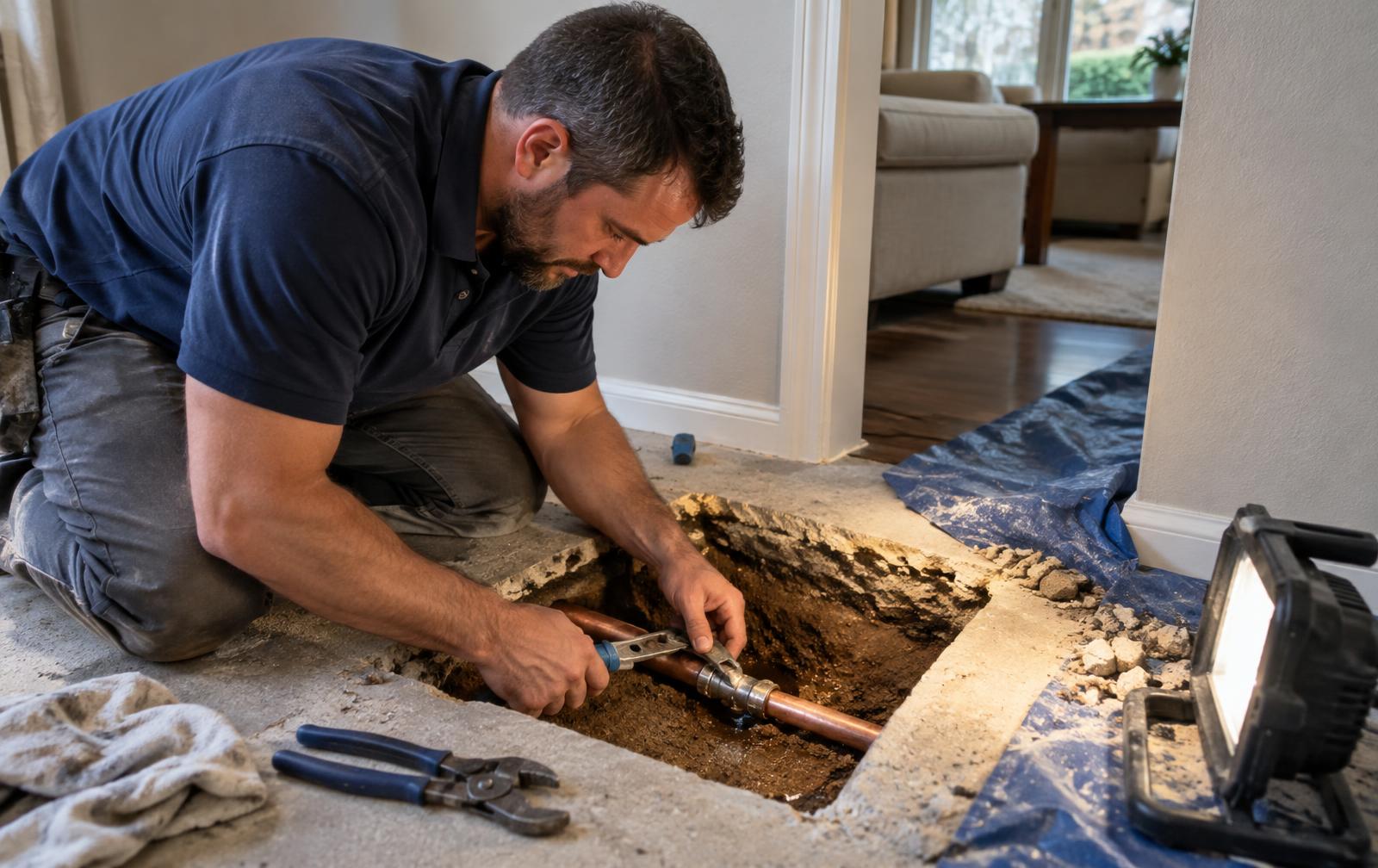
Electronic detection under Flower Mound slabs — reroute options that save your finished floors when possible.
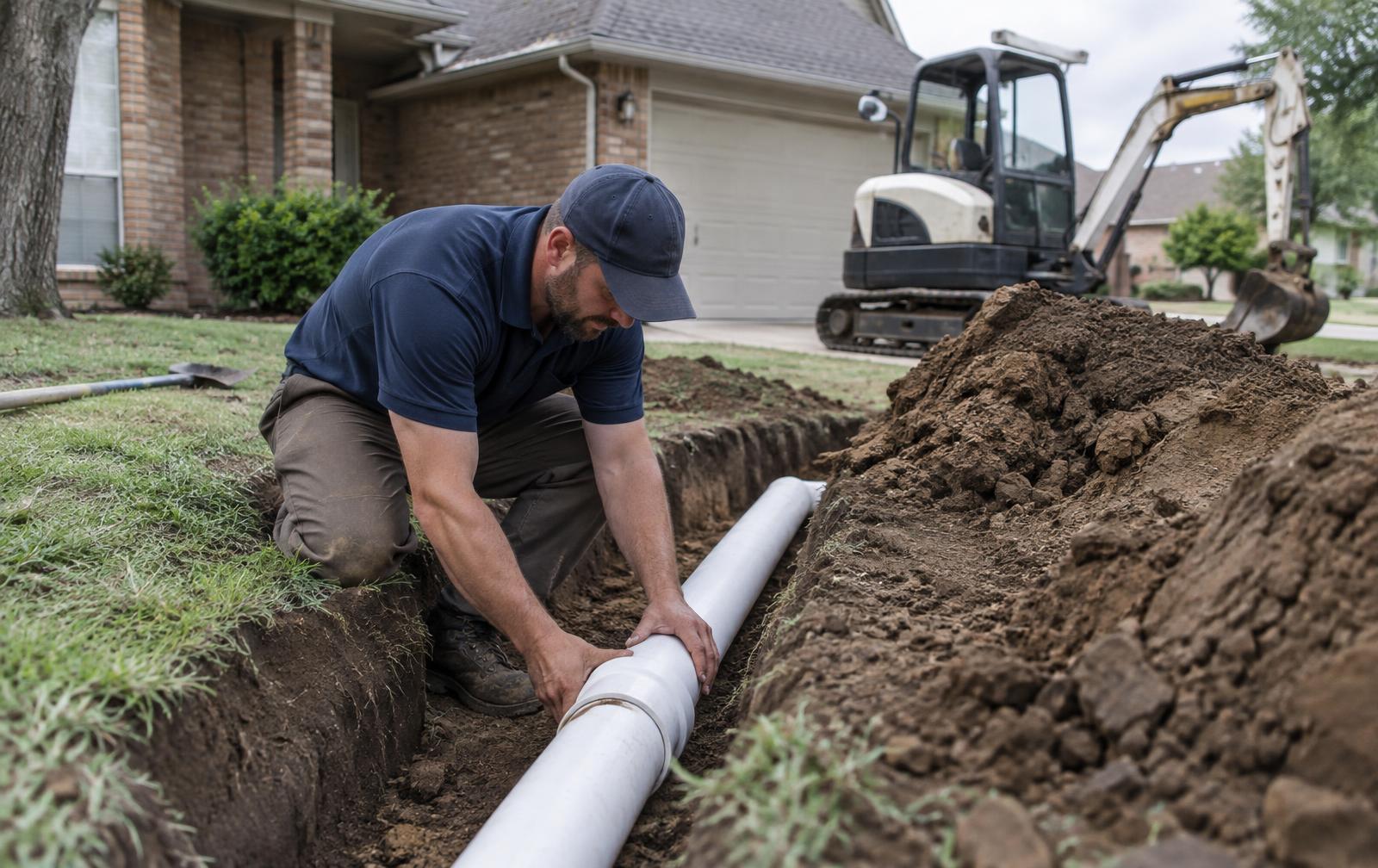
Trenchless replacement for the aging laterals across Flower Mound's older runs — camera first, quote in writing, minimal yard damage.
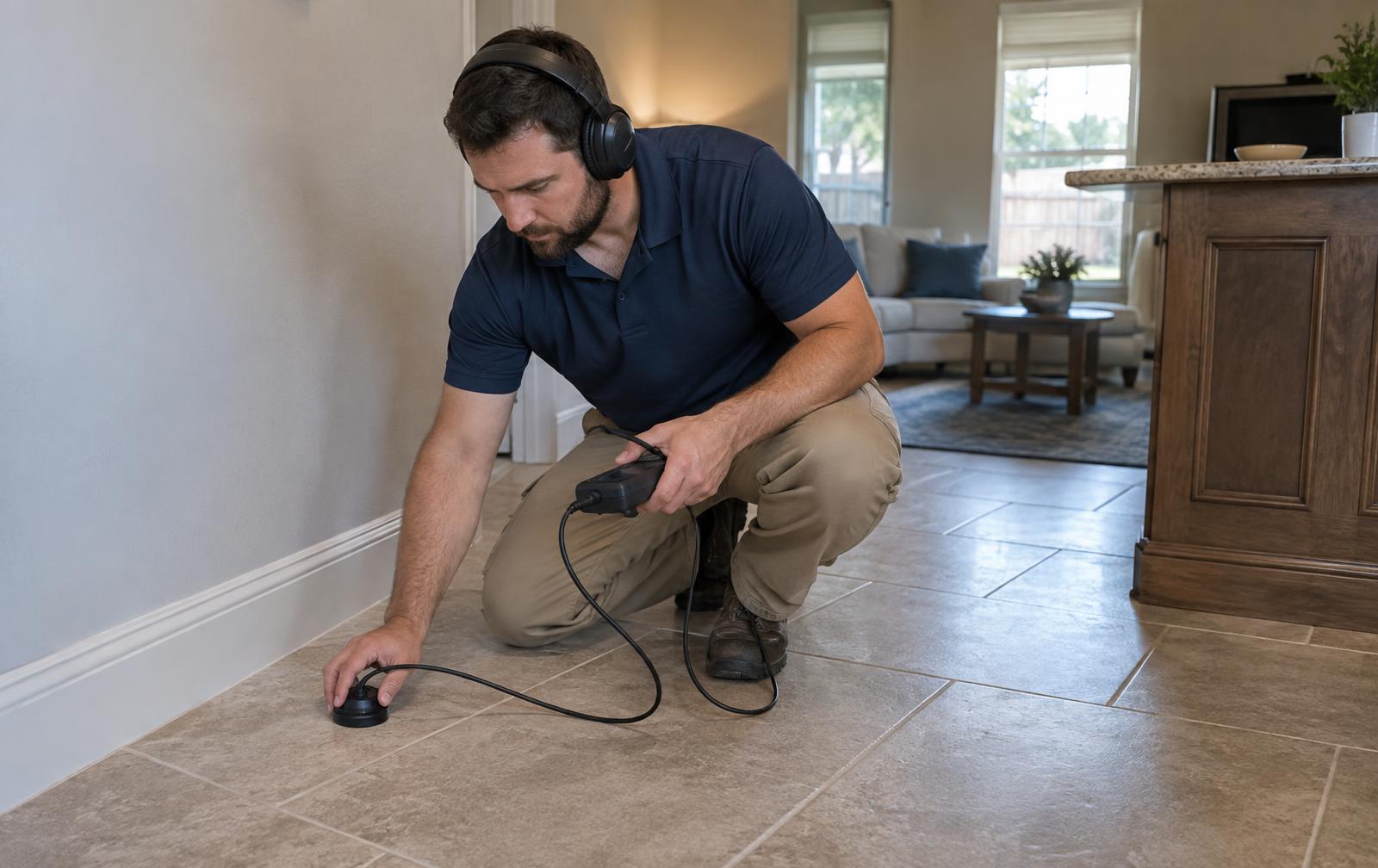
Acoustic, thermal, and pressure testing to pinpoint hidden leaks in Flower Mound slab and wall lines without tearing into finishes.
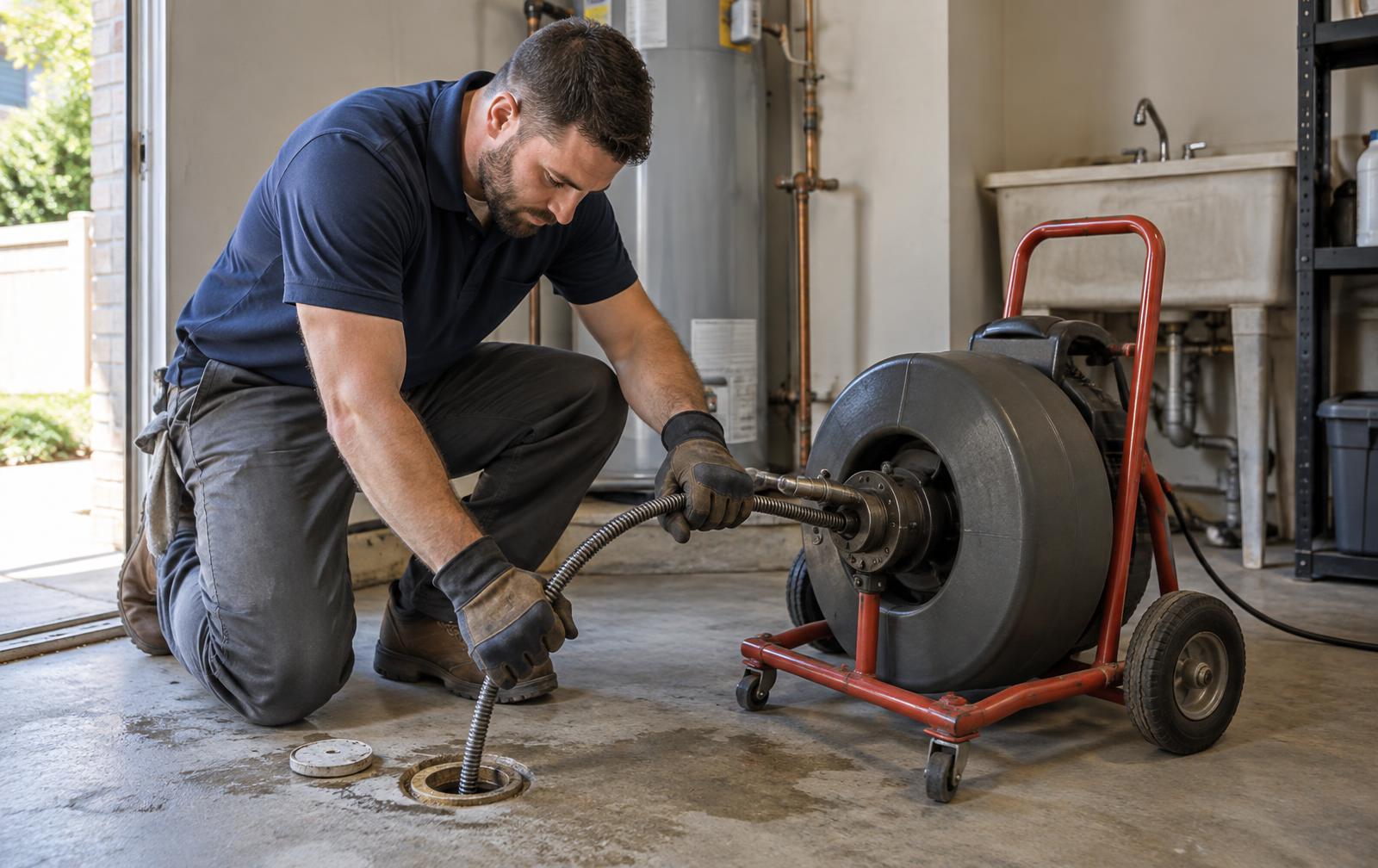
Full-clear service and camera confirmation for the drains under Flower Mound's neighborhoods.
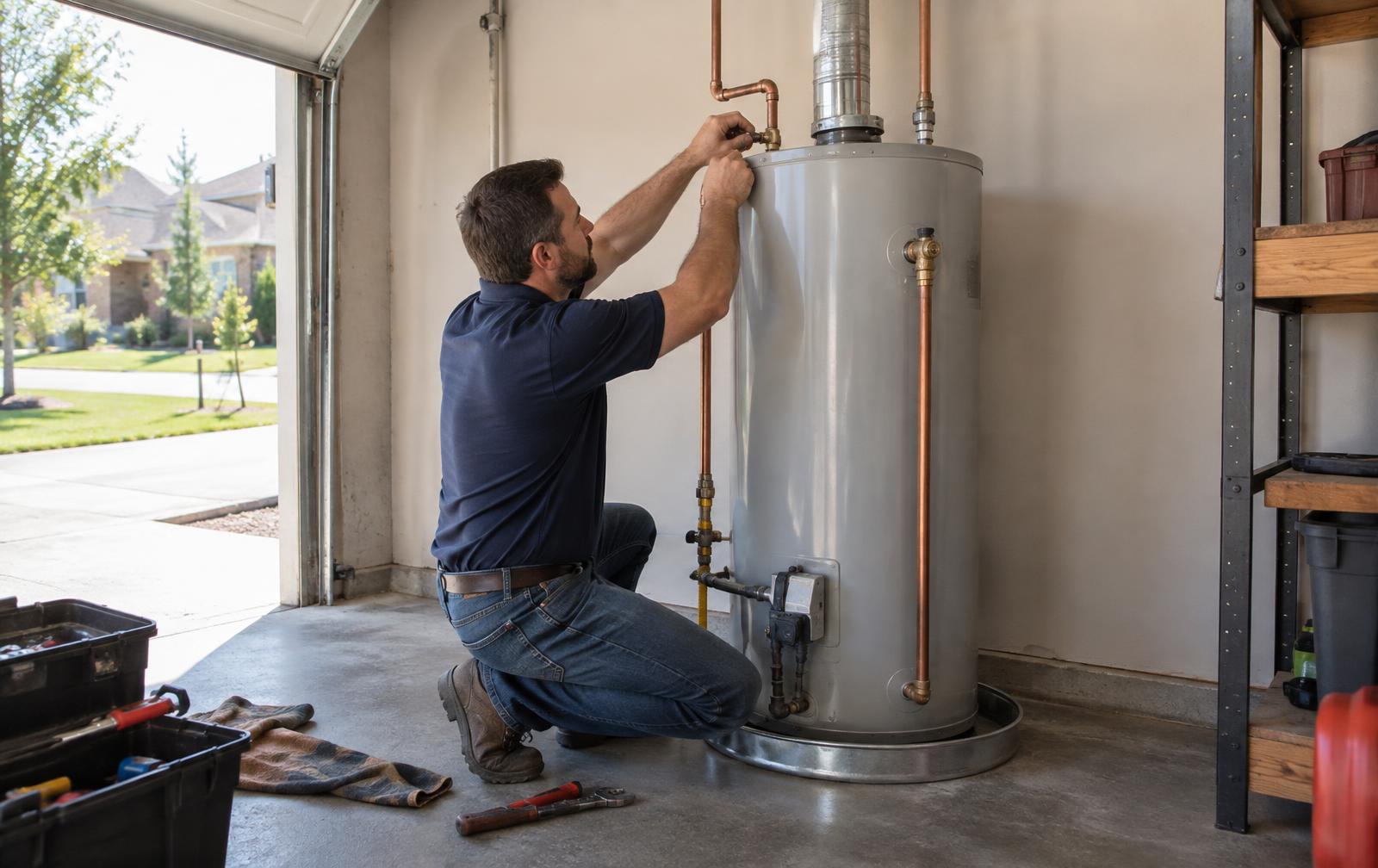
Repair, flush, and replacement of tank units — including attic and garage heaters common to Flower Mound homes.
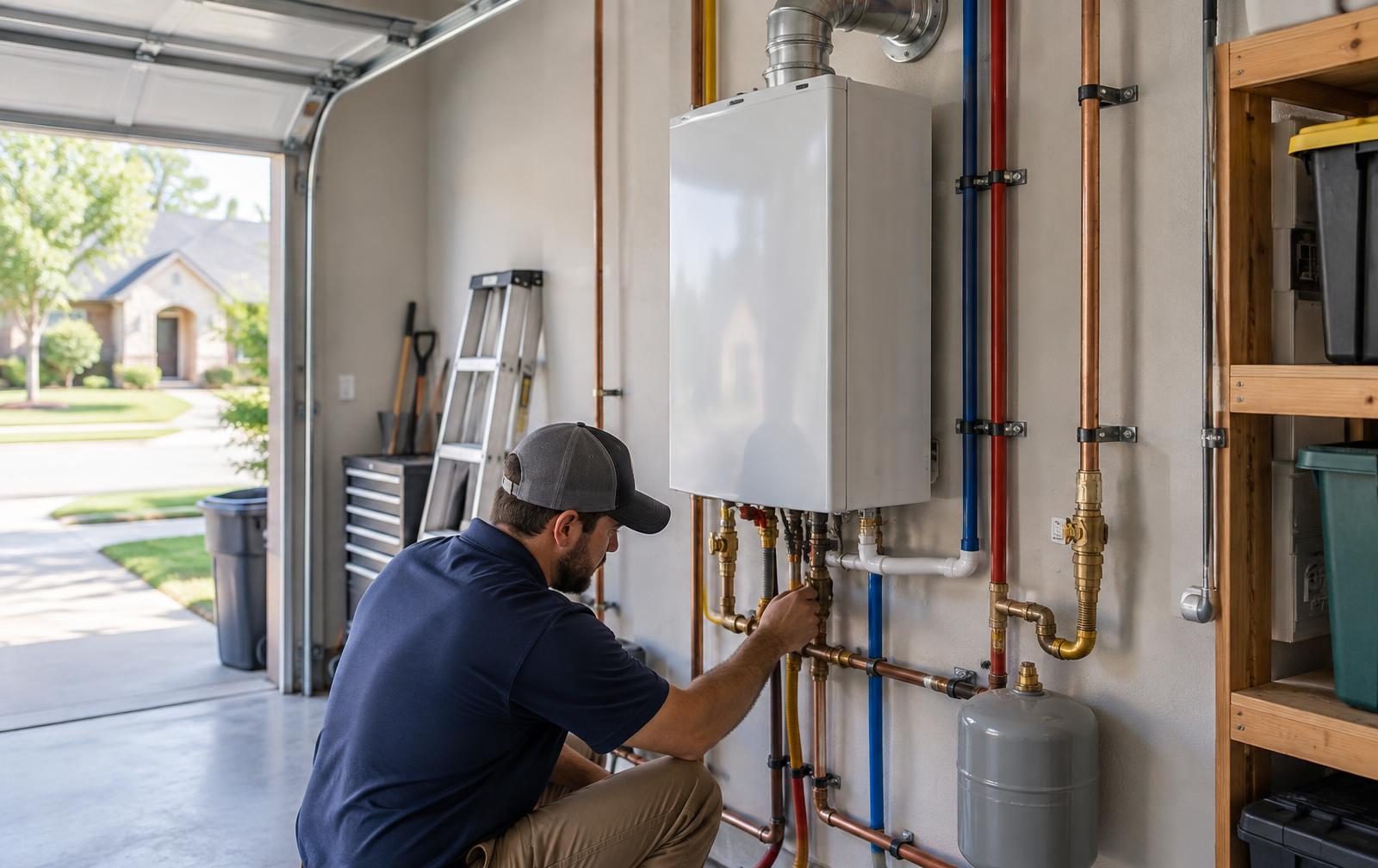
Install, service, and annual descaling — Flower Mound's hard tap water eats tankless heat exchangers without it.
same-day, 7 days a week response across Flower Mound for burst pipes, heater failures, and main-line backups.
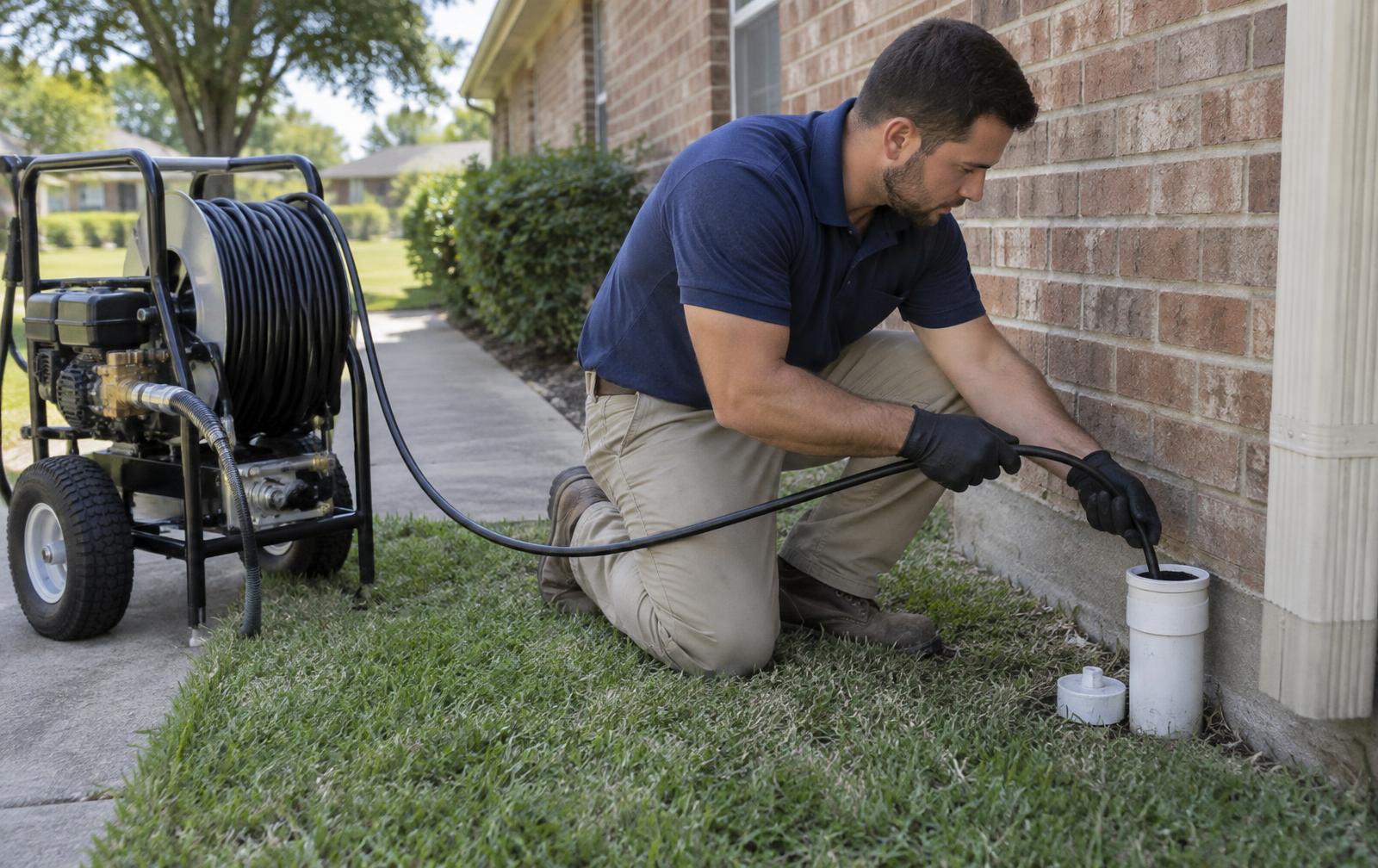
High-pressure cleaning that clears scale, grease, and roots from Flower Mound's lateral runs — full-diameter, lasting clean.
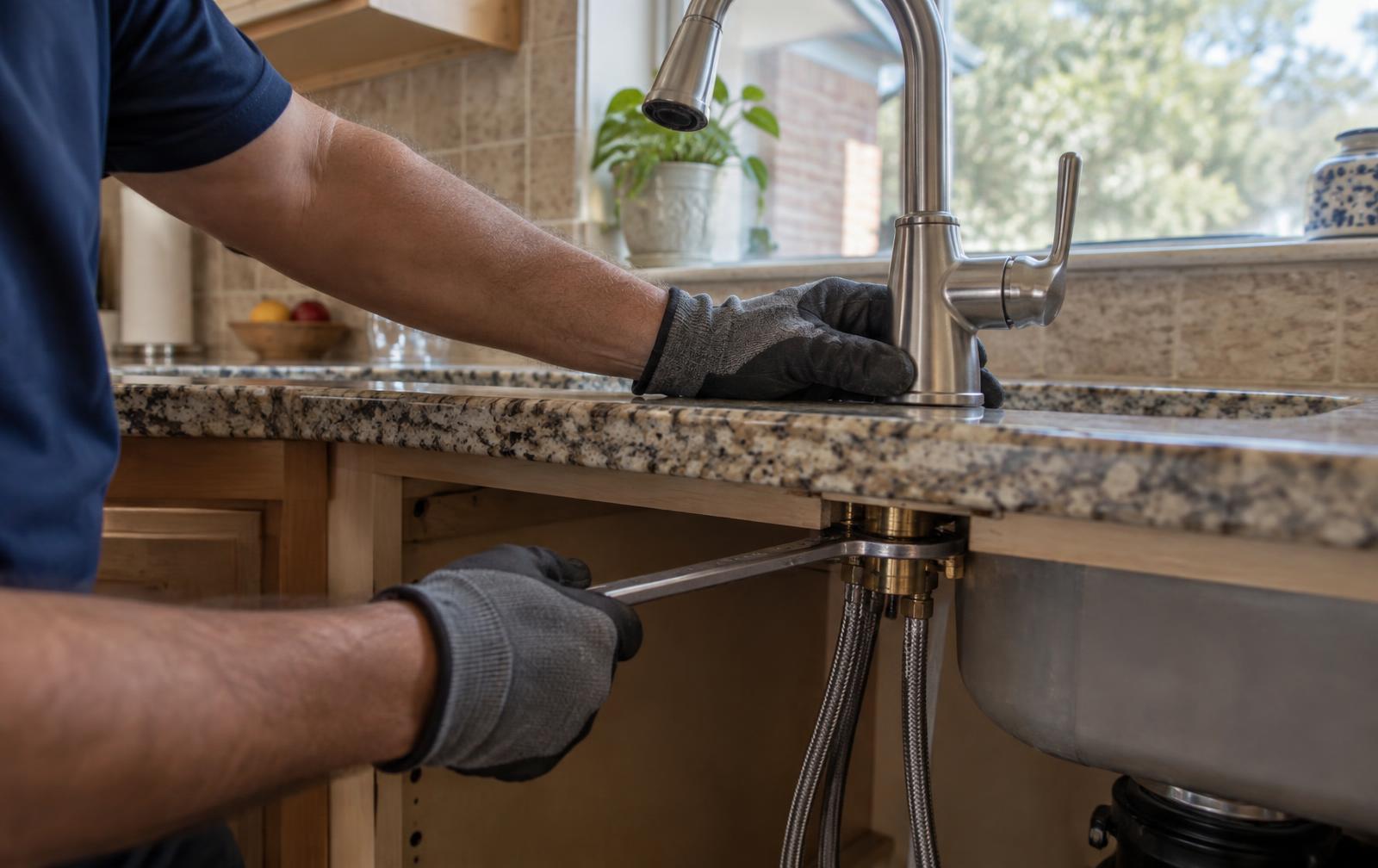
Cartridge, stem, and full-fixture replacement for Flower Mound kitchens and bathrooms — hard-water-ready parts stocked on the truck.
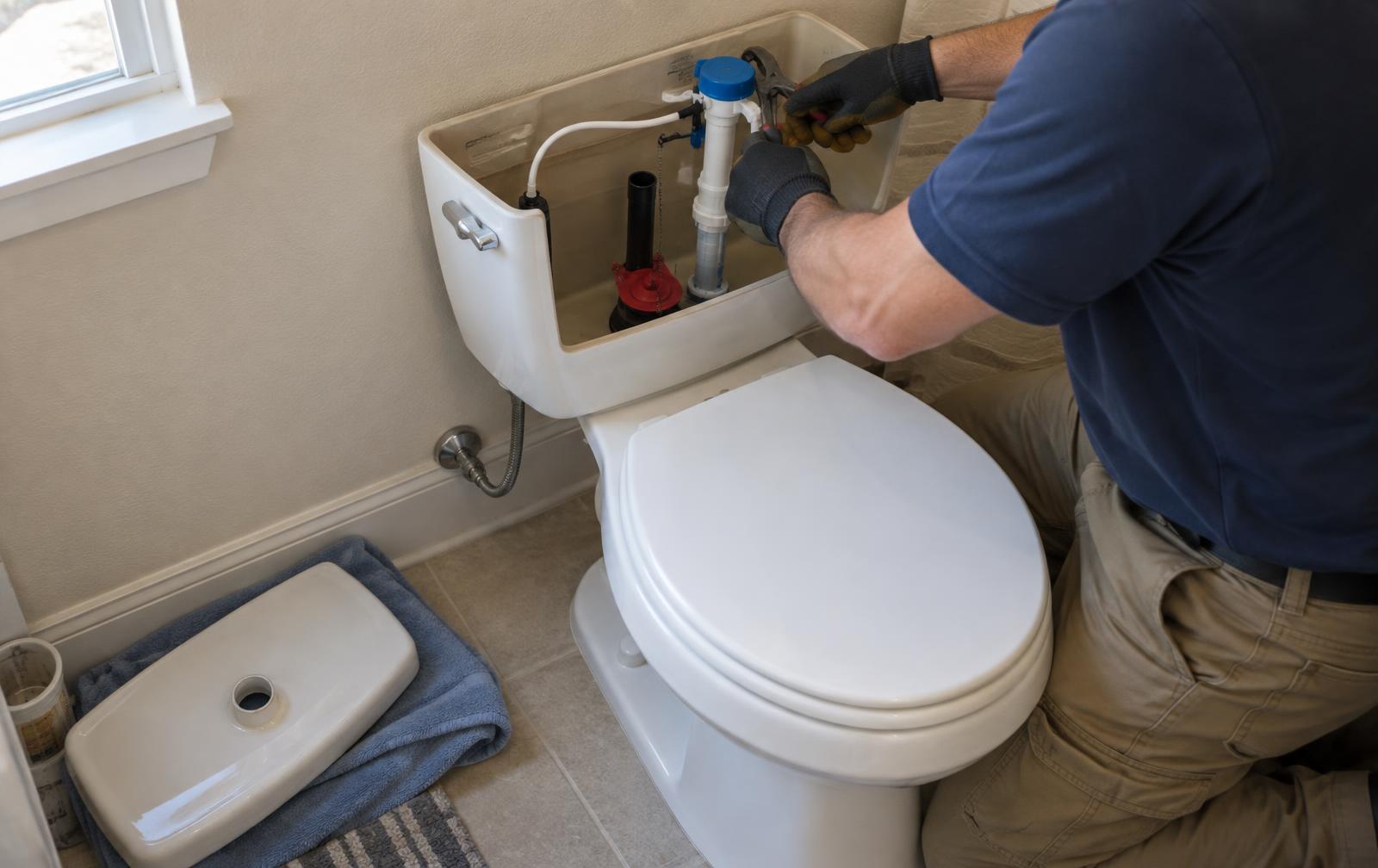
Rebuilds, wax-ring resets, flange repairs, and full replacements — the running toilets and rocking bowls in Flower Mound homes.
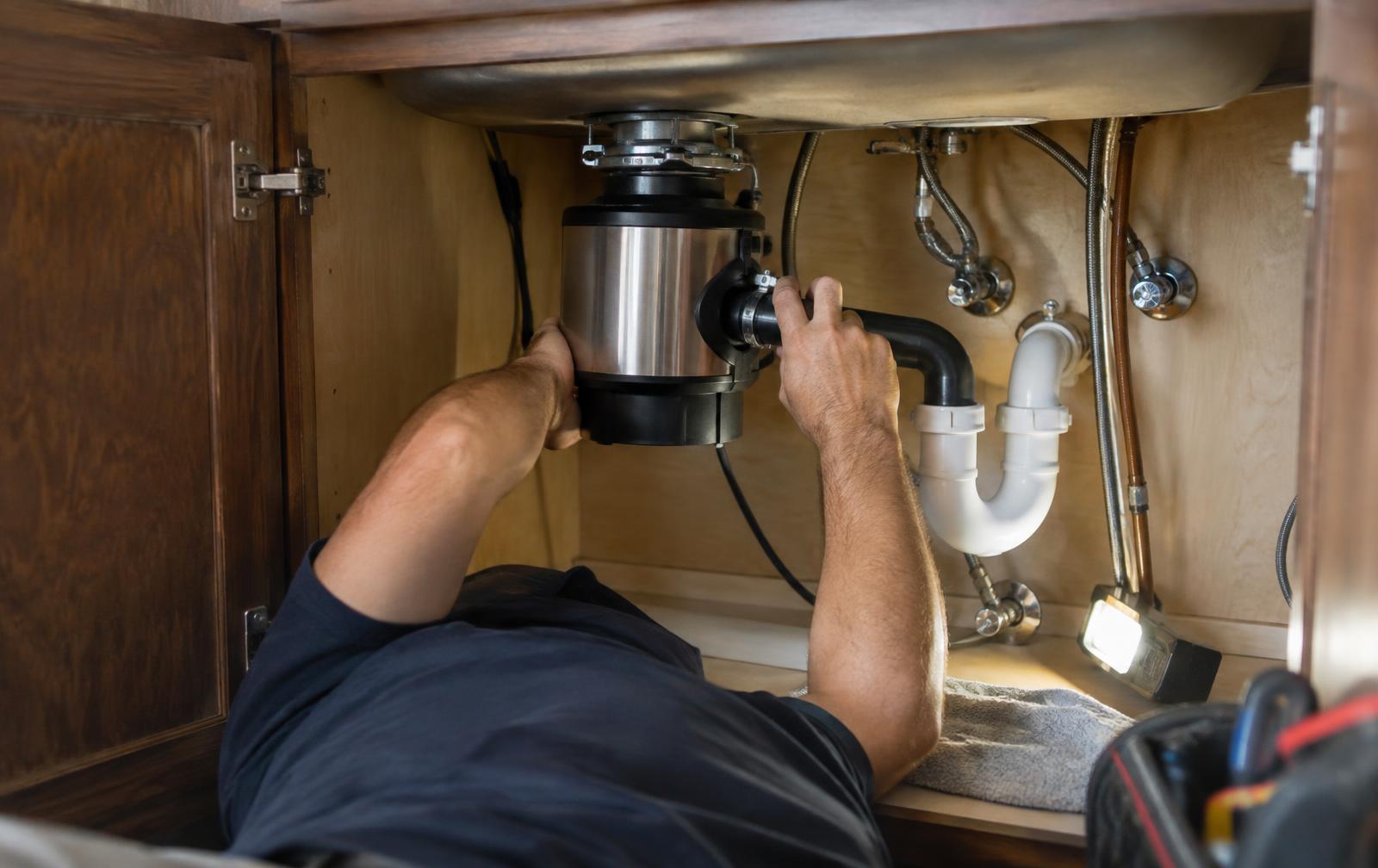
Jam clearing, leaking-unit swaps, and quiet 3/4 HP upgrades for Flower Mound kitchens — same-visit install.
Need Gas Line Work Done in Flower Mound?
Licensed, permitted, pressure-tested, and signed off before we leave. Book a leak locate or get a quote on a new run.