
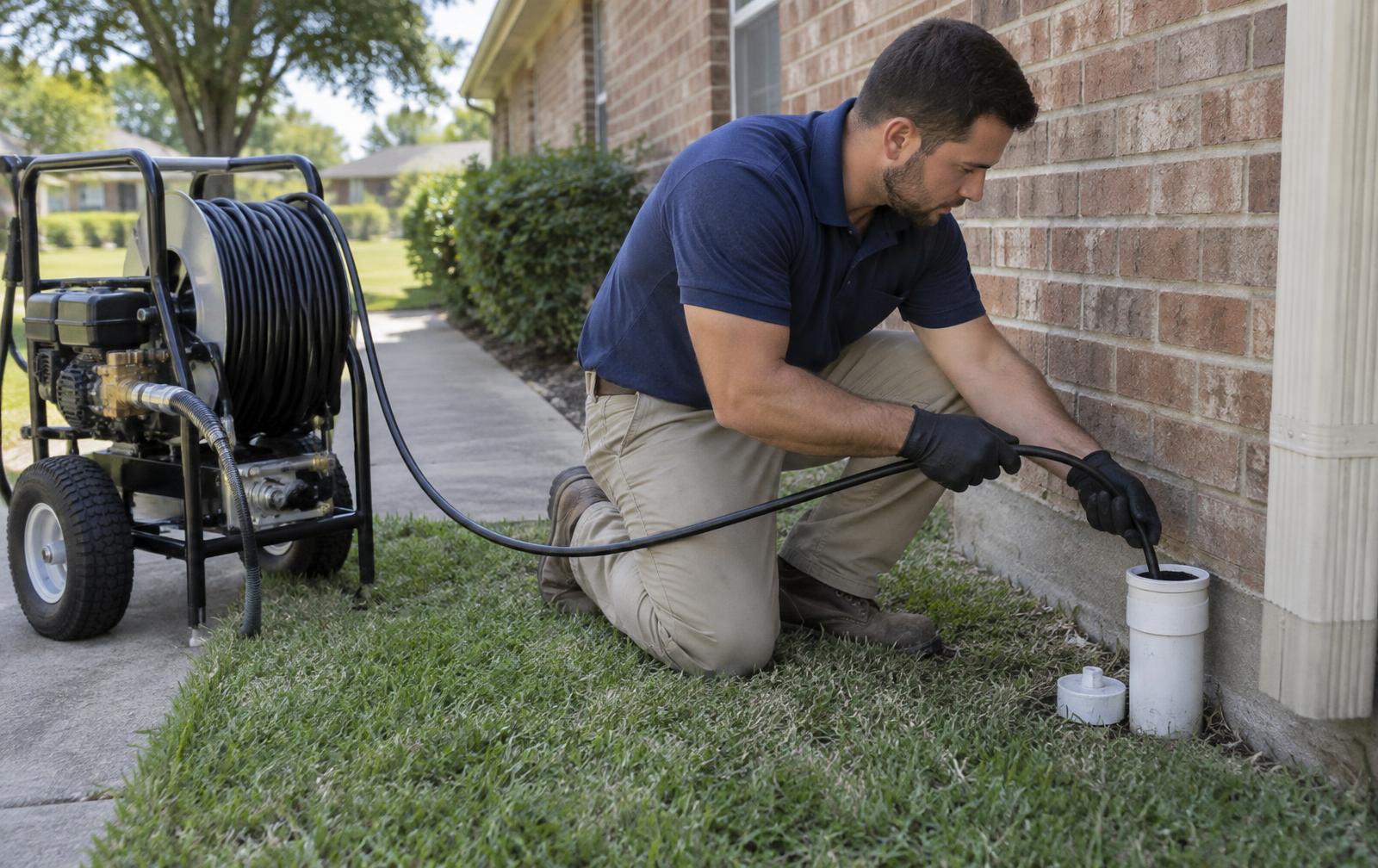
Hydro Jetting in Flower Mound, TX
Cable cleaning that used to hold for months and now barely lasts a few weeks. A camera pass that shows buildup coating the entire pipe wall. This is the point where jetting takes over from cabling — a high-pressure clean that scours the pipe back to bare material instead of just punching a hole through whatever's blocking it.
Cabling Opens a Path. Jetting Cleans the Whole Pipe.
Running a cable through a clogged line gets water moving again by cutting a channel through the softest part of the blockage — it doesn't touch whatever's still stuck to the pipe wall around that channel. Within weeks, grease or scale narrows the opening right back down and the same call comes in again. A hydro jetter works differently: water at roughly 3,500 to 4,000 PSI, pushed through a nozzle that fires backward as it's pulled toward the cleanout, scrubbing the wall clean the entire way out.
That distinction matters more in some parts of Flower Mound than others. Peters Colony has property dating back to the 1930s mixed with newer infill, and the older lines out there are frequently cast iron that's scaled down over decades — a pipe rated at four inches inside can effectively shrink to half that once enough mineral coating builds up. A cable barely dents that; a jetter takes the coating off and gets the line back to its real diameter.
We jet the older cast iron in Peters Colony, root-choked laterals on the larger lots around Wichita Creek Estates where a cable alone can't fully clear without risking the pipe, and shared trunk lines feeding the townhomes at The River Walk at Central Park where recurring grease has built up over years. Every job gets a camera pass before and after, so you're looking at the actual result, not taking our word for it.

When Hydro Jetting Is the Right Call in Flower Mound
Cabling handles plenty of clogs on its own. These situations call for the full-wall clean instead.
If cabling the same drain three or four times a year has become routine, the pipe wall itself is coated with something a cable can't touch. Jetting is what actually resolves it.
A healthy pipe wall looks smooth on camera. A rough, textured coating throughout means scale or grease buildup that jetting scours back down to bare pipe.
A cable cutter chops through root masses but leaves fine hair-like roots behind to regrow within months. Jetting flushes those root fragments out and slows the regrowth substantially.
Water moves, just sluggishly, and a cable pass doesn't change that. That usually means the effective diameter has shrunk from wall coating rather than an actual blockage — jetting restores it.
Kitchens that see a lot of home cooking build grease coating faster than most systems can handle on their own. Jetting every twelve to eighteen months as maintenance costs far less than an emergency backup later.
Older cast iron in Flower Mound benefits from a periodic jet even without an active complaint — it restores diameter and pushes back the eventual need for replacement.
Right Nozzle, Right Pressure, Camera on Both Ends
Jetting isn't a single setting — the nozzle and pressure have to match the pipe material and whatever's actually built up inside it.
- 1Scope the line before touching anything
A camera pass up front tells us whether we're dealing with scale, grease, roots, or all three — and lets us catch a pipe that's actually broken, since jetting a cracked line just blows debris out through the crack instead of clearing it.
- 2Match the nozzle to what's in the pipe
A chisel tip for scale, a chain flail ahead of it for heavy roots, a penetrator nozzle for solid grease, a wall-scouring head for cast iron. Pressure gets adjusted for pipe material — full strength for cast iron, scaled back for older clay to avoid disturbing the joints.
- 3Work the hose from the far end back toward the cleanout
We feed the hose past the blockage first, then jet on the way back out. The rear-firing nozzle pulls itself forward through debris and scrubs the wall clean on the return pass, so nothing gets pushed further downstream and stuck there.
- 4Make another pass if the first one isn't enough
Heavy scale or a bad root problem sometimes needs two or three passes with progressively larger nozzles. That's built into the price — no surprise add-on if the pipe needs more attention than expected.
- 5Camera it again to confirm the result
A post-jet camera pass shows the pipe clean from wall to wall, and we'll put the before-and-after footage side by side so you can see the difference yourself. If something structural turns up under the scale we cleaned off, we quote that repair honestly — jetting alone can't fix a pipe that's actually broken.
Where Jetting Makes the Biggest Difference in Flower Mound
What's actually inside the pipe depends heavily on when the neighborhood was built.
Built from 1996 onward with mostly PVC drains, this community sees less scale buildup than older parts of town — preventive jetting here is more about clearing accumulation at branch tie-ins before an individual home backs up.
These 1990s custom homes on one to one-and-a-half acre lots have longer lateral runs to the city tap, giving roots more length of pipe to work into over the decades — jetting combined with root cutting handles it better than cabling alone.
Some lots here date to the 1930s, and the cast iron still in service on those older properties tends to carry decades of scale — the camera difference before and after can be dramatic there, since scale has had decades to build up.
Construction started in 2016 with a median completion year around 2018, so the PVC drains here haven't had time to build up meaningful scale — jetting is rarely needed except for an isolated grease or debris situation.
The shared trunk lines feeding this mixed-use development's townhomes and condos see grease from multiple households at once, and preventive jetting of the shared main keeps individual units from backing up first.
These two-acre-minimum lots sit outside Town sewer service, so plumbing here typically runs to a private septic system rather than a municipal jetting candidate — a different conversation from the rest of Flower Mound.
What Flower Mound Homeowners Say

You Watch the Before. You Watch the After.
Every hydro jetting job includes camera footage of both the before and the after, so you have a record of what actually changed. If the pre-jet scope shows a broken section of pipe, we stop and tell you rather than jetting it — blasting a cracked line just forces debris out through the break and makes the problem worse. Every quote is written before the machine ever starts.
We're licensed through the Texas State Board of Plumbing Examiners, insured, and family-owned, running the full trailer-mounted jetter that a lot of residential competitors around Flower Mound simply don't carry. Repeat backups get same-day attention.
What People Ask Before a Jetting Job
Our Other Plumbing Services in Flower Mound, TX
Jetting often serves as the middle option between cabling and a full pipe replacement. If the camera shows the line itself has failed, we handle that replacement locally as well.
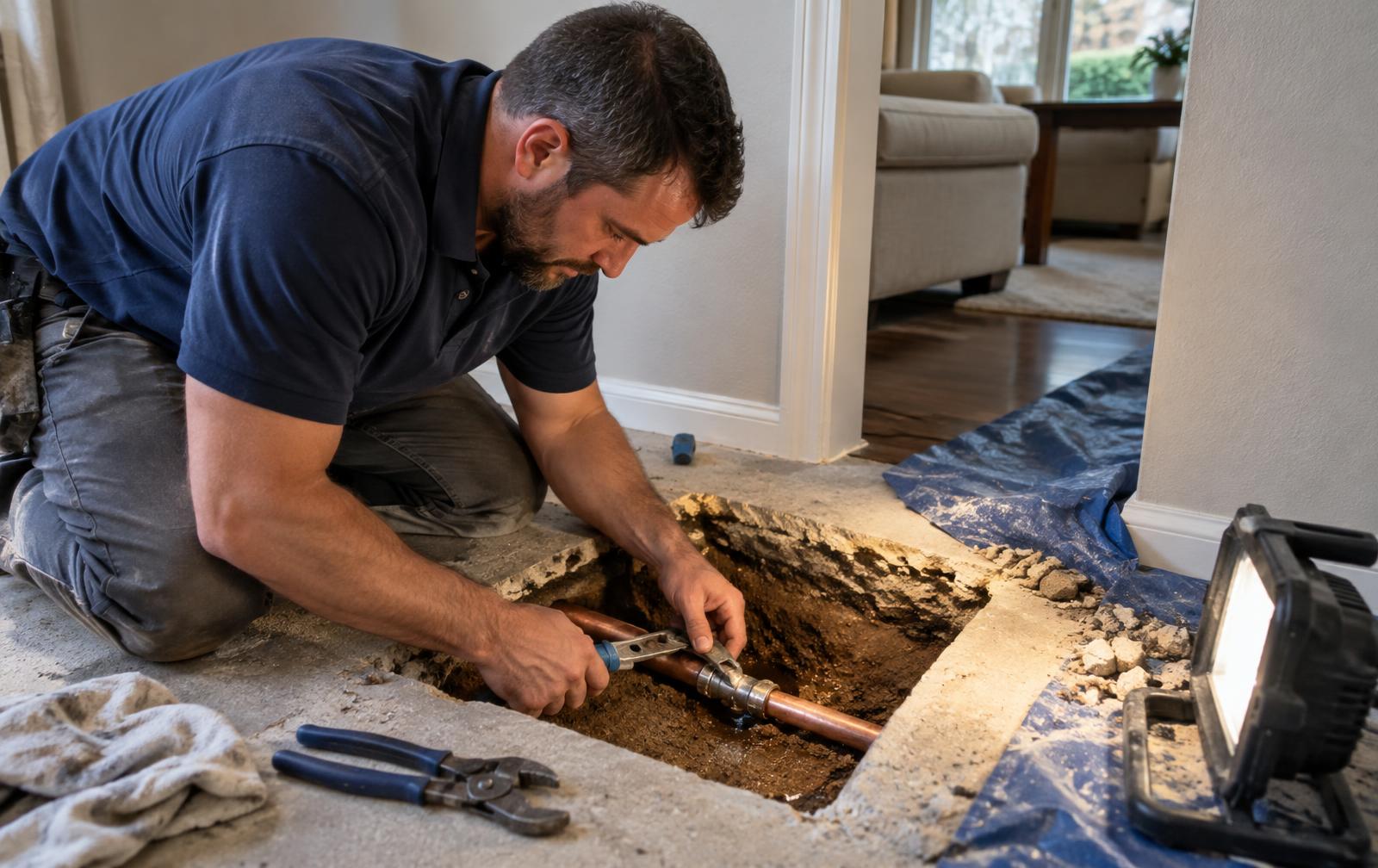
Electronic detection under Flower Mound slabs — reroute options that save your finished floors when possible.
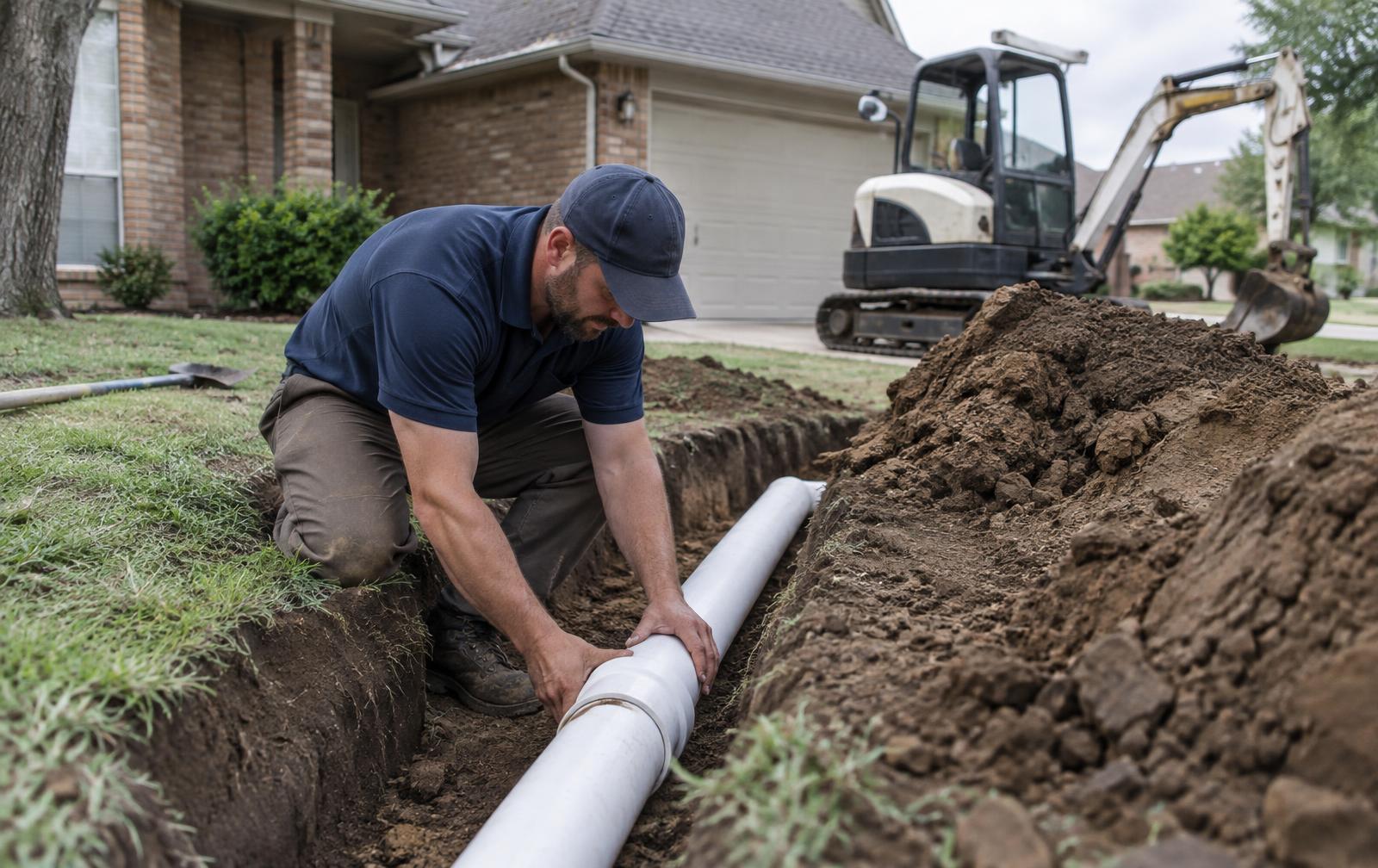
Trenchless replacement for the aging laterals across Flower Mound's older runs — camera first, quote in writing, minimal yard damage.
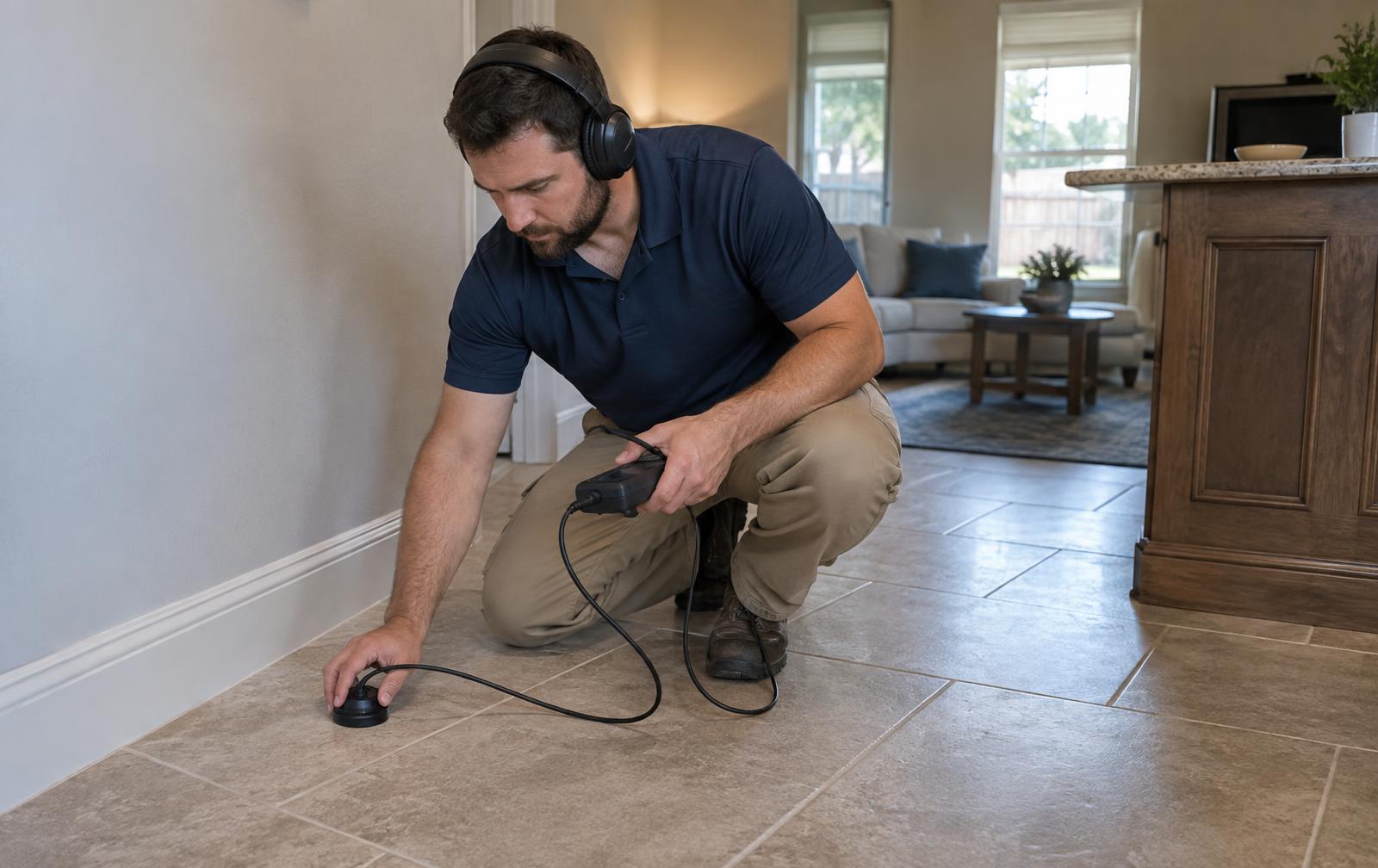
Acoustic, thermal, and pressure testing to pinpoint hidden leaks in Flower Mound slab and wall lines without tearing into finishes.
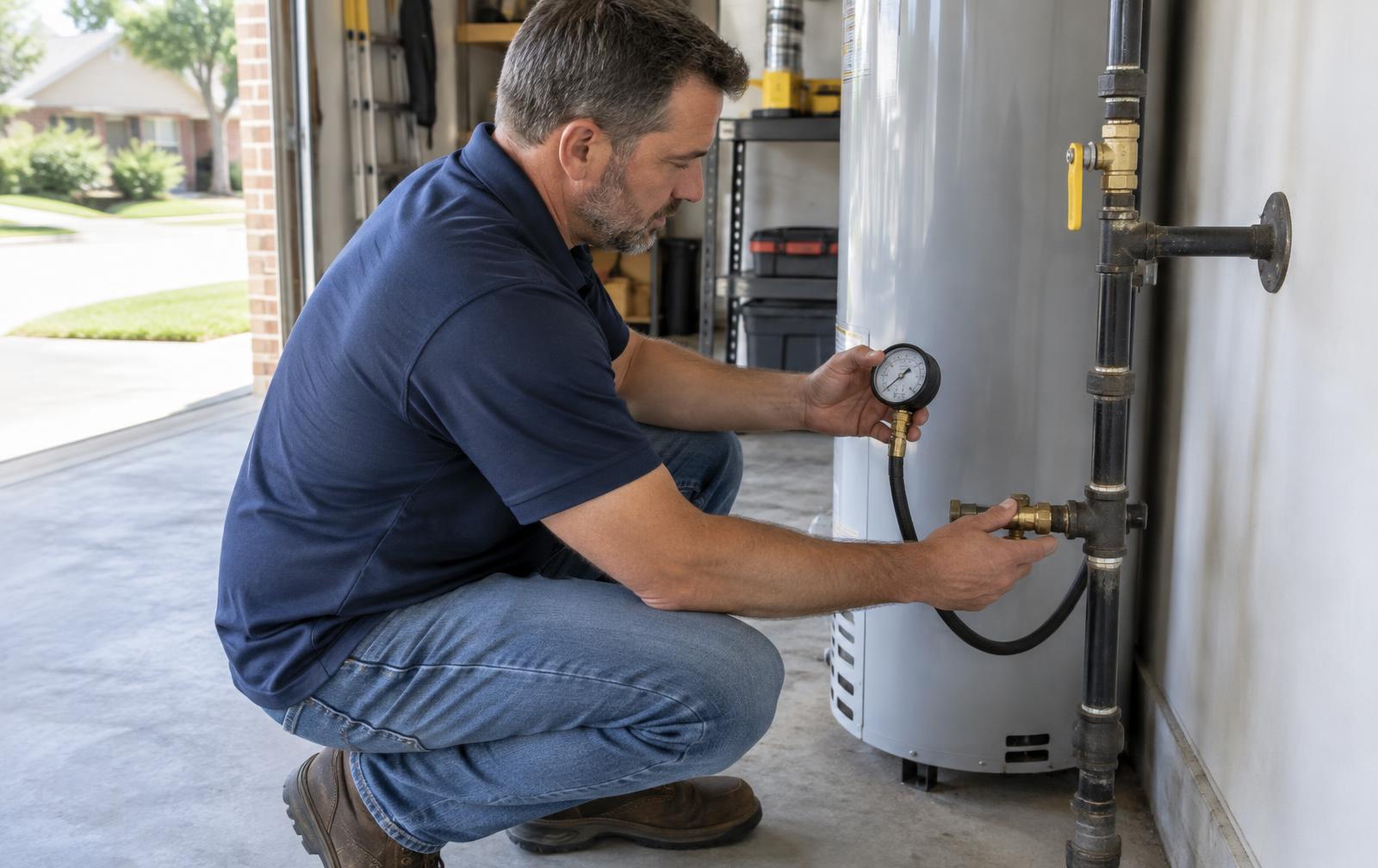
Licensed install, repair, and pressure-testing for Flower Mound homes — every line signed off to Texas code and Atmos requirements.
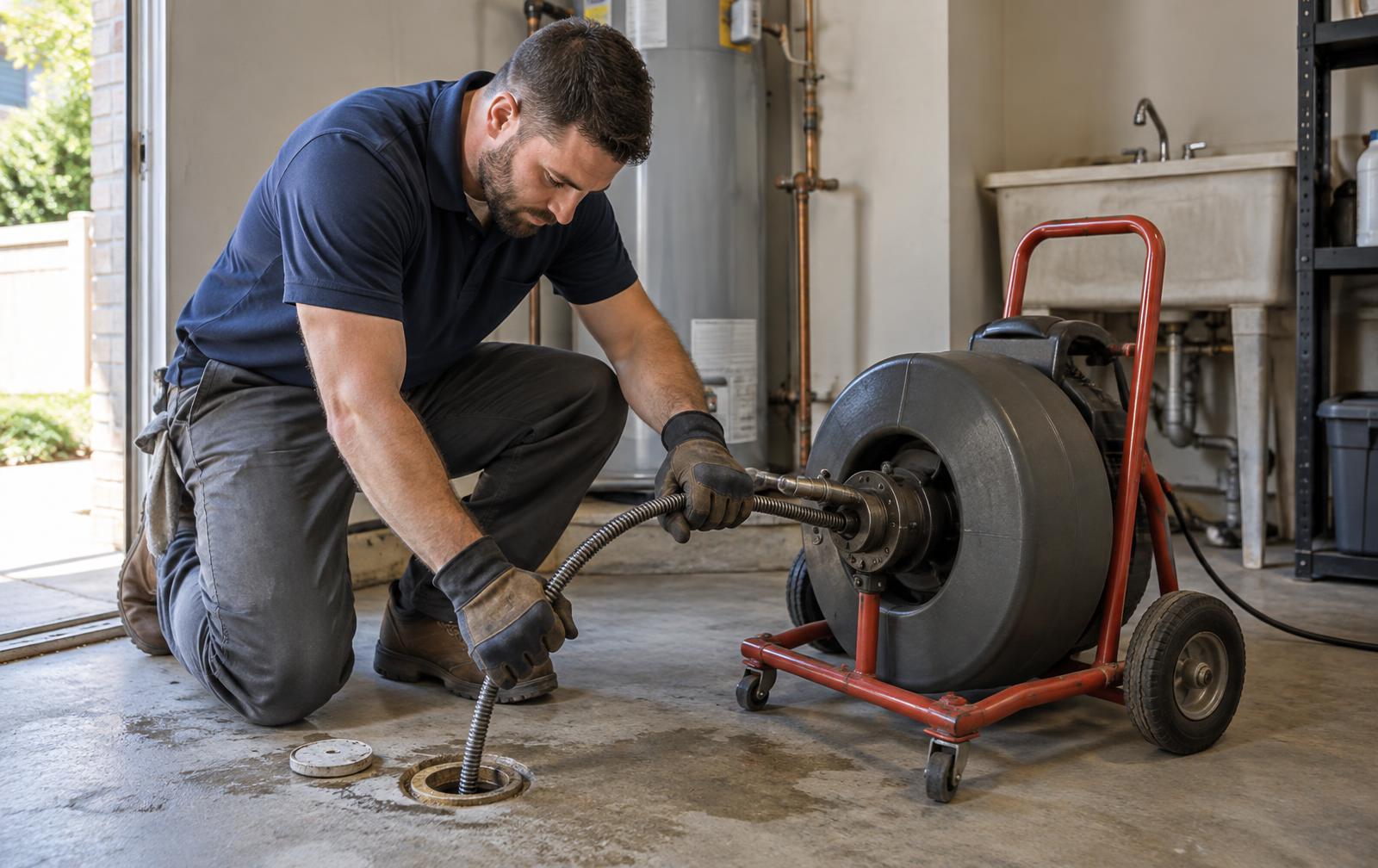
Full-clear service and camera confirmation for the drains under Flower Mound's neighborhoods.
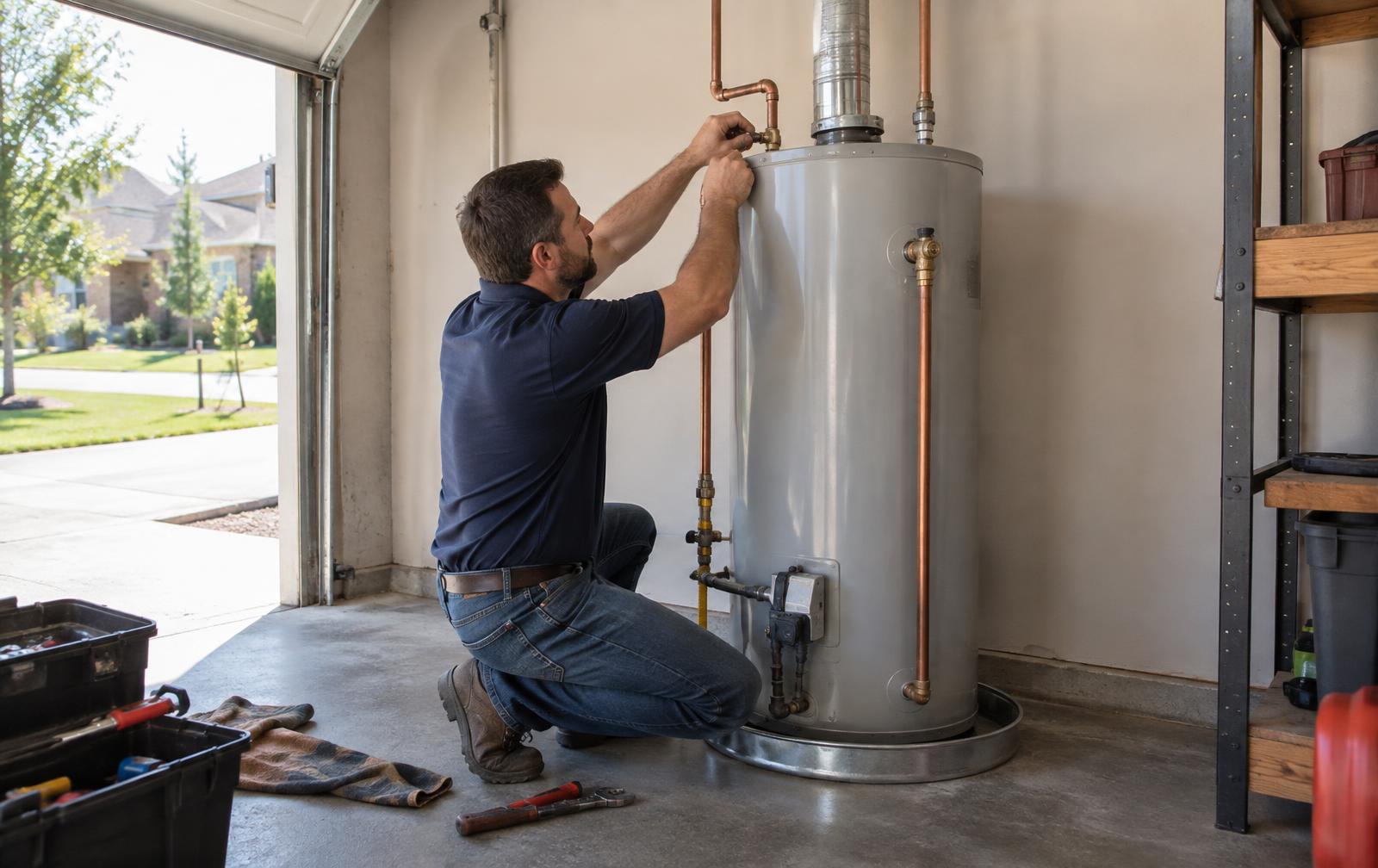
Repair, flush, and replacement of tank units — including attic and garage heaters common to Flower Mound homes.
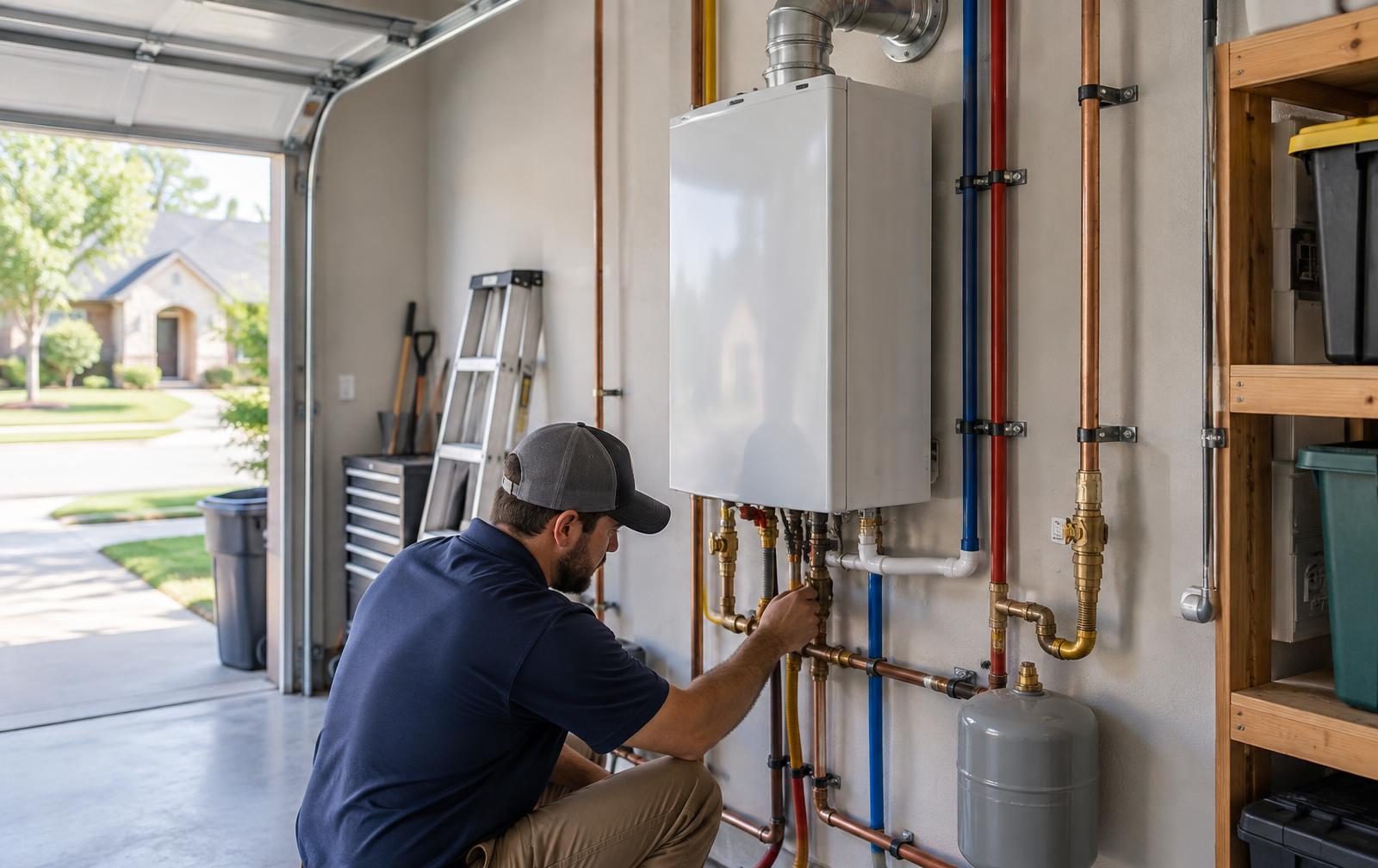
Install, service, and annual descaling — Flower Mound's hard tap water eats tankless heat exchangers without it.
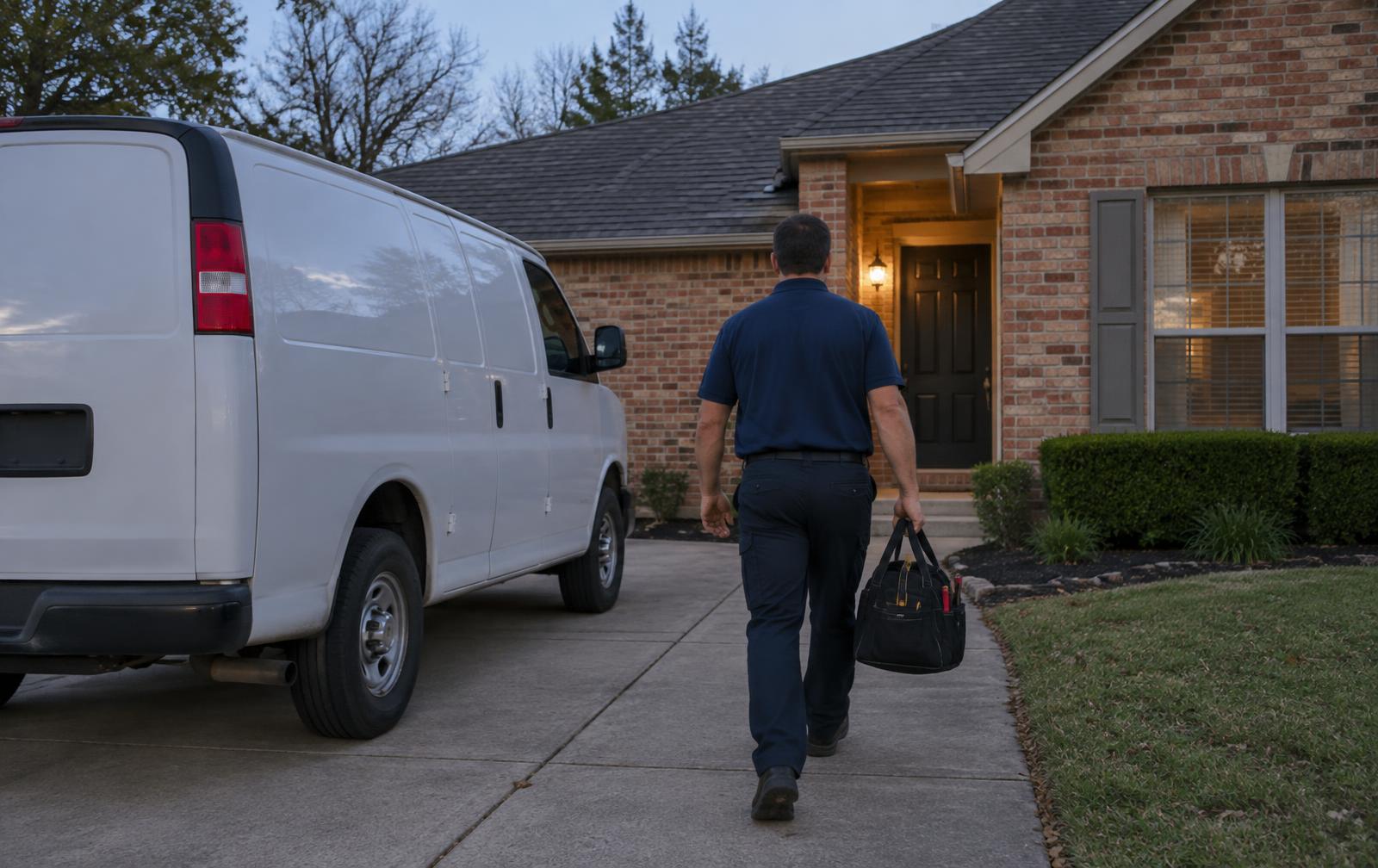
same-day, 7 days a week response across Flower Mound for burst pipes, heater failures, and main-line backups.
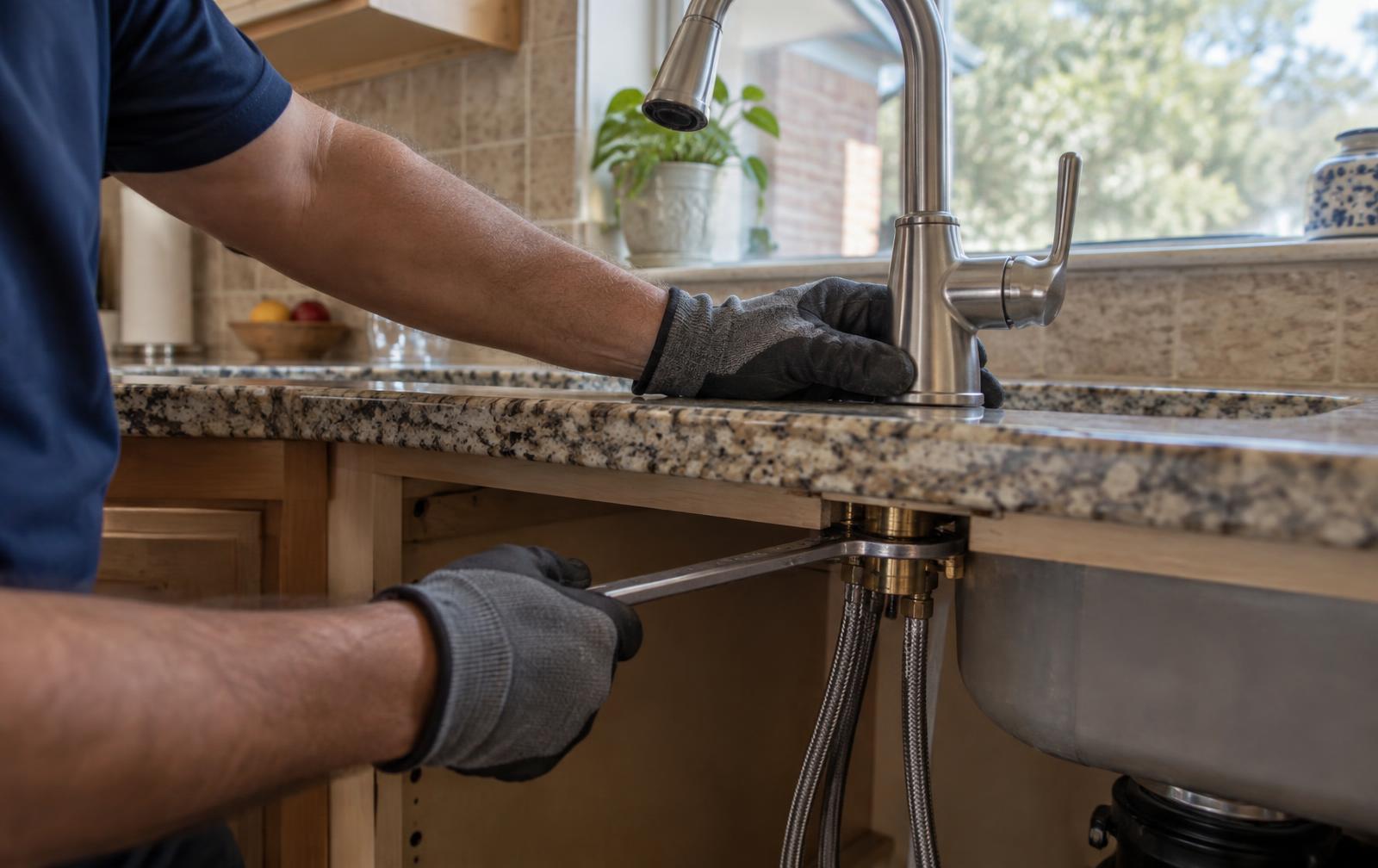
Cartridge, stem, and full-fixture replacement for Flower Mound kitchens and bathrooms — hard-water-ready parts stocked on the truck.
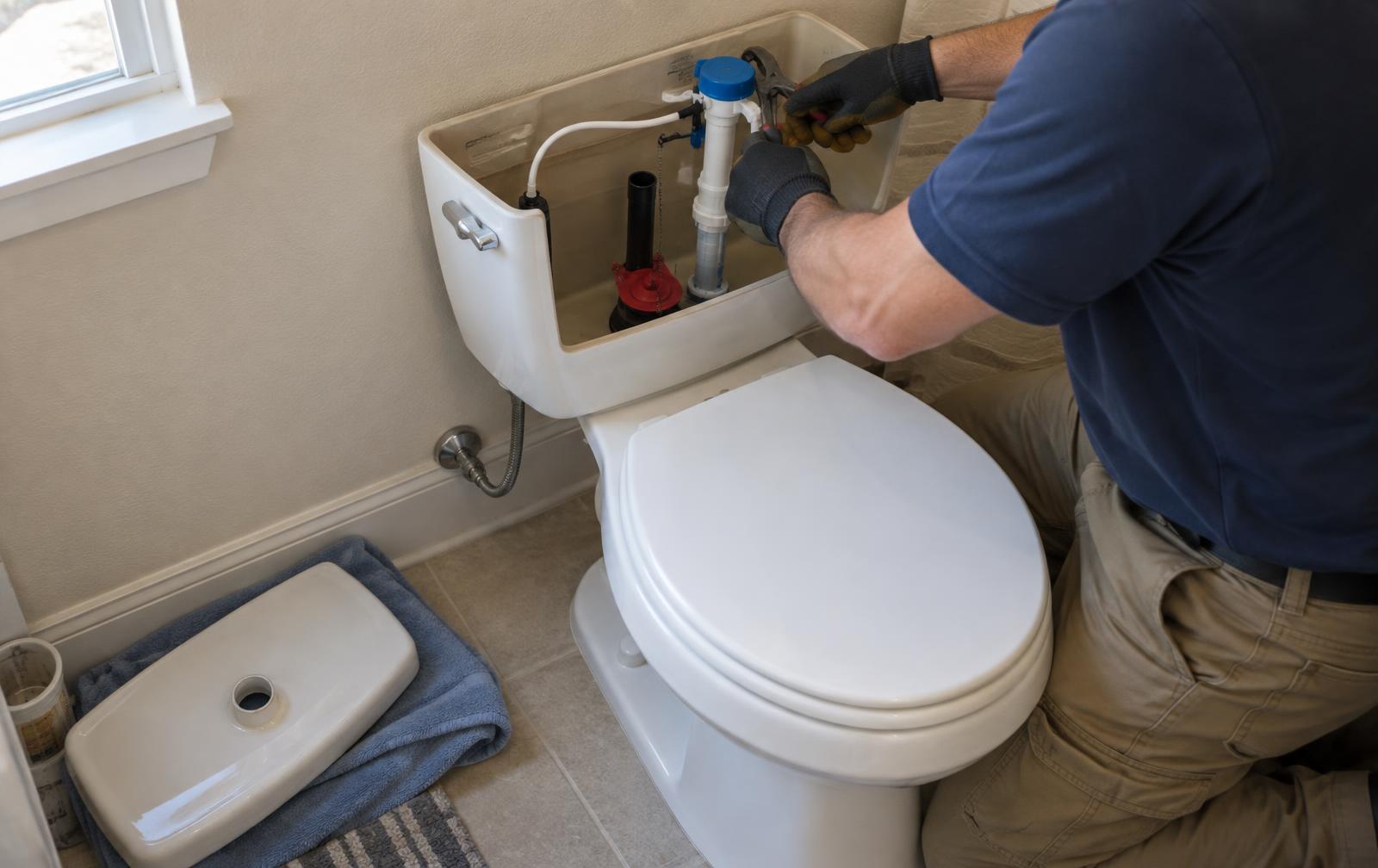
Rebuilds, wax-ring resets, flange repairs, and full replacements — the running toilets and rocking bowls in Flower Mound homes.
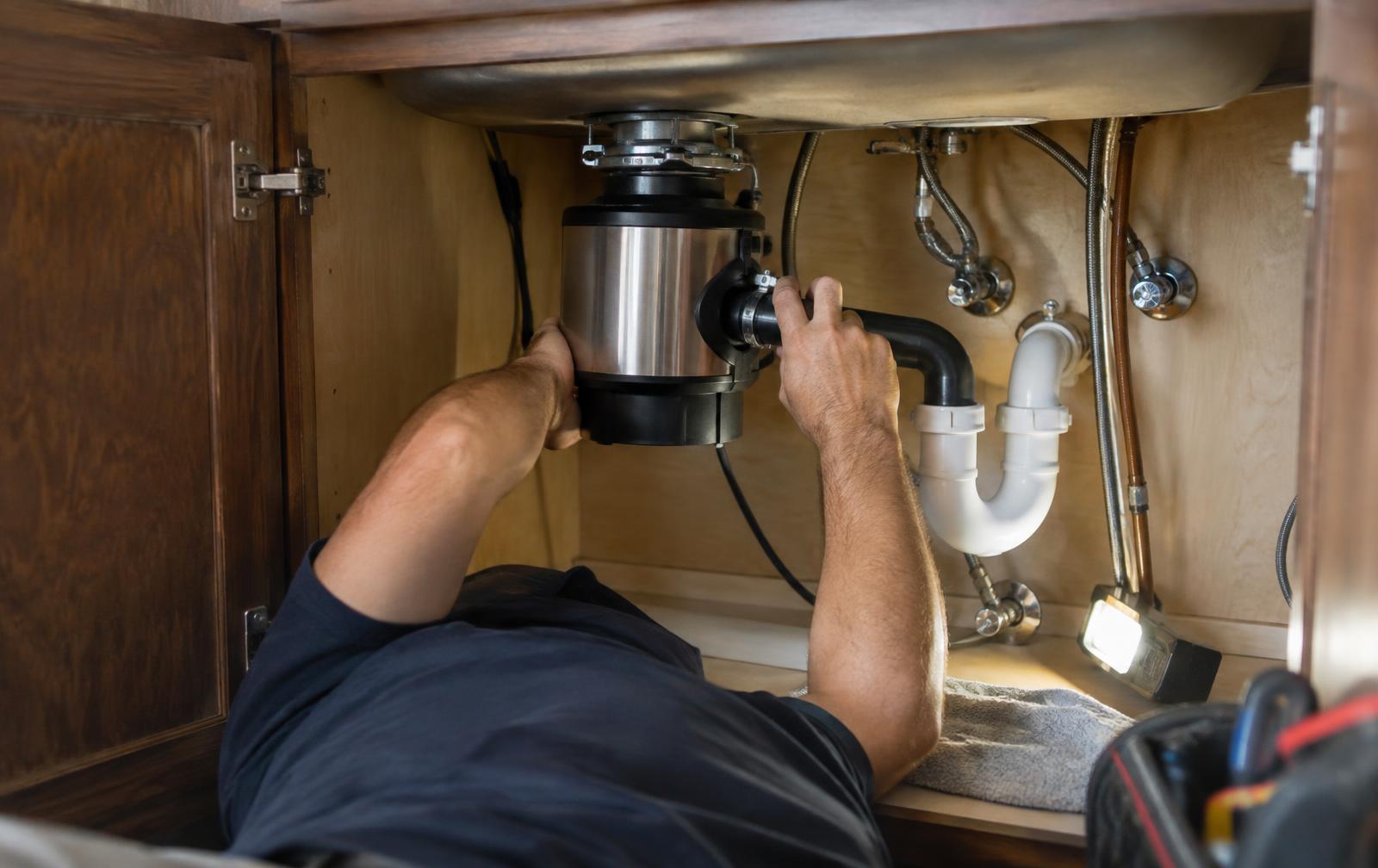
Jam clearing, leaking-unit swaps, and quiet 3/4 HP upgrades for Flower Mound kitchens — same-visit install.
Dealing With a Recurring Drain Problem in Flower Mound?
Full-diameter jetting, camera footage before and after, and an honest answer if the pipe needs more than a cleaning. Book a visit.