
Water Heater Services in Flower Mound, TX
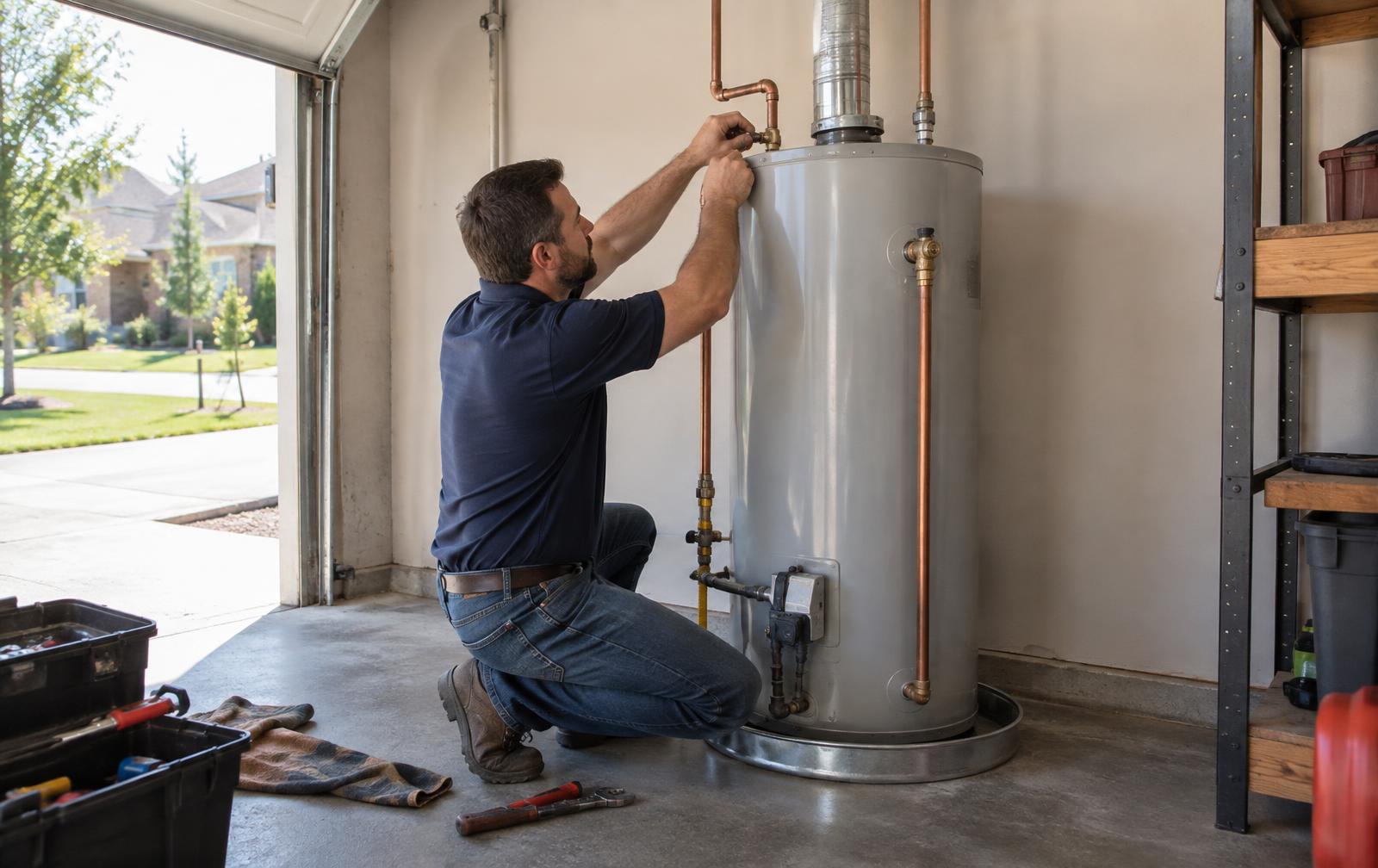
Showers turning cold partway through. A brownish tint at the tap. A wet ring spreading below the tank. A low rumble coming from the closet whenever it fires. We service and swap tank water heaters across Flower Mound, moving quickly when a house has none at all.
The Closet Changes House to House, the Requirements Don't
No two Flower Mound water heater jobs quite look alike. A garage on an acre-plus lot out in Wichita Creek Estates gives us room to work with little trouble, while a townhome mechanical chase near The River Walk at Central Park barely leaves space to turn a wrench. Add in the moderately hard water coming through Town of Flower Mound Public Works, which chews through an internal anode rod noticeably faster than soft water would, and it is easy to see why heaters here often quit well before their expected age.
Whatever the layout, the finished job has to meet the same handful of requirements: an expansion tank sized for a closed system, a drain pan under any tank installed above finished living space, discharge piping for the pressure relief valve routed somewhere sensible, and non-corroding fittings at the water connections. Flower Mound requires a permit for this work, and none of those details are optional just because they add a step \u2014 an insurance adjuster will notice their absence long before we would ever hope they wouldn't.
Some tanks deserve a repair rather than a swap \u2014 a burnt-out heating part, a stuck valve, sediment choking the bottom of the tank, an anode that just needs replacing. Others are past that point. On a heater in year eight or nine, the honest answer usually comes from a short diagnostic, and we walk you through exactly what we find.

What a Struggling Water Heater Looks Like in Flower Mound
A few of these point to a quick fix. Others point to a bigger decision. Either way, worth a call before it gets worse.
A second shower turns lukewarm, or the tub never quite fills hot. A worn dip tube, a tank too small for the household, or sediment cutting into usable volume are all candidates, and each one is a different repair.
That sound is steam forcing its way through a layer of sediment sitting on the tank bottom. A flush usually clears it up if it has just been a while; a louder or more constant version suggests the tank is closer to giving out.
The sacrificial anode inside has likely worn away, and the tank's inner wall has begun corroding on its own. A fresh anode can add years if this is caught early; noticeably brown water usually means the tank itself needs replacing soon.
Once the tank shell itself is cracked, there is no fixing it. Cut the water supply and the gas or power to the unit and get us out to replace it before it gets worse.
A burner working harder than it should, or sediment insulating the bottom of the tank from the flame, both make the heater run longer for the same result. Worth a diagnostic if nothing else in the house changed.
That valve releases because pressure or temperature inside the tank has climbed too high, or the valve itself is worn out. Left alone long enough, the next step is a tank failure rather than a drip.
Find the Real Problem, Then Do the Job Completely
A tank worth saving gets saved. A tank that needs replacing gets every required upgrade along with it, not a bare swap.
- 1Start with a real diagnostic
Reading the manufacture date off the serial number, checking sediment buildup, anode wear, the relief valve, and burner or element performance tells us honestly which side of repair-or-replace a tank sits on before we quote either one.
- 2If it's repairable, fix the actual part
A bad thermocouple, a stuck gas valve, a burnt element or failed thermostat, a worn dip tube, a spent anode, or simply flushing out sediment \u2014 whichever it is, we carry parts for the common models on the truck.
- 3If it needs replacing, build it to the requirements
That means sizing the new tank for how the household actually uses hot water, adding the expansion vessel a closed system needs, fitting a catch pan with somewhere for it to drain if the tank sits above living space, routing the relief valve discharge properly, and using corrosion-resistant fittings at every connection.
- 4Take the old tank away
The failed unit leaves with us for recycling instead of getting hauled, still heavy with sediment, through a finished hallway. We clean up the closet floor before setting the replacement down.
- 5Confirm everything works before we go
Combustion gets checked on gas models, recovery rate gets timed, the thermostat gets set to a sensible default unless you ask otherwise, and we walk through the shutoff and the relief valve together so you know what to watch for later.
How the Install Differs Across Flower Mound
Where the tank sits usually explains how it eventually fails.
Interior utility closets in these late-1990s golf-course homes are generally roomy enough for either a straight tank swap or a switch to tankless, depending on what the homeowner would rather have.
The larger garages and utility rooms common on these acre-plus custom lots give more flexibility on tank size and venting than a cramped closet ever would, which opens up more replacement options.
Homes fronting Peters Colony Road span the 1930s through the 1980s with newer builds mixed in, and the older installs sometimes predate current drain-pan and venting rules \u2014 we bring those current on any replacement there.
Homes built after 2016 out here already meet current code as a baseline, so replacement work is mostly a matter of matching an already-correct setup rather than fixing an outdated one.
Townhomes and condos in this development often box the tank into a narrow mechanical chase, which limits swap options and makes tankless worth a serious look wherever the chase allows for the vent run.
Detached and oversized garages are common on these two-acre-minimum custom lots, so space is rarely the constraint \u2014 sizing correctly for a larger household's simultaneous hot-water use matters more out here than access does.
What Flower Mound Homeowners Say

We Repair What's Worth Repairing, Replace What Isn't
A replacement tank comes with the manufacturer's own coverage on the unit plus warrantied labor from our crew. A repair carries warrantied parts and labor too. When we say replace, it is because the diagnostic pointed there \u2014 not because a spare tank happened to be sitting on the truck that morning.
We hold our license through the Texas State Board of Plumbing Examiners, carry insurance, and operate as a family business, sending every truck out from our shop in The Colony. A house in Flower Mound with no hot water at all typically gets a same-day visit.
Straight Answers, No Sales Pitch
Our Other Plumbing Services in Flower Mound, TX
A water heater on its way out often has company \u2014 other plumbing of the same vintage nearby. We take a look at what else might be aging while we're already on site.
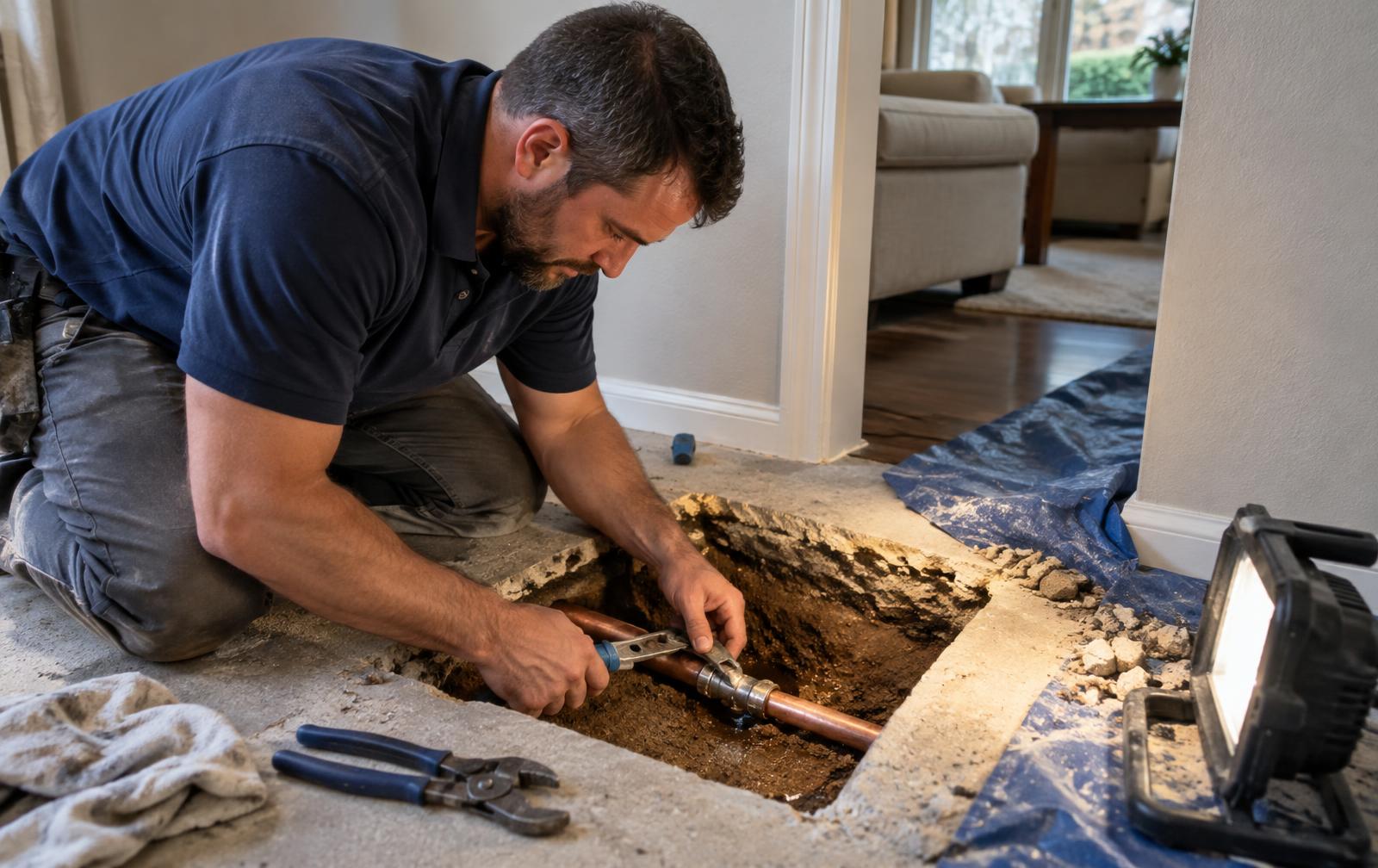
Electronic detection under Flower Mound slabs — reroute options that save your finished floors when possible.
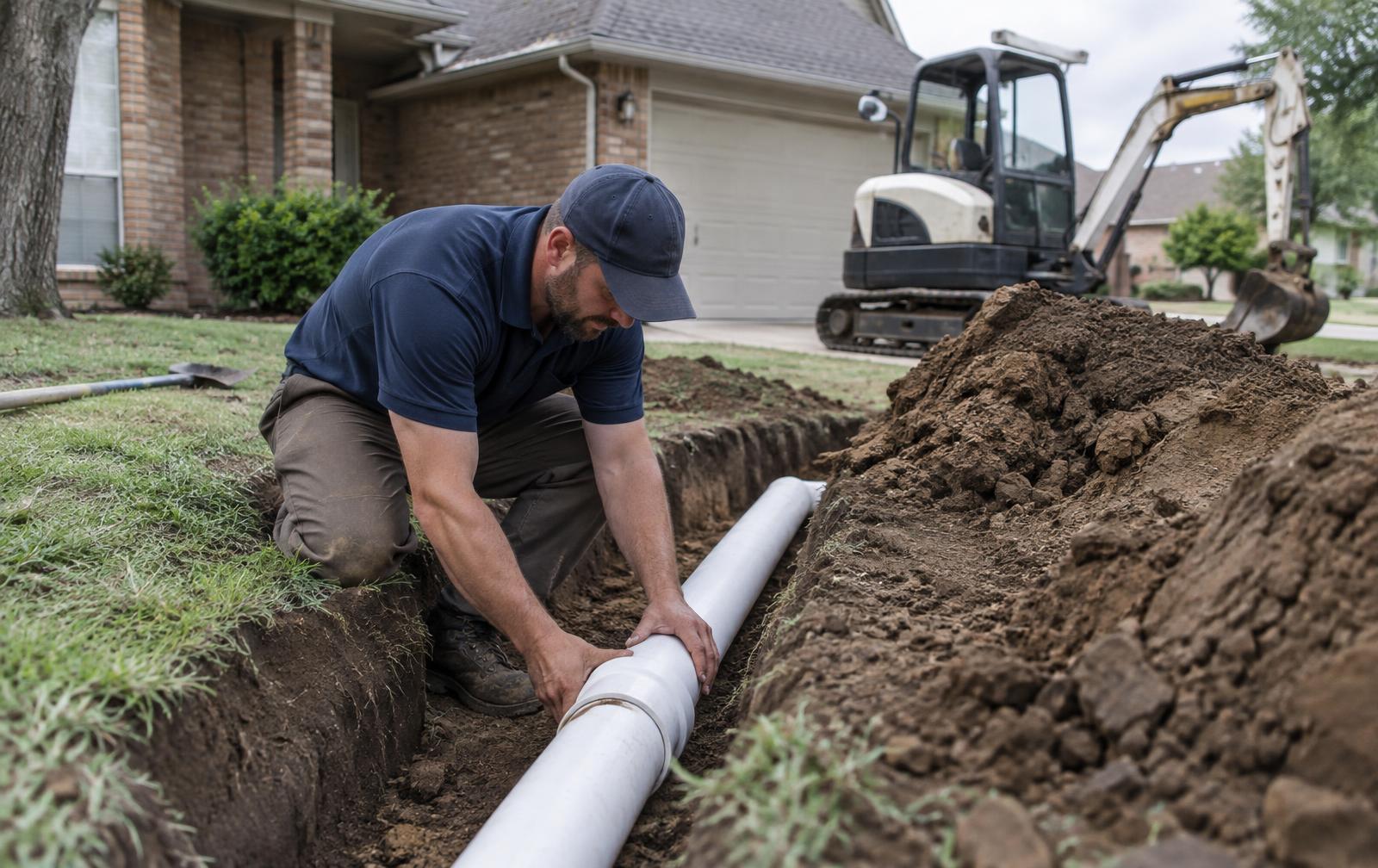
Trenchless replacement for the aging laterals across Flower Mound's older runs — camera first, quote in writing, minimal yard damage.
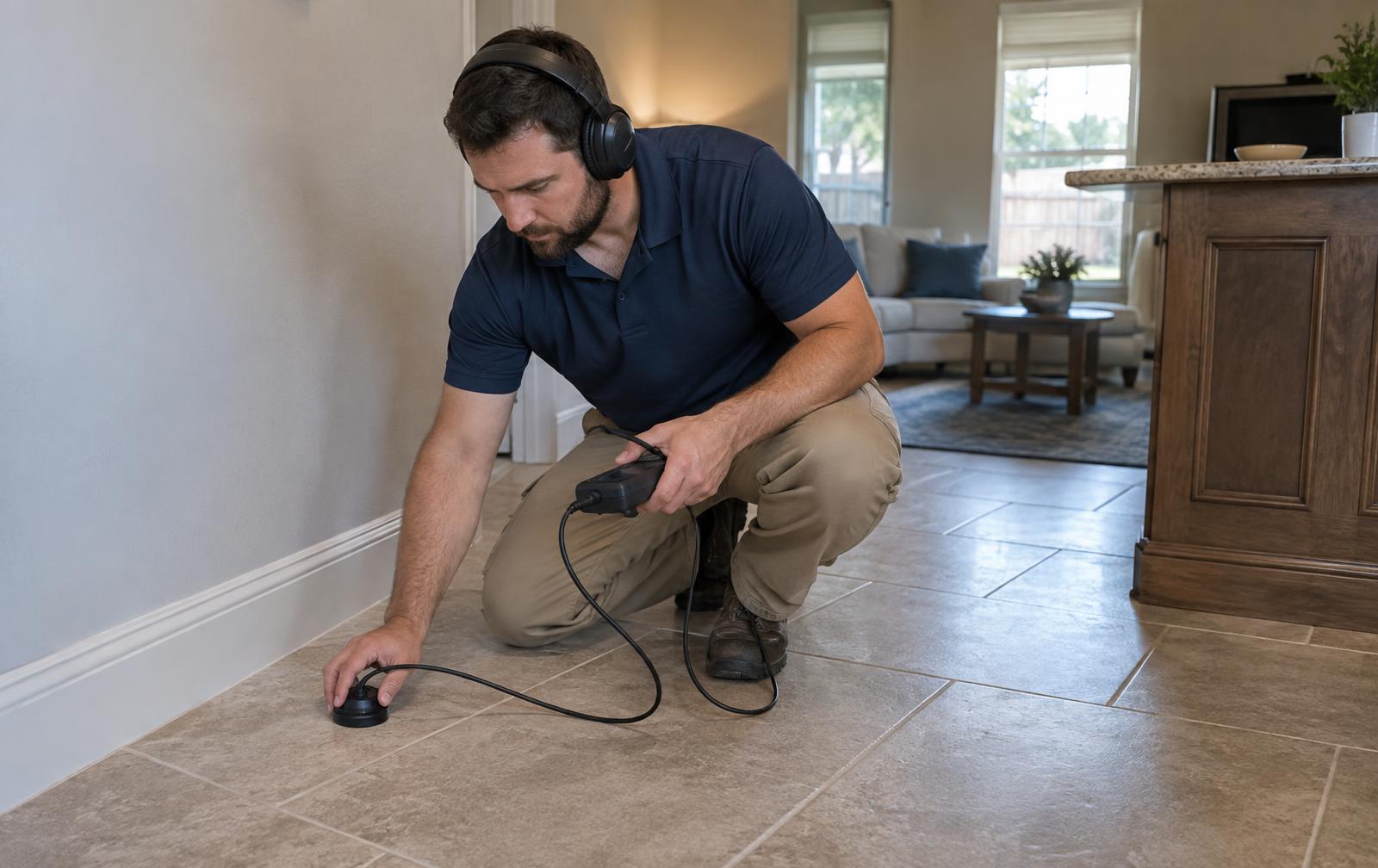
Acoustic, thermal, and pressure testing to pinpoint hidden leaks in Flower Mound slab and wall lines without tearing into finishes.
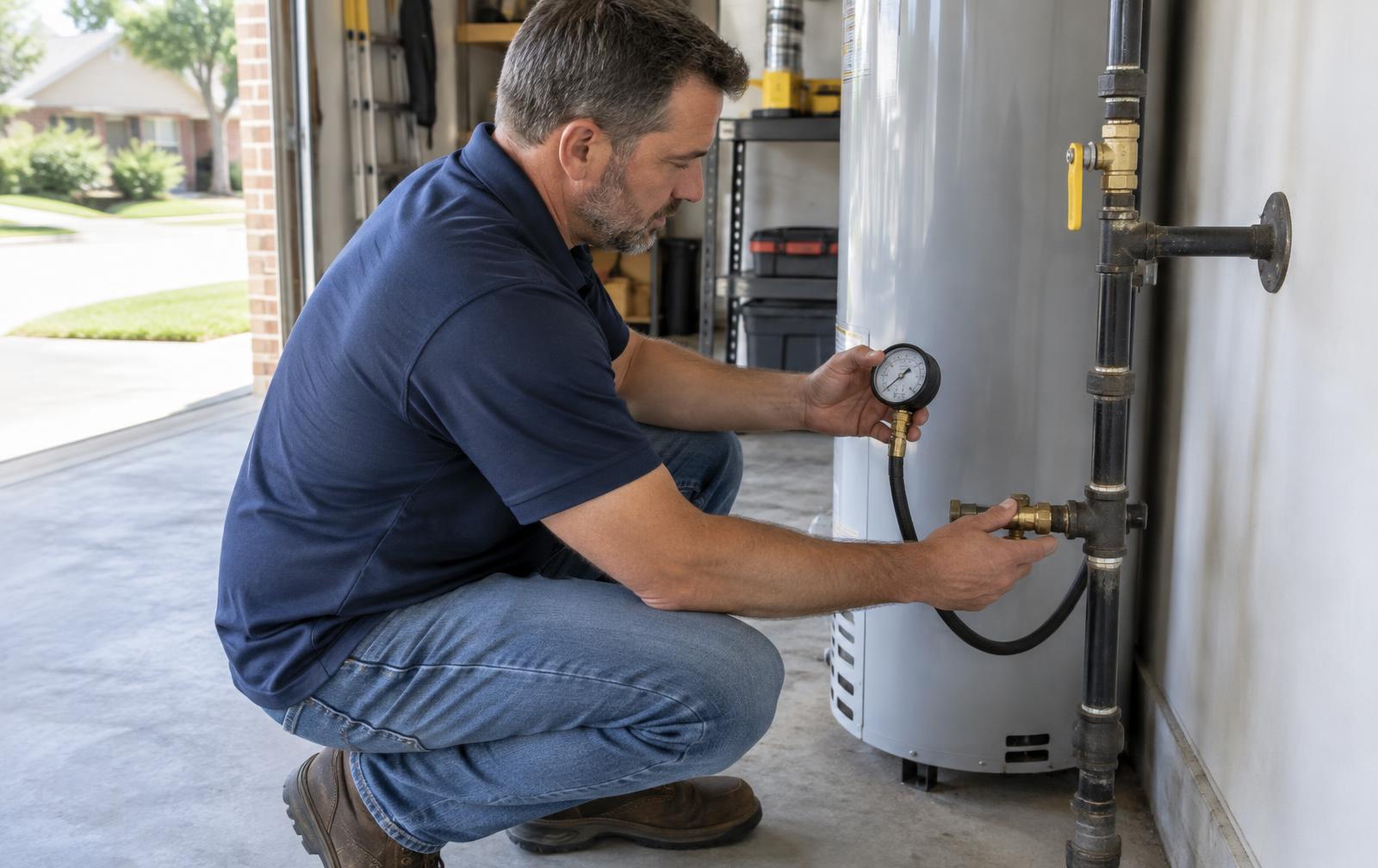
Licensed install, repair, and pressure-testing for Flower Mound homes — every line signed off to Texas code and Atmos requirements.
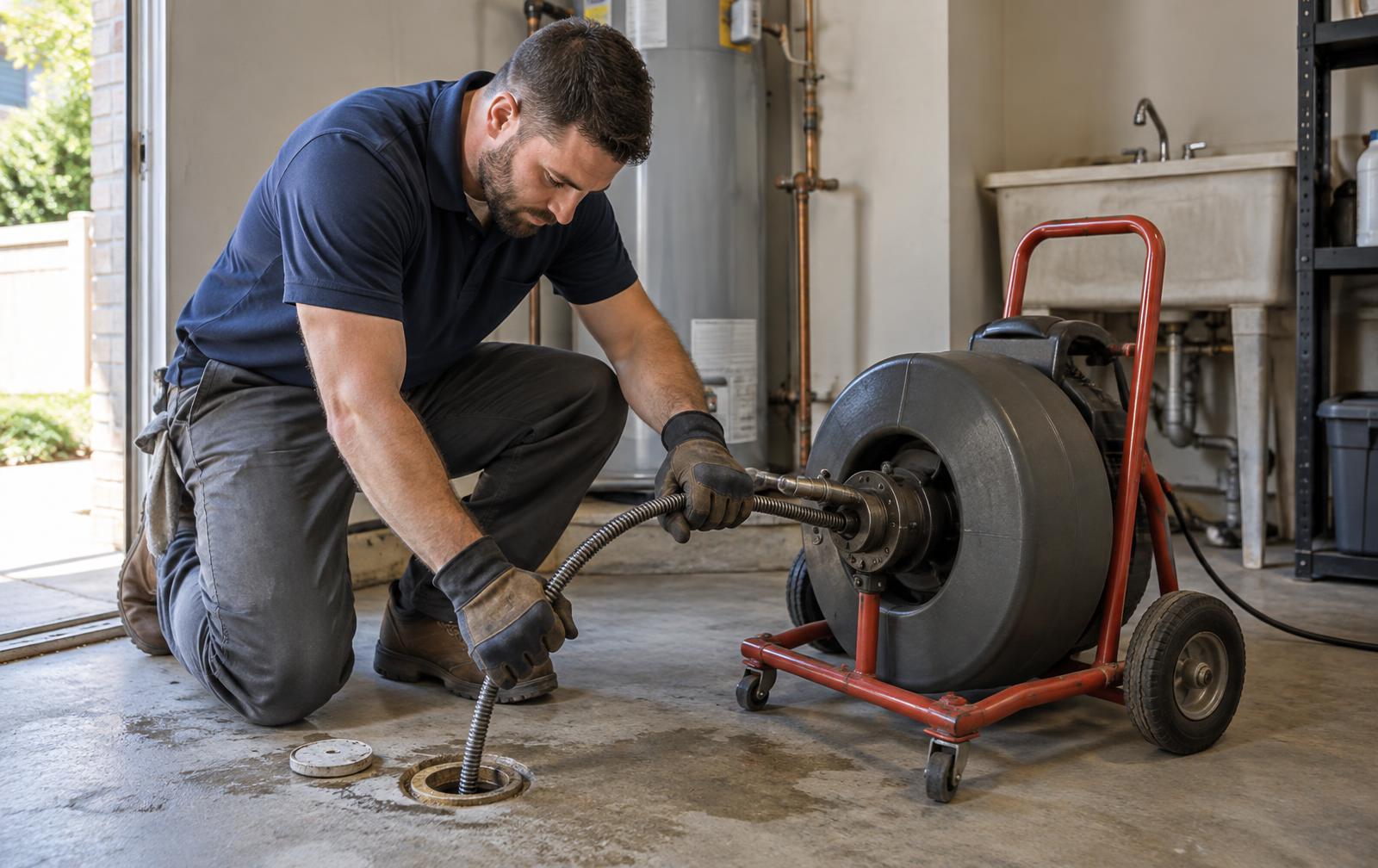
Full-clear service and camera confirmation for the drains under Flower Mound's neighborhoods.
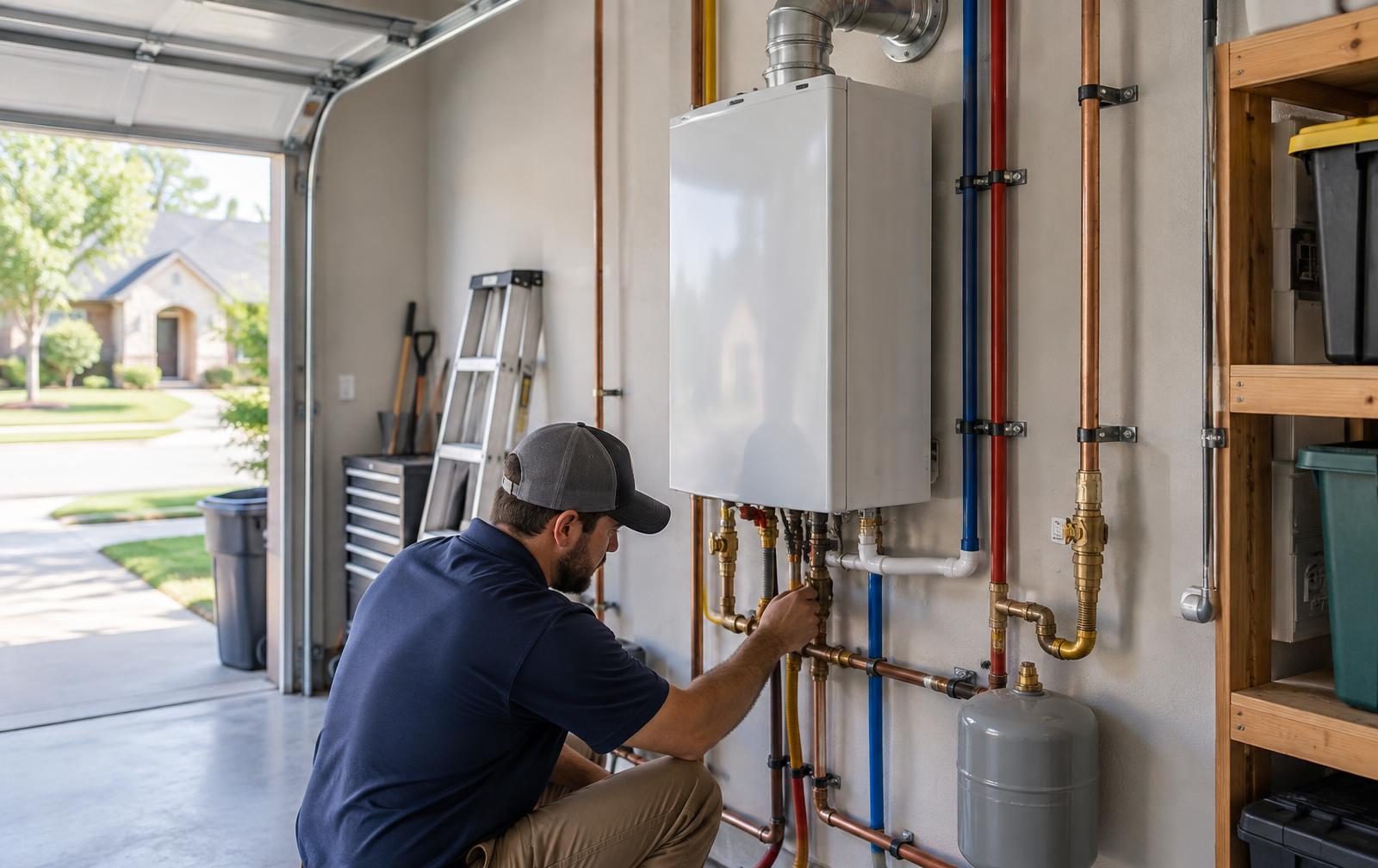
Install, service, and annual descaling — Flower Mound's hard tap water eats tankless heat exchangers without it.
same-day, 7 days a week response across Flower Mound for burst pipes, heater failures, and main-line backups.
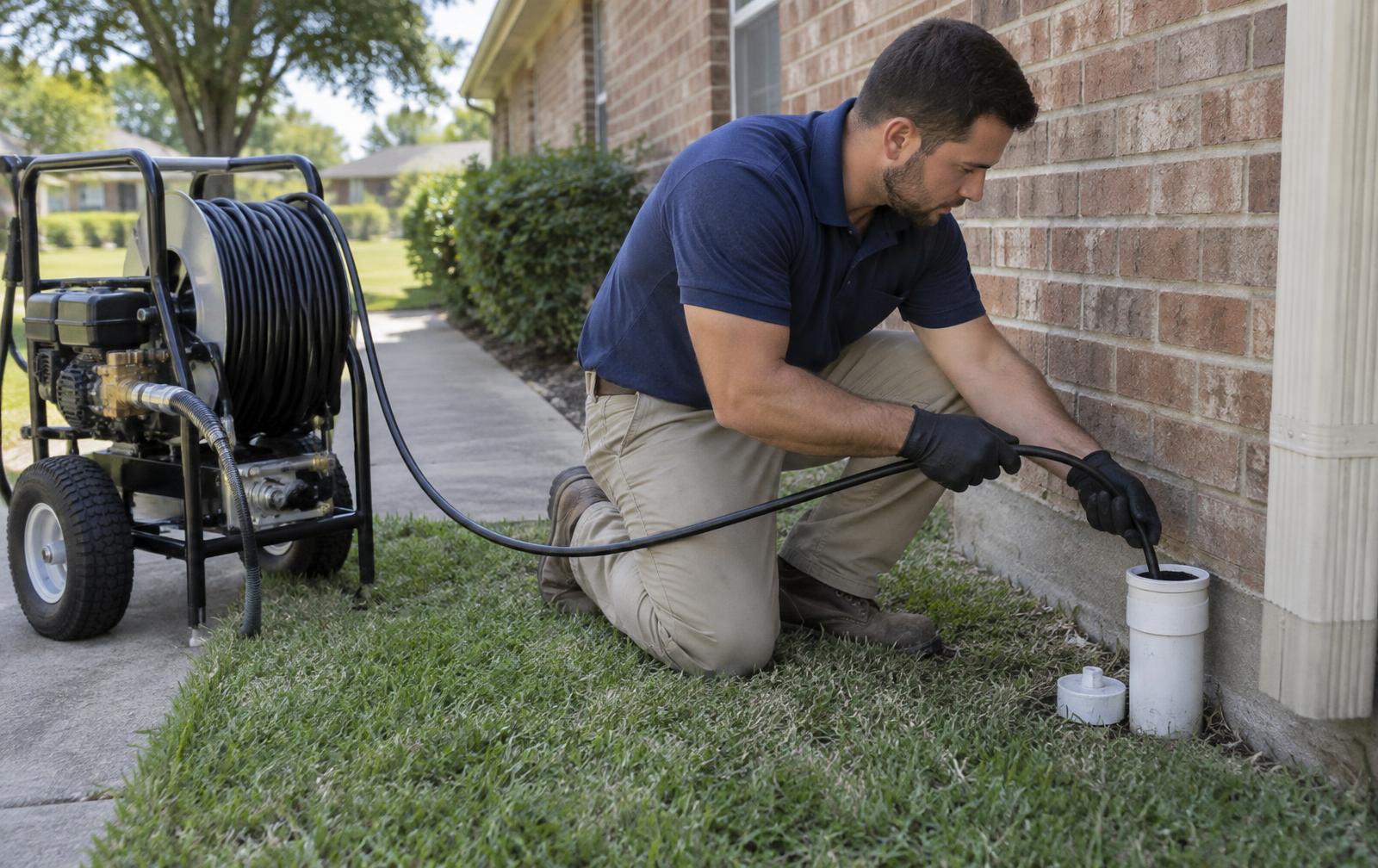
High-pressure cleaning that clears scale, grease, and roots from Flower Mound's lateral runs — full-diameter, lasting clean.
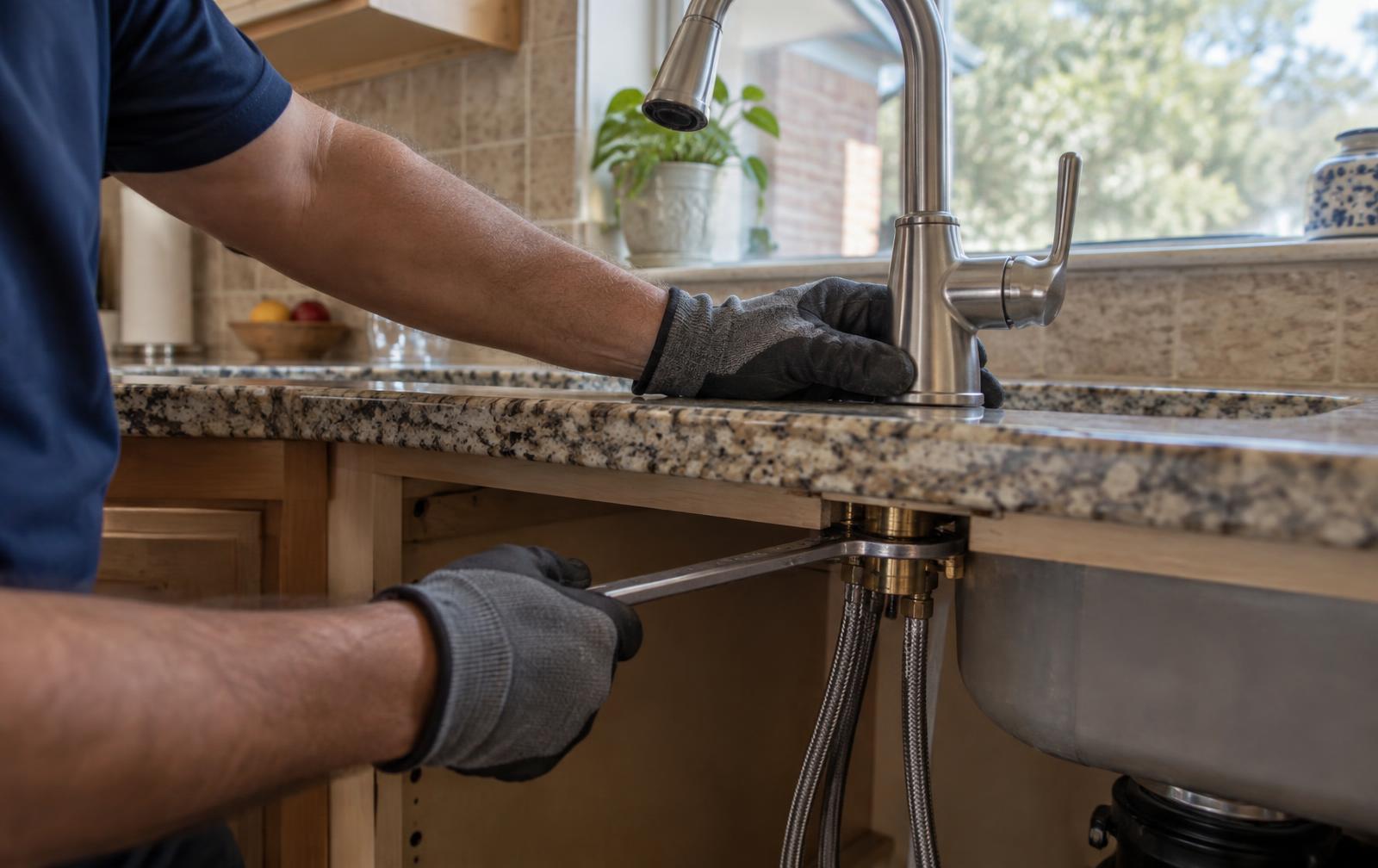
Cartridge, stem, and full-fixture replacement for Flower Mound kitchens and bathrooms — hard-water-ready parts stocked on the truck.
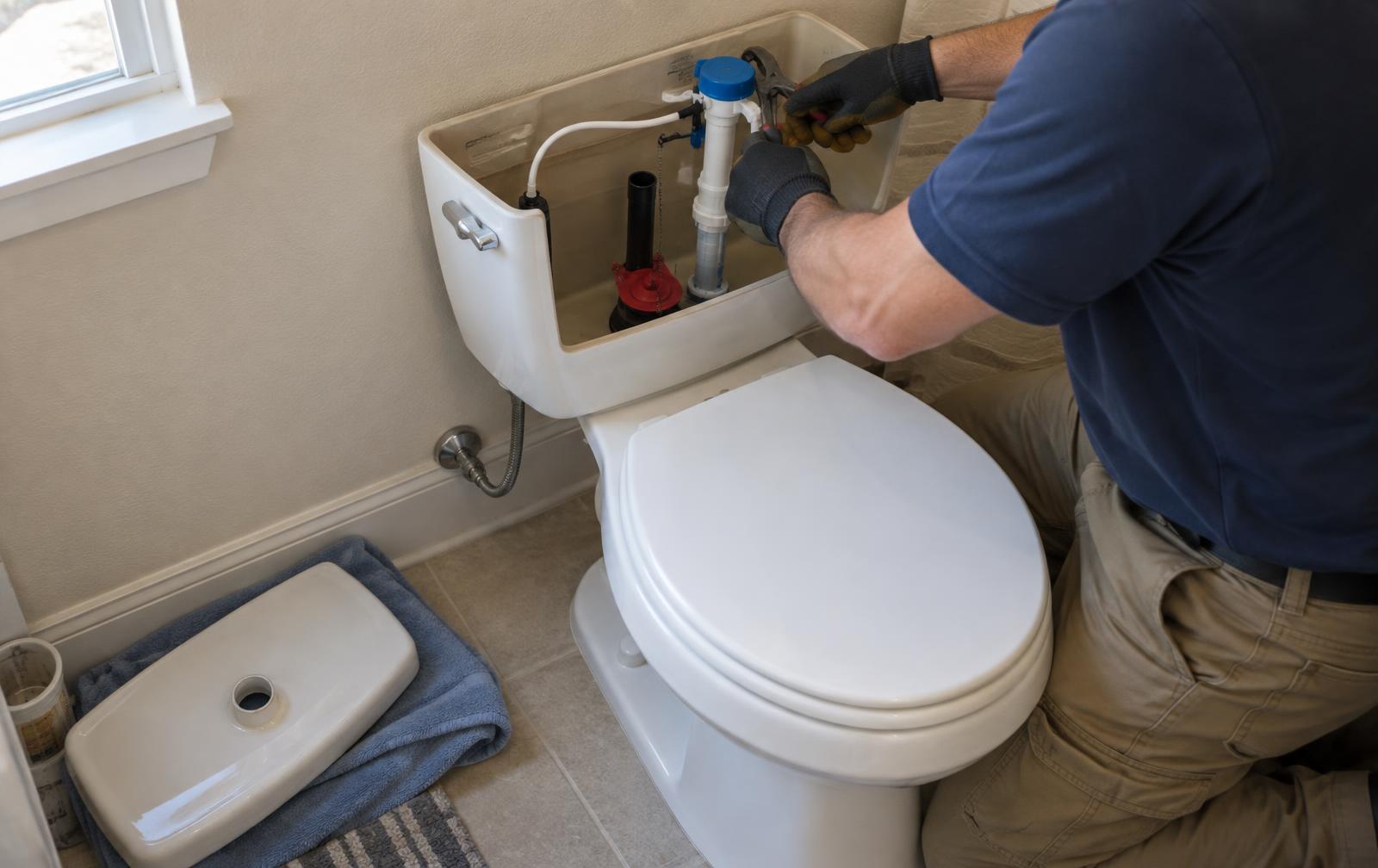
Rebuilds, wax-ring resets, flange repairs, and full replacements — the running toilets and rocking bowls in Flower Mound homes.
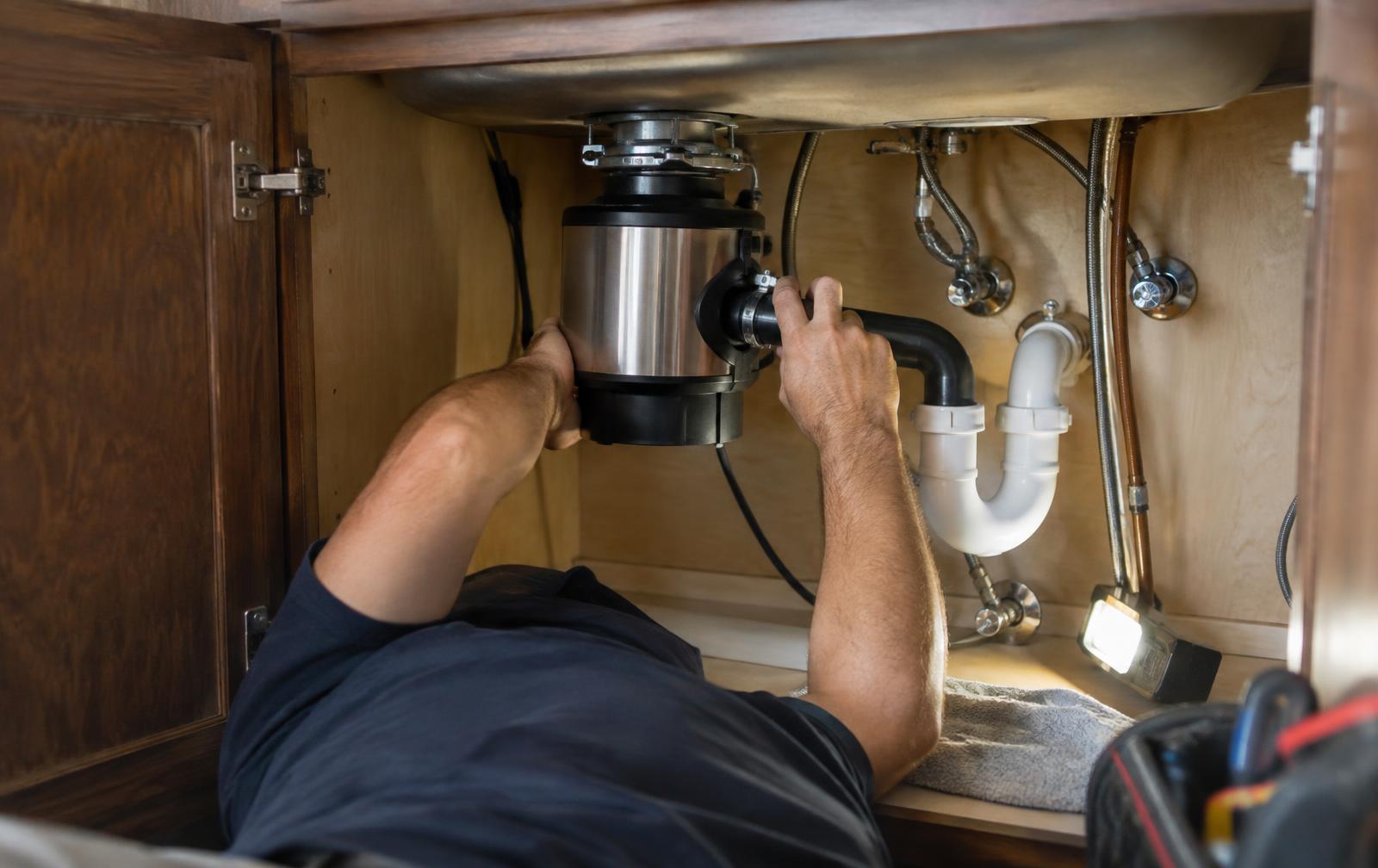
Jam clearing, leaking-unit swaps, and quiet 3/4 HP upgrades for Flower Mound kitchens — same-visit install.
Water Heater Acting Up in Your Flower Mound Home?
An honest diagnostic, a fully code-compliant replacement if it comes to that, and same-day help when the tank fails outright.