
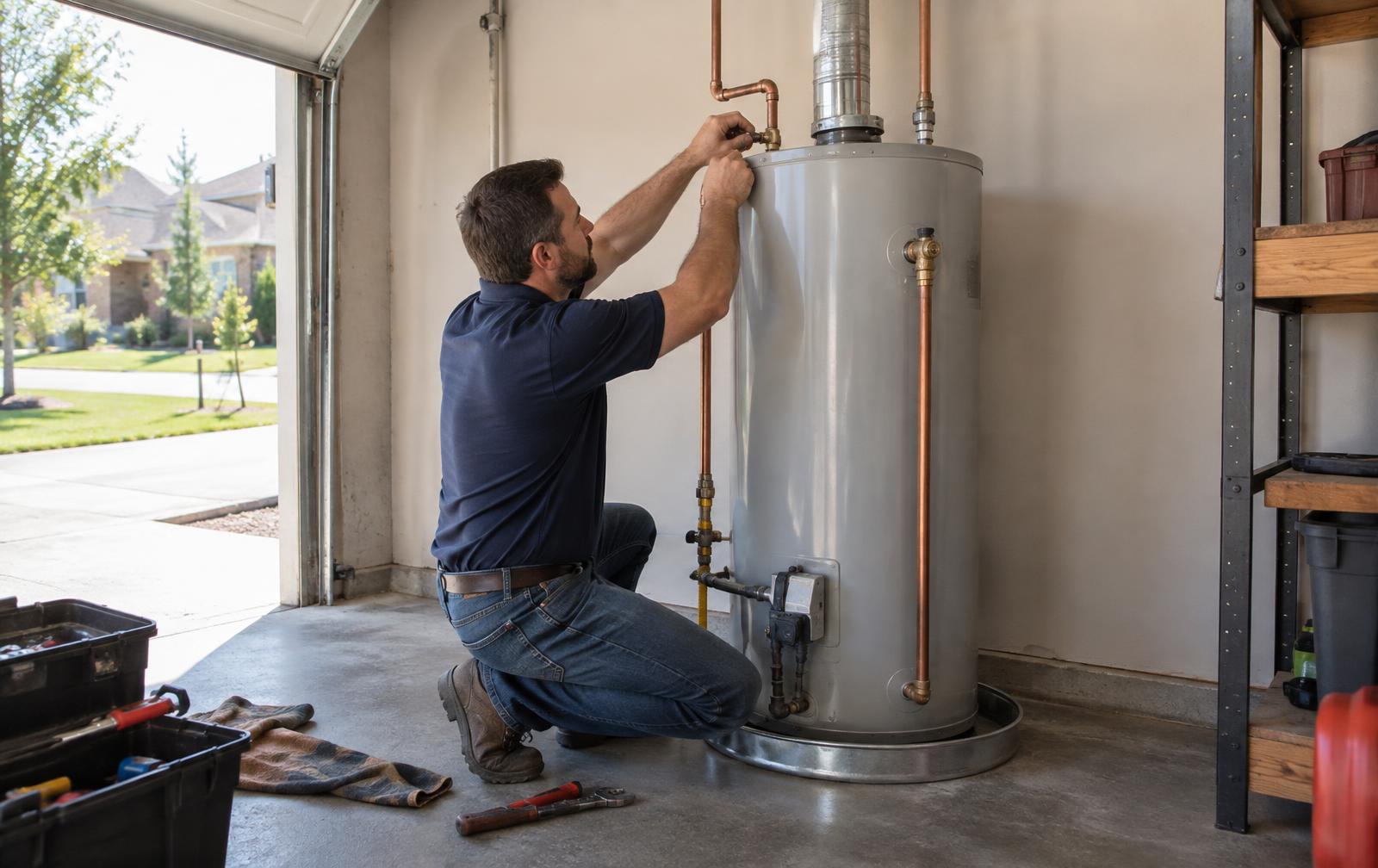
Water Heater Services in Richardson, TX
Showers turning cold sooner than they used to. Faint rust color coming out of the hot tap. A slow puddle spreading near the base of the tank. Whatever the symptom, we sort out whether a Richardson water heater needs a targeted repair or a full swap, and we get to same-day appointments when a unit has stopped heating entirely.
Why Tanks Age Faster Here Than the Warranty Sticker Suggests
Richardson's own 2024 water quality report lists hardness at roughly 18 grains per gallon, a level that eats through a tank's internal sacrificial anode noticeably faster than a softer municipal supply would. Once that anode is gone, the steel tank itself starts corroding, which is the single biggest reason we see units fail years ahead of their rated warranty in this part of North Texas.
Where the tank actually sits varies a lot depending on when the house went up. Ranch homes near Heights Park, mostly built from the late 1940s through the 1960s, generally keep the unit in an accessible interior closet. Newer construction on the Collin County side of the city, closer to the 75082 zip, more often places the tank up in the attic, which brings a different set of safety requirements into play — a proper drain pan with a float switch chief among them.
Whichever layout applies, the fix has to satisfy current code, not just swap in a new tank. That means a correctly sized expansion tank on a closed system, a drain pan with the discharge routed properly on any elevated or closet unit, and pressure-relief piping installed the way the plumbing code specifies. The City of Richardson pulls a permit and inspects this work, so cutting a corner here tends to surface later, usually at the worst possible time.

Signs Your Richardson Water Heater Needs Attention
A few of these point to a quick service call. Others point toward replacement.
A tank that cannot get through a second shower, or never fully heats a bathtub, might have a broken dip tube, might simply be too small for the household, or might just be carrying too much sediment to hold its rated volume.
Mineral buildup settled on the tank bottom traps water underneath it that flashes to steam and pops. A flush usually quiets a mild case; a loud, persistent rumble often signals the tank is nearing the end of its service life.
That color means the sacrificial anode has worn away and corrosion has started inside the tank itself. Swapping the anode early can buy real time; water running noticeably brown usually means a new tank is close at hand.
Once a tank shell cracks, there is no patching it — replacement is the only path forward. Turn off the water supply and cut gas or power to the unit until we arrive.
A struggling burner or heavy sediment forces longer run times to deliver the same hot water. An unexplained bill jump with nothing else different at the house is worth having checked.
That valve releases when pressure or temperature climbs past a safe threshold, or simply when the valve itself is worn out. Left unaddressed, the tank's next stage of failure is far more serious.
An Honest Look First, Then Work Done to Code
Repairable tanks get repaired. Anything replaced gets brought up to current code in the process, not just swapped in place.
- 1Start with a full inspection
Age, sediment depth, anode wear, relief valve condition, and burner or element behavior all get checked before we recommend anything, and we tell you plainly which way the numbers point.
- 2Fix what is actually broken
A bad thermocouple, a failing gas valve, a burned-out heating element, a spent anode, or a tank simply overdue for a sediment flush — each gets addressed on its own rather than treated as a reason to replace everything.
- 3Bring a replacement up to current code
Sizing matched to actual household demand, a properly rated expansion tank, a drain pan with correct discharge routing wherever the tank sits above a living space, and dielectric connections at the supply lines.
- 4Take the old unit off your hands entirely
The failed tank goes with us for recycling instead of sitting in a garage or driveway. We leave the install area cleaner than we found it.
- 5Confirm everything works before we leave
A full test cycle, a temperature setting you are comfortable with, and a plain explanation of where the shutoff is and how often the tank should be flushed going forward.
How Water Heater Installs Differ Across Richardson
Where a tank sits usually shapes both how it fails and what a proper replacement has to include.
Most homes here were built between the late 1940s and the 1960s, and the interior closet installs common to that era make for a fairly straightforward swap once the pan, expansion tank, and relief piping are brought current.
The mix of mid-century houses and more recent construction near the University of Texas at Dallas in Canyon Creek means tank placement and access vary noticeably even between neighboring properties.
Prairie Creek traces to the 1960s alongside the park it sits next to, and original water heaters from that construction era are typically overdue for either a fresh anode or a full replacement by now.
The older, more modestly priced homes on Richardson's west side commonly still have the closet install that came with original construction, and those units tend to be well past due for service.
Homes along Belt Line Road sit in several of the city's oldest platted sections, where original closet installs often predate the expansion tank requirement now built into code.
Properties near Duck Creek Linear Park date to Richardson's mid-century growth years, and water heaters original to that period are old enough to be prone to anode wear and sediment buildup by now.
What Richardson Homeowners Say

Fixed When It Can Be, Replaced Correctly When It Cannot
A replacement carries the manufacturer's warranty on the tank along with warrantied labor from us, and a repair comes with its own parts and labor coverage. A recommendation to replace comes from what the inspection actually shows, not from what happens to be loaded on the truck that day.
Aqua Pure Plumbing holds a license with the Texas State Board of Plumbing Examiners, carries insurance, and is family-owned, sending every truck out from our shop in The Colony. Richardson calls for a total failure get same-day scheduling, with a typical arrival window of about 30 to 40 minutes under normal traffic.
Direct Answers About Water Heaters in Richardson
Our Other Plumbing Services in Richardson, TX
A failing water heater often shares an age with the rest of a home's plumbing. Ask us to look at supply lines, drains, and gas piping in the same visit while we are already on site in Richardson.
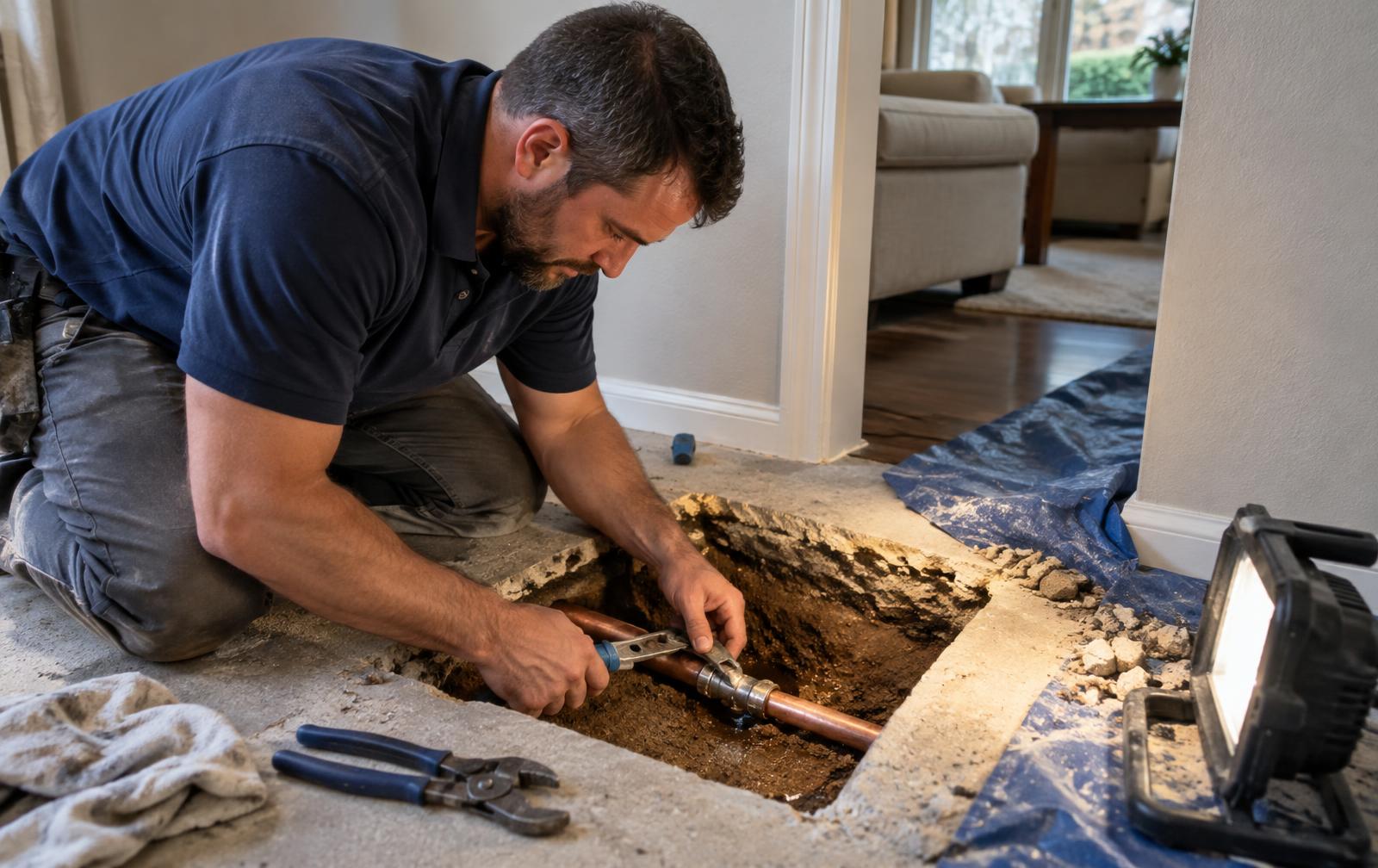
Electronic detection under Richardson slabs — reroute options that save your finished floors when possible.
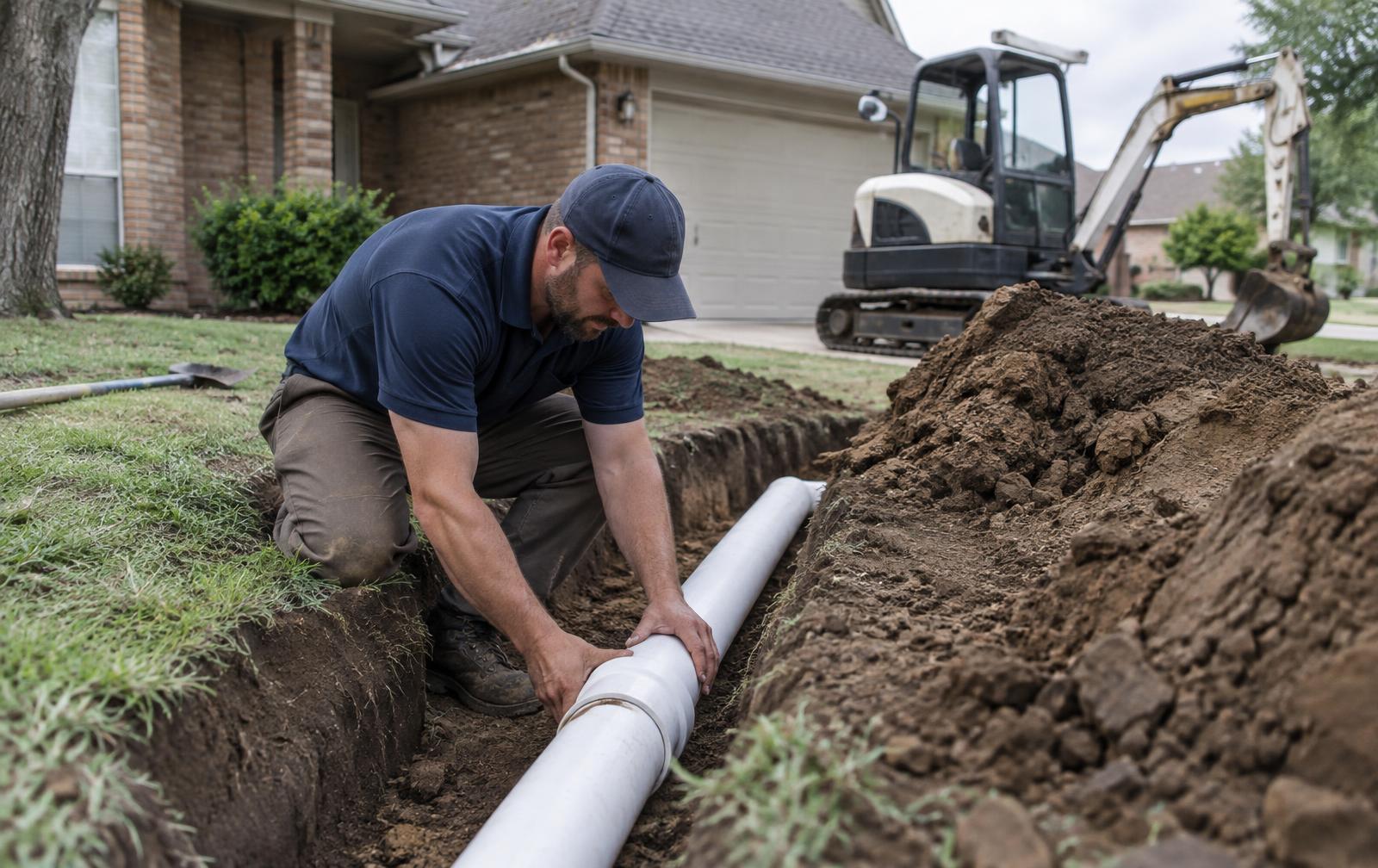
Trenchless replacement for the aging laterals across Richardson's older runs — camera first, quote in writing, minimal yard damage.
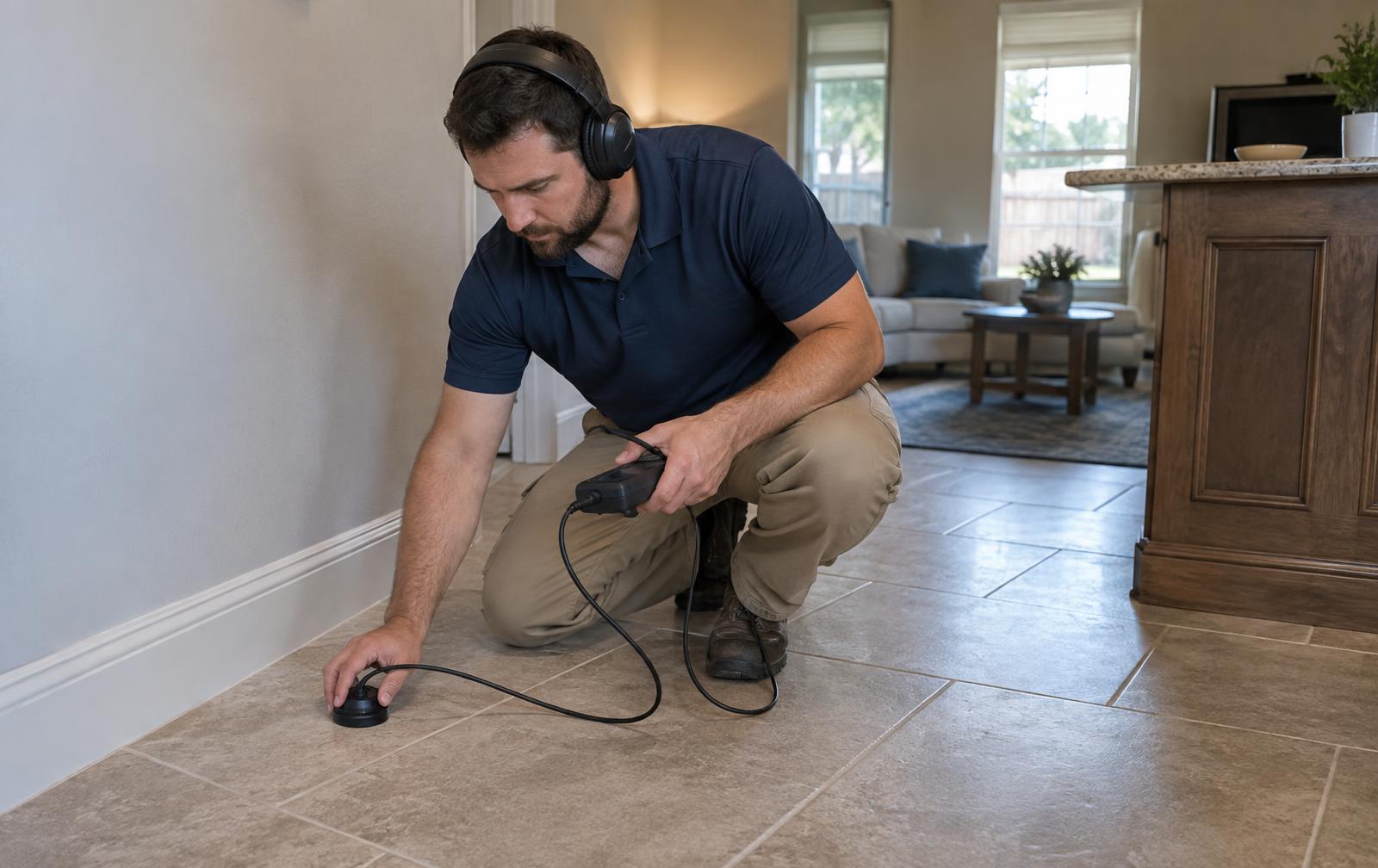
Acoustic, thermal, and pressure testing to pinpoint hidden leaks in Richardson slab and wall lines without tearing into finishes.
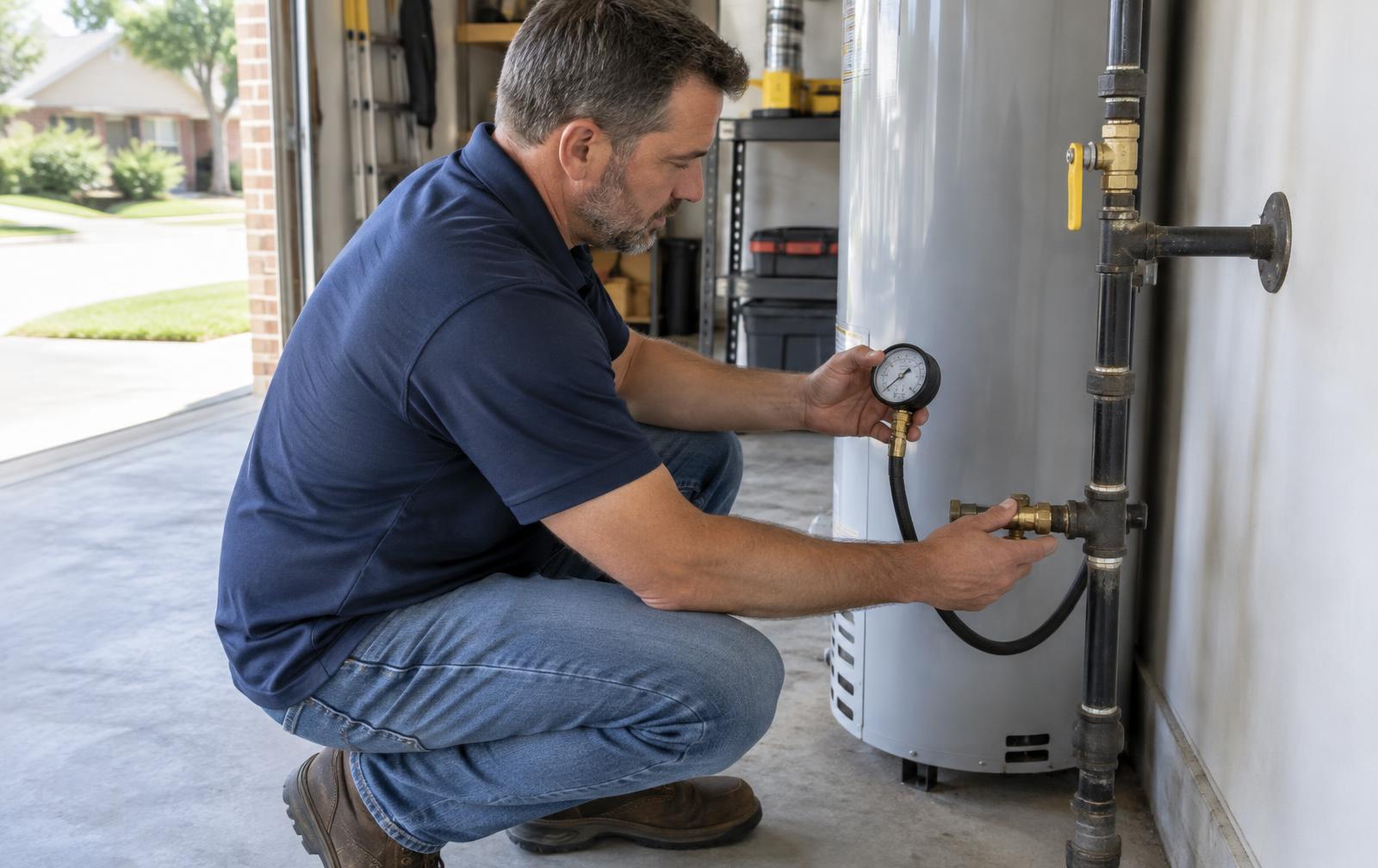
Licensed install, repair, and pressure-testing for Richardson homes — every line signed off to Texas code and Atmos requirements.
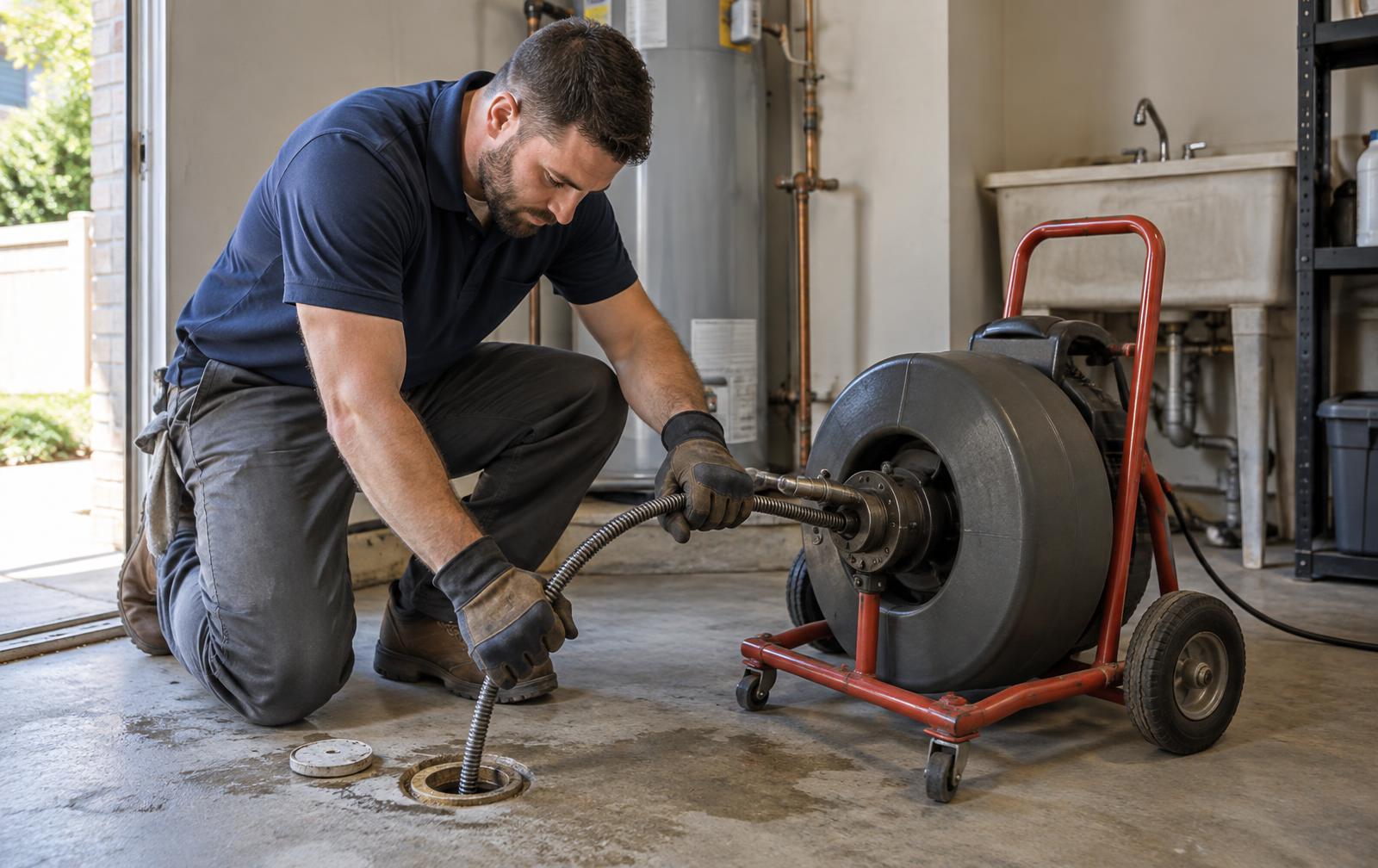
Full-clear service and camera confirmation for the drains under Richardson's neighborhoods.
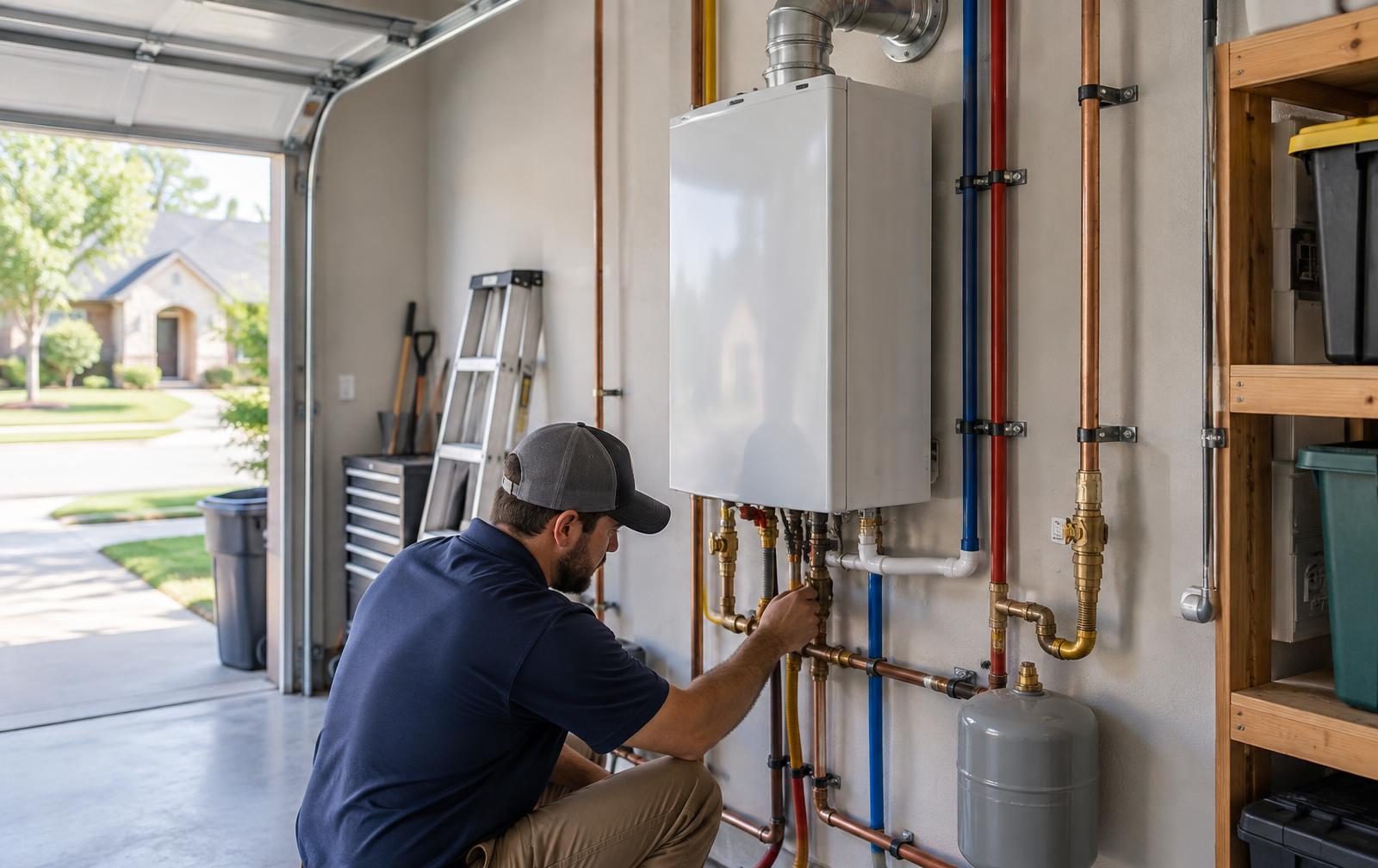
Install, service, and annual descaling — Richardson's hard tap water eats tankless heat exchangers without it.
same-day, 7 days a week response across Richardson for burst pipes, heater failures, and main-line backups.
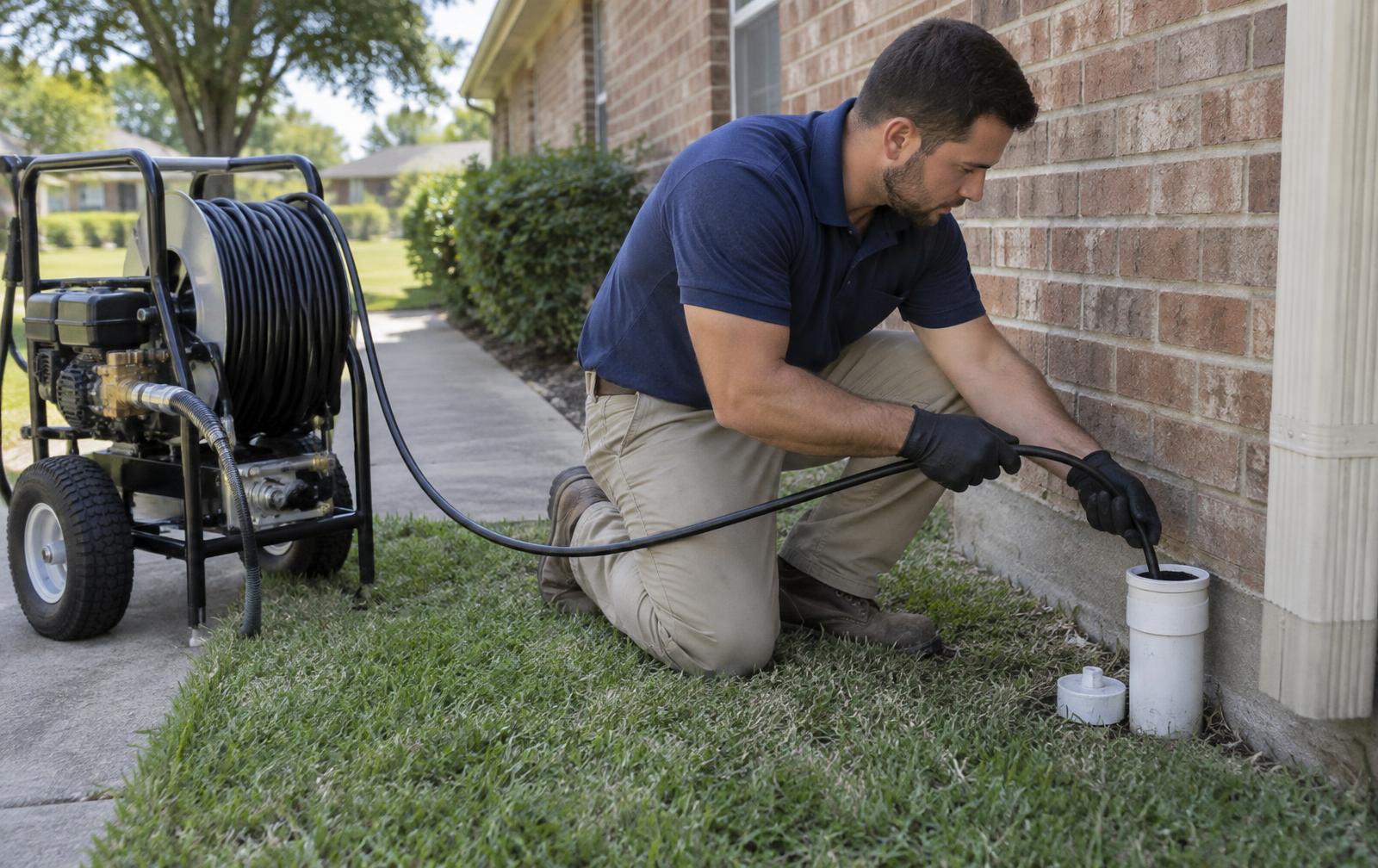
High-pressure cleaning that clears scale, grease, and roots from Richardson's lateral runs — full-diameter, lasting clean.
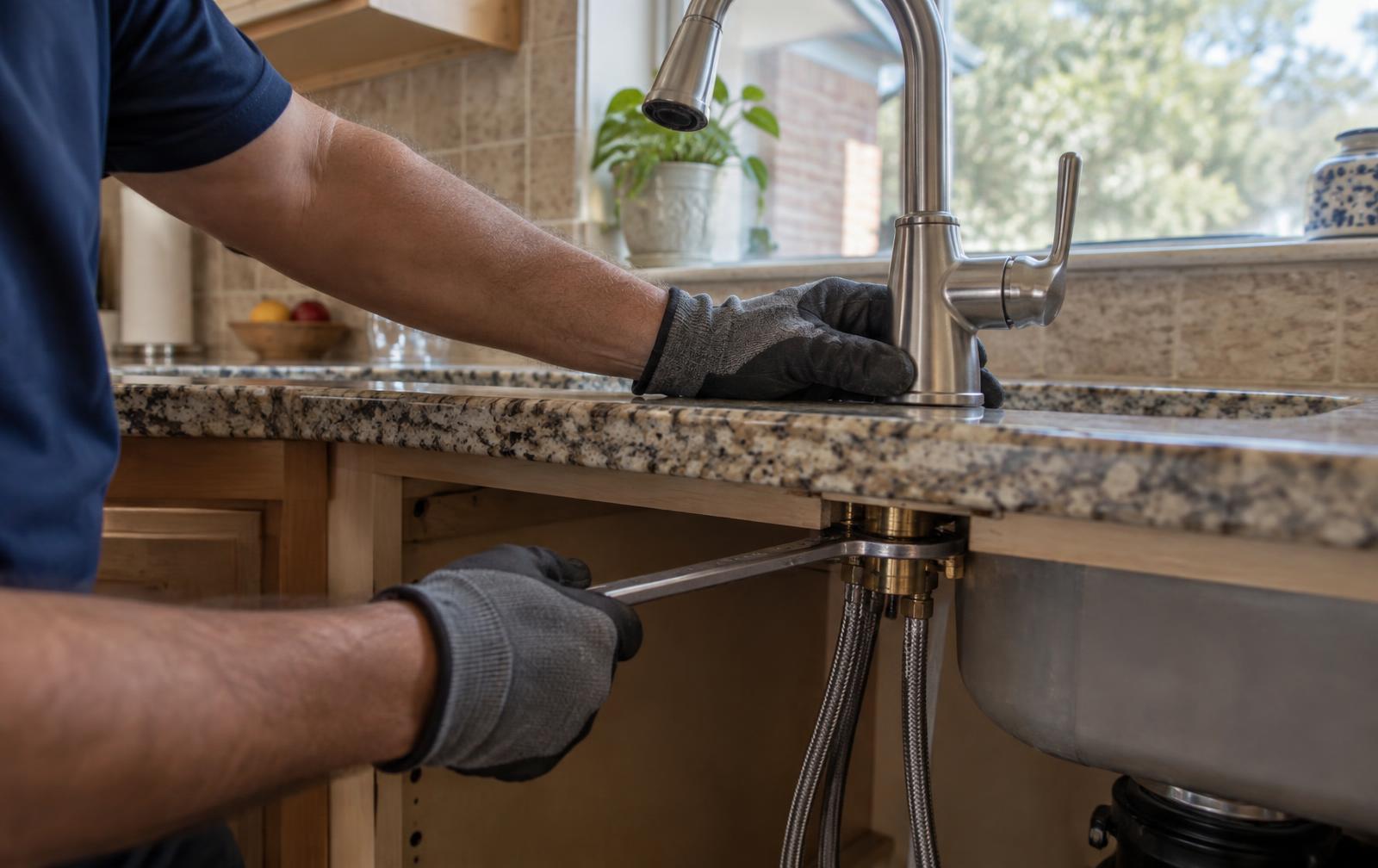
Cartridge, stem, and full-fixture replacement for Richardson kitchens and bathrooms — hard-water-ready parts stocked on the truck.
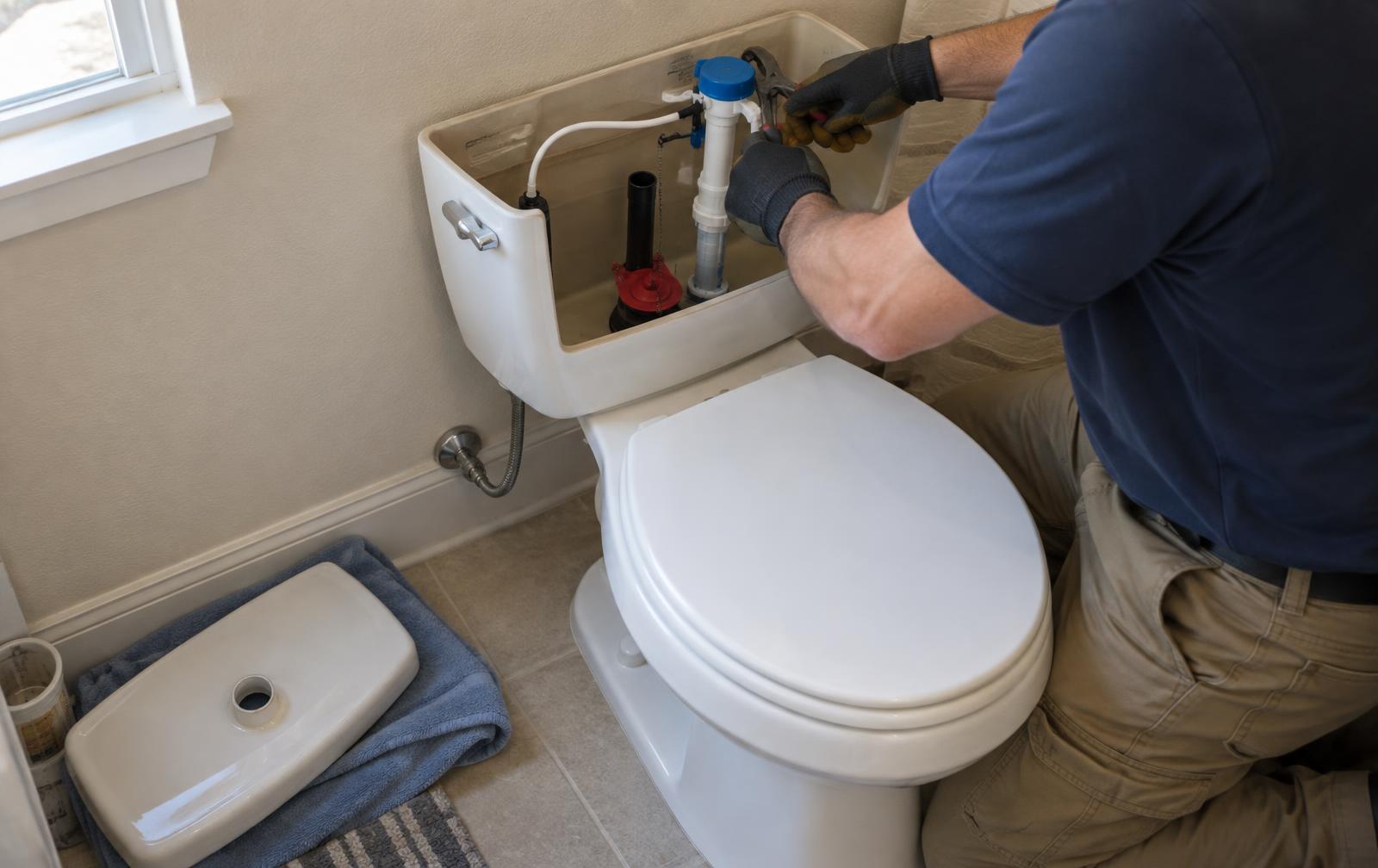
Rebuilds, wax-ring resets, flange repairs, and full replacements — the running toilets and rocking bowls in Richardson homes.
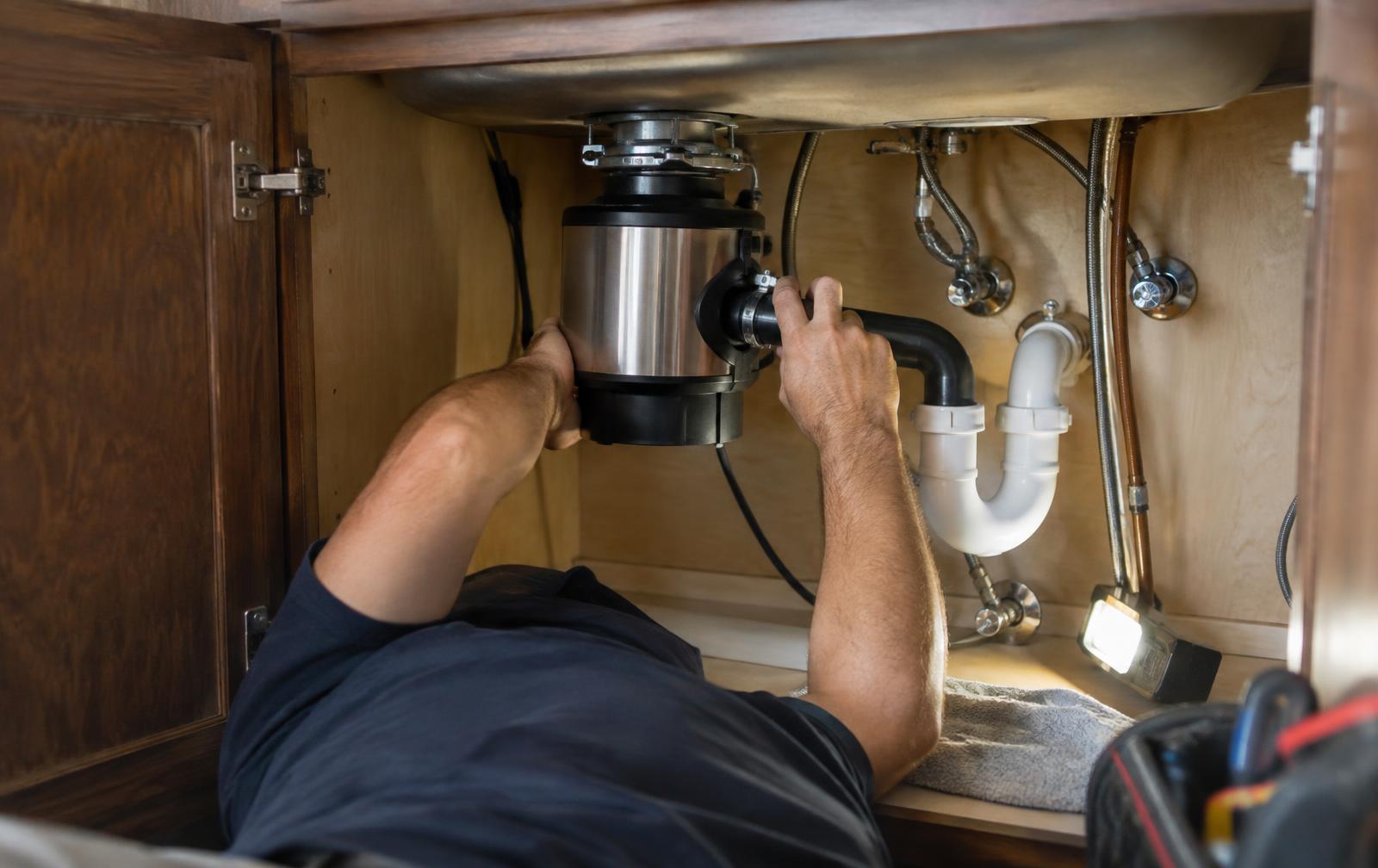
Jam clearing, leaking-unit swaps, and quiet 3/4 HP upgrades for Richardson kitchens — same-visit install.
Water Heater Trouble at Your Richardson Home?
An honest inspection, a code-compliant fix either way, and same-day response for failures. Call (945) 500-8335 to get on the schedule.