
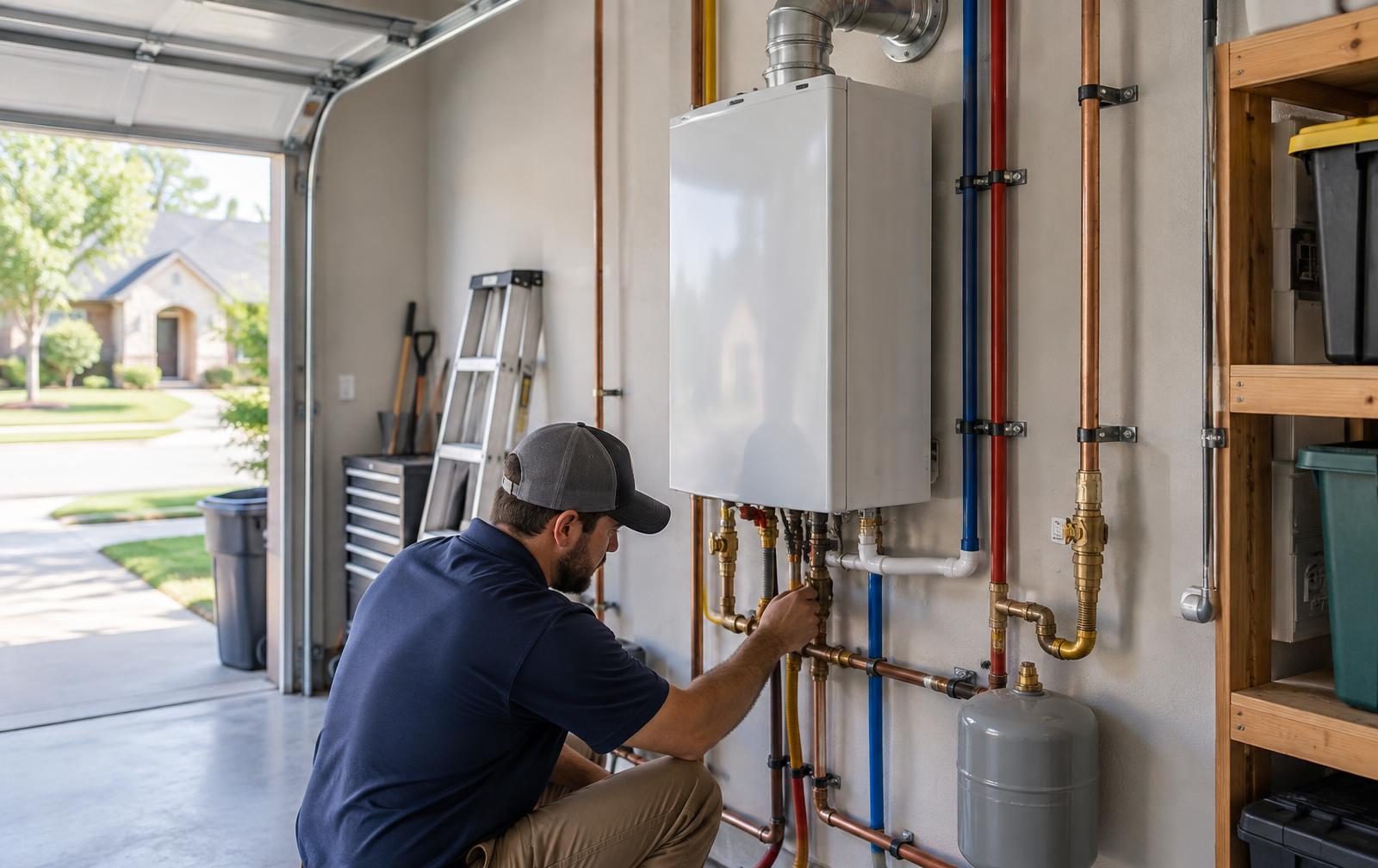
Tankless Water Heater Services in Richardson, TX
Whether you want a new unit put in, a warranty repair diagnosed, or the yearly service that keeps a tankless heater from scaling up in Richardson's mineral-heavy supply, we handle it the way the manufacturer specifies — right gas sizing, right venting, service logged every year.
The Water Here Is the Reason Tankless Needs Yearly Attention
Richardson's 2024 water quality report put hardness at roughly 18 grains per gallon — noticeably harder than what Plano gets from the same North Texas Municipal Water District supply. That mineral content coats the inside of a tankless heat exchanger faster than a softer supply would, and a unit that goes unflushed for even a few years can end up caked with scale well ahead of schedule. A tankless unit rewards regular upkeep here more than it does in most parts of North Texas.
Sizing matters just as much as maintenance. Homes around Heights Park and other older sections of the city were often plumbed with a half-inch gas line, which was fine for a standard tank but falls short of what a large tankless unit draws at full fire. Moving up to a three-quarter-inch line is a routine part of converting an older Richardson house from tank to tankless, and skipping that step is how a new unit ends up unable to hit its rated output.
Between the water chemistry and the gas sizing, a tankless install here has two ways to go wrong before it ever fails on its own. We plan around both — correct BTU and gas sizing at install, and a maintenance visit every year after that keeps the manufacturer's coverage intact instead of letting it lapse quietly.

Signs Your Richardson Tankless Unit Needs Service
A tankless heater usually warns you before it quits. Skipping the warning is what voids coverage.
Every model has its own code set covering combustion, water flow, overheating, or scale. Rather than guess, we look up your exact unit's code before recommending a fix.
As scale narrows the passages inside the exchanger, output volume drops gradually. A slower fill than you remember is often the earliest sign of buildup.
That interruption can come from a scale-narrowed flow sensor, a recirculation loop that is too small for the house, or the unit's own flow modulation struggling to keep pace — three different causes with three different repairs.
This usually points to a unit that is undersized for the household, or a gas line that cannot supply peak demand. We check the gas line first, since a narrow line is common in older parts of Richardson.
Given how mineral-rich Richardson's water runs, a full year without a descale is enough time for scale to build up to a level that shortens the unit's working life.
Steam pockets forming under a scaled layer inside the exchanger cause that popping. Left alone it moves from an annoying noise to actual damage on the exchanger surface.
Right-Sized Install, Then a Yearly Checkup
What happens at install day shapes the first ten years. What happens every year after shapes the next ten.
- 1Work out real demand before picking a unit
We total up how many fixtures might run together and figure the temperature rise needed starting from Richardson's cold incoming groundwater, which runs colder than many online sizing tools assume. That number decides both the BTU rating of the unit and whether the existing gas line needs to grow to three-quarter-inch to feed it.
- 2Match the vent to the exact model
Manufacturers specify particular vent materials, pitch, and clearance from windows or doors, and we follow that spec rather than whatever pipe happens to be on the truck. A tight mechanical closet often calls for a concentric vent kit built for that situation.
- 3Build in easy access for next year's service
Shut-off valves go in on both the hot and cold connections during install, which turns next year's descale into a short visit instead of a bigger disassembly job. Units with a condensing design also get a neutralizer so acidic condensate does not eat at the drain line over time.
- 4Run the annual maintenance visit
We close the isolation valves, run a cleaning solution through the exchanger for a set period, then flush and restart the unit. While it is open, the burner assembly, ignition sensor, and condensate path all get a visual check, and the visit gets logged with a date for warranty records.
- 5Repair using the correct parts for your model
Ignition components, gas valves, flow sensors, and control boards are the parts that fail most, and we keep common ones on hand or can source them quickly for the tankless brands installed around Richardson.
Where Tankless Installs Look Different Across Richardson
Housing age and existing gas capacity matter as much as which brand you pick.
Most homes here date to the late 1940s through the 1960s, and a lot still have the smaller original gas line that never anticipated a full-size tankless unit, so checking gas capacity is standard on any quote in this neighborhood.
Canyon Creek's blend of mid-century houses and newer builds near the University of Texas at Dallas means gas line size and existing vent routing can differ noticeably from one house to the next on the same street.
Homes in Prairie Creek trace back to the 1960s alongside the park next door, and gas piping from that era is worth a look before sizing a new tankless unit for the household.
The older, more modestly priced homes on Richardson's west side commonly share the same undersized original gas lines found across the city's postwar neighborhoods, making a capacity check part of any tankless conversation here.
Addresses along Custer Road run through several of the city's older platted sections, where original gas sizing regularly comes up short of what a modern tankless unit needs at full output.
Homes near Duck Creek Linear Park went up during Richardson's mid-century growth years, and gas lines from that period are a frequent reason a tankless quote includes a line upgrade.
What Richardson Homeowners Say

Coverage Stays Valid Because the Work Gets Logged
Model, serial number, install date, gas configuration, vent routing, and valve setup all get recorded at install for warranty registration. Every annual visit after that gets logged and dated too, which is the paperwork that keeps a long manufacturer's warranty in force rather than letting it expire quietly around year three.
Aqua Pure Plumbing is licensed by the Texas State Board of Plumbing Examiners, insured, and family-owned, dispatching every truck from our shop in The Colony. We book same-day for a unit that has stopped heating and set annual service appointments so the yearly flush never slips through the cracks.
Direct Answers About Tankless Service in Richardson
Our Other Plumbing Services in Richardson, TX
Gas line upgrades often ride along with a tankless install. We can also look at the rest of a home's supply lines during the same visit, right here in Richardson.
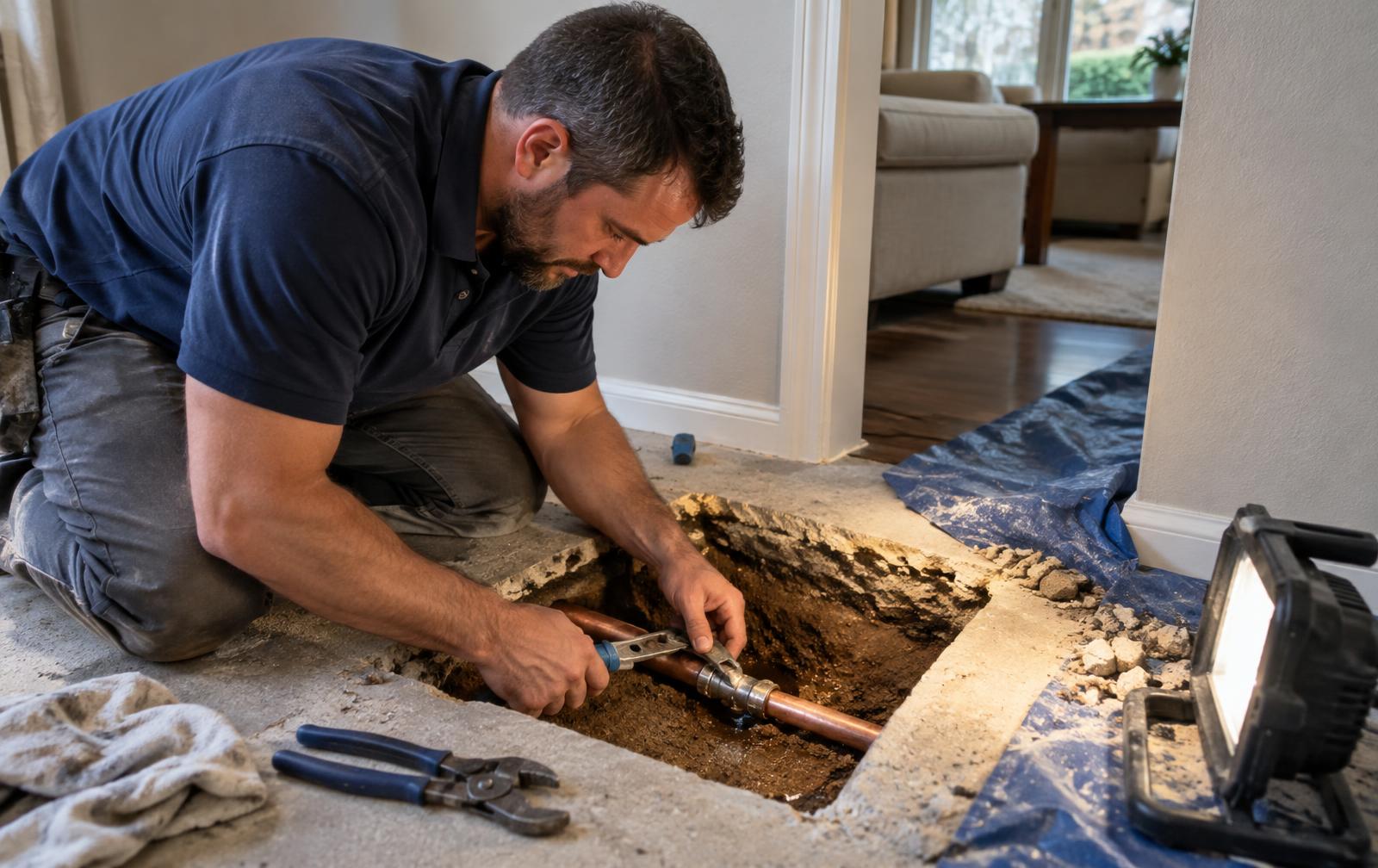
Electronic detection under Richardson slabs — reroute options that save your finished floors when possible.
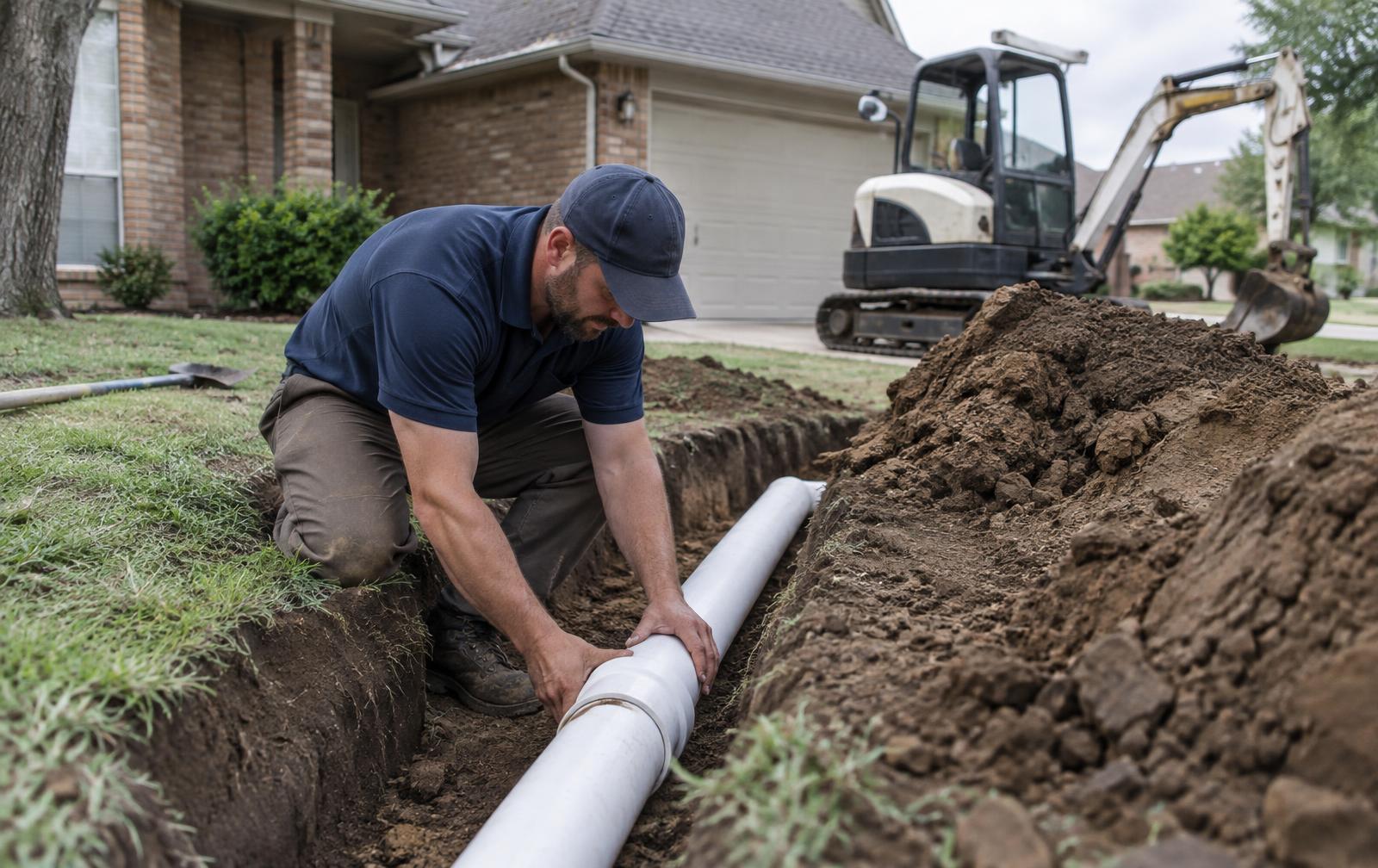
Trenchless replacement for the aging laterals across Richardson's older runs — camera first, quote in writing, minimal yard damage.
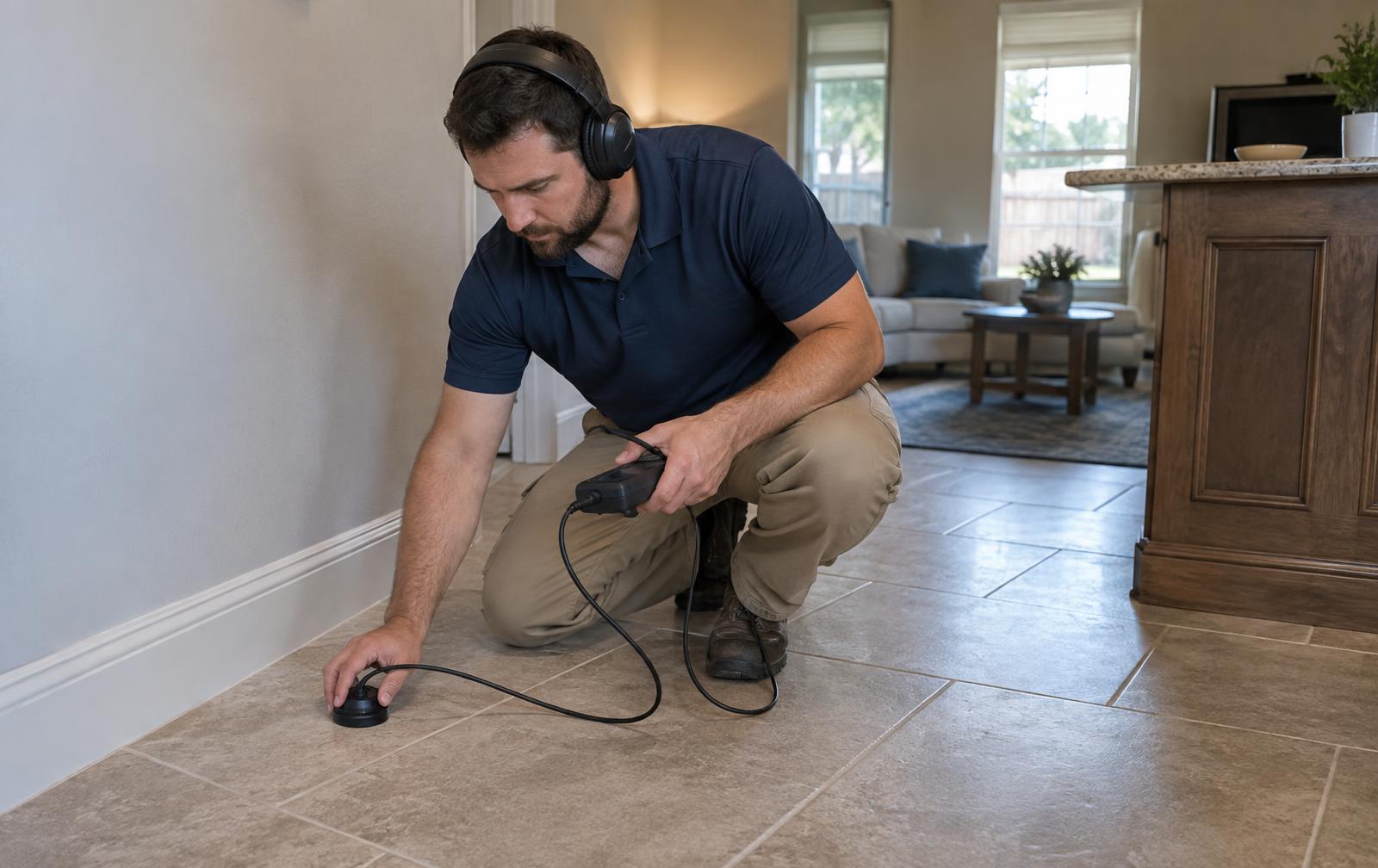
Acoustic, thermal, and pressure testing to pinpoint hidden leaks in Richardson slab and wall lines without tearing into finishes.
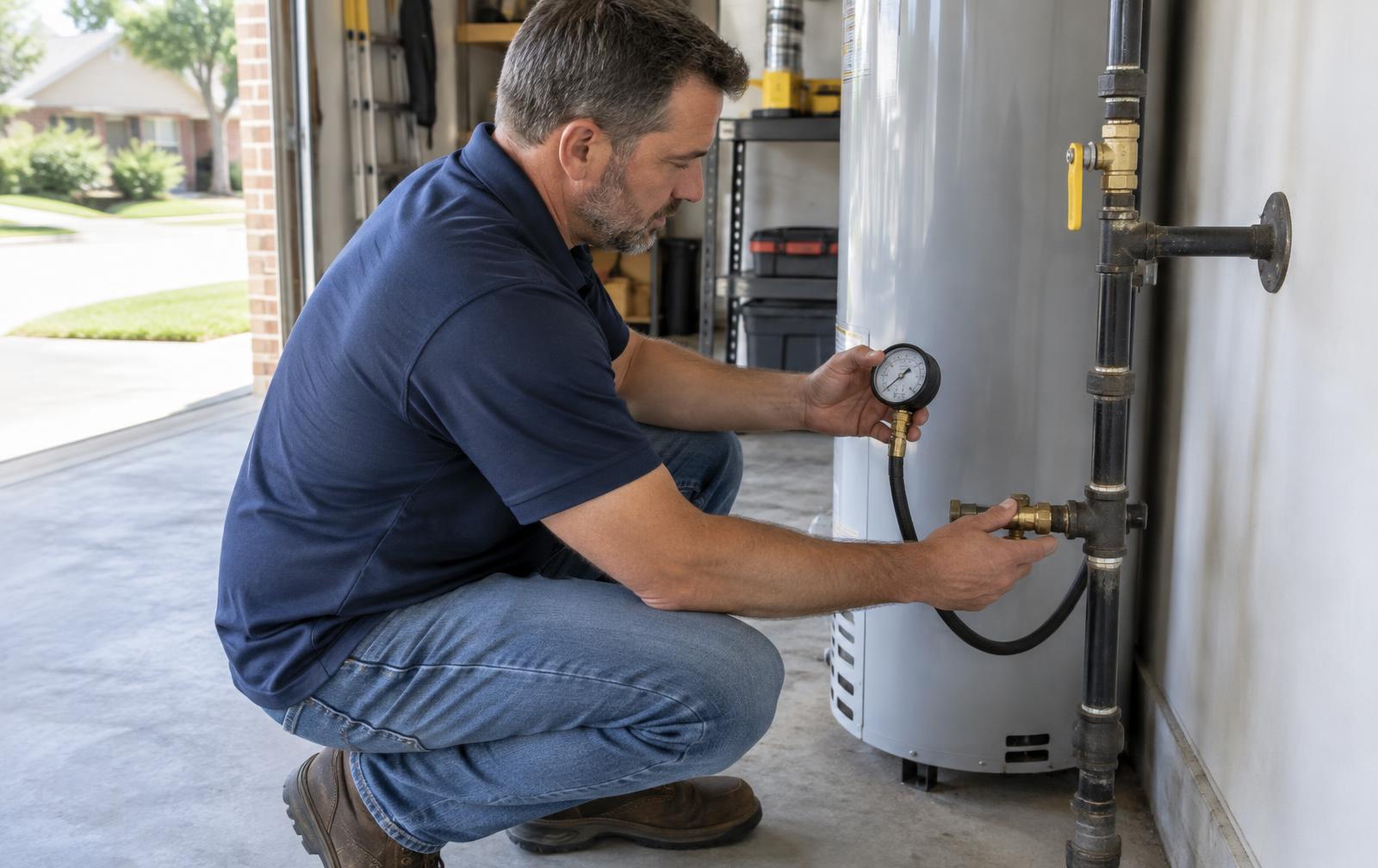
Licensed install, repair, and pressure-testing for Richardson homes — every line signed off to Texas code and Atmos requirements.
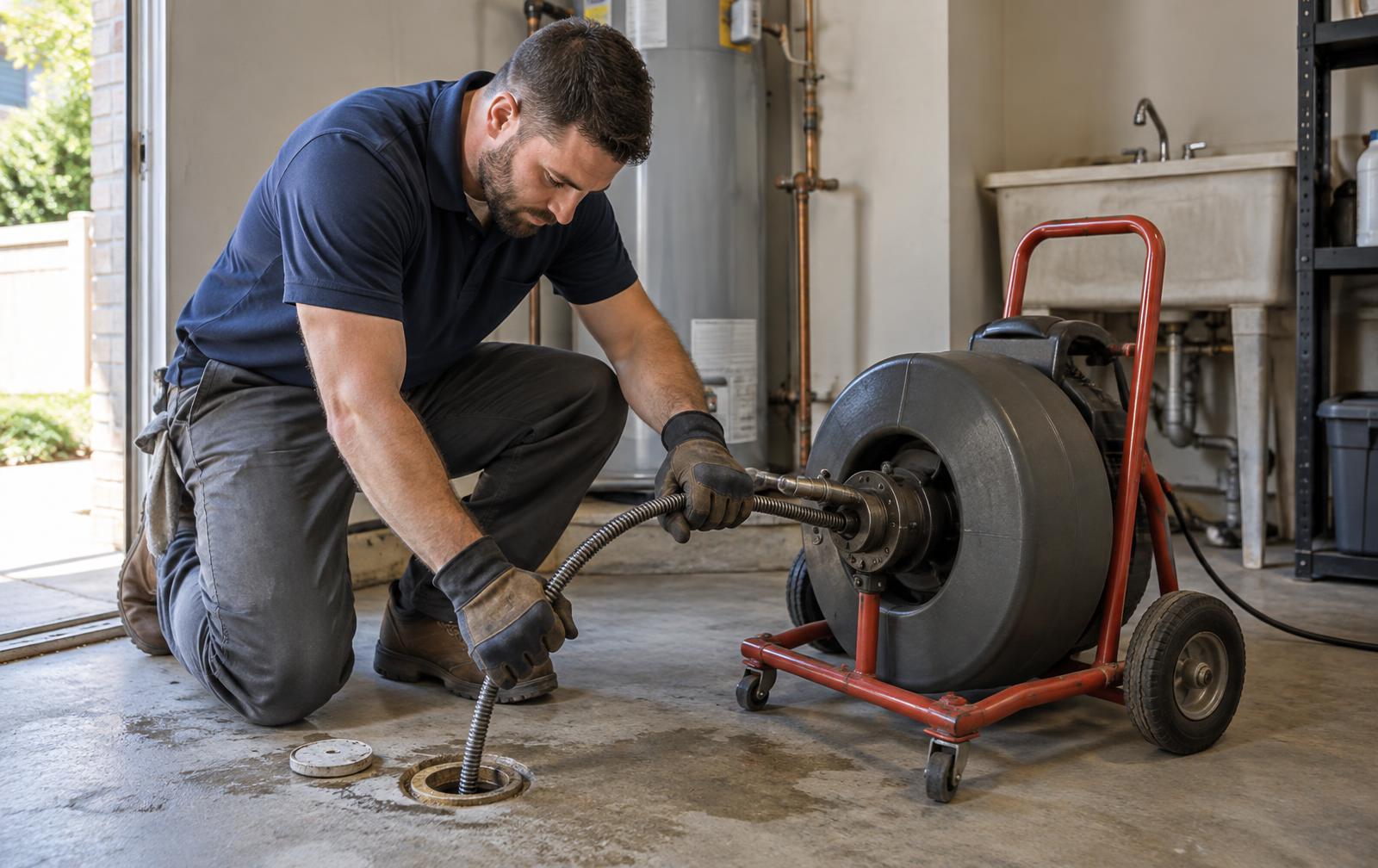
Full-clear service and camera confirmation for the drains under Richardson's neighborhoods.
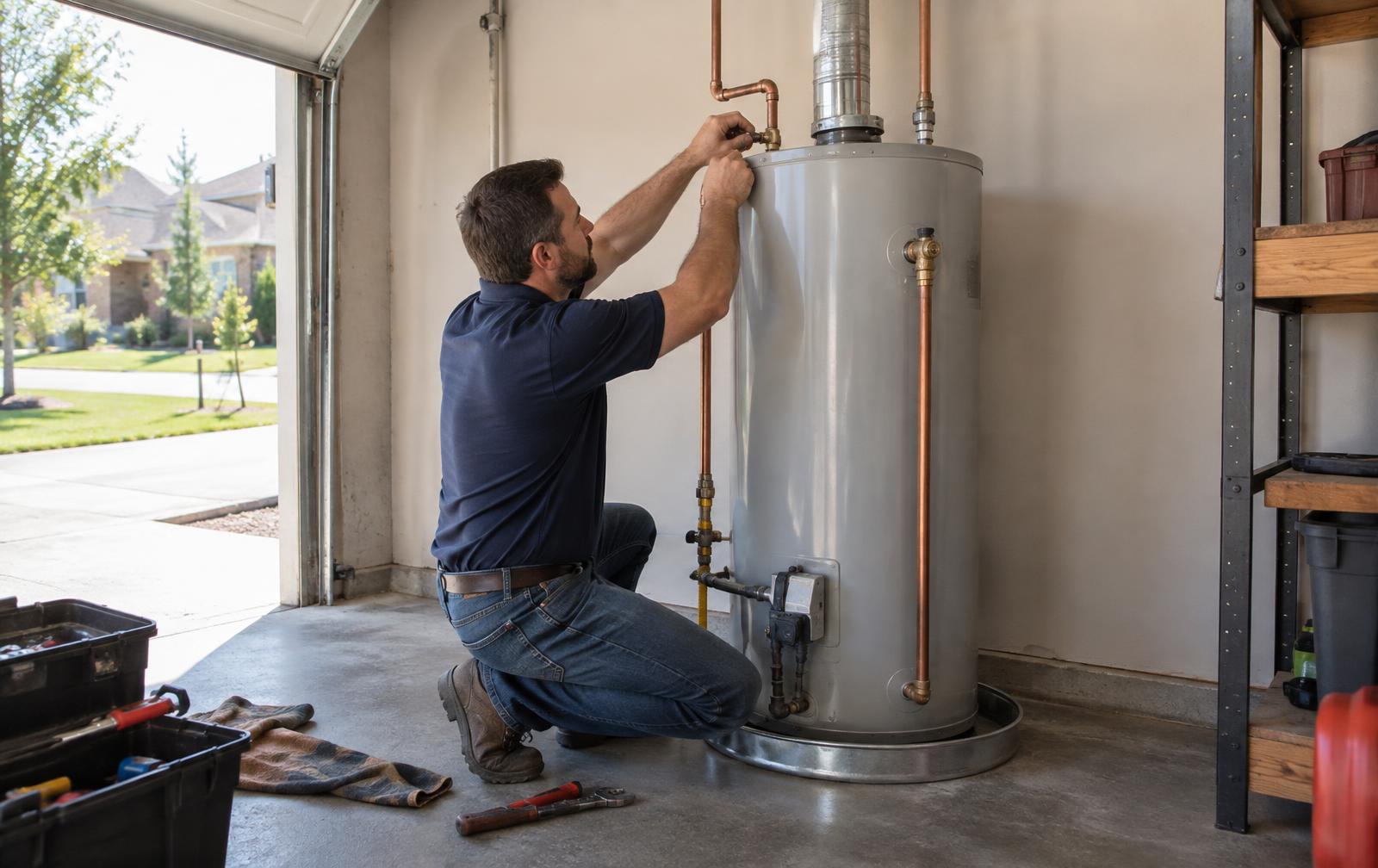
Repair, flush, and replacement of tank units — including attic and garage heaters common to Richardson homes.
same-day, 7 days a week response across Richardson for burst pipes, heater failures, and main-line backups.
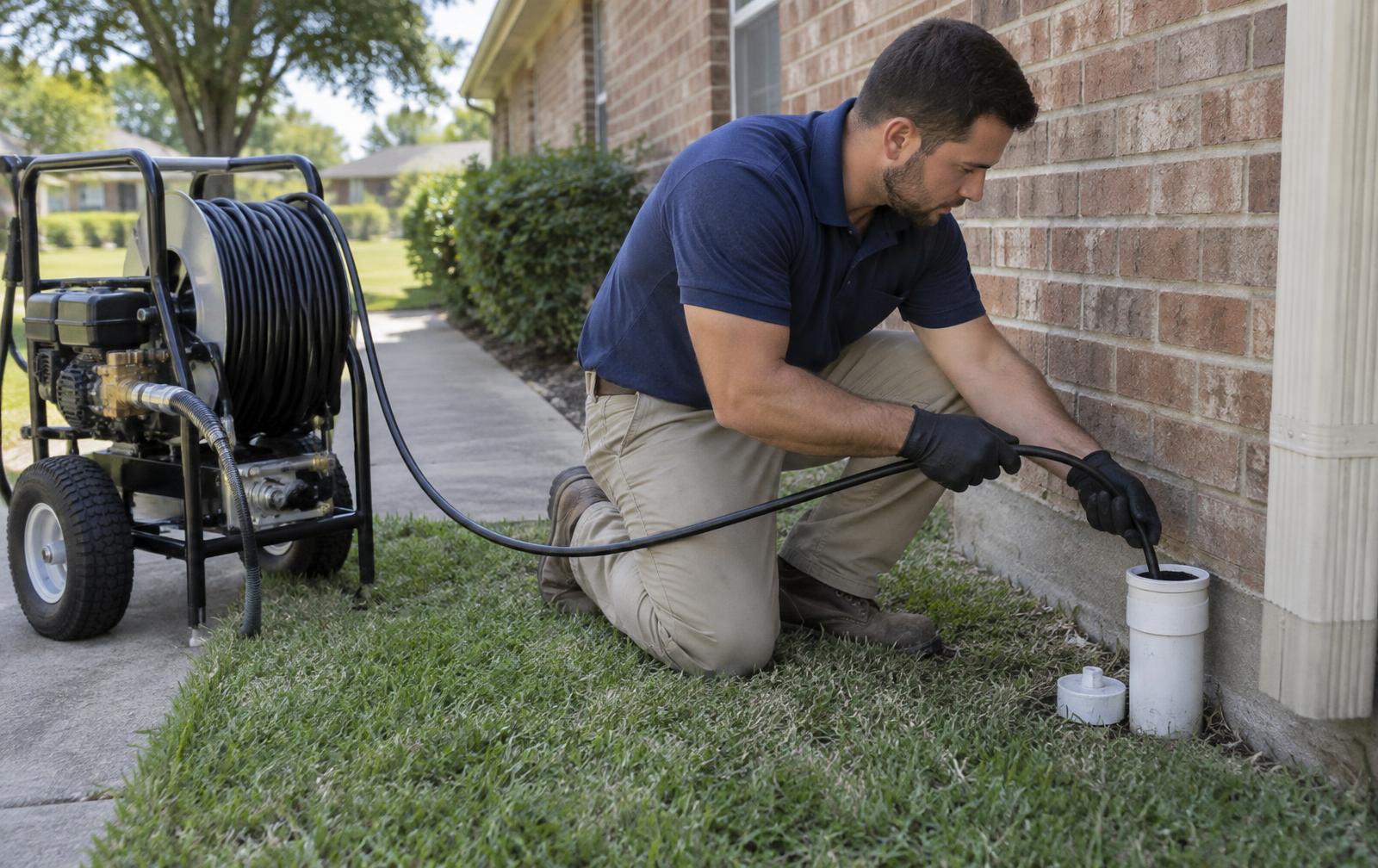
High-pressure cleaning that clears scale, grease, and roots from Richardson's lateral runs — full-diameter, lasting clean.
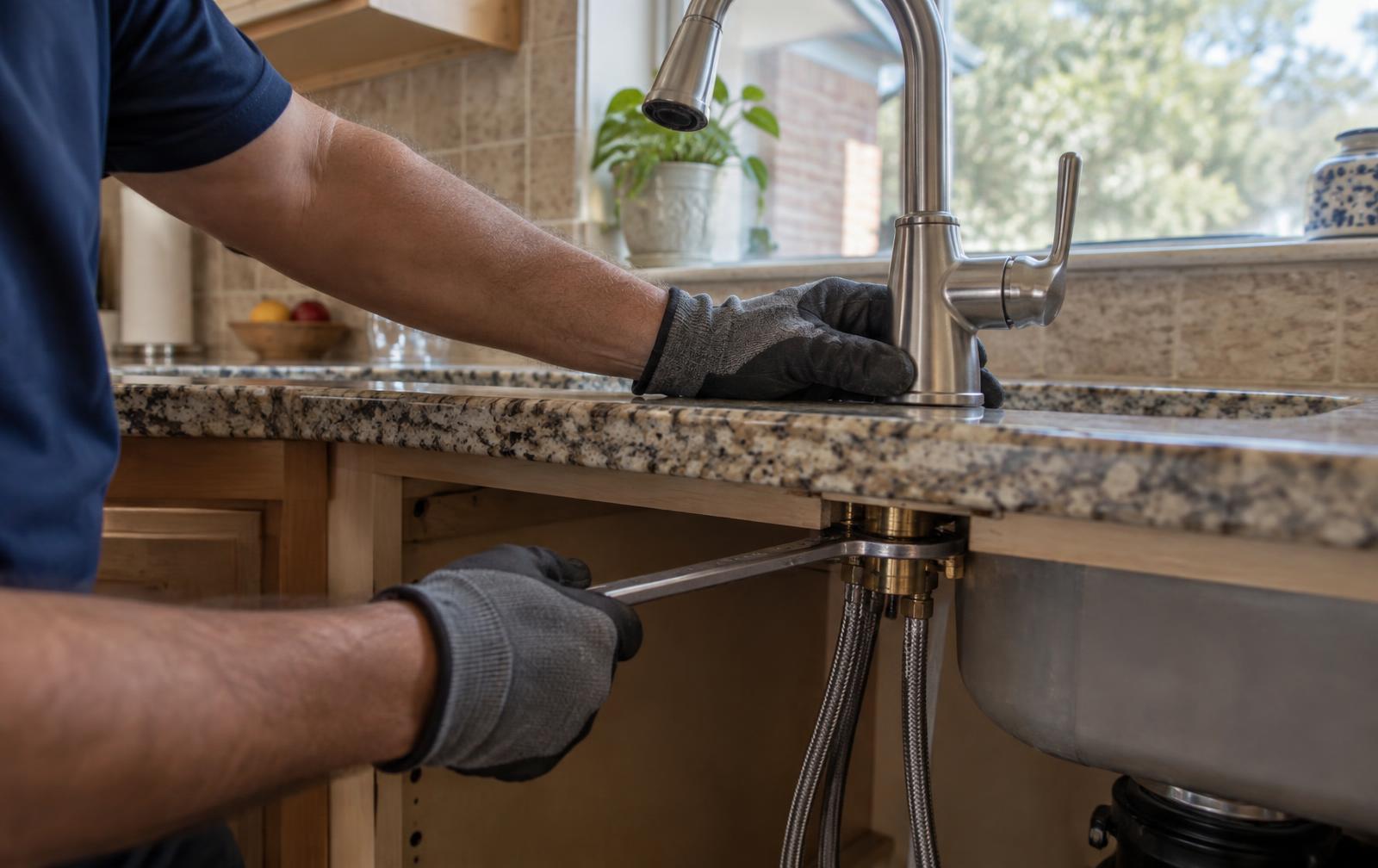
Cartridge, stem, and full-fixture replacement for Richardson kitchens and bathrooms — hard-water-ready parts stocked on the truck.
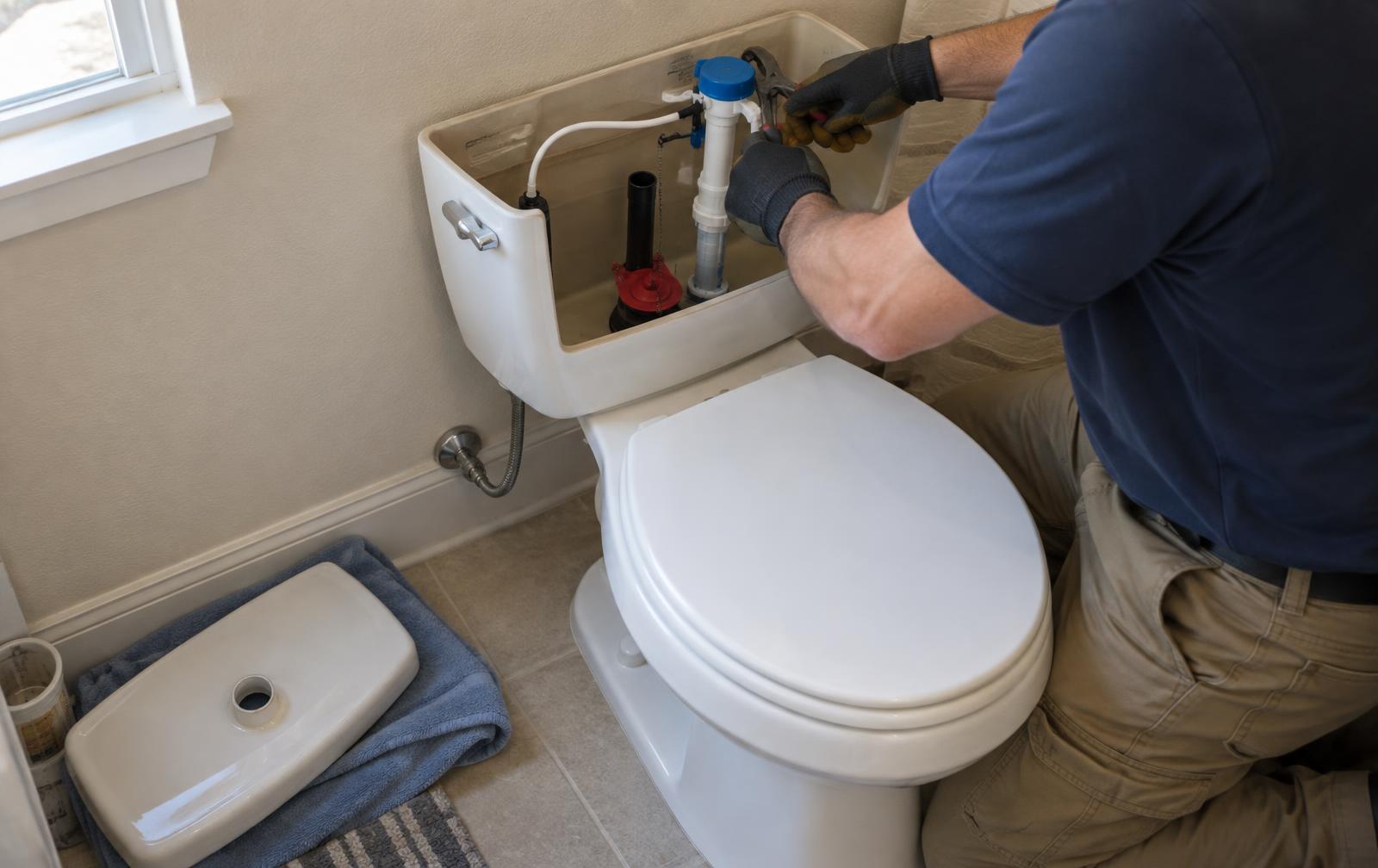
Rebuilds, wax-ring resets, flange repairs, and full replacements — the running toilets and rocking bowls in Richardson homes.
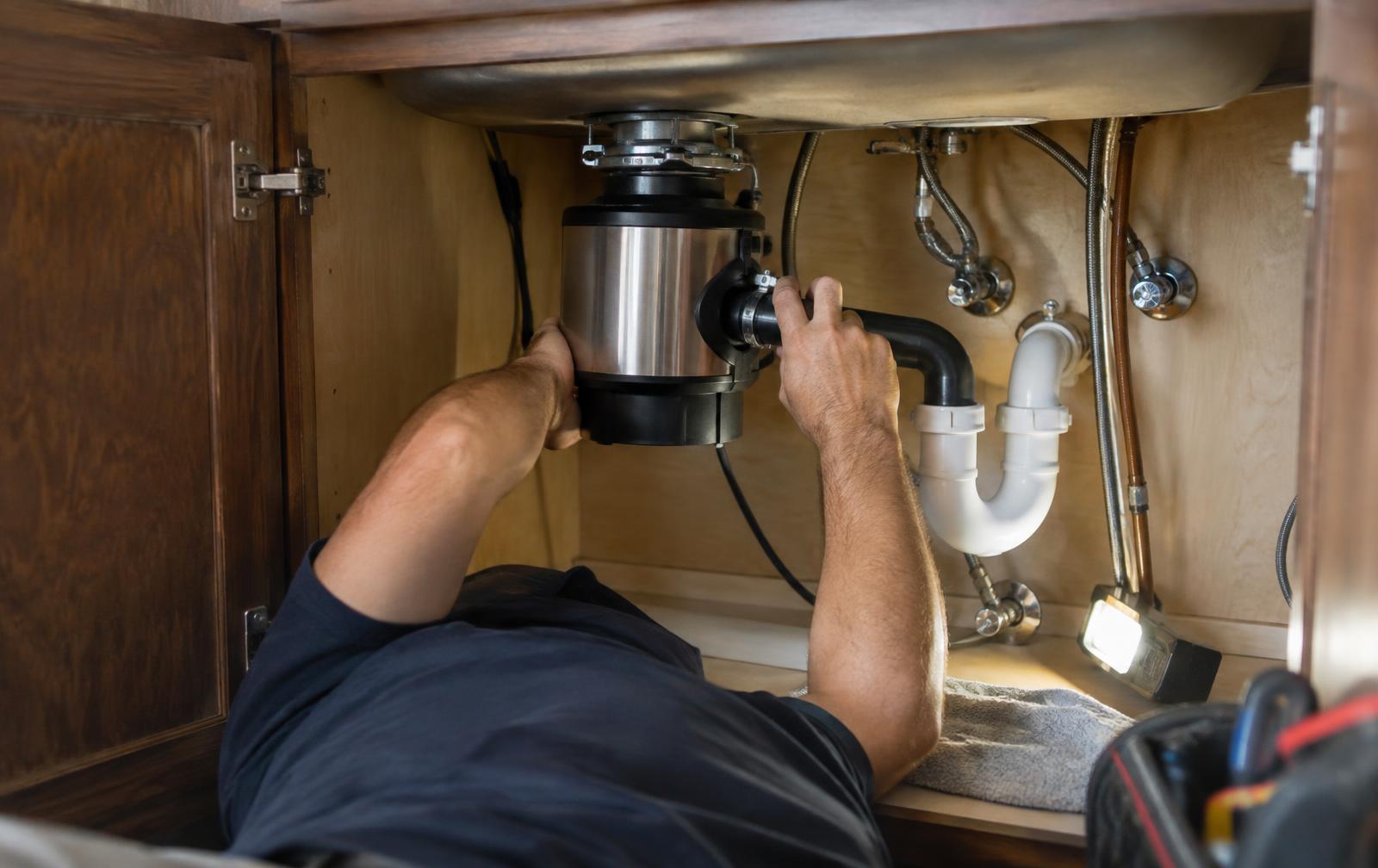
Jam clearing, leaking-unit swaps, and quiet 3/4 HP upgrades for Richardson kitchens — same-visit install.
Tankless Install or Annual Service Needed in Richardson?
Sized to the manufacturer's spec, serviced on schedule, and logged for warranty protection. Call (945) 500-8335 to get on the calendar.