
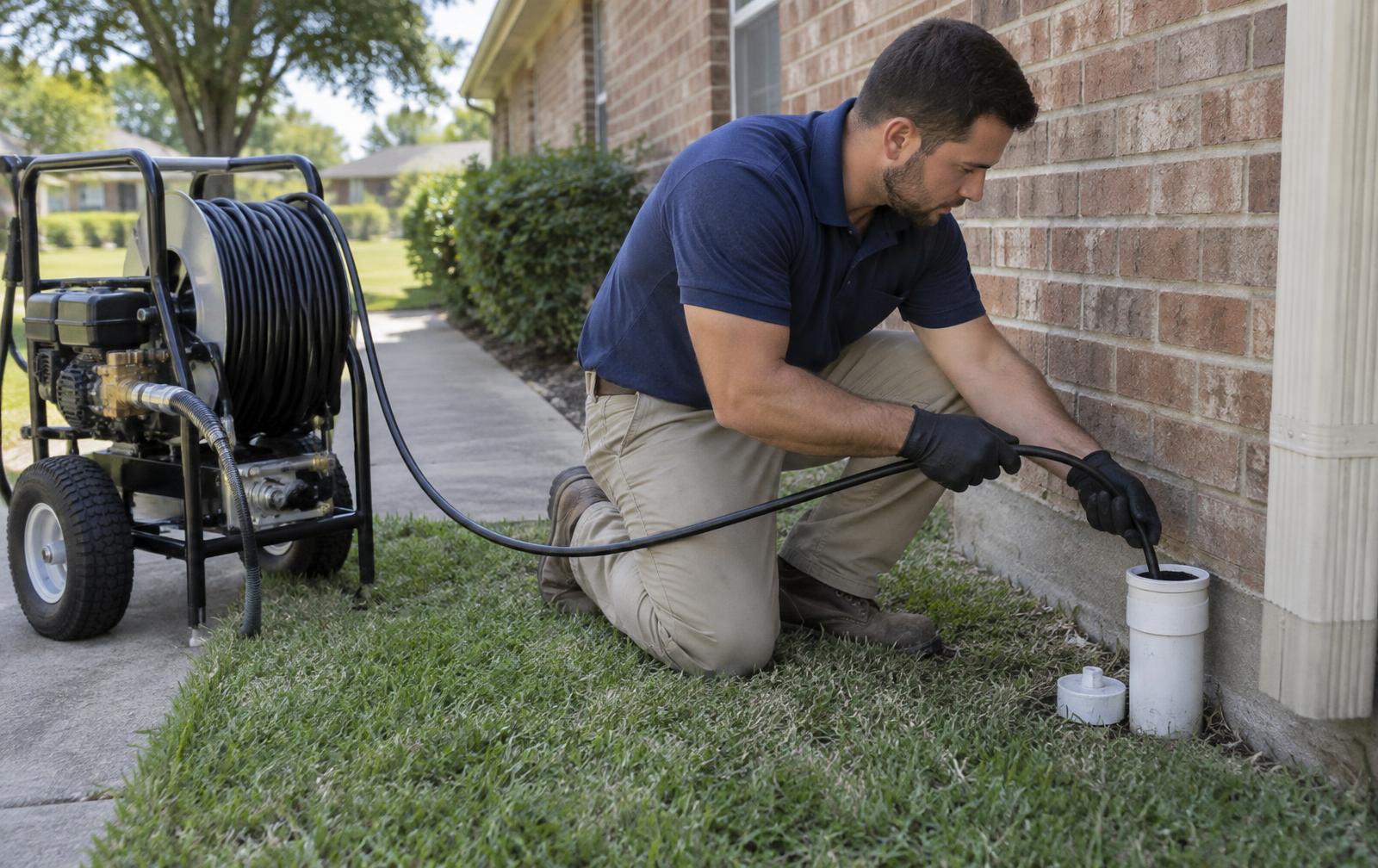
Hydro Jetting in Richardson, TX
The cable clears it for a couple of weeks and then the same drain slows down again. The camera shows a rough coating lining the inside of the pipe. That pattern calls for something beyond another cable pass — a high-pressure water jet that scours the entire wall clean and gives you back the pipe's real diameter, not just a channel through whatever was blocking it.
A Cable Opens a Hole. Jetting Opens the Whole Pipe.
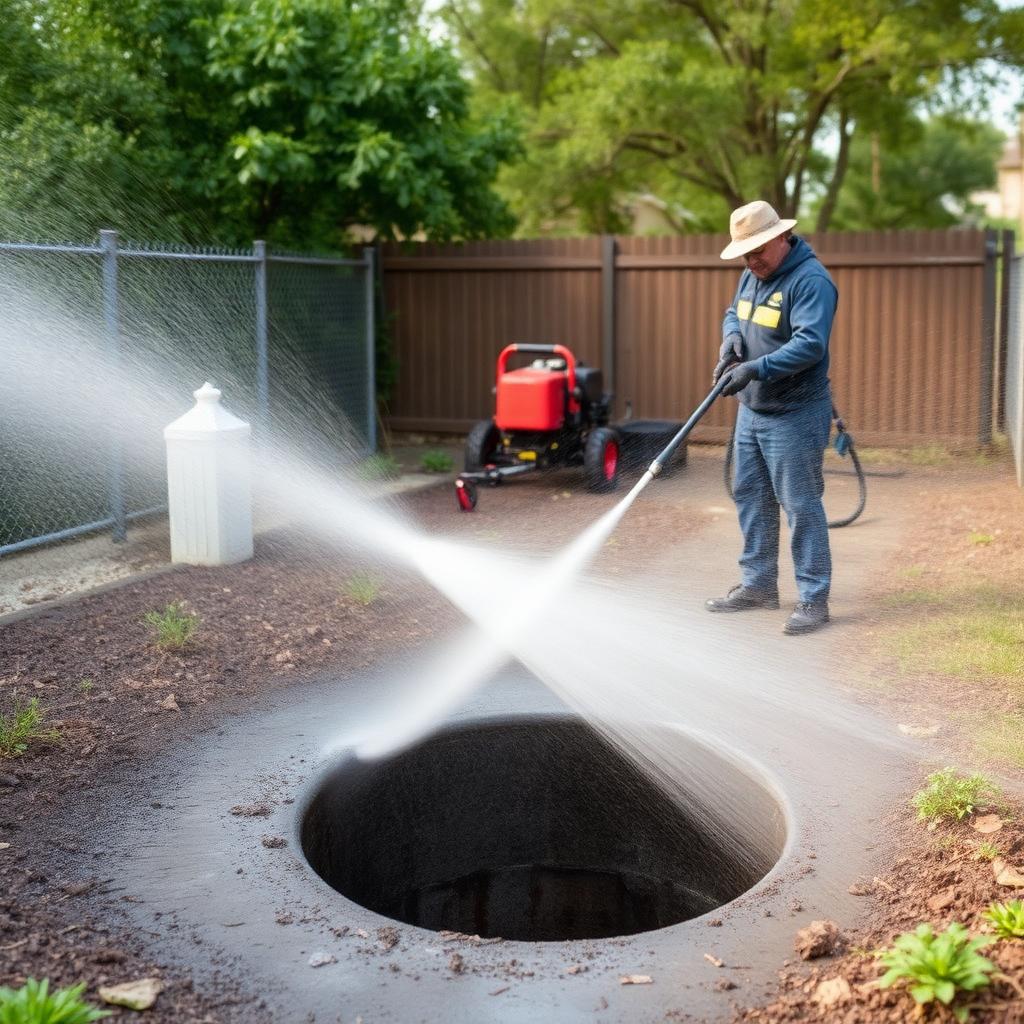
A cable machine cuts through a blockage and gets water moving, but it leaves the coating on the pipe wall largely untouched, which is why the same spot clogs again in a matter of weeks. A jetting nozzle firing water backward at several thousand pounds per square inch works differently — it scrubs the entire interior surface as it's pulled back toward the cleanout, carrying loosened debris with it instead of just punching through the center.
That difference matters more in Richardson than in a lot of newer suburbs, because so much of the residential sewer stock here still runs through cast iron laid down during the postwar building boom around Heights Park and similar neighborhoods. Cast iron scales up on the inside as it ages, and a pipe that started at four inches across can effectively shrink by half over the decades. A cable simply reopens a tunnel through that buildup; jetting removes the buildup itself.
Richardson's clay-heavy soil adds a second layer to this. The city sits within the Blackland Prairie, where the ground expands and contracts with the weather enough to shift older pipe joints out of alignment, and those gaps are exactly where roots get in. We jet cast iron mains in the older core neighborhoods, root-heavy laterals near mature tree cover close to campus, and shared lines under older duplex and multi-unit properties, always with a camera before and after so you can see the difference for yourself.
When Jetting Makes More Sense in Richardson
Cable clearing handles a lot of clogs fine. These situations call for the full scouring instead.
If a line has been cabled more than once this year and it keeps backing up in the same place, the pipe wall itself is coated with something a cable can't remove. Jetting is what actually clears that coating.
A healthy pipe interior looks smooth. If the footage shows a textured buildup running the length of the line, jetting scours it back down to the base material.
A cable cutter can chop a root mass into pieces, but the fine hair roots left behind regrow quickly. A jetting pass flushes that debris out and slows the regrowth.
If a drain runs but noticeably slower than it should, even right after being cabled, the effective diameter has likely been reduced by buildup on the walls rather than a simple blockage.
Kitchens that cook often build grease coating on the line faster than average. Scheduling a jetting pass every so often is far less disruptive than dealing with an emergency backup later.
A cast iron main from Richardson's postwar era can benefit from a jetting pass even without an active complaint, restoring diameter and pushing off eventual replacement.
Right Pressure, Right Nozzle, Camera Before and After
The nozzle and the pressure setting have to match what's actually inside the pipe.
- 1Camera the line first
We scope the pipe before jetting to see what we're dealing with — scale, grease, roots, or some combination — and to make sure the pipe is structurally sound enough to jet. A cracked section shouldn't be jetted; debris can push straight through the crack and make things worse.
- 2Pick the nozzle and the pressure
A chisel-tip nozzle handles scale, a chain flail handles heavy roots, and a penetrating nozzle handles solid grease. Pressure gets scaled to the pipe material — cast iron takes the full setting, while older or more fragile pipe gets a reduced pressure to avoid disturbing the joints.
- 3Work from the far end back toward the cleanout
The hose feeds out past the blockage first, then the nozzle fires on the way back, scouring the wall and pulling debris toward the access point instead of pushing it further downstream.
- 4Repeat the pass if the buildup calls for it
Heavy scale or heavy root growth sometimes needs two or three passes with progressively larger nozzles. That's included in the quoted price — we don't add on extra charges if a line needs more work than expected.
- 5Camera the line again to confirm
A second scope after jetting shows the pipe clean from end to end, and you can compare the before and after footage side by side. If the cleaning uncovers a section that's actually broken underneath the buildup, we say so and quote the repair honestly.
Where Jetting Tends to Pay Off in Richardson
What's actually inside the pipe usually comes down to when and where a home was built.
With plumbing mostly dating to the 1940s through 1960s, this area commonly still runs on aging cast iron mains, and scale buildup here is a frequent reason cabling alone stops working.
The mid-century-to-later construction mix near the university means pipe condition varies a lot block by block, so a camera scope before jetting tells us more than the home's apparent age does.
Homes tied to the 1960s-era park nearby often sit under mature tree canopy, and root intrusion into aging joints is a more likely repeat issue here than grease or scale.
The older, more modest housing stock in west Richardson has had fewer full sewer replacements over time, and original clay or cast iron lines here are good candidates for a preventive jetting pass.
Older lots sit close to newer construction in this stretch, and the tree cover common to the older sections makes root intrusion worth checking even without an active complaint.
Several building eras meet along this corridor, and where Blackland Prairie clay movement has had the longest to work on older joints, that's where recurring clogs tend to show up.
What Richardson Homeowners Say
You See the Before and the After, Not Just Our Word
Every jetting job includes the before-and-after camera footage for your own records. If the pre-jet scope shows a broken section of pipe, we stop and tell you rather than jetting it anyway, since that can push debris straight through a crack and cause more damage. Every price is written down before the equipment starts running.
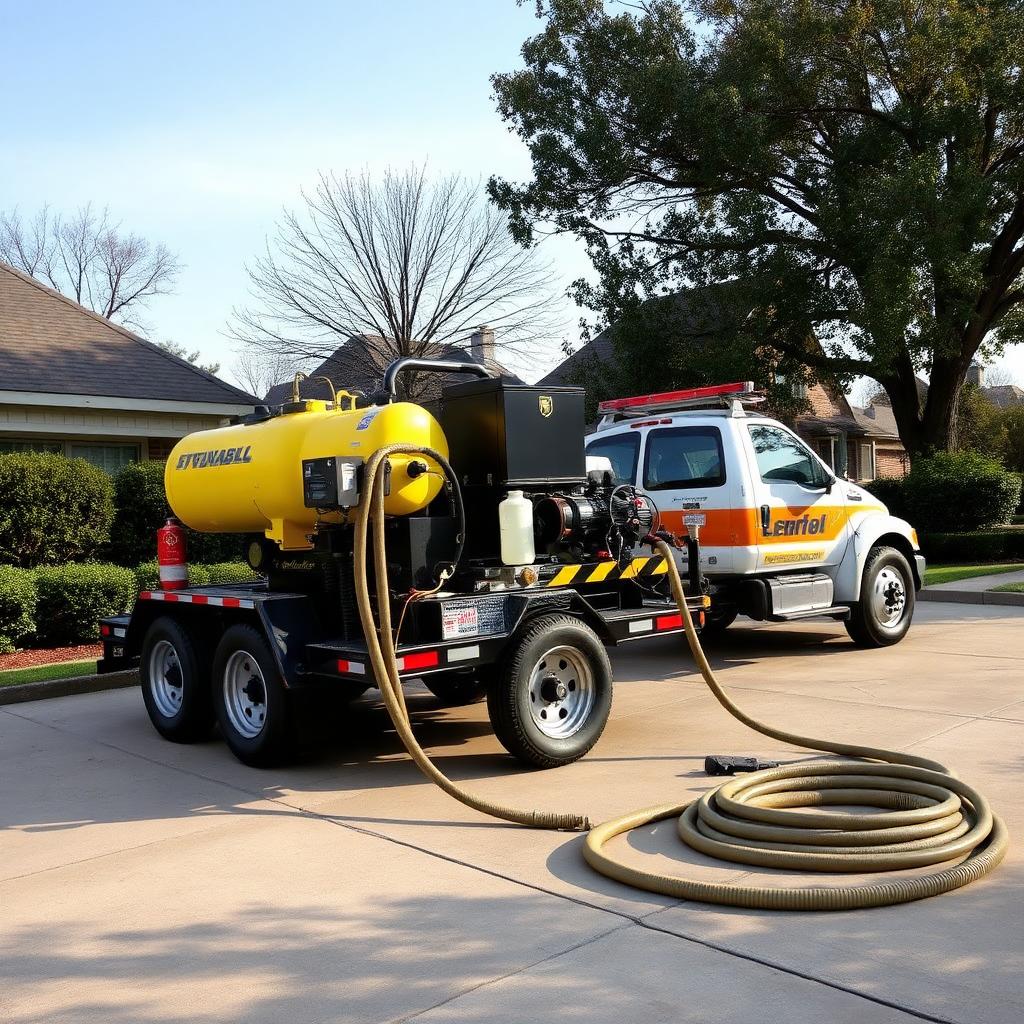
Licensed by the Texas State Board of Plumbing Examiners, insured, and family-owned, dispatching from our shop in The Colony with the trailer-mounted equipment many smaller residential outfits around Richardson don't carry. Same-day service is available for a backup that's already happened before.
Straight Answers, No Sales Pitch
Our Other Plumbing Services in Richardson, TX
Jetting often sits between a simple cable clearing and a full pipe replacement. If the camera shows the line is actually failing, we handle that replacement locally too, from our shop in The Colony.
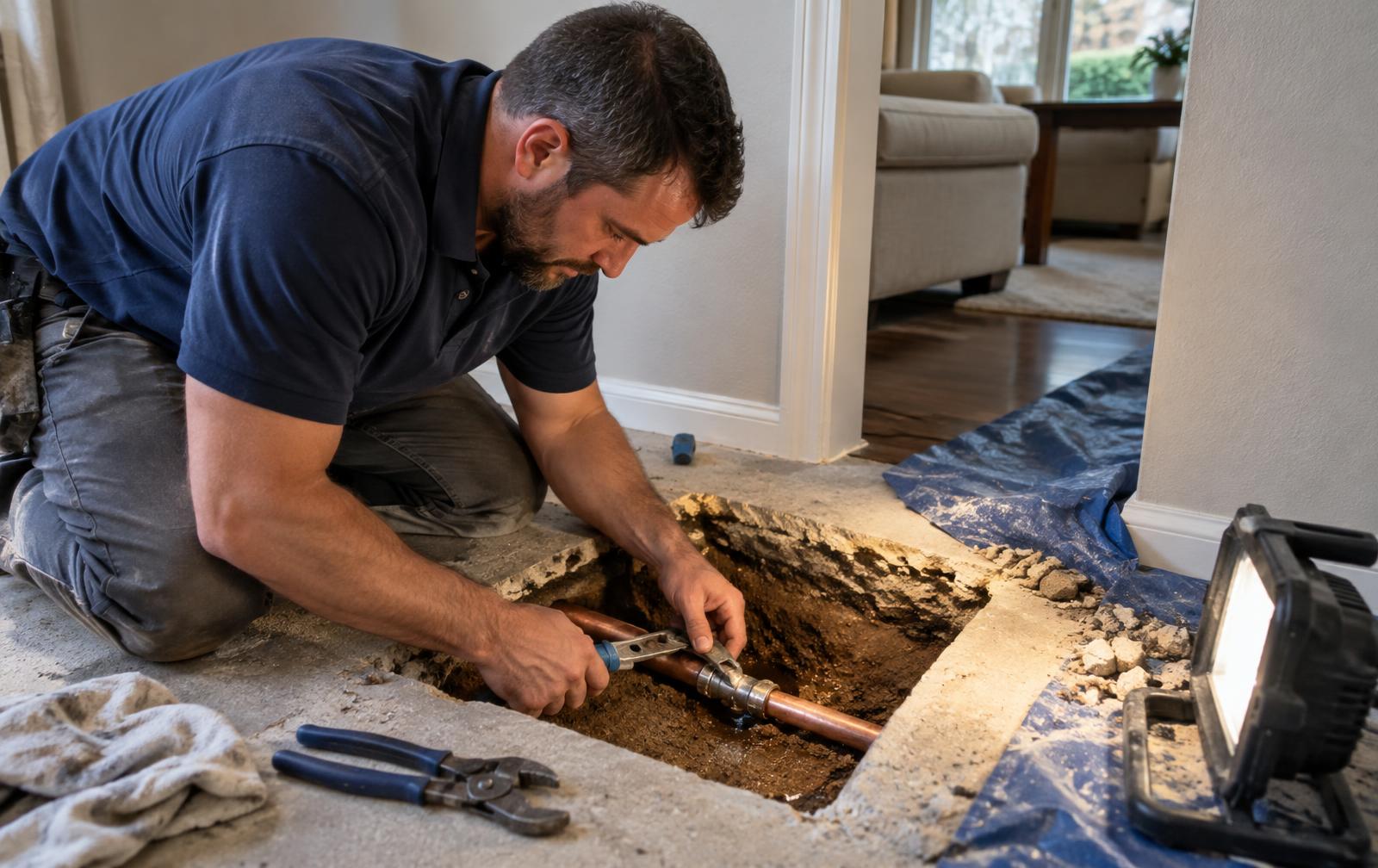
Electronic detection under Richardson slabs — reroute options that save your finished floors when possible.
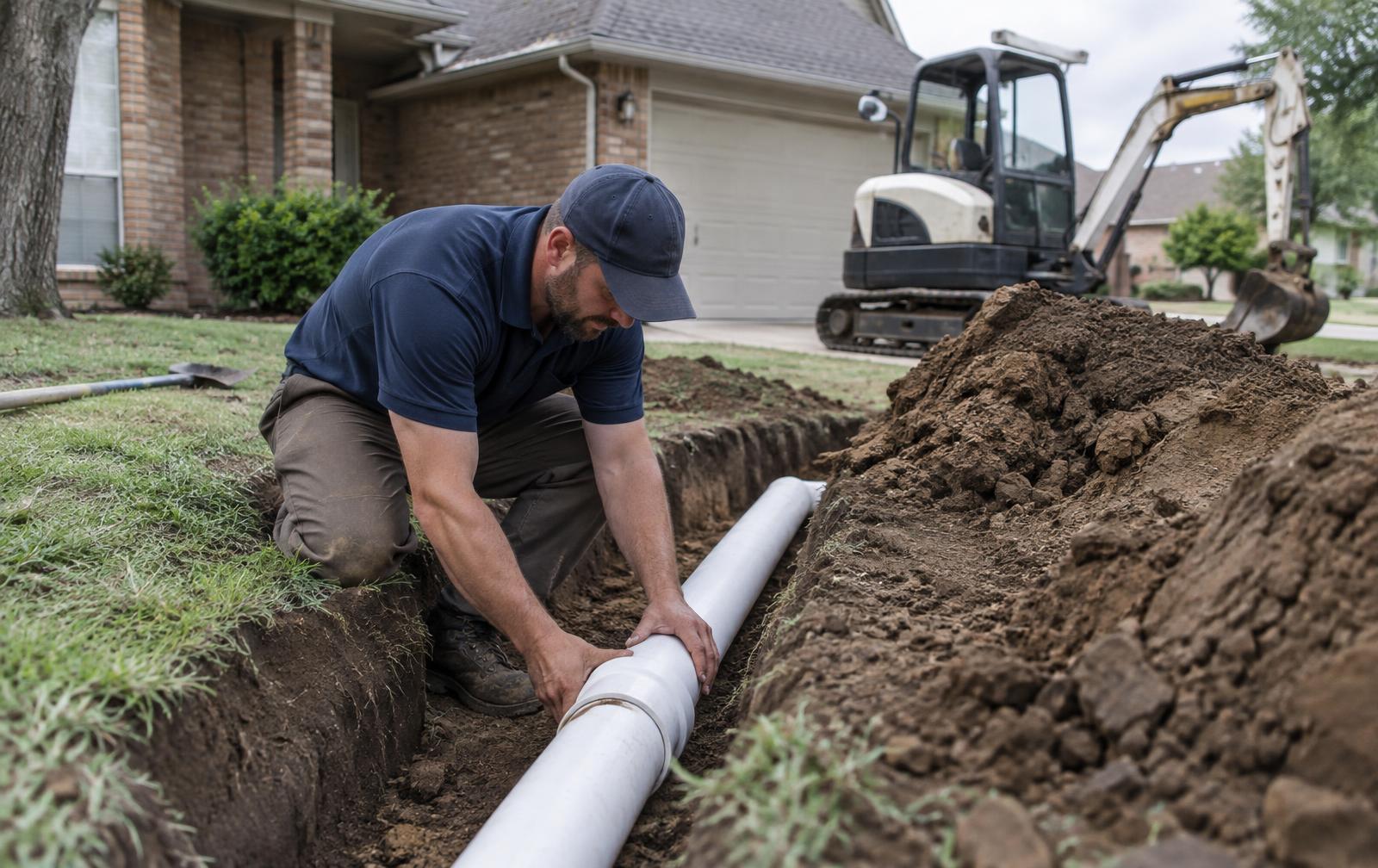
Trenchless replacement for the aging laterals across Richardson's older runs — camera first, quote in writing, minimal yard damage.
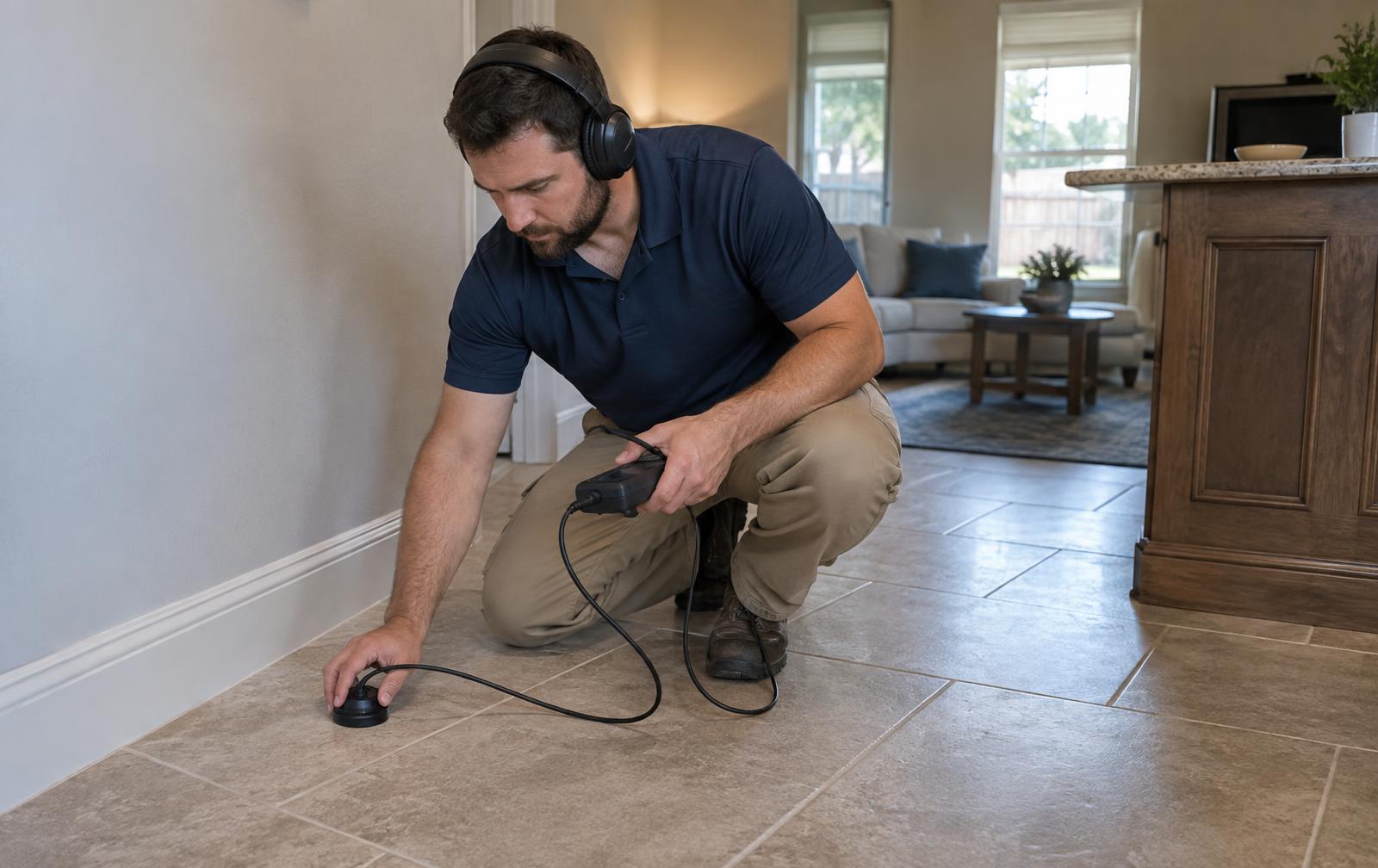
Acoustic, thermal, and pressure testing to pinpoint hidden leaks in Richardson slab and wall lines without tearing into finishes.
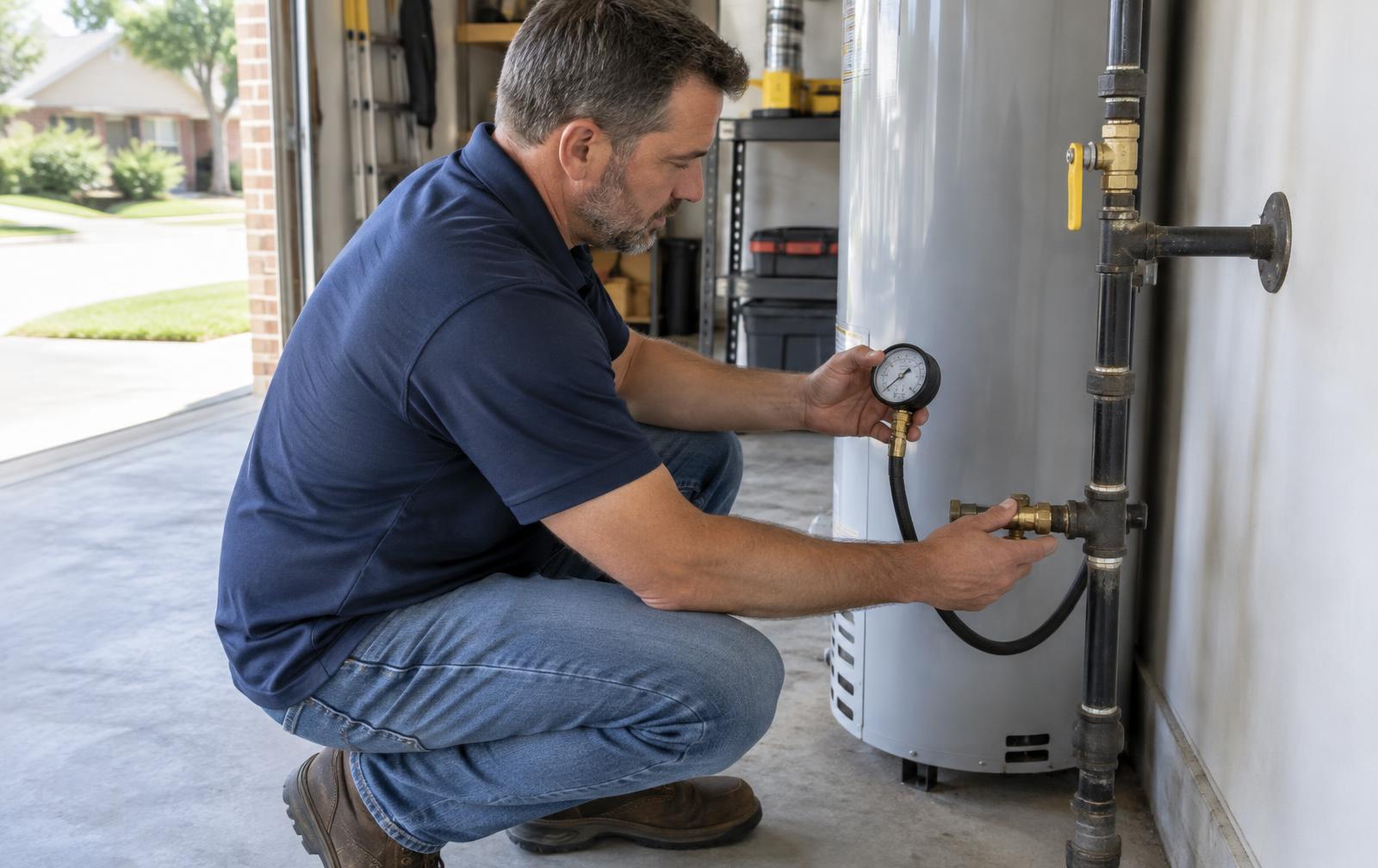
Licensed install, repair, and pressure-testing for Richardson homes — every line signed off to Texas code and Atmos requirements.
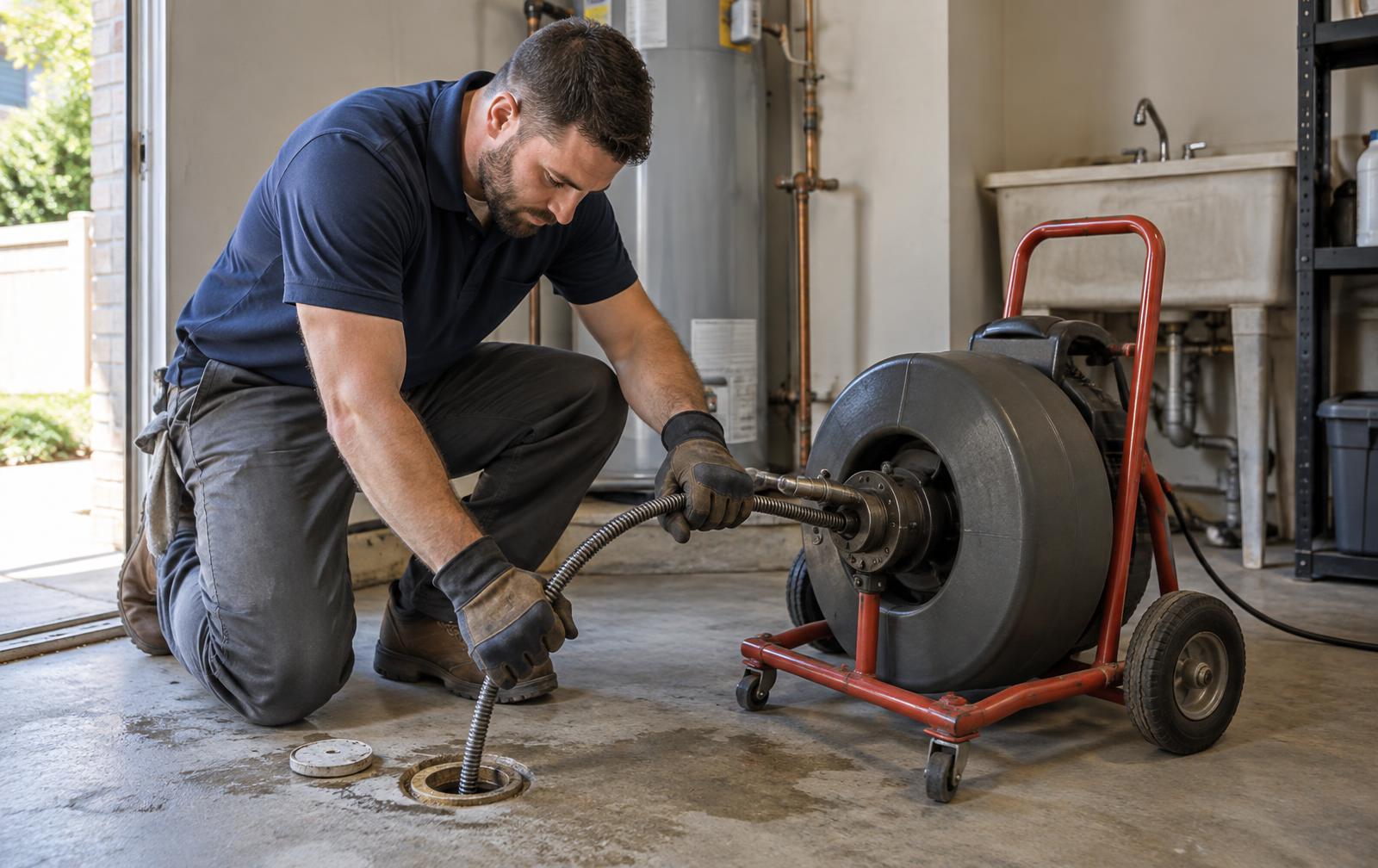
Full-clear service and camera confirmation for the drains under Richardson's neighborhoods.
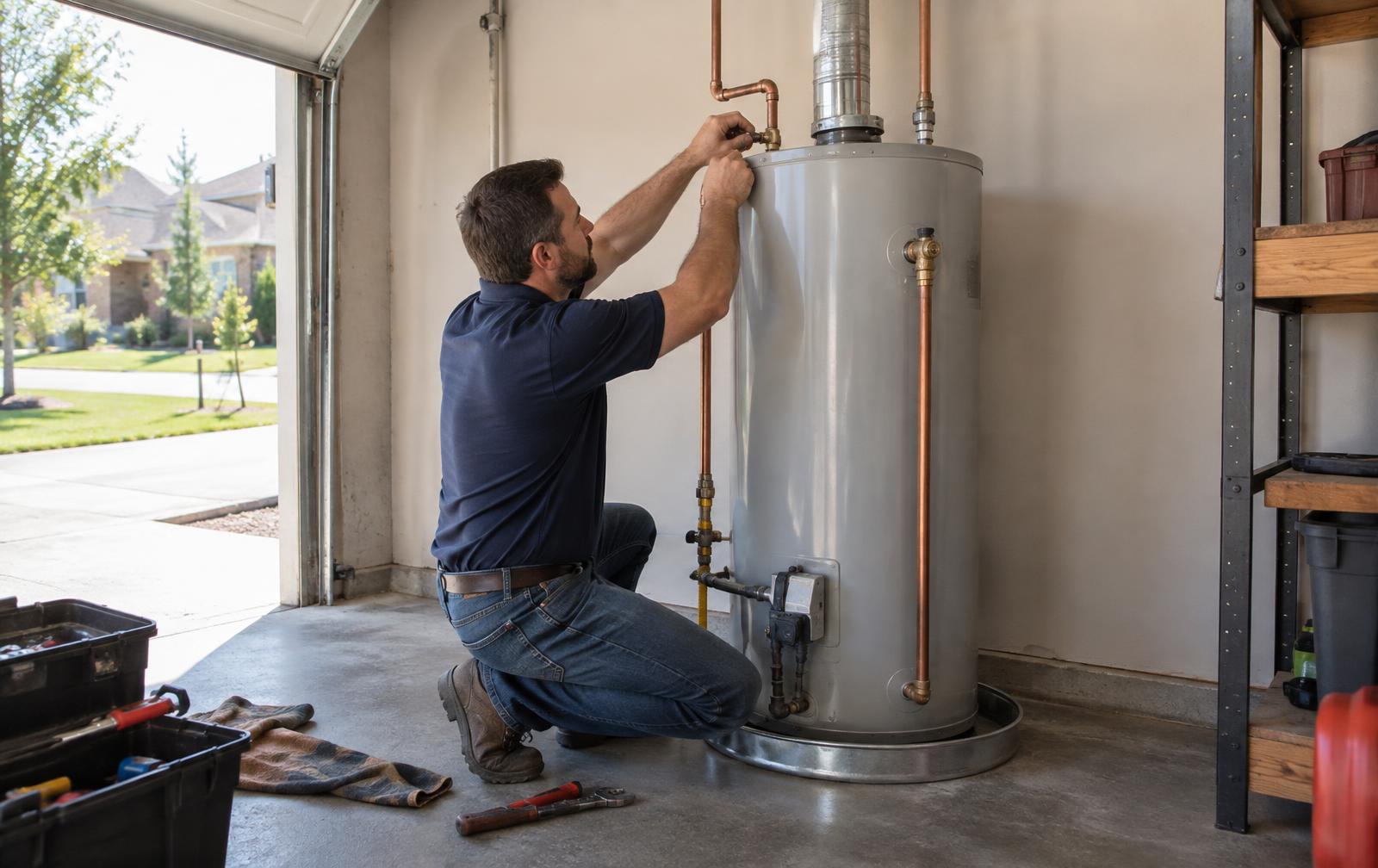
Repair, flush, and replacement of tank units — including attic and garage heaters common to Richardson homes.
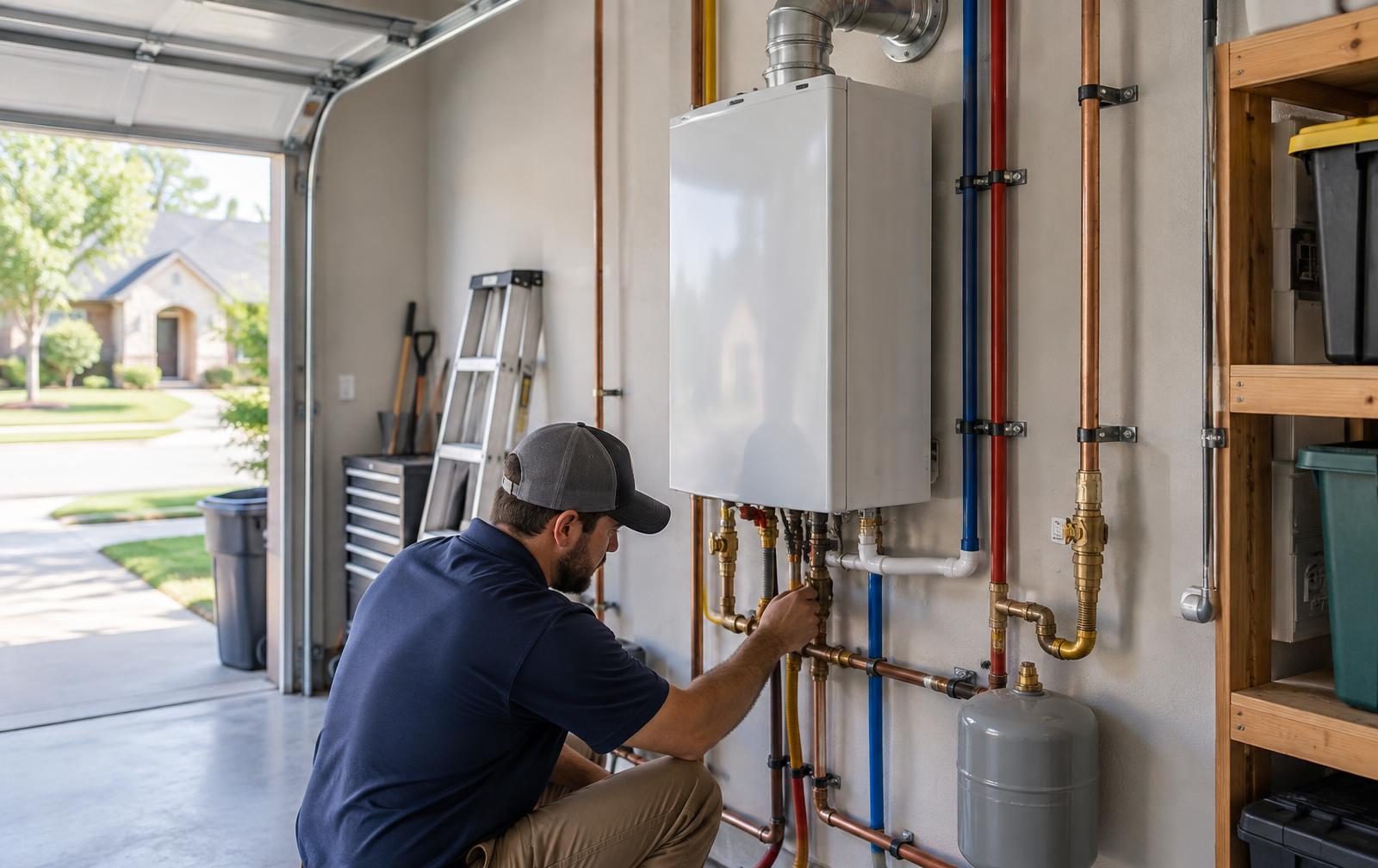
Install, service, and annual descaling — Richardson's hard tap water eats tankless heat exchangers without it.
same-day, 7 days a week response across Richardson for burst pipes, heater failures, and main-line backups.
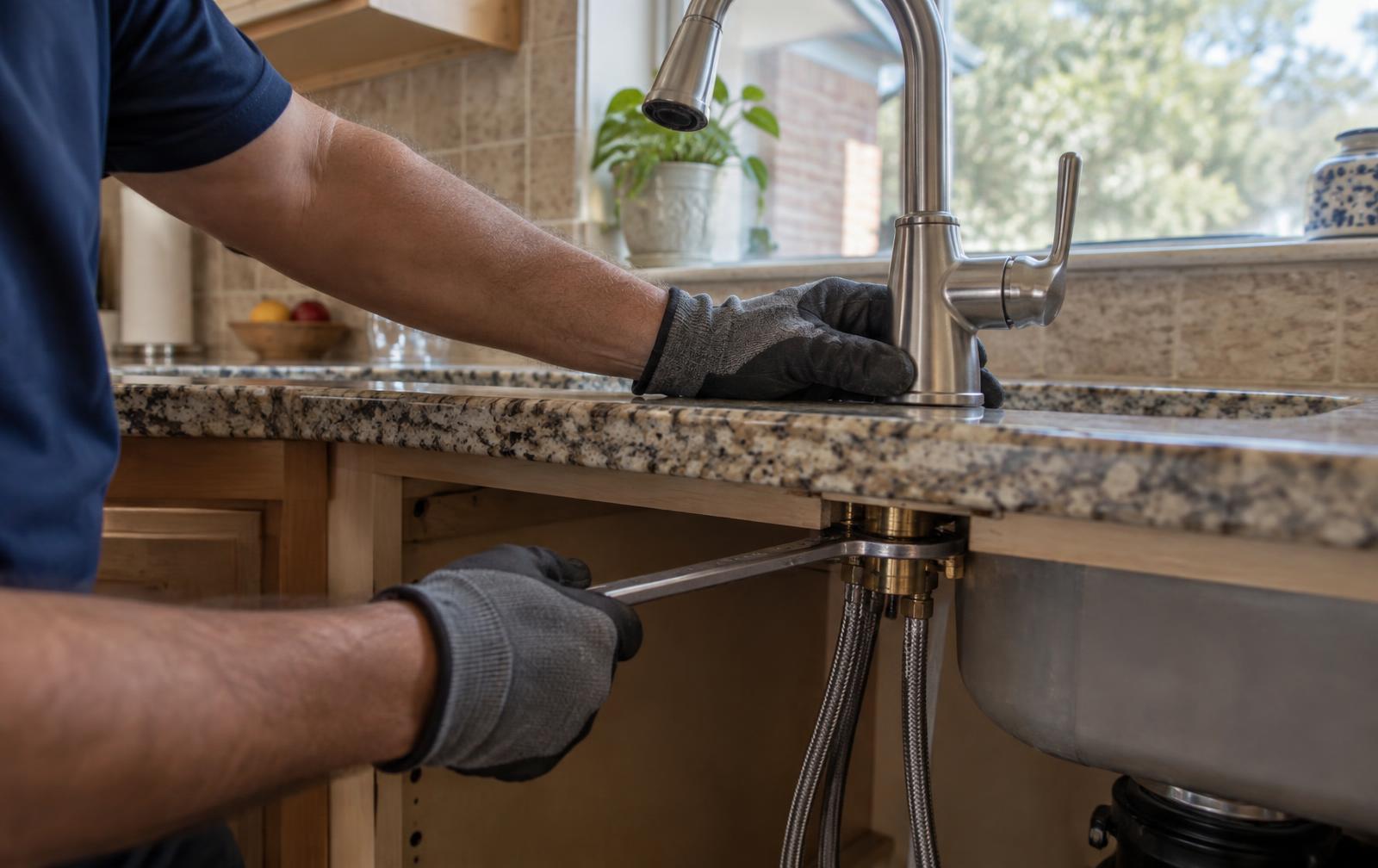
Cartridge, stem, and full-fixture replacement for Richardson kitchens and bathrooms — hard-water-ready parts stocked on the truck.
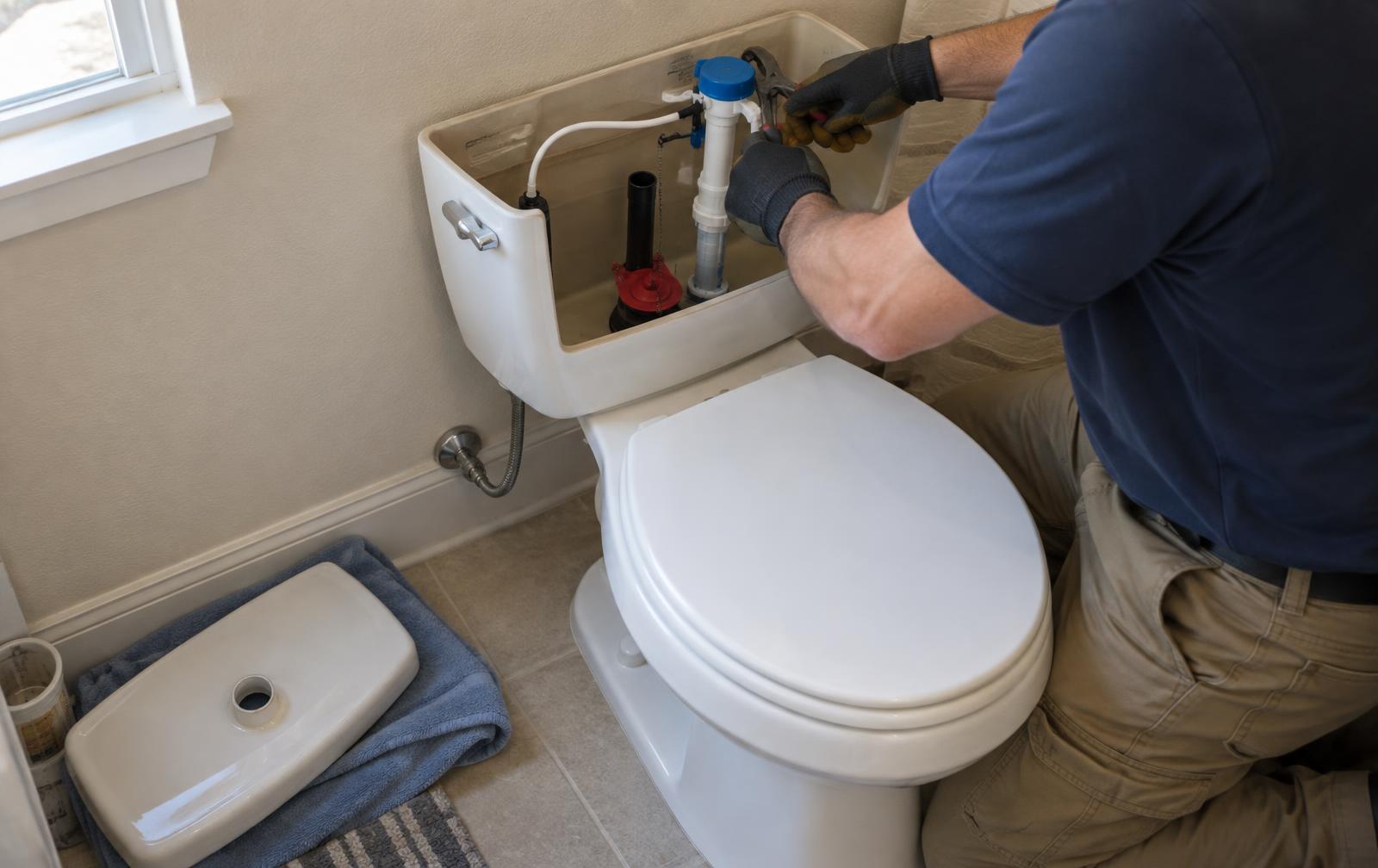
Rebuilds, wax-ring resets, flange repairs, and full replacements — the running toilets and rocking bowls in Richardson homes.
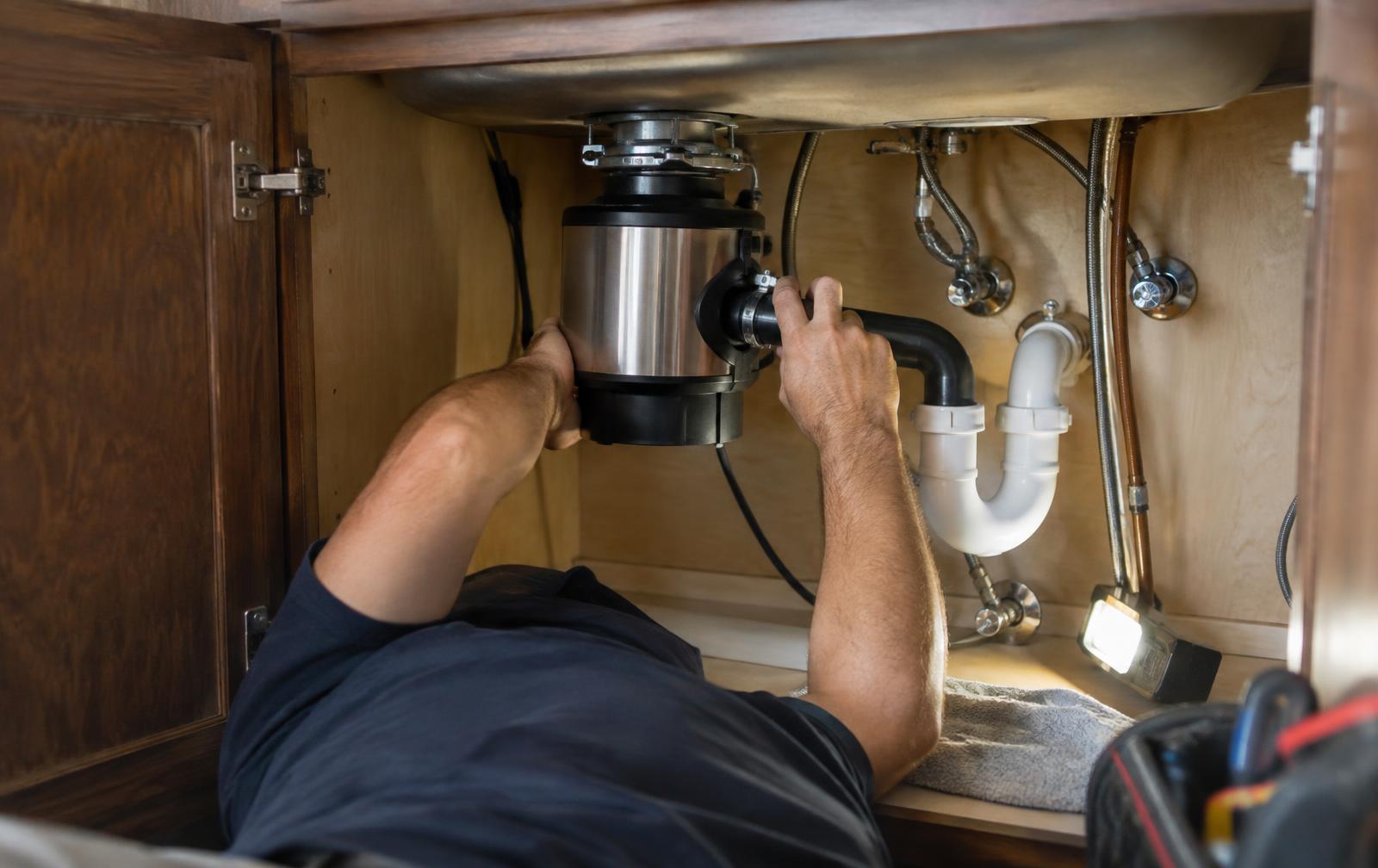
Jam clearing, leaking-unit swaps, and quiet 3/4 HP upgrades for Richardson kitchens — same-visit install.
Dealing With a Recurring Drain Problem in Richardson?
Full-diameter jetting with camera footage before and after. Call to get a line scheduled.