
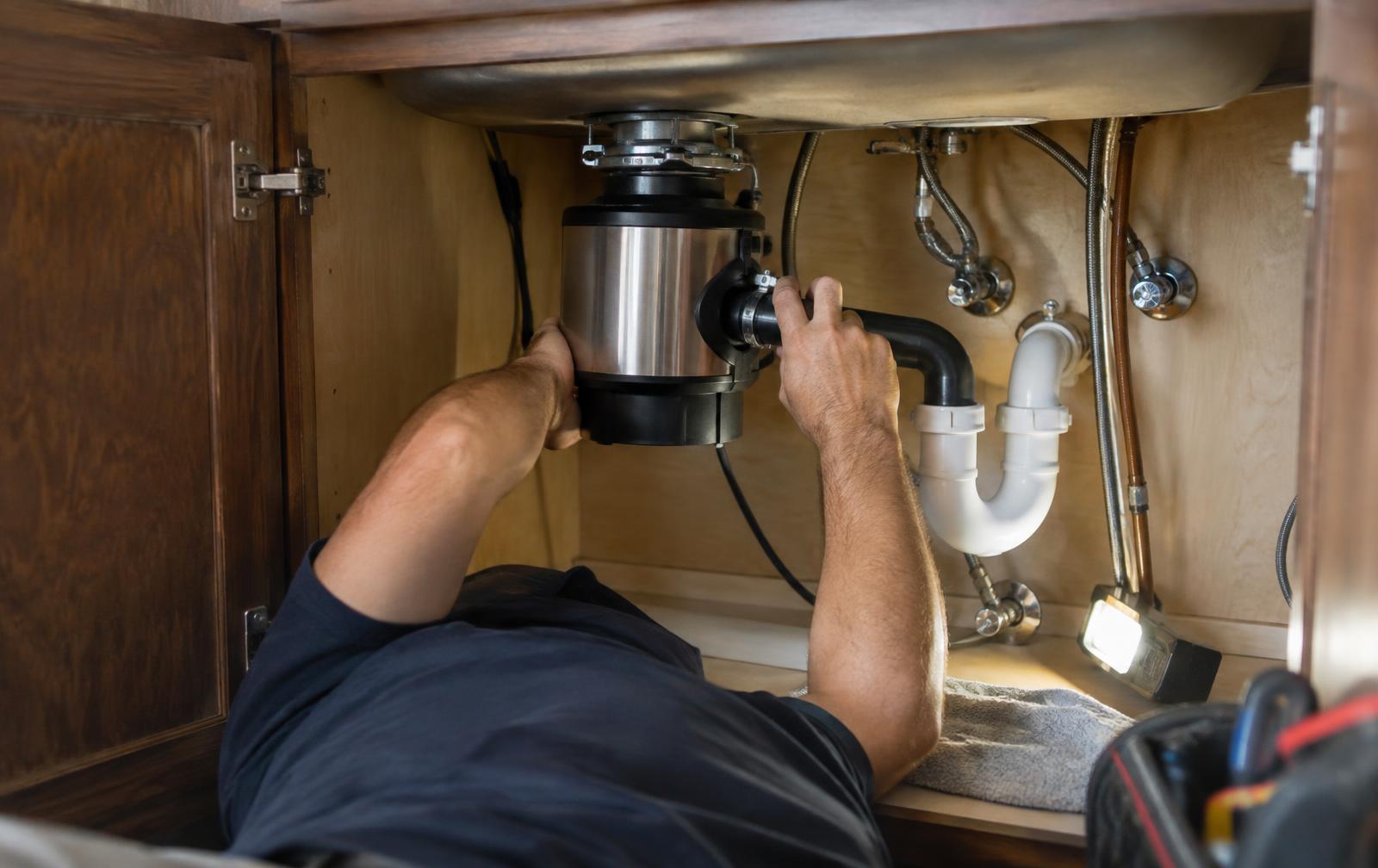
Garbage Disposal Repair & Installation in Richardson, TX
A unit that buzzes but the blades sit still. Water seeping out from underneath onto whatever's stored below the sink. A reset button that pops right back out the moment you push it in. We take on every disposal situation Richardson kitchens throw at us, from a quick reset to swapping in a whole new unit with a fresh mounting seal, and we'll tell you straight which one your kitchen actually needs.
Not Every Disposal Problem Ends in a New Unit
Most of the time a Richardson disposal that stopped spinning just needs its impeller freed up — a couple of minutes reaching in from below with a hex wrench, pressing the reset, and it's back to work. Water seeping out underneath the unit points somewhere else entirely: the housing itself has worn through and the whole thing needs swapping, not patching. Every so often the disposal itself checks out fine and the real culprit is the drain piping just past it, so we run the tests before pricing a single thing.
Once a unit is seeping from below, that's a swap every time, never a repair. The metal shell wears thin from years of contact with water that runs harder here than in a lot of surrounding suburbs — Richardson's published water quality figures put it clearly above what Plano reports from the same regional source — and continuing to run a leaking unit risks moisture reaching the motor itself. Our trucks carry ready-to-install replacement units so your kitchen sink isn't out of commission waiting on a parts order.
Kitchens still running their builder-installed entry-level unit, which turns up often in Richardson's older postwar sections, are usually good candidates for stepping up to something with more torque — it grinds quieter and resists jamming better than the base models. Any swap we do includes a new mounting ring, fresh discharge tubing, and a look at the drain piping underneath, so a leak at a connection we just touched doesn't bring us back out next week.
What a Struggling Richardson Disposal Tells You
Some of what follows takes minutes to fix. Other signs mean the unit is done for good, and we'll say so plainly once we've looked.
Points to a stuck impeller, usually paired with a popped reset button. Freeing it from underneath with a hex wrench is often the quickest thing we do all day.
The internal housing has cracked. This always means replacement — the aluminum housing can't be resealed. Stop using the unit until it's swapped.
Points to a worn seal or a mounting ring that's loosened, not the disposal's motor. A reseal from the top handles this without swapping the unit.
Could be a stuck chamber pulling too much current, or simply a motor wearing out on its own. We rule out a jam before telling you the unit's finished.
Something solid is caught in the chamber — silverware, a bottle cap, a bone fragment. Stop running it and let us remove it with the power off.
More often the branch piping just past the disposal than the unit itself, particularly in kitchens still tied to Richardson's older cast iron drain runs. Checking the trap usually confirms it.
Test First, Repair When We Can, Replace When We Must
You get a straight answer at the door, not an automatic push toward a new unit.
- 1Test what's actually failing
A jam, a leak, and a downstream drain issue each need a different fix. A short diagnostic tells us which one we're dealing with before we quote anything.
- 2Loosen the impeller if that's all it needs
Reach the wrench slot from below, clear whatever's stuck, reset the overload switch, and run it briefly to confirm. Most kitchens are functional again within minutes.
- 3Swap the unit once the housing has given out
Our trucks carry a range of replacement units, from everyday models to heavier-torque options. Every swap includes a new mounting ring, fresh discharge tubing, a new seal, and an air-gap check on a septic system.
- 4Check the trap and branch drain
Every replacement includes testing the branch drain below for slow flow. If it needs a snake, we handle that in the same visit rather than sending you a second bill.
- 5Run water through it and explain what changed
A cold-water test, checking every fitting underneath for moisture, tidying up the cabinet space, and showing you where the reset and wrench slot are before we head out.
What Disposal Age Looks Like Around Richardson
Kitchen age tends to predict which repair we're doing before we even open the cabinet.
With most kitchens here dating to the 1940s through 1960s postwar boom, original builder-grade disposals are typically long past their service life, and an upgrade to a heavier-duty unit is the common recommendation.
The mid-century-to-newer mix near the university means disposal age varies widely house to house, so we check the unit's condition directly rather than assuming based on the block.
Homes from the 1960s-era park development here often still run original units, and a jammed flywheel from years of accumulated use is a frequent first call.
The older, more affordable housing stock in west Richardson has generally seen more turnover in appliances, but original disposal units under the sink are still common finds.
A mix of older single-family kitchens and newer construction near campus means unit age is inconsistent, so we test rather than assume.
Properties along this corridor cross several building eras, and the older stretches are the ones most likely to still carry an original, undersized unit ready for an upgrade.
What Richardson Homeowners Say
Built to Finish in One Trip
Our trucks carry several replacement units along with mounting rings, discharge tubing, assorted mounting fasteners, sealant, and dishwasher connection plugs, which is why the bulk of Richardson kitchen calls wrap up in a single stop, whether that's a quick reset or an entire unit change.
Labor on every installation is backed by Aqua Pure Plumbing, on top of whatever coverage the manufacturer provides for the unit itself. We carry a Texas State Board of Plumbing Examiners license, hold insurance, and operate as a family business out of our shop in The Colony, with room on the schedule most days for a Richardson kitchen that needs help now.
Straight Answers, No Sales Pitch
Our Other Plumbing Services in Richardson, TX
Disposal replacements often turn up a corroded trap or a slow branch drain nearby. We handle both in the same visit, on one invoice, from our shop in The Colony.
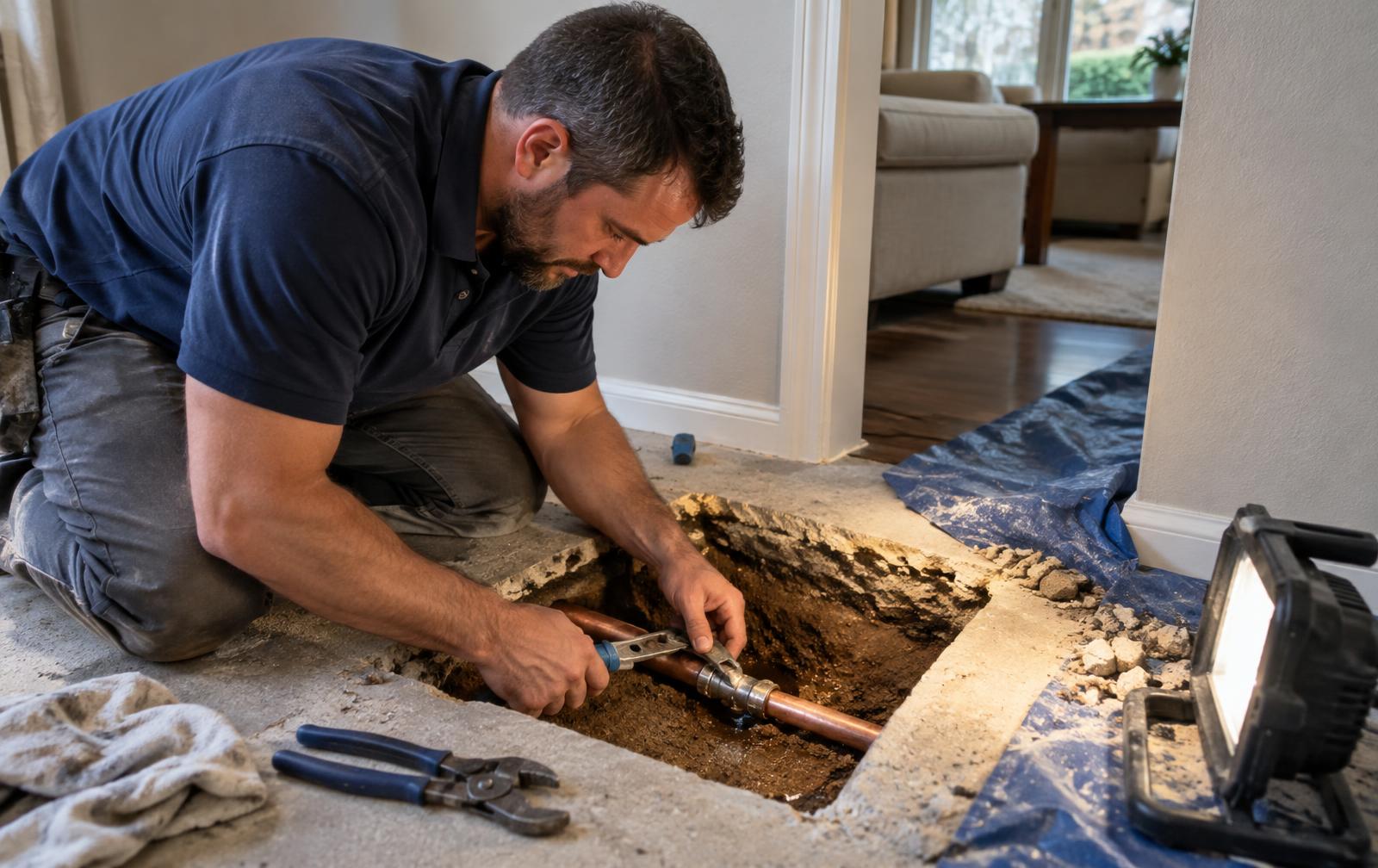
Electronic detection under Richardson slabs — reroute options that save your finished floors when possible.
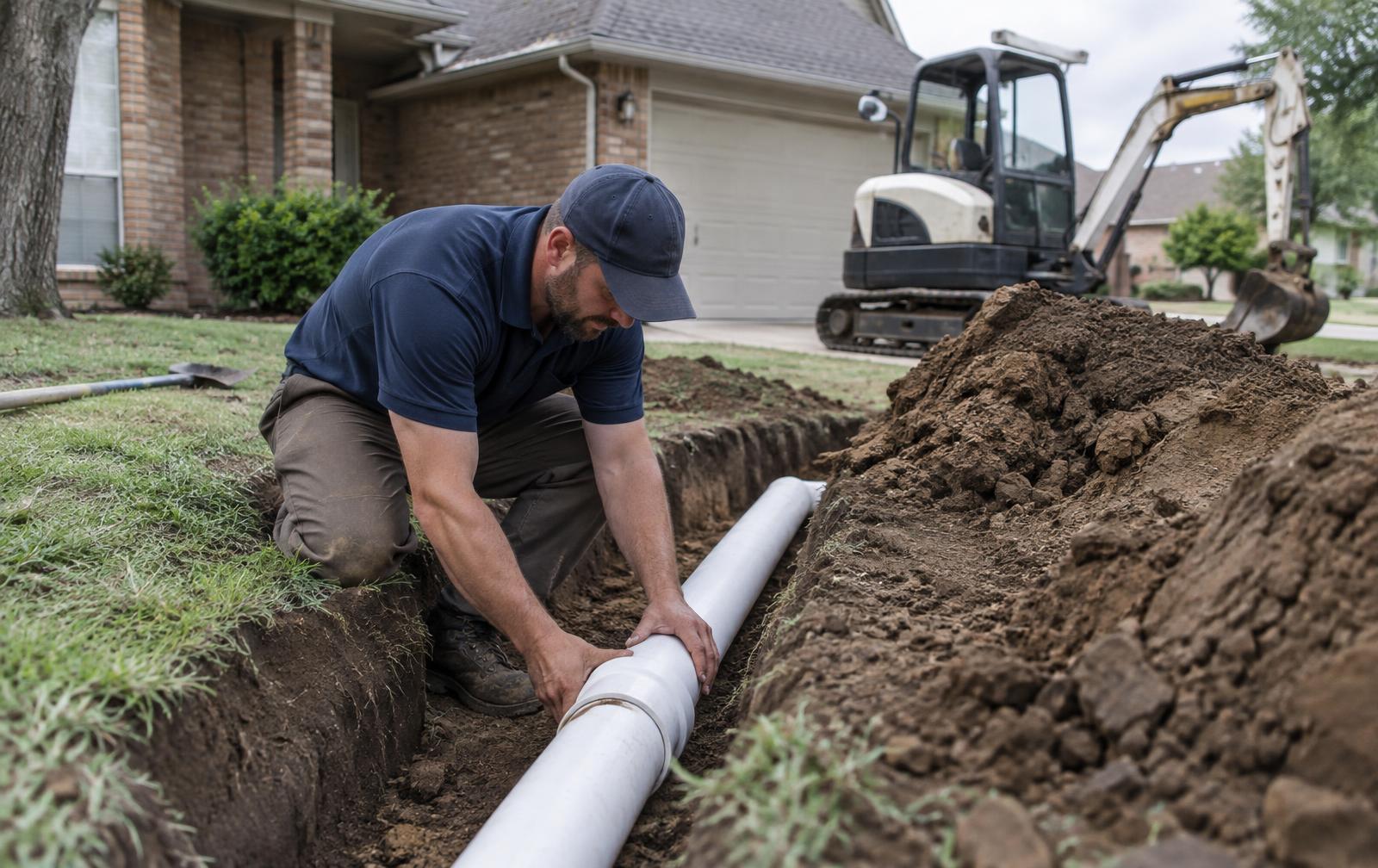
Trenchless replacement for the aging laterals across Richardson's older runs — camera first, quote in writing, minimal yard damage.
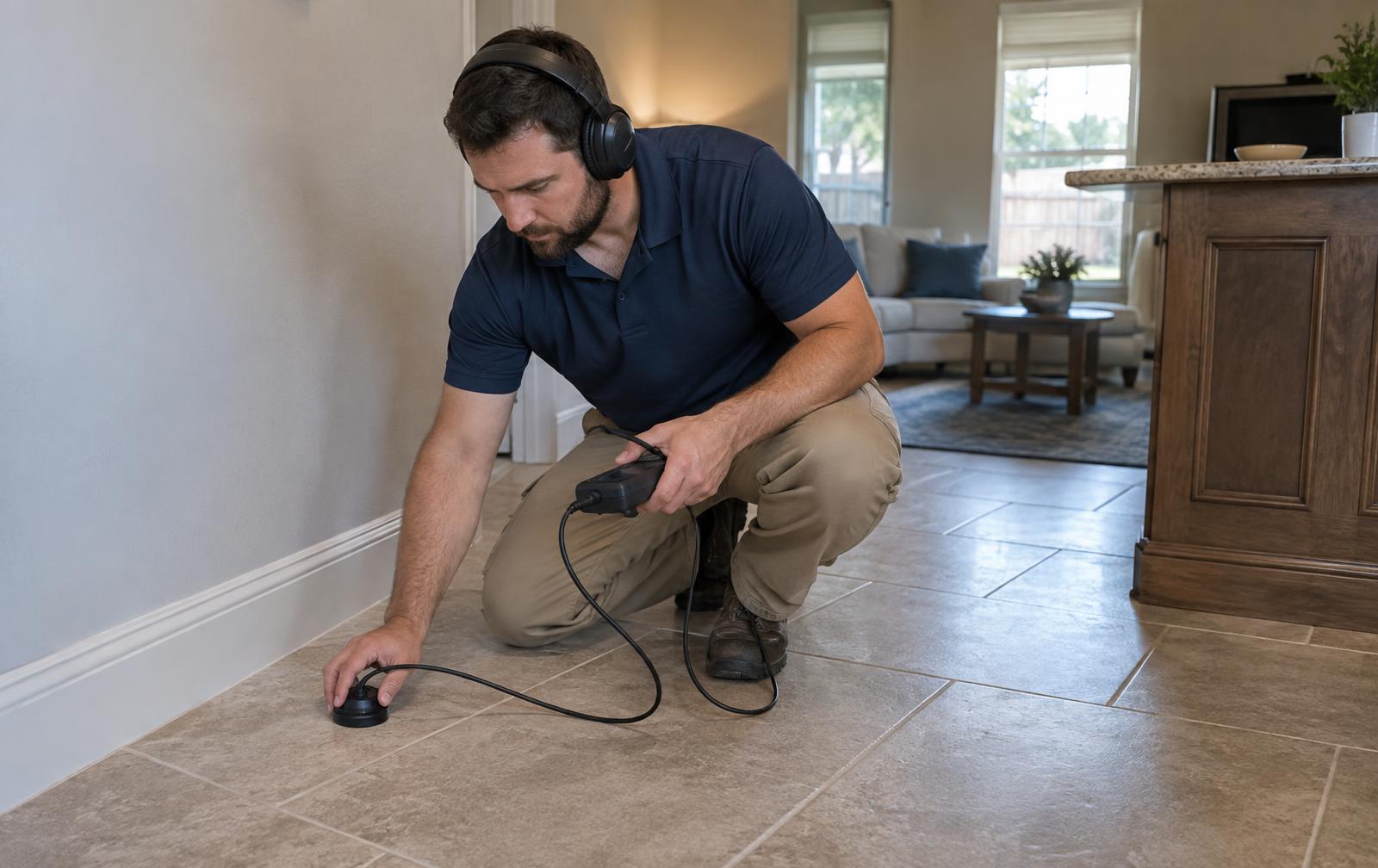
Acoustic, thermal, and pressure testing to pinpoint hidden leaks in Richardson slab and wall lines without tearing into finishes.
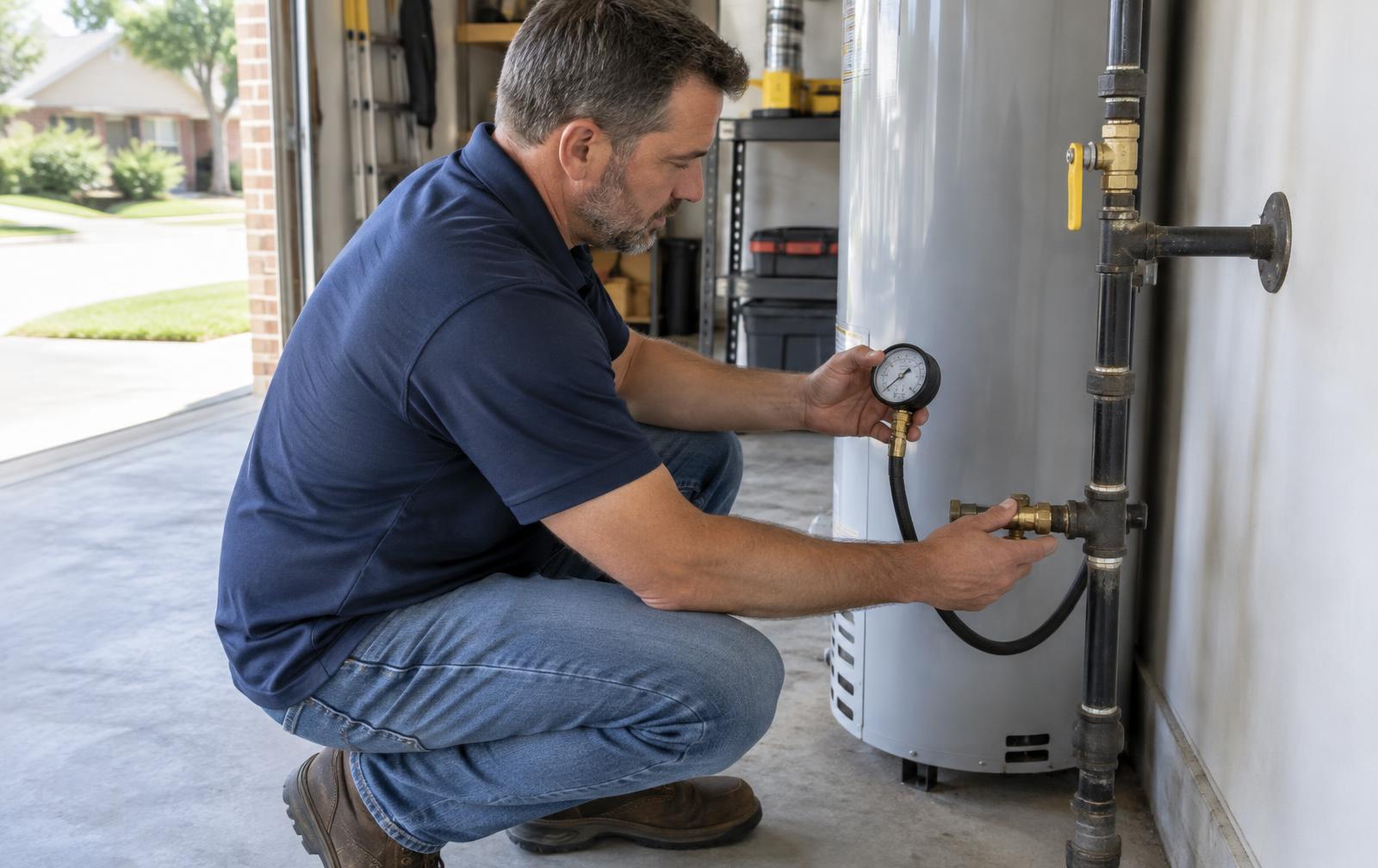
Licensed install, repair, and pressure-testing for Richardson homes — every line signed off to Texas code and Atmos requirements.
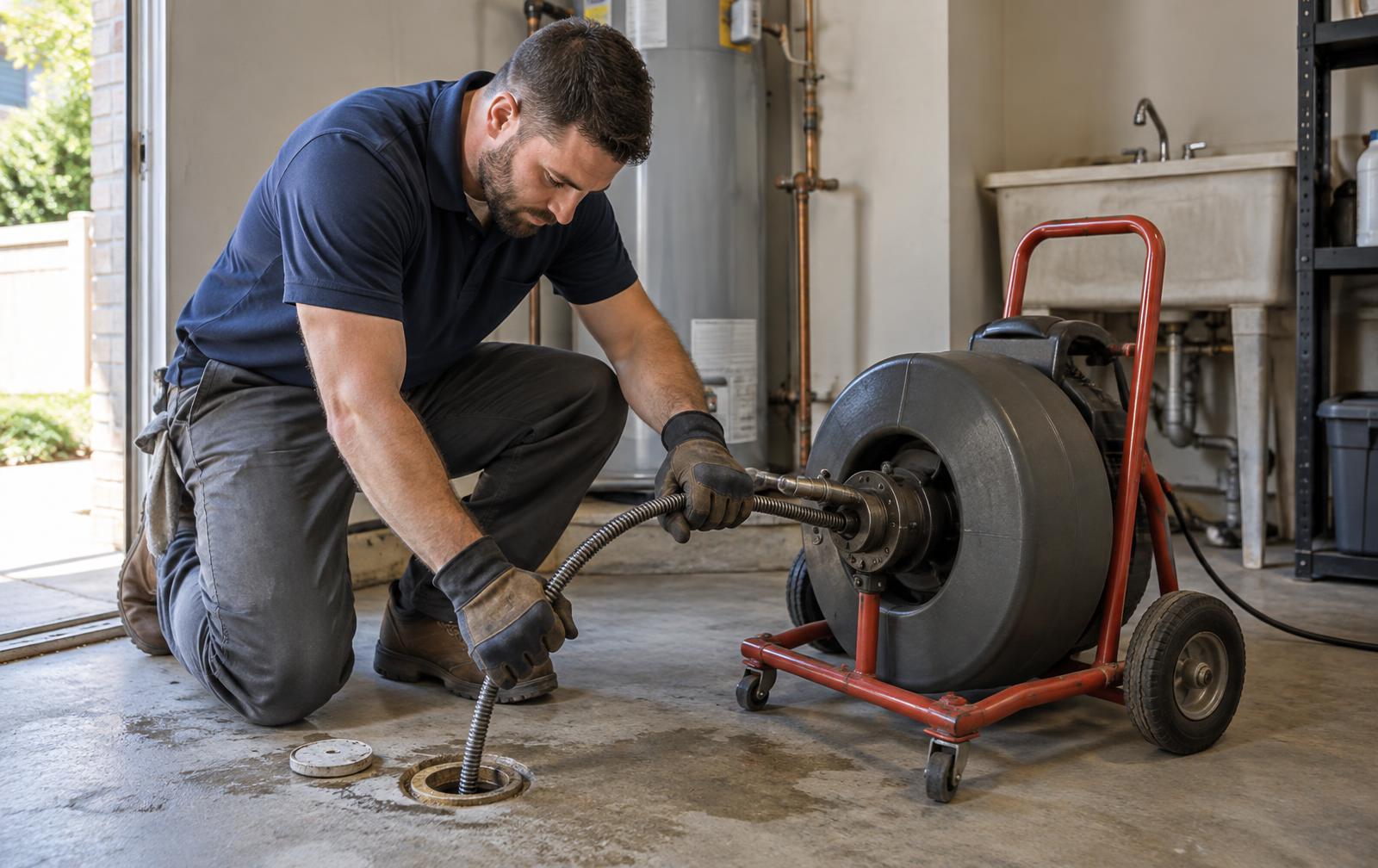
Full-clear service and camera confirmation for the drains under Richardson's neighborhoods.
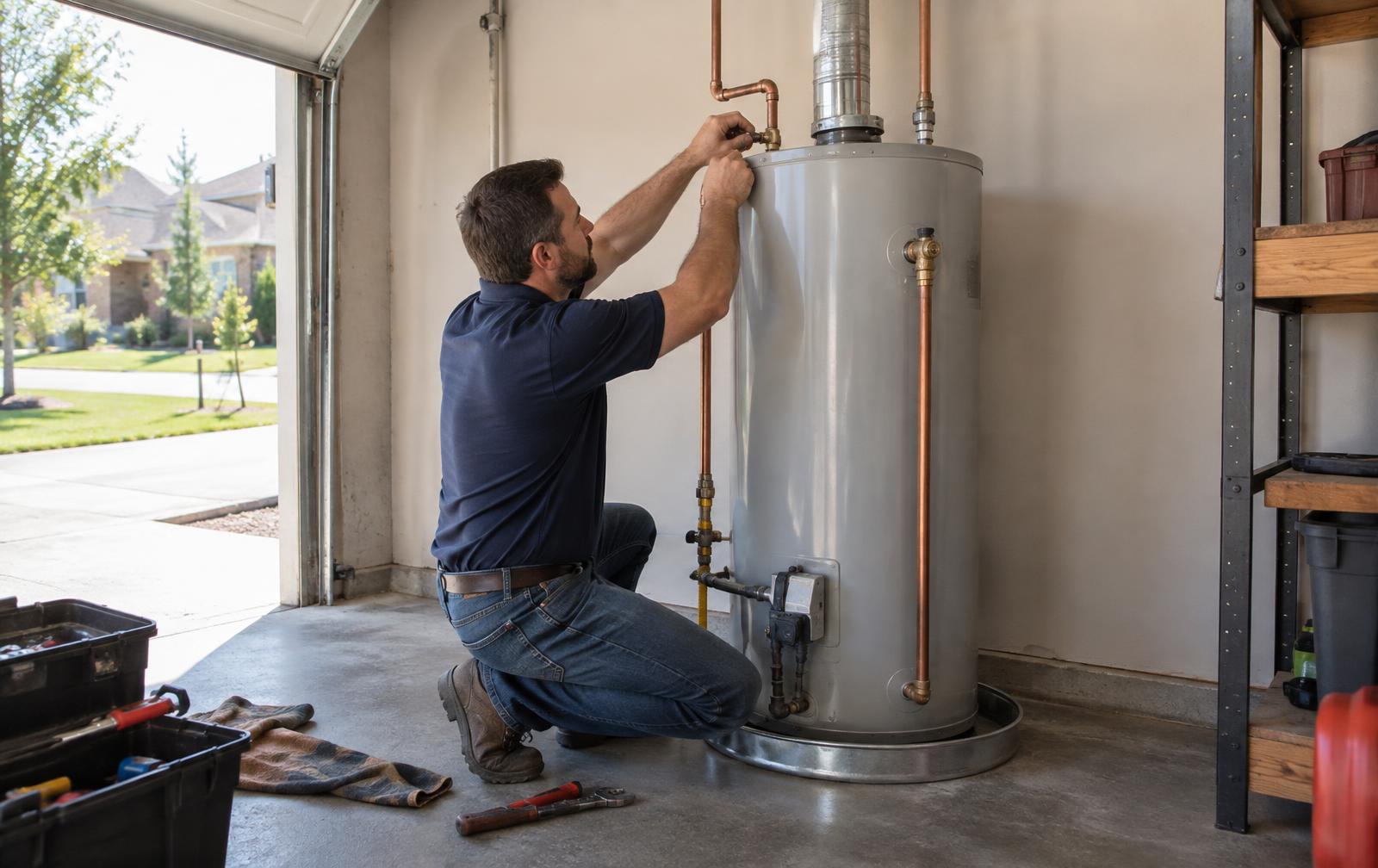
Repair, flush, and replacement of tank units — including attic and garage heaters common to Richardson homes.
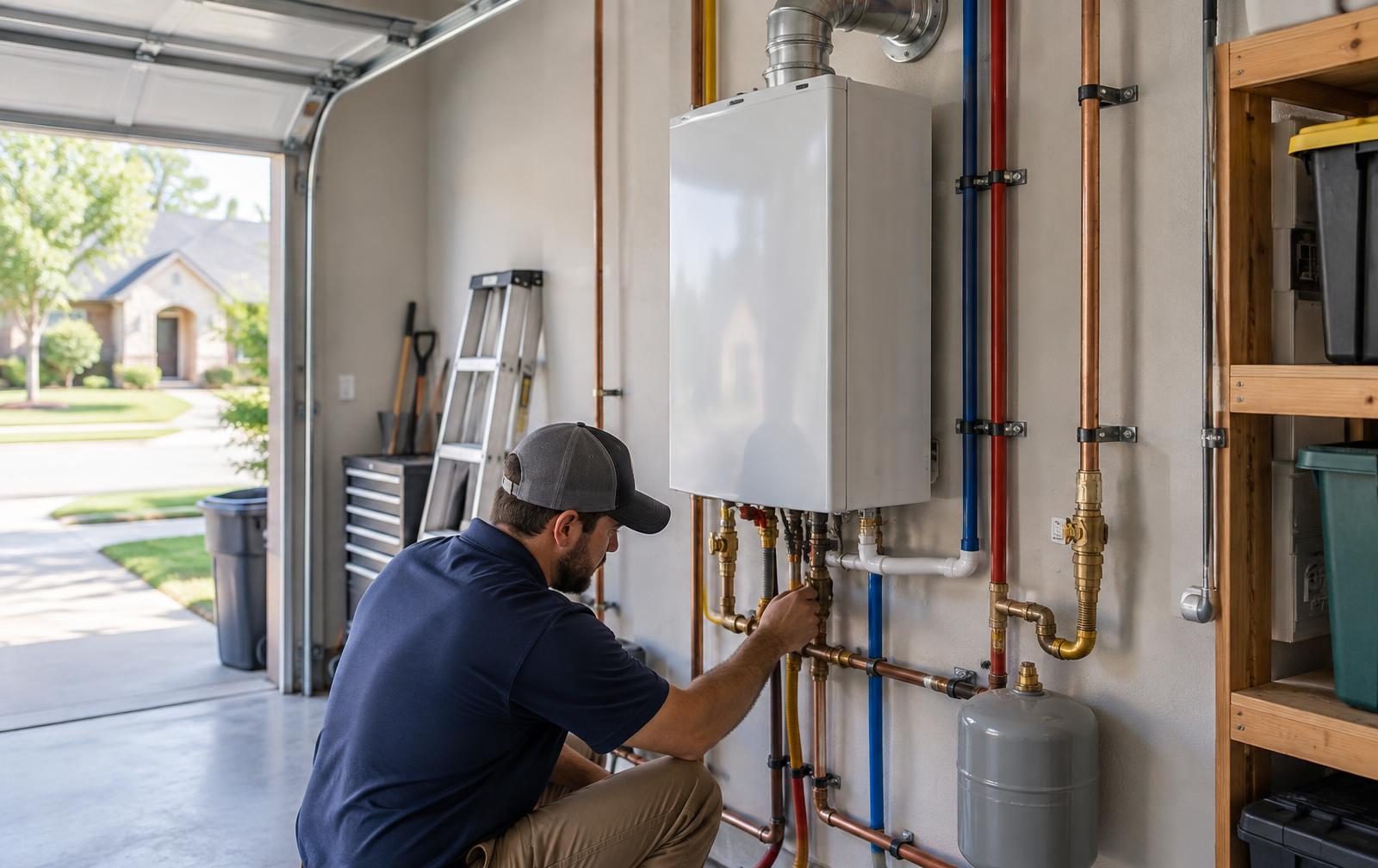
Install, service, and annual descaling — Richardson's hard tap water eats tankless heat exchangers without it.
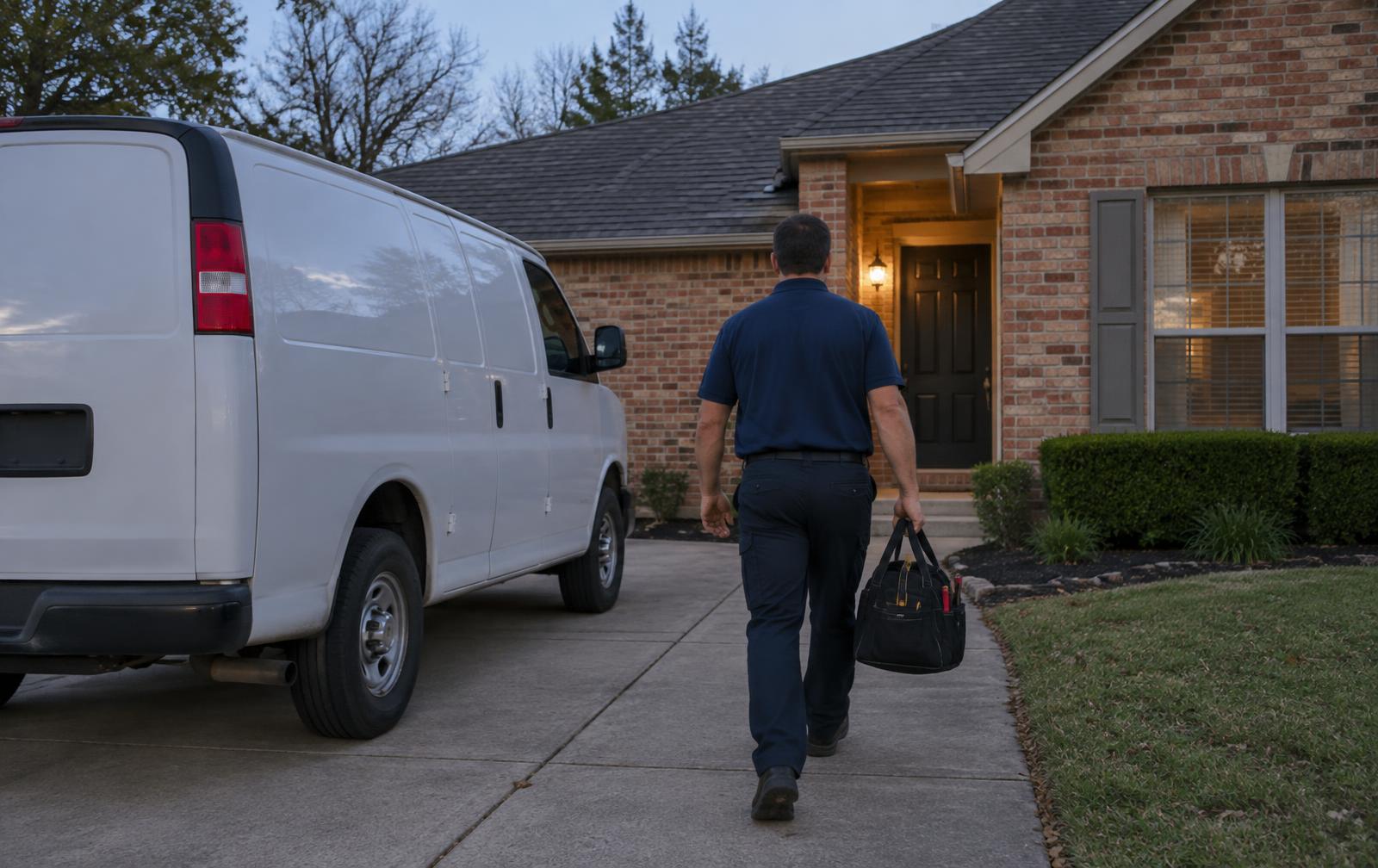
same-day, 7 days a week response across Richardson for burst pipes, heater failures, and main-line backups.
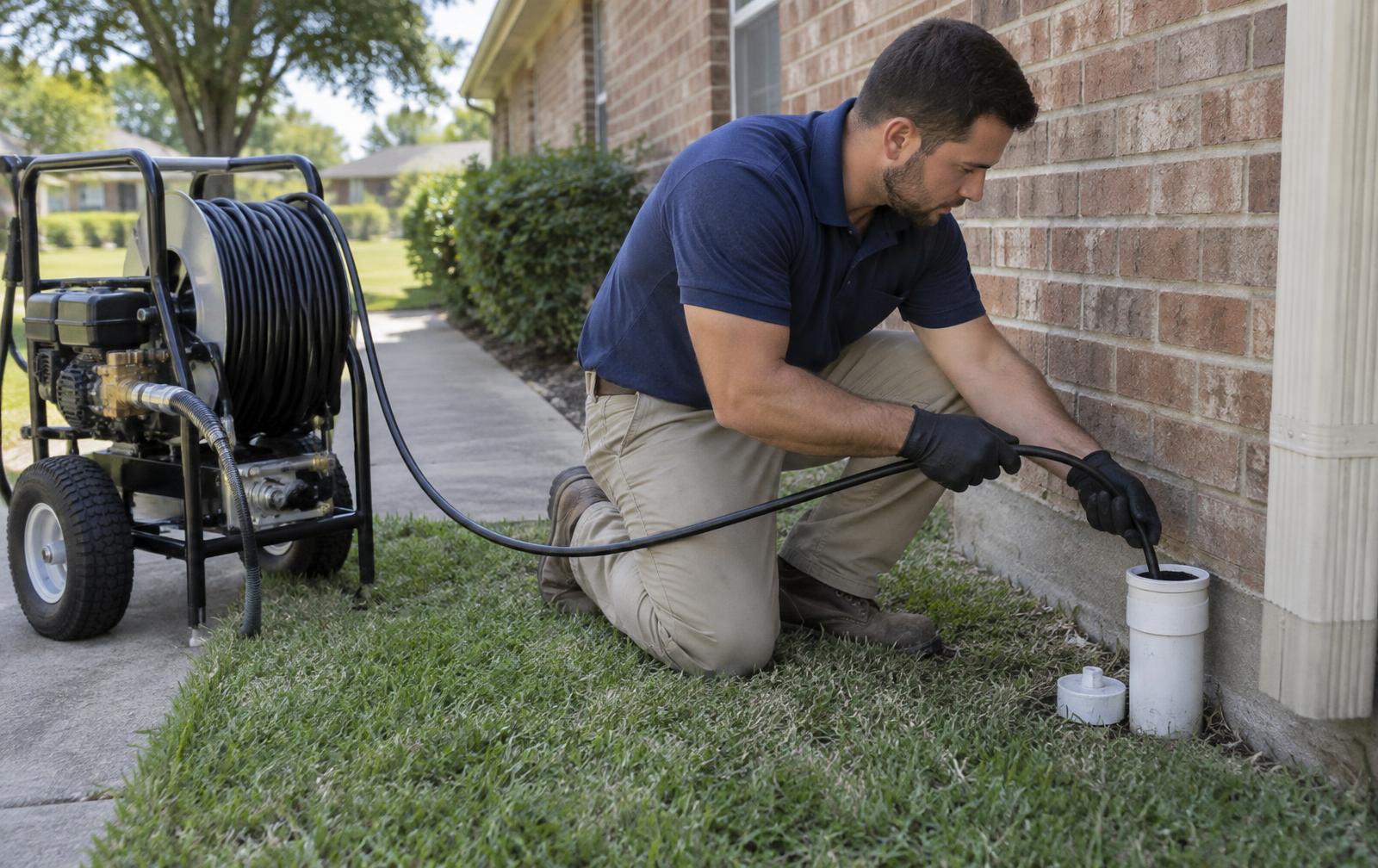
High-pressure cleaning that clears scale, grease, and roots from Richardson's lateral runs — full-diameter, lasting clean.
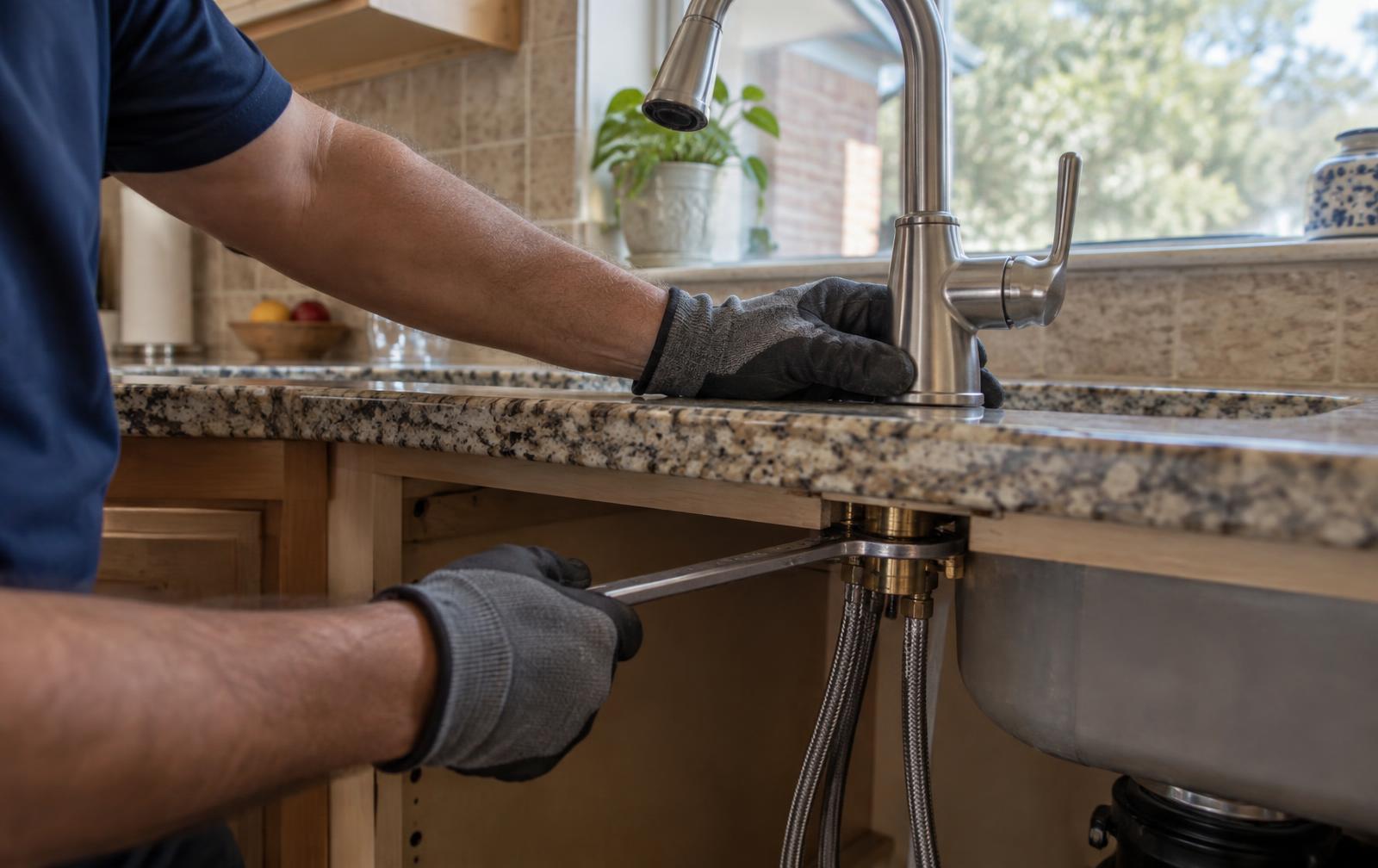
Cartridge, stem, and full-fixture replacement for Richardson kitchens and bathrooms — hard-water-ready parts stocked on the truck.
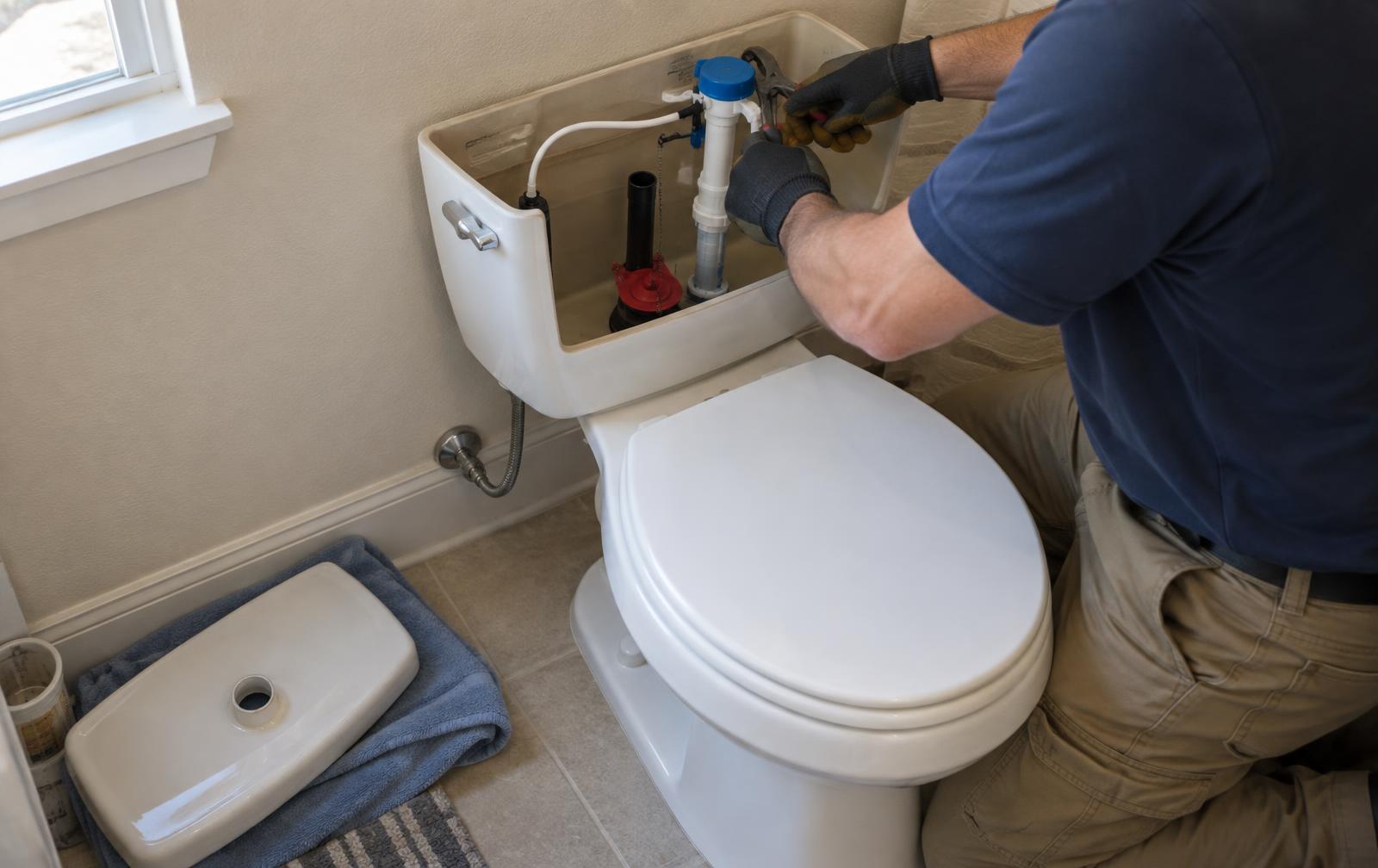
Rebuilds, wax-ring resets, flange repairs, and full replacements — the running toilets and rocking bowls in Richardson homes.
Need Disposal Work at Your Richardson Home?
Jam clear, leak repair, or a full upgrade — stocked on the truck, installed the same visit.