
Slab Leak Repair in Richardson, TX
A section of tile that feels noticeably warmer than the rest of the room. Beads of water forming near a baseboard for no reason you can point to. A water bill that spiked and never came back down. Our job is finding exactly where a Richardson slab is leaking before touching any concrete, then laying out honestly whether a direct patch or a rerouted line overhead makes more sense for that particular pipe.
Pinpoint It First — Worry About the Fix Second
Much of Richardson's original housing stock, including the Heights Park area, dates to the postwar decades when builders ran copper supply piping directly into the slab, well before post-tensioned foundations became standard practice. Beneath those older slabs sits Blackland Prairie clay, ground that expands after rain and pulls back tight through dry stretches, and that endless flexing puts real stress on rigid copper that has nowhere to give.
The water moving through those pipes carries its own wear factor. Supply in Richardson comes wholesale through the North Texas Municipal Water District and tests hard, near 18 grains per gallon, with chloramine as the disinfectant for most of the year. None of that alone creates a leak, but combined with decades of clay movement, it steadily thins copper from the inside until a pinhole finally opens.
None of that matters until the exact leak location is confirmed. Listening equipment and thermal cameras let us mark the spot to within a small area, and only once that is settled does it make sense to weigh a small concrete opening against running a fresh line overhead instead.

Signs of a Slab Leak in Your Richardson Home
A slab leak can go unnoticed for a long stretch. Finding it early keeps the fix small and the flooring intact.
Hot water escaping under the slab heats the concrete directly above it. Walking the house barefoot early in the day is often the quickest way to notice a section of tile or wood running warmer than everywhere else.
A pinhole under the slab can run quietly for a long stretch. A City of Richardson bill that jumped with no new appliance or fixture running belongs near the top of the list of possible causes.
When a hot-side line under the slab is losing water, the heater works overtime trying to keep up. You might hear it kick on more frequently or feel extra heat coming from its closet.
Moisture trapped under a slab for months eventually shows up as failing grout or hardwood planks that cup upward. Both point to a leak that has already been active for some time.
Shut off every fixture in the house, then listen closely near the floor or a nearby wall. A quiet hiss or trickle under those conditions usually means water moving somewhere beneath the concrete.
A leaking hot line under the slab can quietly rob pressure and cut hot water short while the cold side behaves normally. That one-sided pattern is a useful clue about which line to check first.
Pinpoint the Source, Then Decide Together
No concrete gets opened until we know precisely where the leak sits and whether opening concrete is even necessary.
- 1Test hot and cold separately
We isolate each side at the water heater to see which one is losing pressure. That reading alone tells us where to focus detection time and whether a bypass line, if needed, would involve one run or two.
- 2Read the floor with sound and heat
Ground microphones pick up sound through the slab, a thermal camera reads temperature differences in the floor and walls, and tracer gas backs up either reading on a tough locate. Together they usually box the leak into a tight area.
- 3Explain both fix options plainly
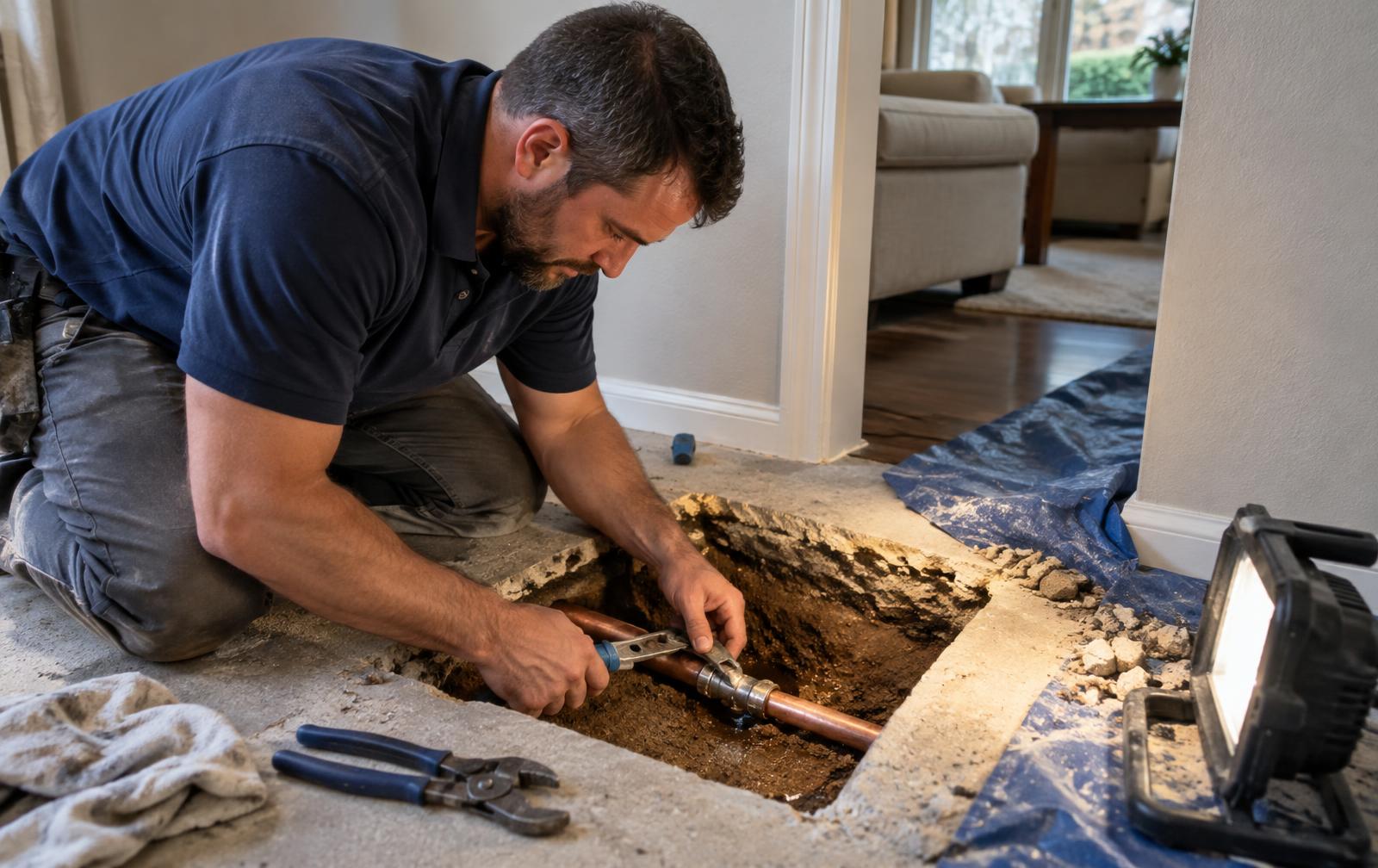
A direct patch opens one small section of slab, splices in a repair at the exact failure point, and closes the concrete back up — the simpler route when the surrounding pipe is otherwise sound. An overhead bypass retires the buried section entirely and runs new supply line through the attic instead — a stronger call when the rest of that copper run is the same age and likely next in line to fail.
- 4Complete the option you choose
For a direct patch, we cut a clean opening, expose the failed section, splice in new copper, and patch the floor. For an overhead bypass, we run fresh line through the attic, connect it above the fixtures it serves, and permanently cap the old slab section.
- 5Pressure-test and hand over the paperwork
We hold pressure on the completed line while you watch the gauge yourself, then leave you with photos covering the detection, the repair, and the final test — a plain record of what happened and why.
Direct Patch or Overhead Bypass — Both Quoted Honestly
No single answer fits every house. It comes down to how old your copper is, how many bathrooms share that particular line, and how expensive your slab flooring is to disturb.
We cut one small opening in the slab, expose the failed spot precisely, splice in a repair, and close the concrete back up. A sensible choice when the surrounding copper still has plenty of life left.
- Smallest scope for a single, isolated failure
- Leaves the original piping layout untouched
- Restoring the finish flooring and matching the concrete falls to your restoration crew
- Less attractive if neighboring sections of copper are the same vintage
We retire the failed slab section for good, run new supply line through the attic, and tie it in above the fixtures it feeds. The stronger option when today's failure is likely the first of several still to come on aging pipe.
- Removes the need for further concrete openings on that run
- Sidesteps aging copper you can no longer inspect once it is capped
- Units without attic access may route the new line through soffits instead
- Costs more up front but heads off repeat slab repairs later
How Slab Leaks Differ Across Richardson
Construction era and original pipe material shape where and how a slab leak shows up.
Built mostly from the late 1940s through the 1960s with copper poured directly into the slab, Heights Park homes have absorbed decades of Blackland Prairie clay movement underneath, leaving many of these homes exposed to a slab leak eventually.
Mid-century houses sit close to newer builds near the University of Texas at Dallas in Canyon Creek, so the age and condition of slab copper can vary sharply from one house to its neighbor.
Prairie Creek's homes trace to the 1960s alongside the park bordering the neighborhood, which puts the original slab-poured copper in roughly the same aging window as much of Richardson's older core.
The more affordable, older housing on Richardson's west side typically still carries its original copper, so an unexplained warm spot on the floor there deserves a look sooner rather than later.
Addresses along Belt Line Road pass through several of the city's older platted sections, where slab-poured copper from the postwar building years is old enough that an early detection check is worth scheduling.
Homes near Duck Creek Linear Park date to Richardson's mid-century growth period, putting their slab-poured copper in the same aging bracket as much of the older city core.
What Richardson Homeowners Say

A Slab Leak Fixed Once, Documented Clearly
Every slab leak repair we finish carries warrantied labor on our end. If our workmanship fails, we return and correct it at no charge. If a separate section of the same aging copper develops its own leak down the road, that is precisely the scenario we would have flagged at quote time as a reason to weigh the bypass option instead.
Aqua Pure Plumbing is licensed through the Texas State Board of Plumbing Examiners, insured, and family-owned, with every truck dispatching from our shop in The Colony. A typical Richardson address is roughly 30 to 40 minutes out under normal traffic, and we book same-day visits every day of the week, from morning until early evening.
Direct Answers About Slab Leaks in Richardson
Our Other Plumbing Services in Richardson, TX
A slab leak often means the rest of a home's supply lines are reaching the same age. We can talk through sewer, water heater, and whole-house repiping in the same visit, right here in Richardson.
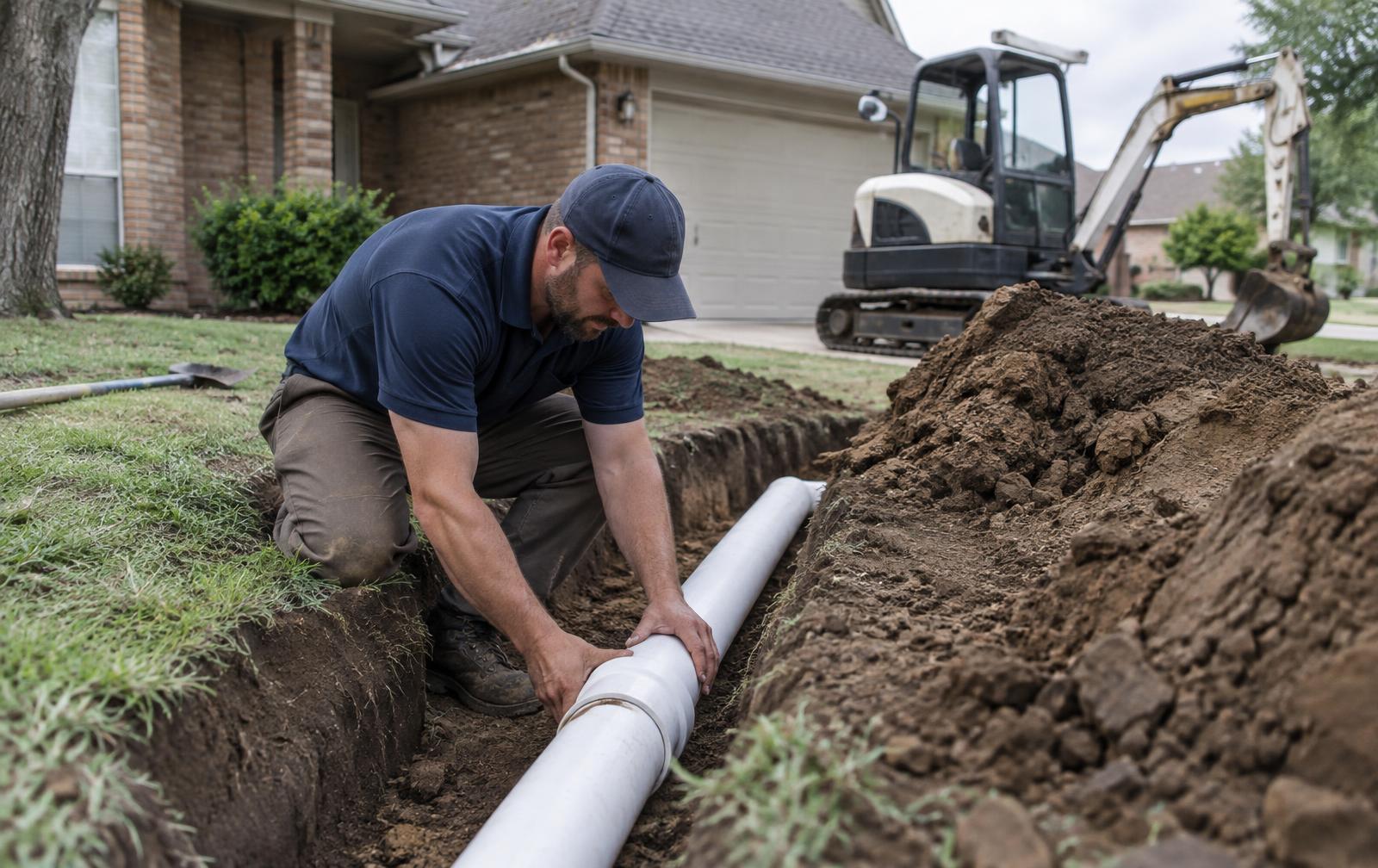
Trenchless replacement for the aging laterals across Richardson's older runs — camera first, quote in writing, minimal yard damage.
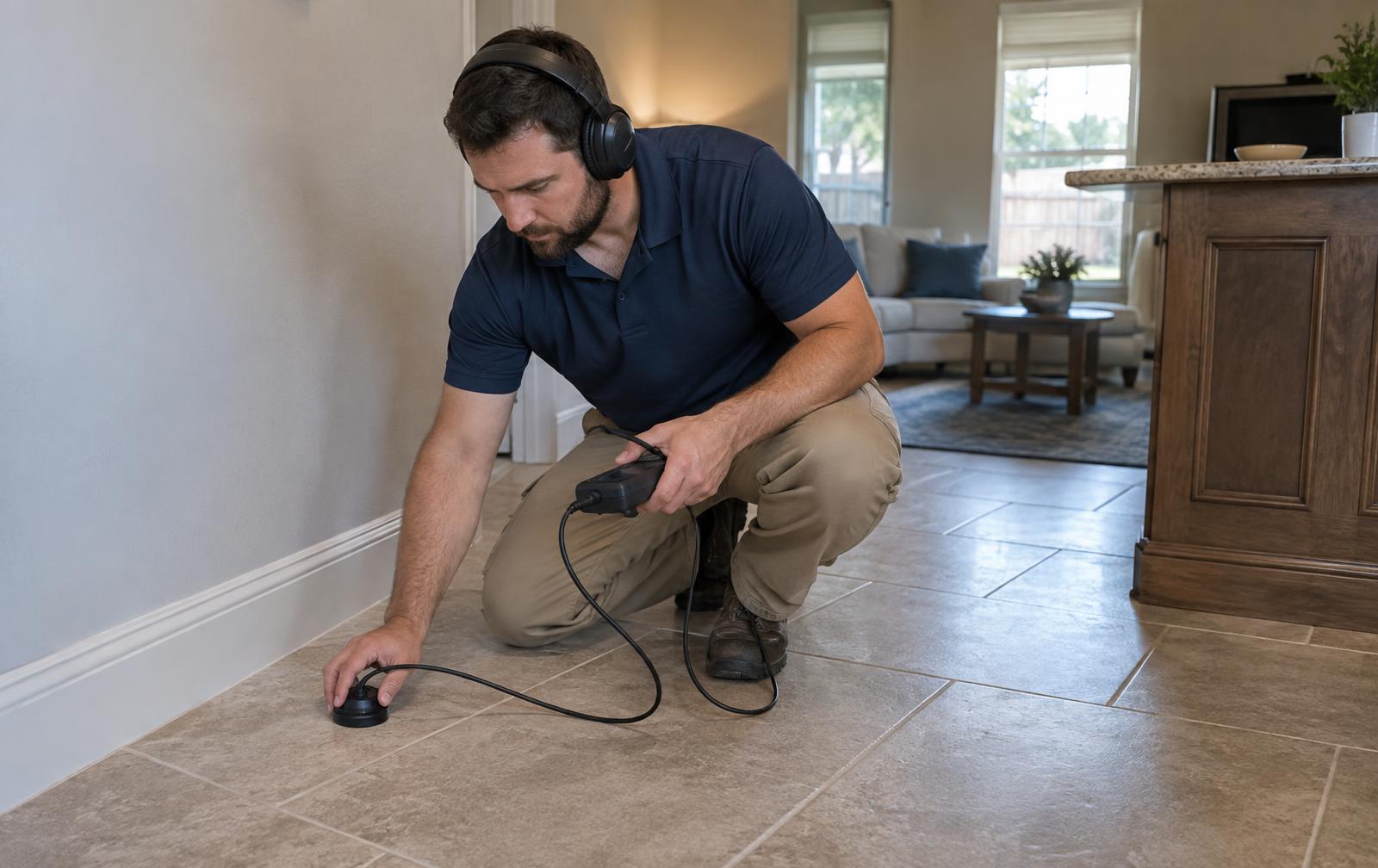
Acoustic, thermal, and pressure testing to pinpoint hidden leaks in Richardson slab and wall lines without tearing into finishes.
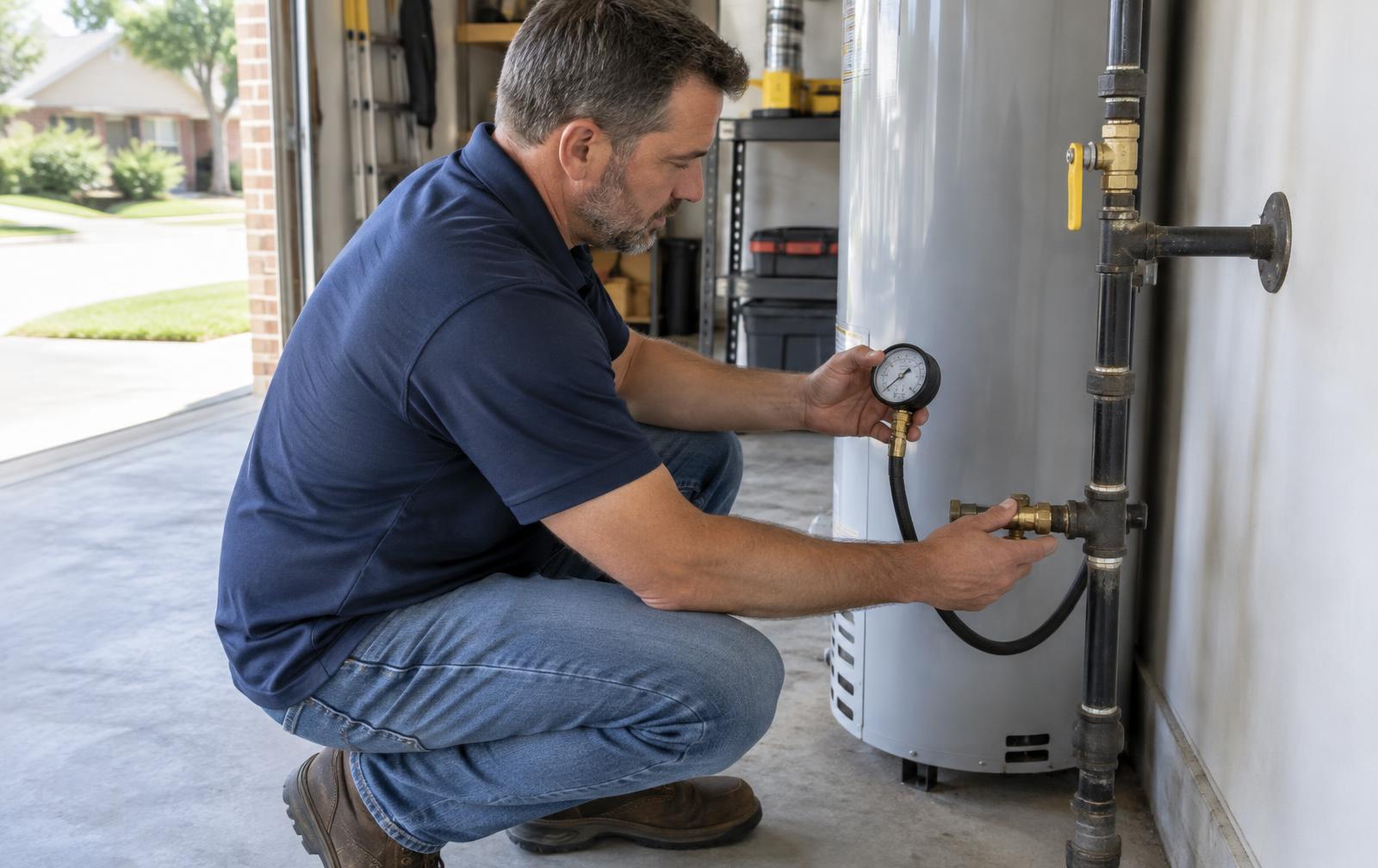
Licensed install, repair, and pressure-testing for Richardson homes — every line signed off to Texas code and Atmos requirements.
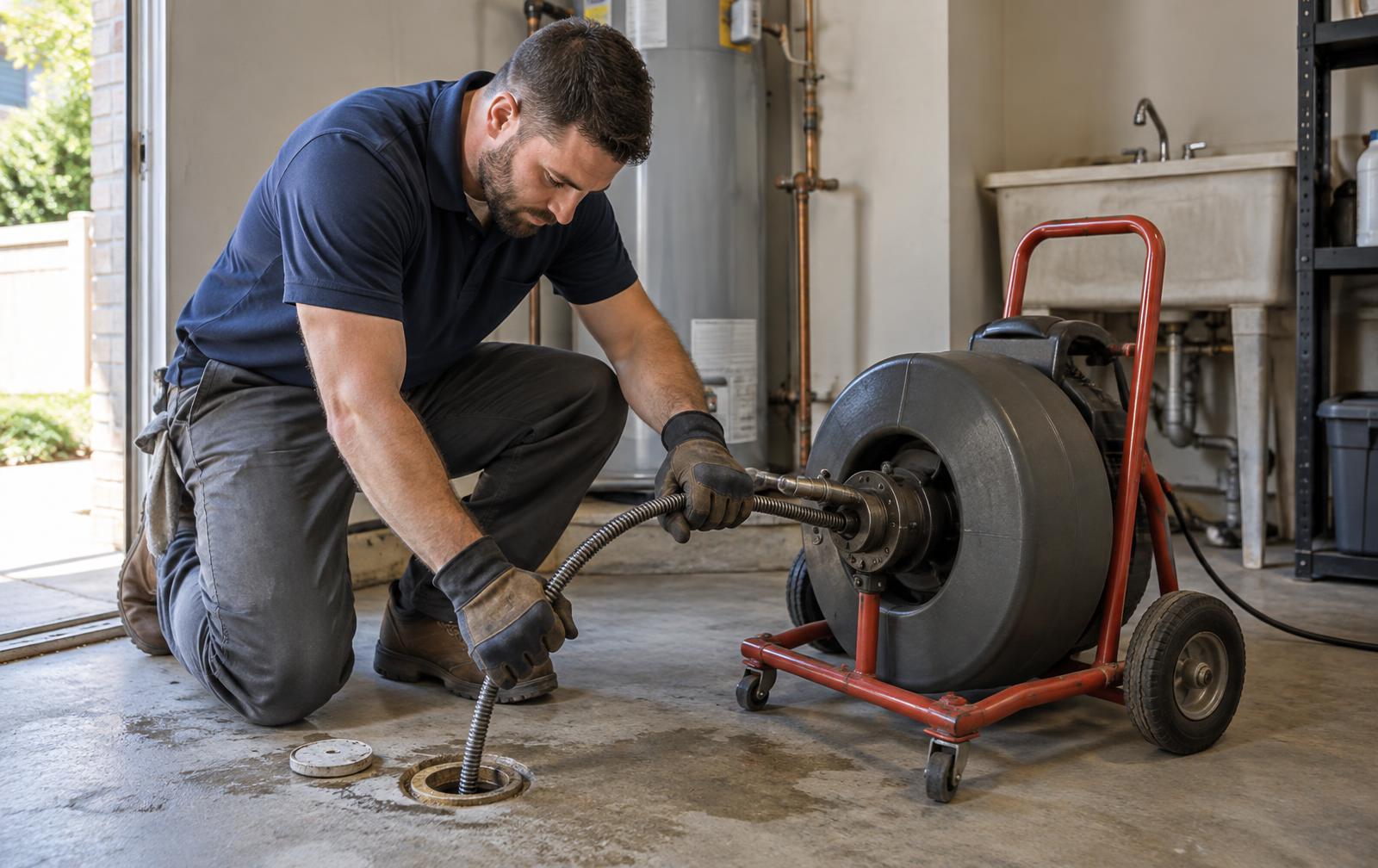
Full-clear service and camera confirmation for the drains under Richardson's neighborhoods.
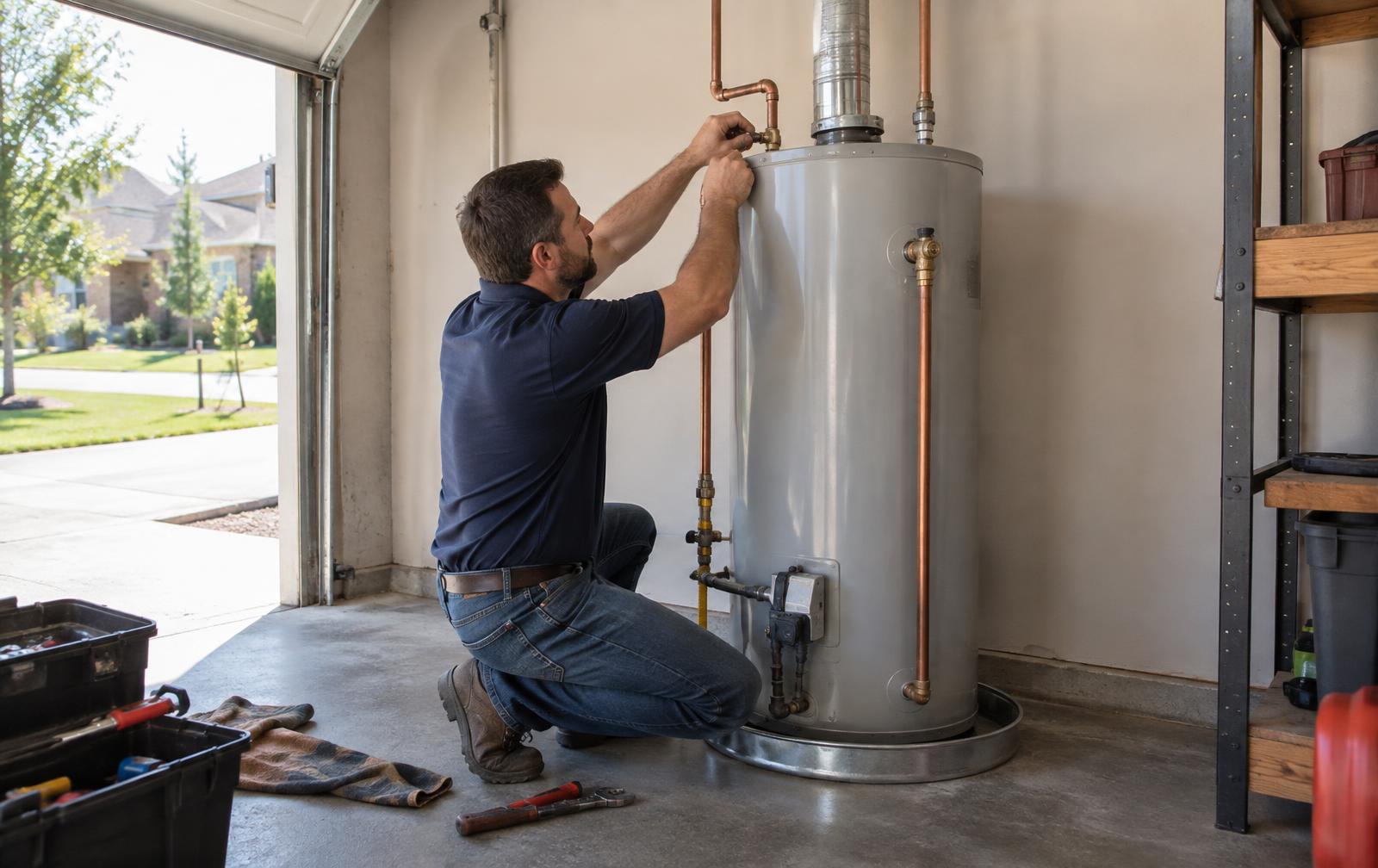
Repair, flush, and replacement of tank units — including attic and garage heaters common to Richardson homes.
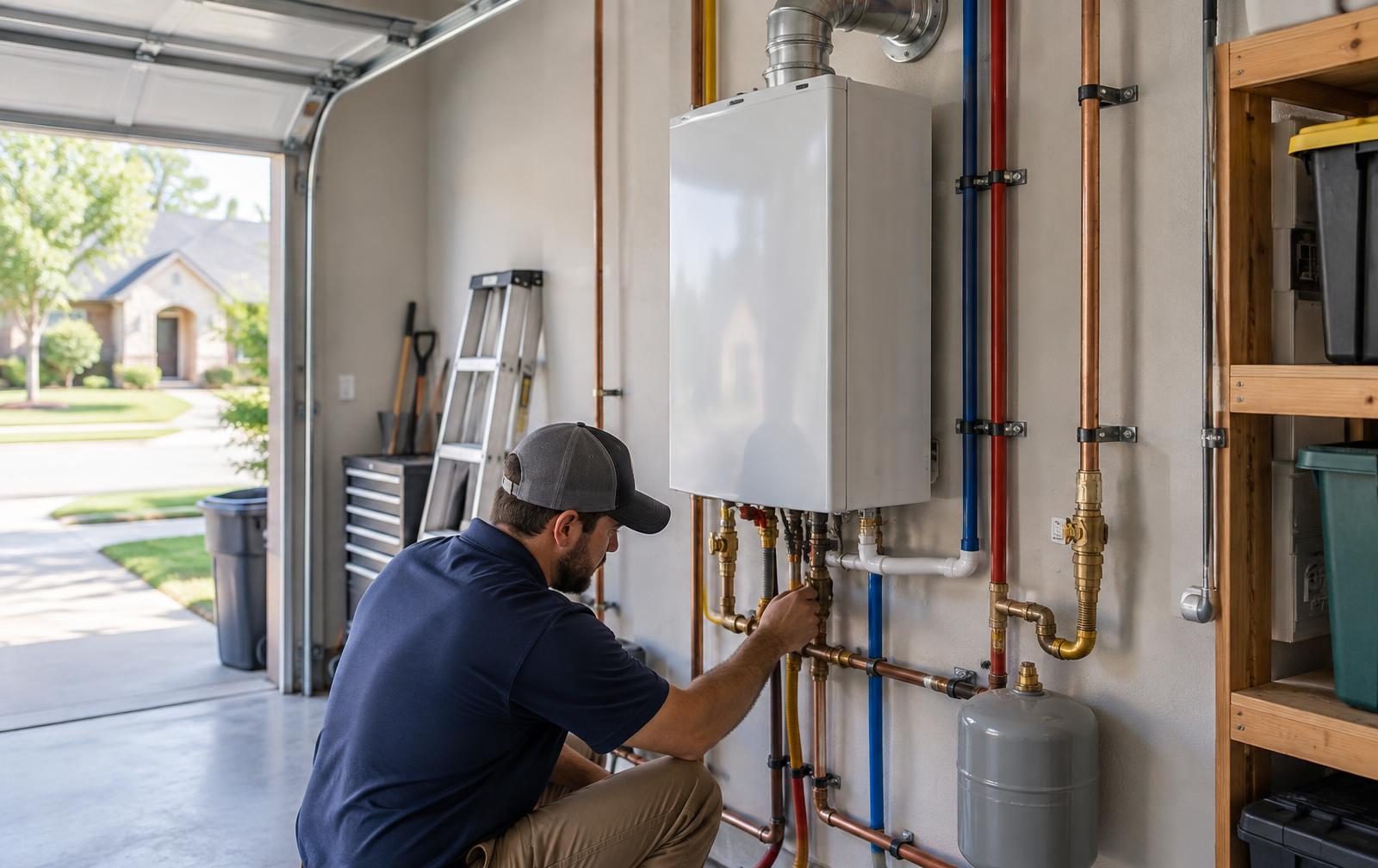
Install, service, and annual descaling — Richardson's hard tap water eats tankless heat exchangers without it.
same-day, 7 days a week response across Richardson for burst pipes, heater failures, and main-line backups.
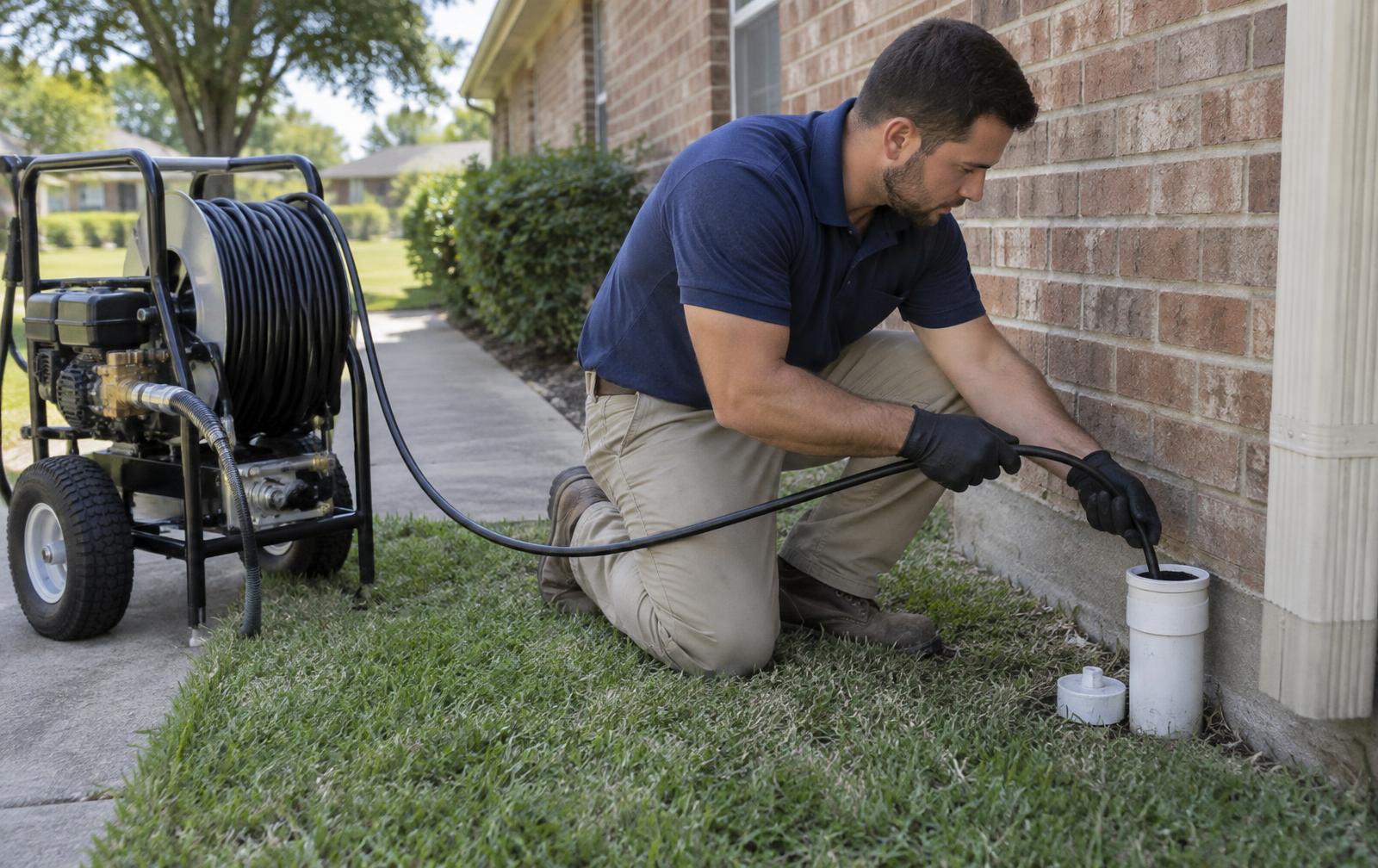
High-pressure cleaning that clears scale, grease, and roots from Richardson's lateral runs — full-diameter, lasting clean.
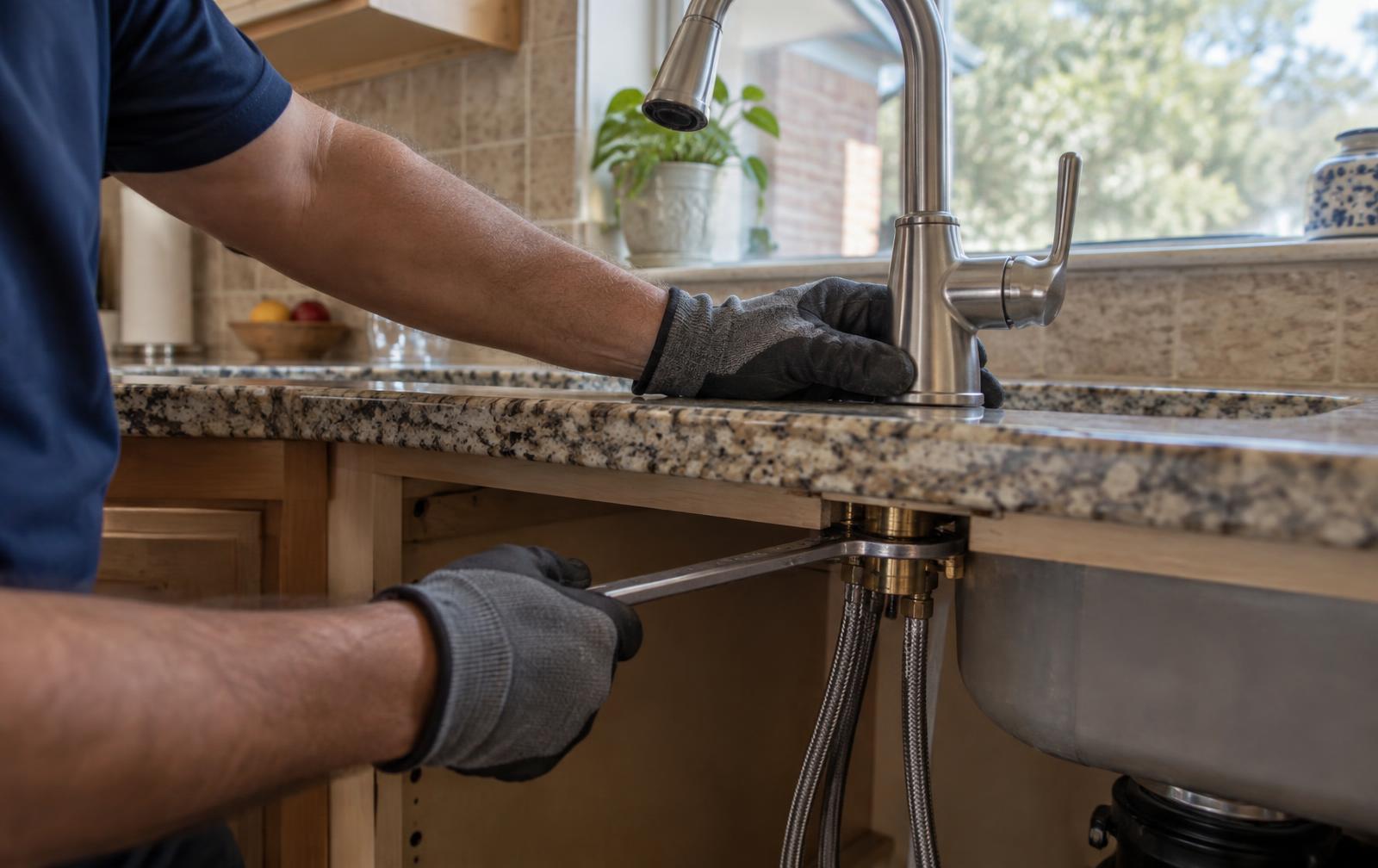
Cartridge, stem, and full-fixture replacement for Richardson kitchens and bathrooms — hard-water-ready parts stocked on the truck.
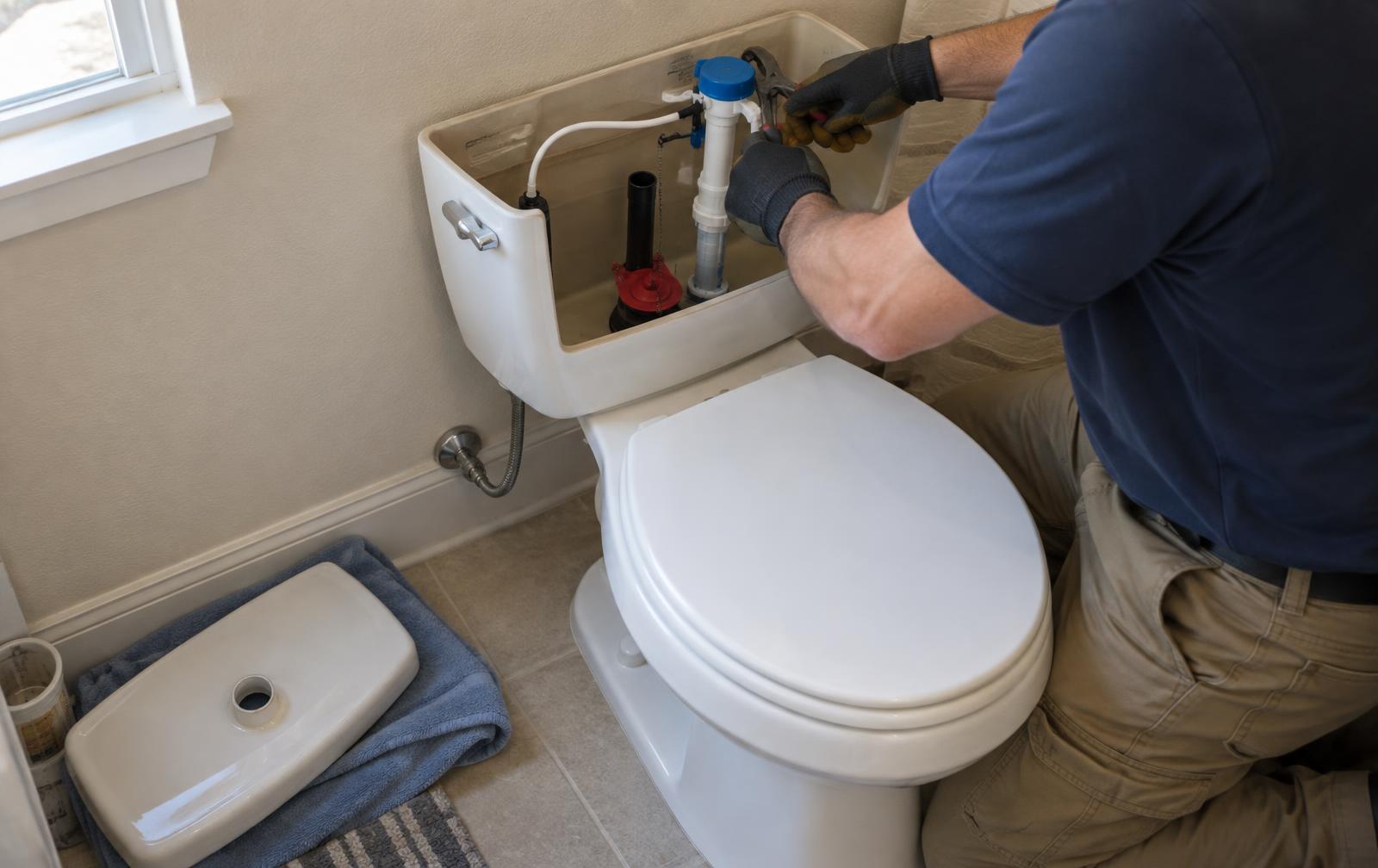
Rebuilds, wax-ring resets, flange repairs, and full replacements — the running toilets and rocking bowls in Richardson homes.
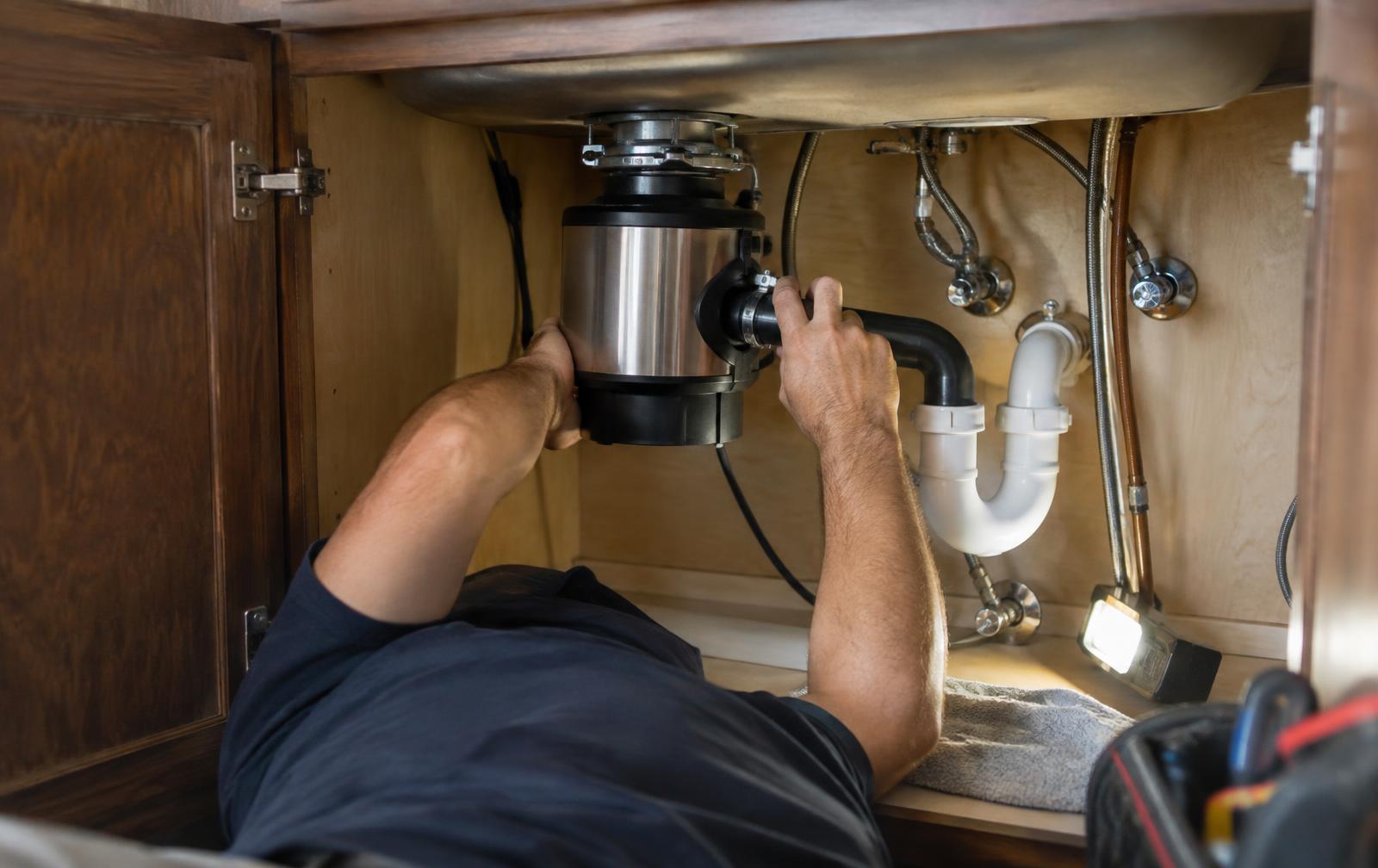
Jam clearing, leaking-unit swaps, and quiet 3/4 HP upgrades for Richardson kitchens — same-visit install.
Dealing With a Slab Leak in Your Richardson Home?
Electronic detection first, an honest patch-versus-bypass comparison, and no concrete cut until the leak location is confirmed. Call (945) 500-8335 to schedule.