
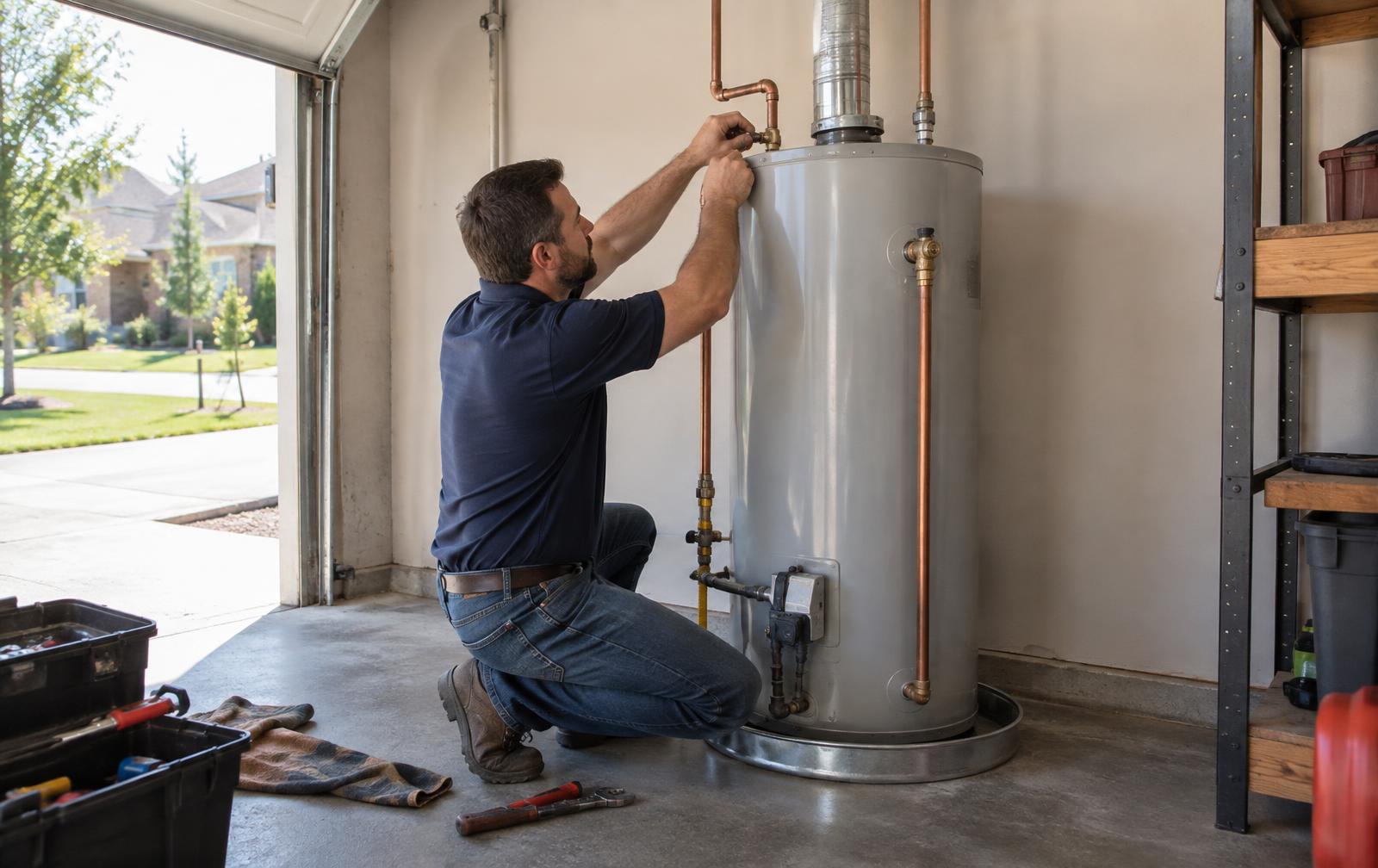
Water Heater Services in Lake Dallas, TX
Cold showers with no warning. Water at the tap with a rust tint. A puddle forming under the tank. A rumble coming from the closet that wasn't there before. We repair, service, and replace water heaters across Lake Dallas houses and condos, with same-day help when the tank has failed outright.
Every Lake Dallas Water Heater Install Has Its Own Constraints
Housing around Lake Dallas ranges from older single-family homes and lake cottages near the original town center to newer construction filled in over recent decades, and that mix means no two water heater jobs look quite the same. An older interior closet often has plenty of room to work; a newer townhome frequently tucks the tank into a tight mechanical chase where the temperature-and-pressure discharge routing has to be planned carefully. On top of the layout, moderately hard water moving through this system wears down anode rods faster than in many parts of the country, which is a big reason tanks here often fail earlier than their rated lifespan would suggest.
The code details matter as much as the tank itself. Every water heater we put in gets a properly sized expansion tank, a drain pan with a real discharge path on any elevated or closet install, and correct routing for the pressure relief valve. Skipping the expansion tank or reusing old dielectric unions might look fine on day one, but it's the kind of shortcut that shows up the moment there's a claim to file.
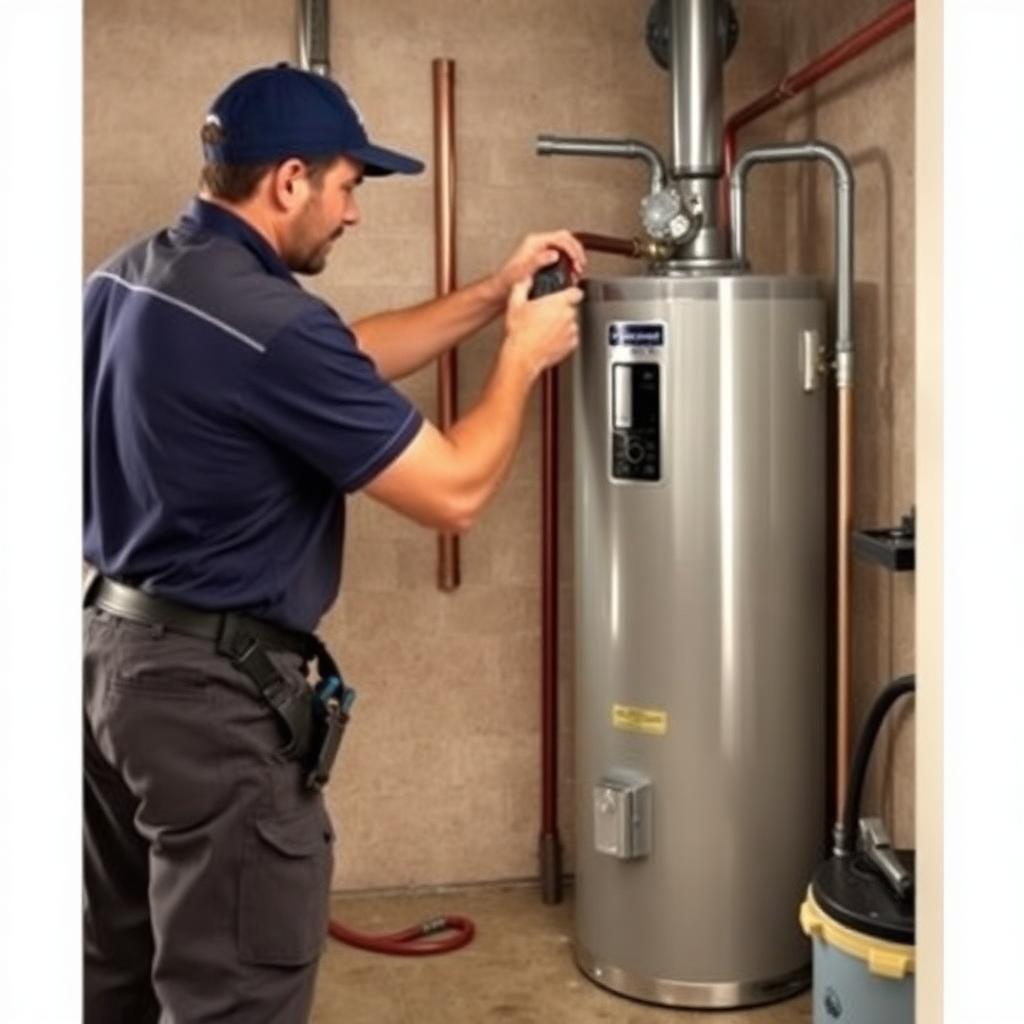
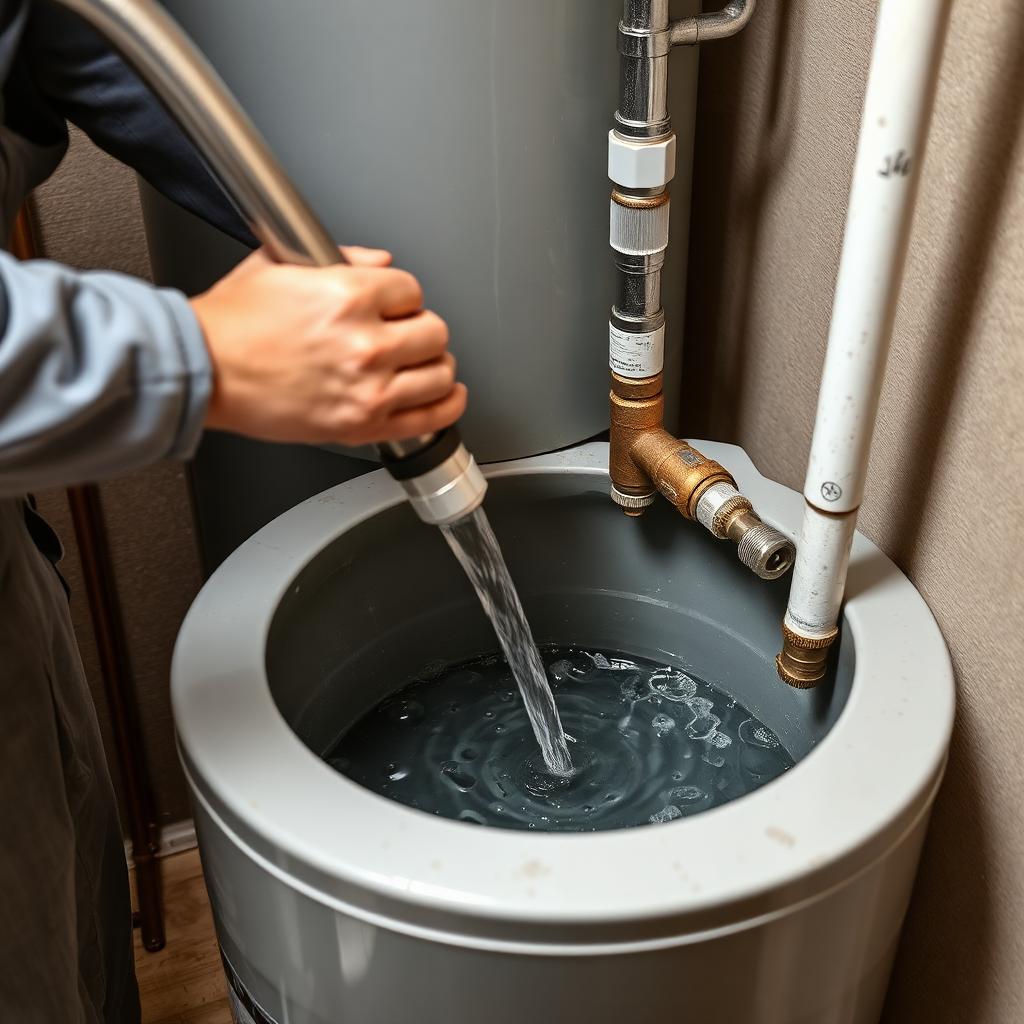
When the existing tank still has life left, we repair it — a thermocouple, a gas valve, a heating element, a fresh anode rod, or a flush to clear sediment. When it doesn't, we replace it, and on a tank pushing eight years old that call is usually a diagnostic one rather than a guess, and we'll tell you honestly which side of that line you're on.
Water Heater Trouble Around Lake Dallas
Some of these call for a repair. Some call for a replacement. Either way, worth a look before it gets worse.
Struggling to fill a tub, or the second shower always runs cold — could be a failing dip tube, a unit that was undersized to begin with, or sediment eating into usable tank space. Each has its own fix.
Sediment settled on the tank bottom flashes to steam and pops. A flush restores things if it's caught early; a loud, constant noise usually means the tank is closer to the end.
The sacrificial anode rod has likely worn out, and the tank itself may be starting to corrode from inside. Catch it early and a new anode can buy time; heavily discolored water usually means replacement is close.
A cracked tank can't be patched — this is a replace-now situation. Shut off the water and the gas or power supply until we can get there.
Heavy sediment or a burner that's not firing efficiently makes the unit run longer to deliver the same hot water. A noticeable bill jump with nothing else changed is worth a diagnostic visit.
That valve drips when pressure or temperature inside the tank runs too high, or when the valve itself has worn out. Ignoring it risks a much bigger failure later.
Diagnose Honestly, Then Install to Full Code
A tank that can be saved gets saved. A replacement gets every code upgrade it needs, not just a swapped tank.
- 1Look at the system as a whole
Age pulled from the serial number, how much sediment has settled, condition of the anode, whether the relief valve is holding, and how the burner or element is performing — then we tell you plainly which side of repair-versus-replace the numbers land on.
- 2On a repair, target the actual failure
Thermocouple, gas valve, heating element, thermostat, dip tube, anode rod, or a full flush to clear sediment out — the parts for common models are already sitting on the truck.
- 3On a replacement, bring the whole install up to current standards
Correctly sized BTU or wattage for the household, an expansion tank sized for a closed system, a drain pan routed to an actual discharge point on any closet install, proper relief-valve piping, and a seismic strap wherever the location calls for one.
- 4Remove the old unit properly
The failed tank goes out for recycling instead of getting hauled dripping through a finished hallway, and we clean up the closet floor before the new one goes in.
- 5Confirm everything works before we leave
Combustion gets checked on gas models, recovery rate gets timed, the thermostat gets set where you'd like it, and we point out the shutoff, show the relief-valve test, and note when the next flush should happen.
Water Heater Closets Around Lake Dallas
The house dictates the install, and the install dictates what eventually fails.
Older single-family homes and cottages from this part of town commonly have roomy interior closets, which makes for a straightforward swap but often still lacks the expansion tank a current code-compliant install requires.
A single-family area with a mix of build years, so we confirm the existing venting and gas connection on-site rather than assuming what's already there matches current code.
No confirmed build era on record for this subdivision, so every visit starts with a full look at the existing setup instead of assuming based on a similar-looking house down the street.
Shoreline properties see more ambient humidity, which is worth factoring into venting and closet ventilation on both gas and electric installs near the water.
This stretch mixes decades of construction, so we check the specific closet and venting setup for each address rather than generalizing from the road.
Newer builds near this corridor more often already meet current code on expansion tanks and pans, which can simplify a straight tank swap.
What Lake Dallas Homeowners Say
Repaired When It Can Be, Replaced Correctly When It Can't
A new tank comes with the manufacturer's own coverage plus warrantied labor from our side of the install. Repairs are backed by warrantied parts and labor too. When we point you toward replacement, it's because the inspection led there — not because a spare tank happened to be riding on the truck that day.
We're licensed by the Texas State Board of Plumbing Examiners, insured, and family-owned, dispatching from our shop in The Colony. A total failure in Lake Dallas gets same-day attention.
Straight Answers, No Sales Pitch
Our Other Plumbing Services in Lake Dallas, TX
A failing water heater often shares an age with the rest of a house's plumbing. We check for leaks, drain issues, and gas line condition on the same visit around Lake Dallas.
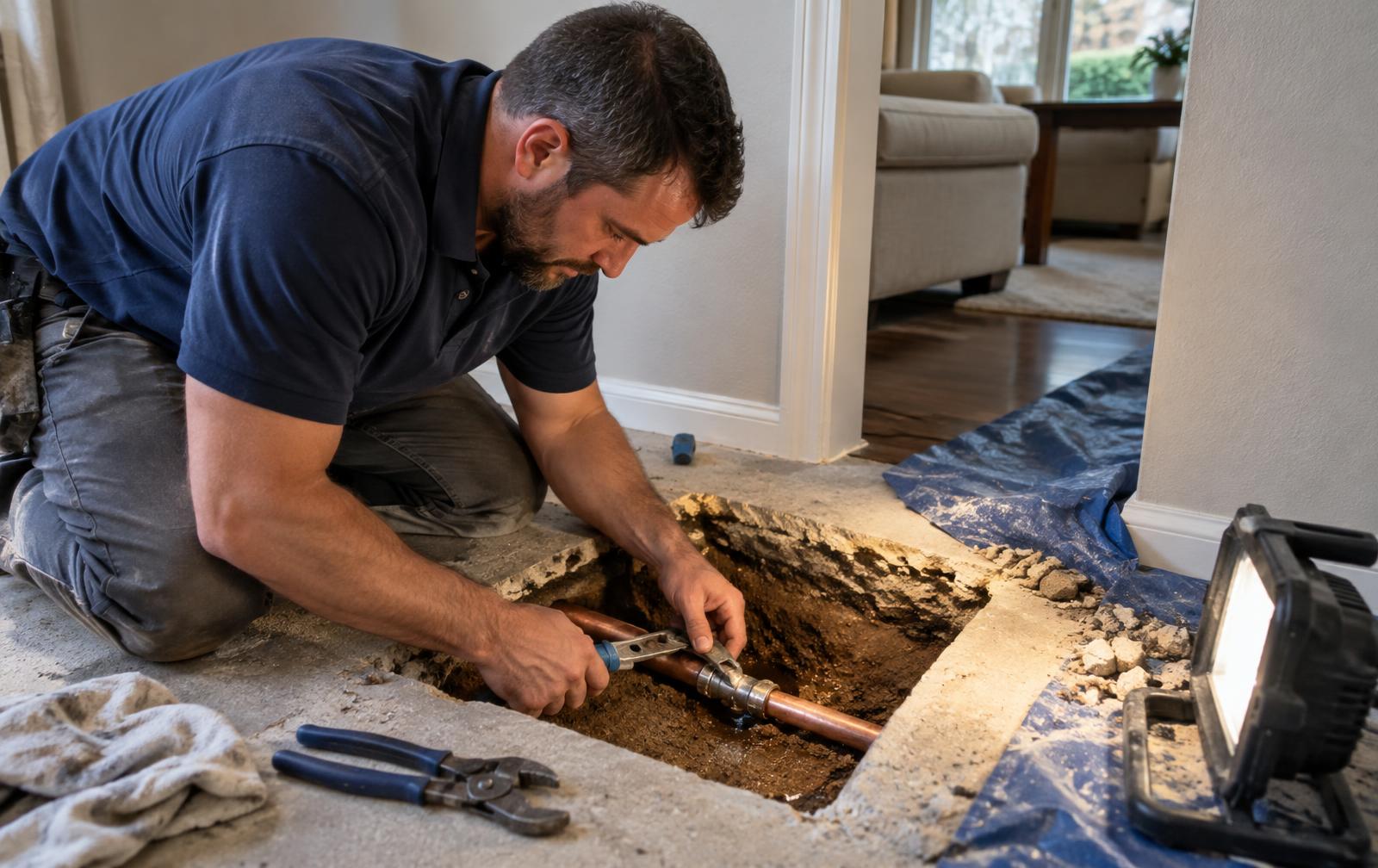
Electronic detection under Lake Dallas slabs — reroute options that save your finished floors when possible.
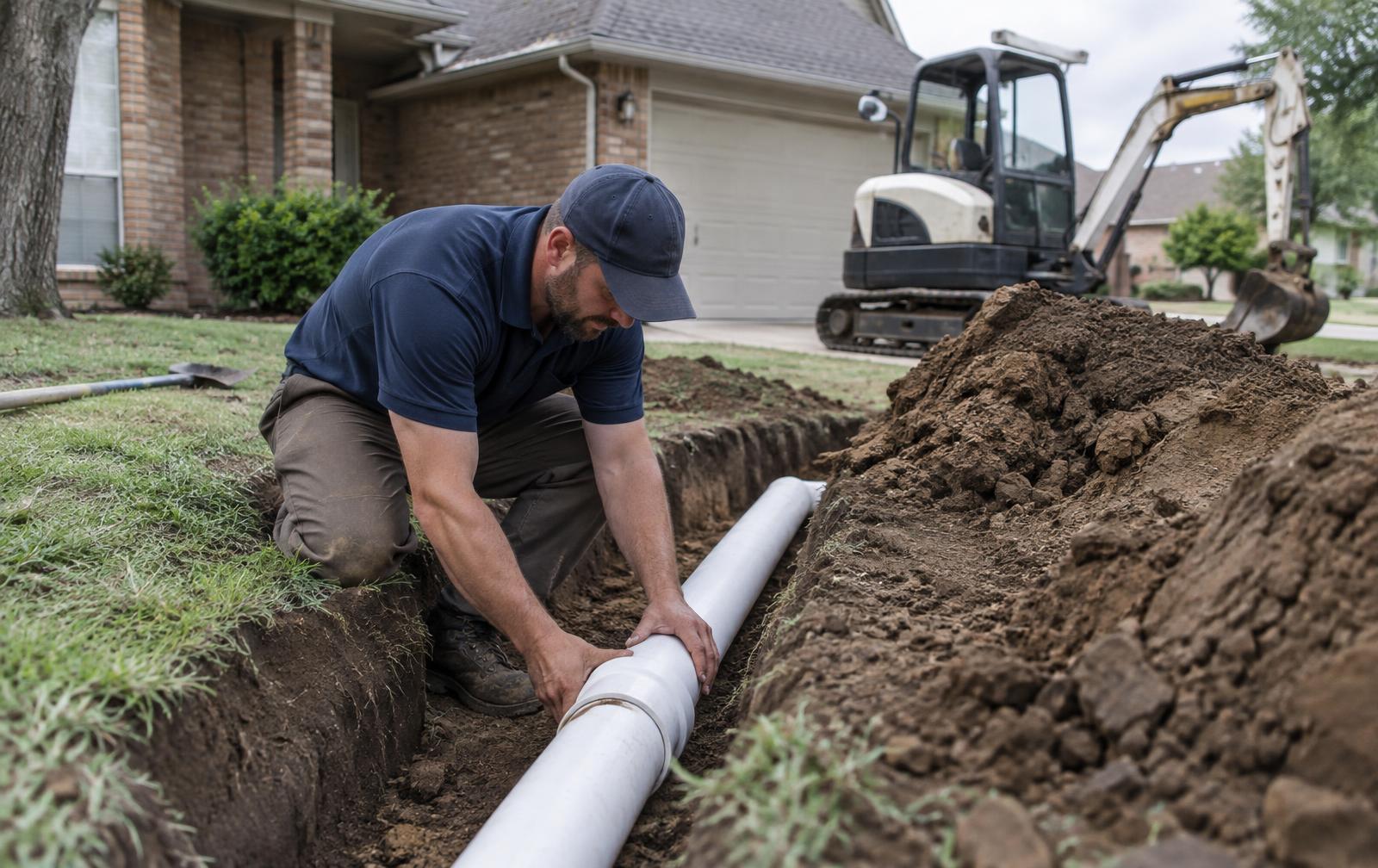
Trenchless replacement for the aging laterals across Lake Dallas's older runs — camera first, quote in writing, minimal yard damage.
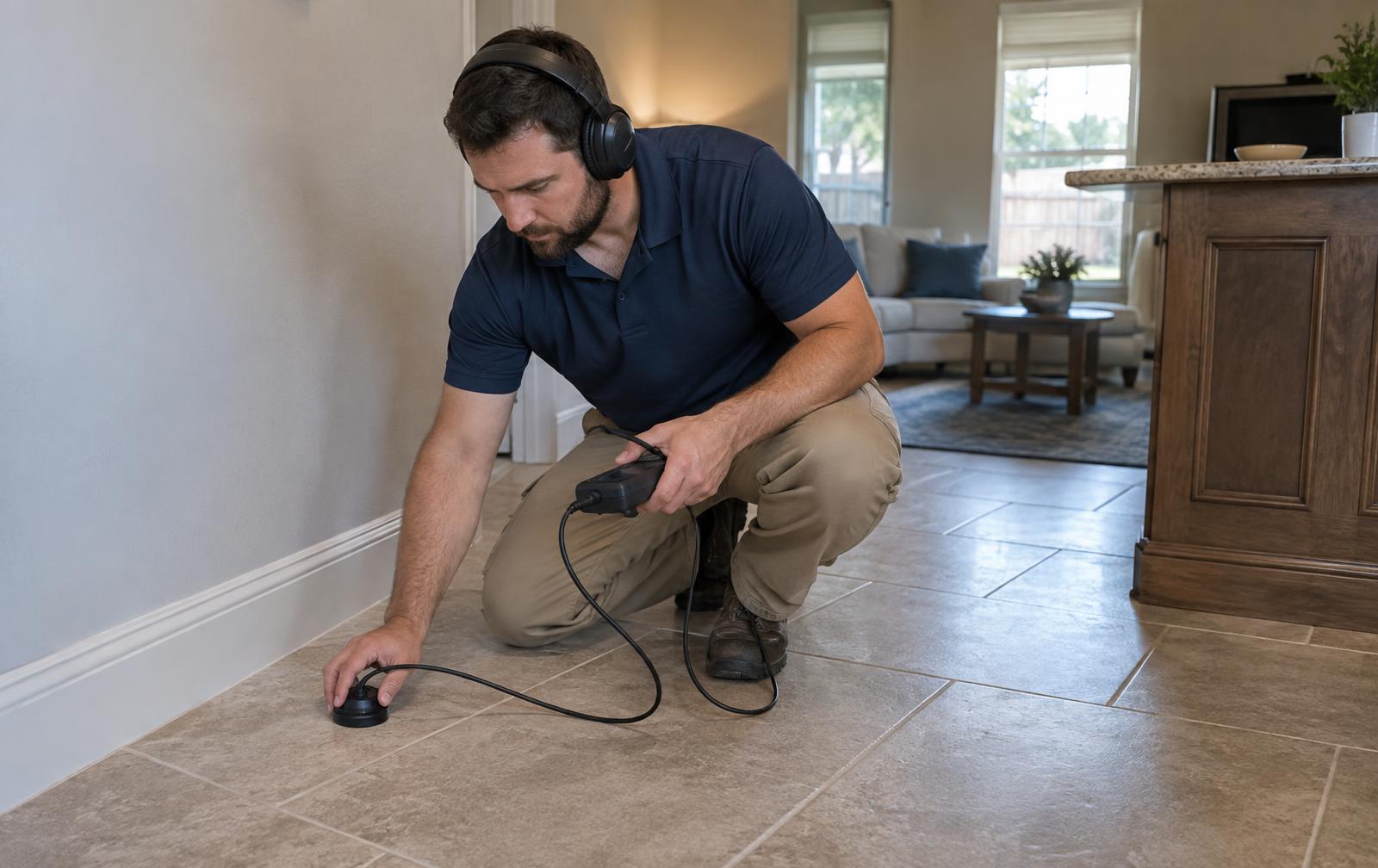
Acoustic, thermal, and pressure testing to pinpoint hidden leaks in Lake Dallas slab and wall lines without tearing into finishes.
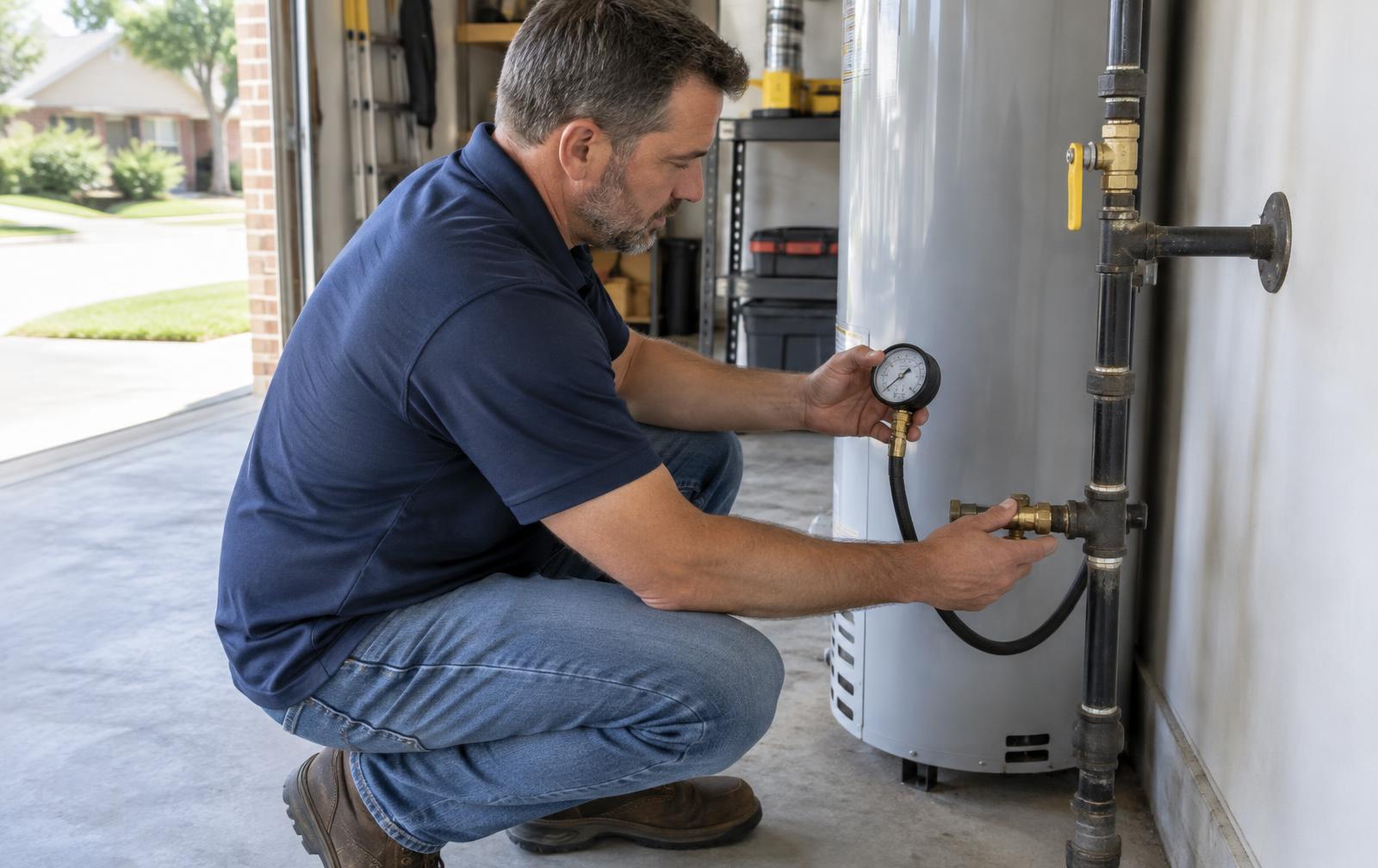
Licensed install, repair, and pressure-testing for Lake Dallas homes — every line signed off to Texas code and Atmos requirements.
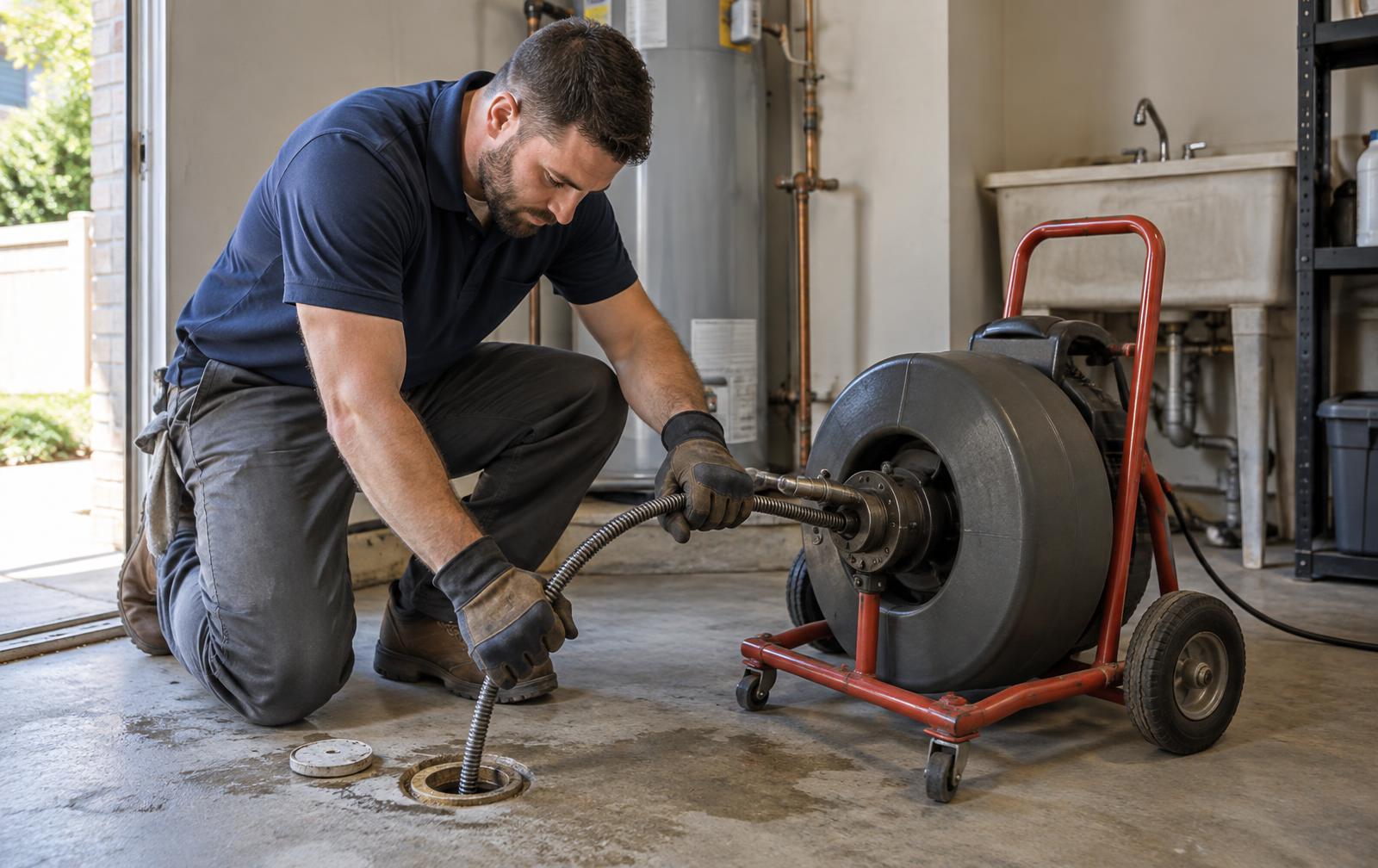
Full-clear service and camera confirmation for the drains under Lake Dallas's neighborhoods.
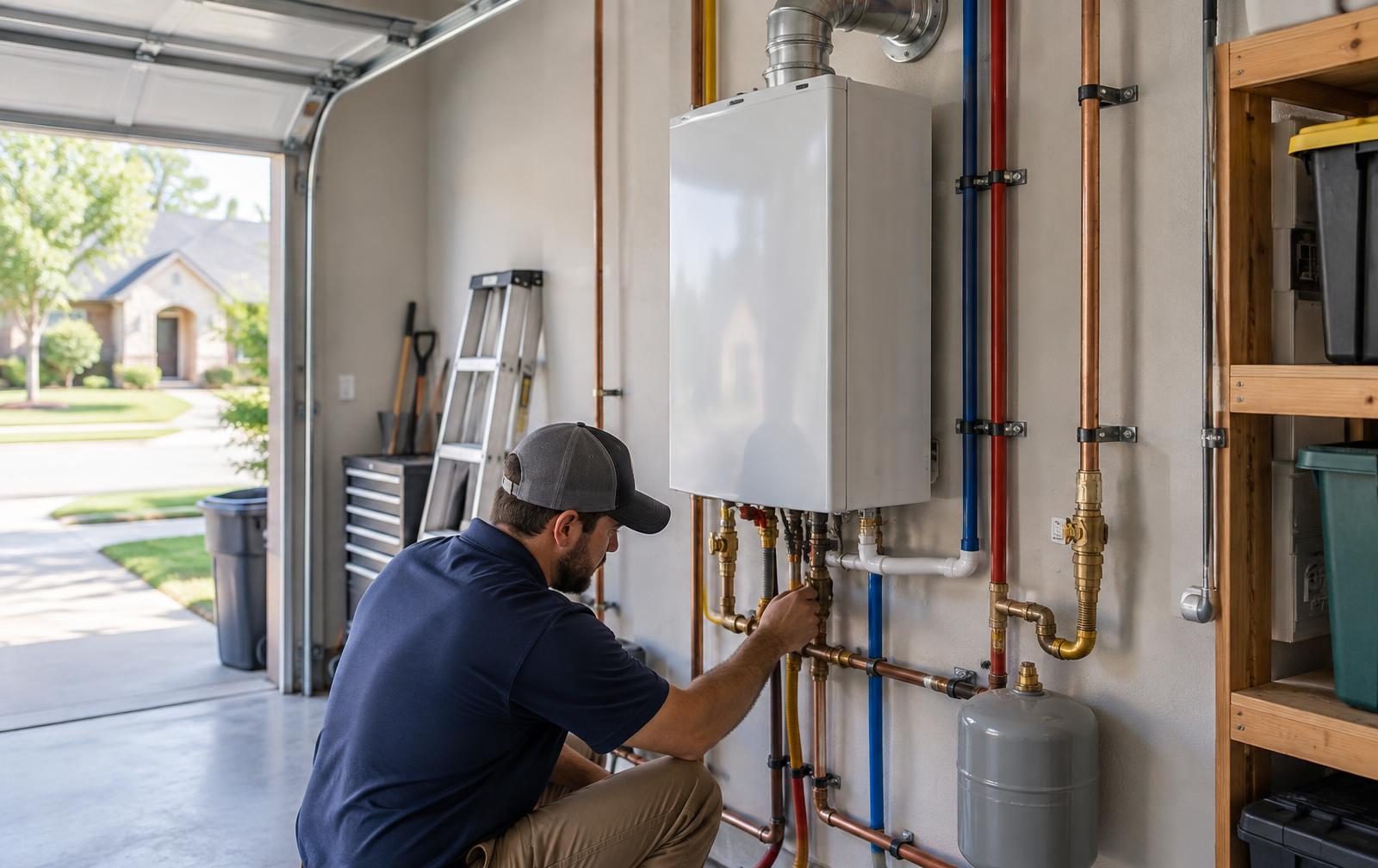
Install, service, and annual descaling — Lake Dallas's hard tap water eats tankless heat exchangers without it.
same-day, 7 days a week response across Lake Dallas for burst pipes, heater failures, and main-line backups.
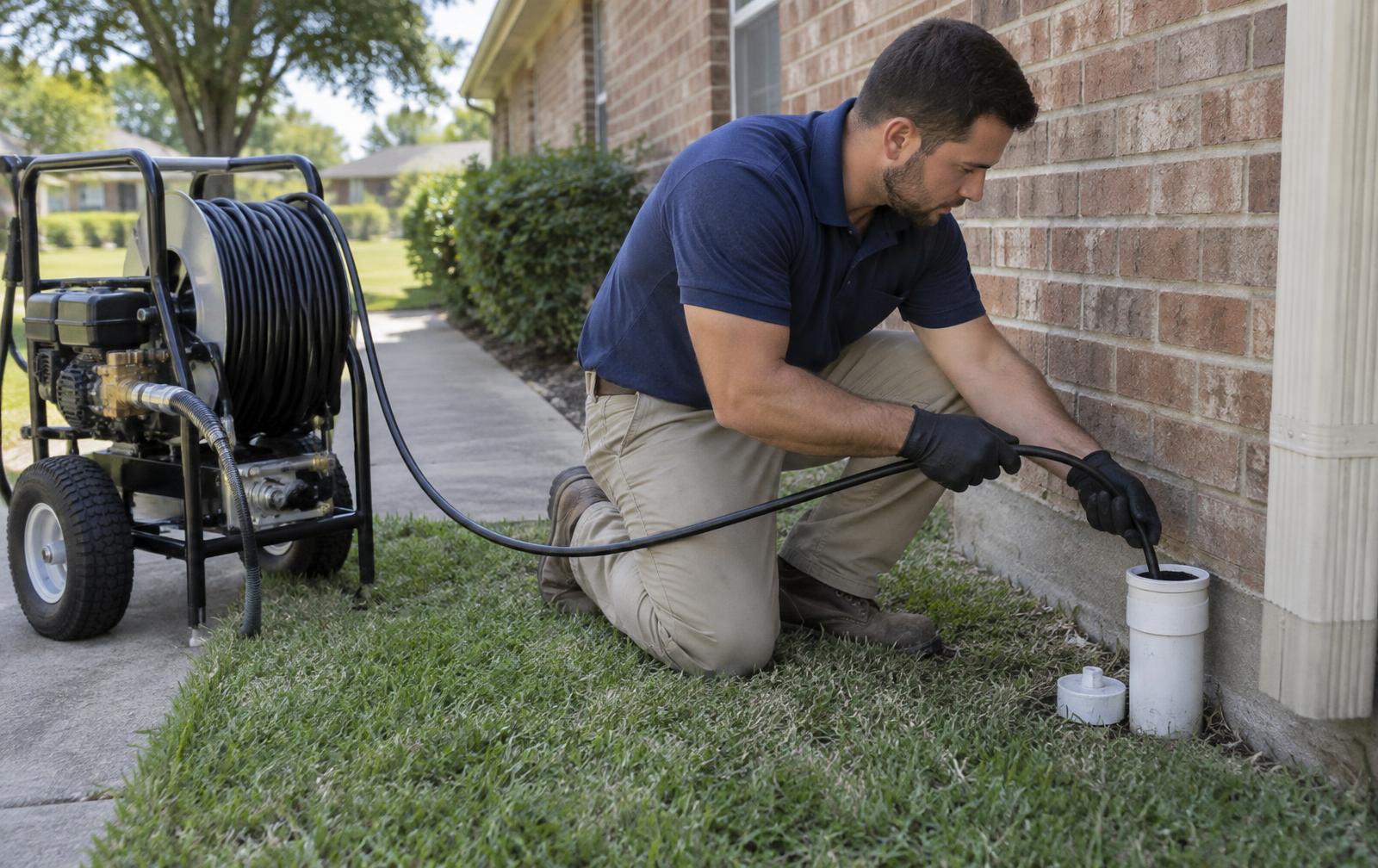
High-pressure cleaning that clears scale, grease, and roots from Lake Dallas's lateral runs — full-diameter, lasting clean.
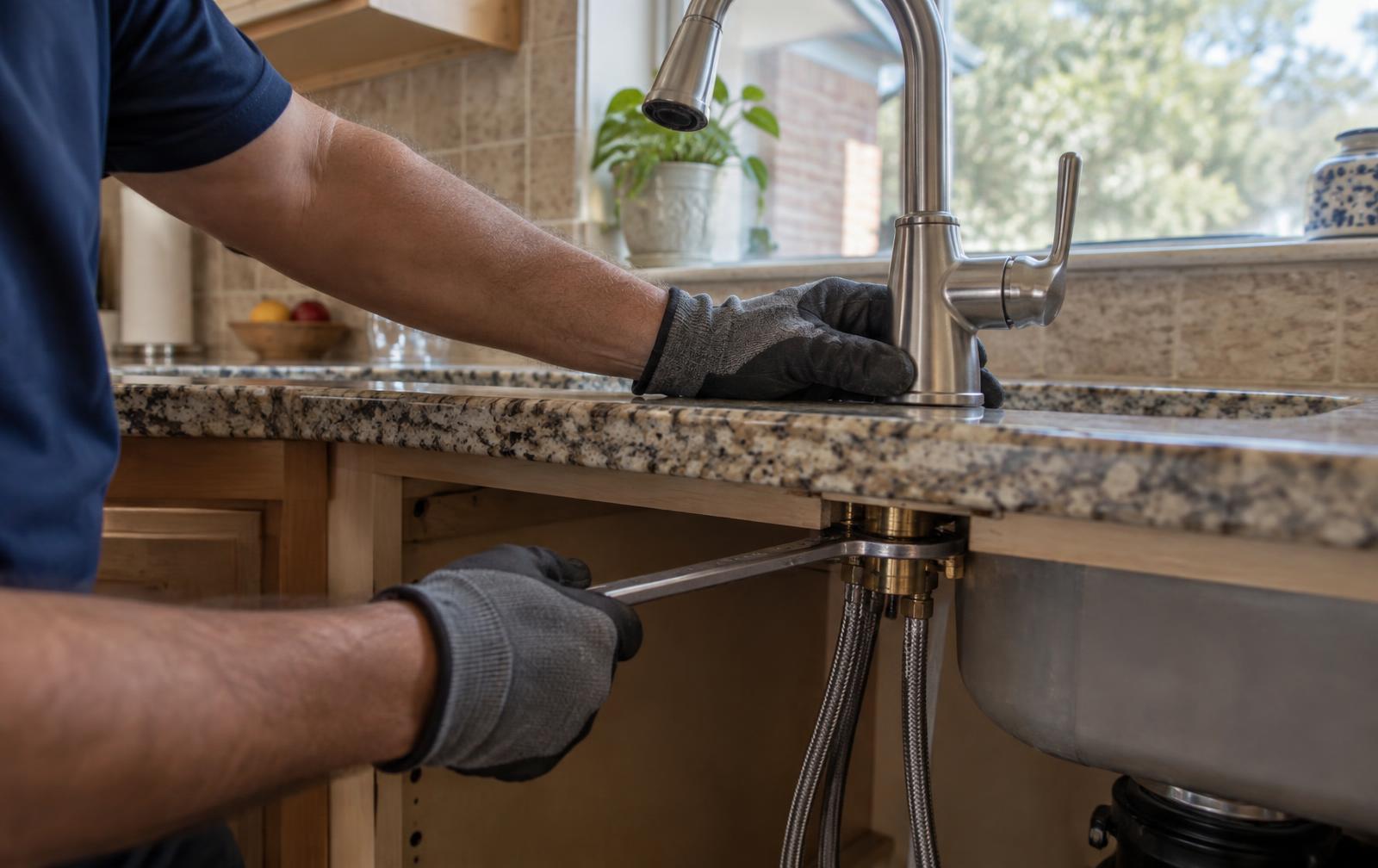
Cartridge, stem, and full-fixture replacement for Lake Dallas kitchens and bathrooms — hard-water-ready parts stocked on the truck.
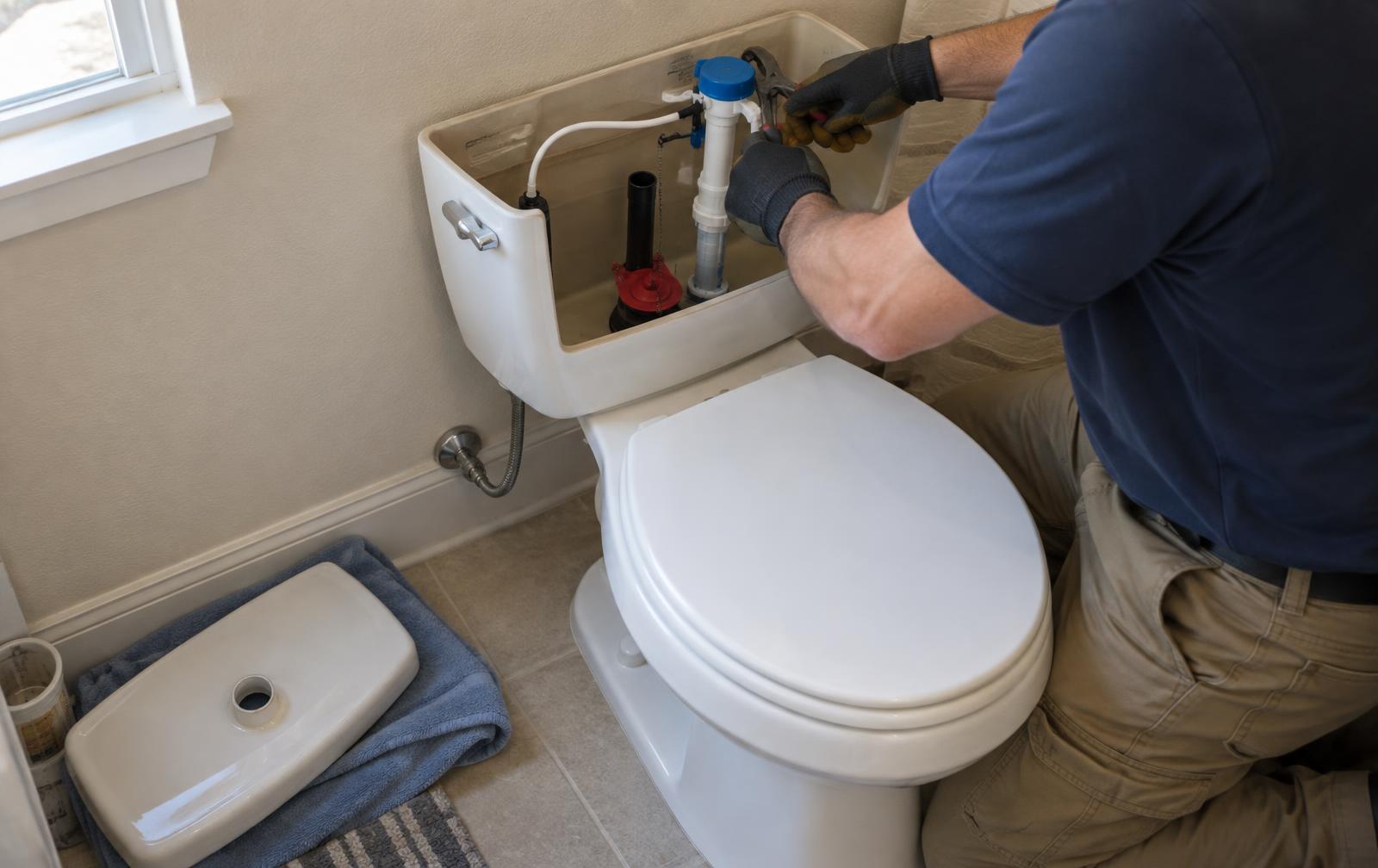
Rebuilds, wax-ring resets, flange repairs, and full replacements — the running toilets and rocking bowls in Lake Dallas homes.
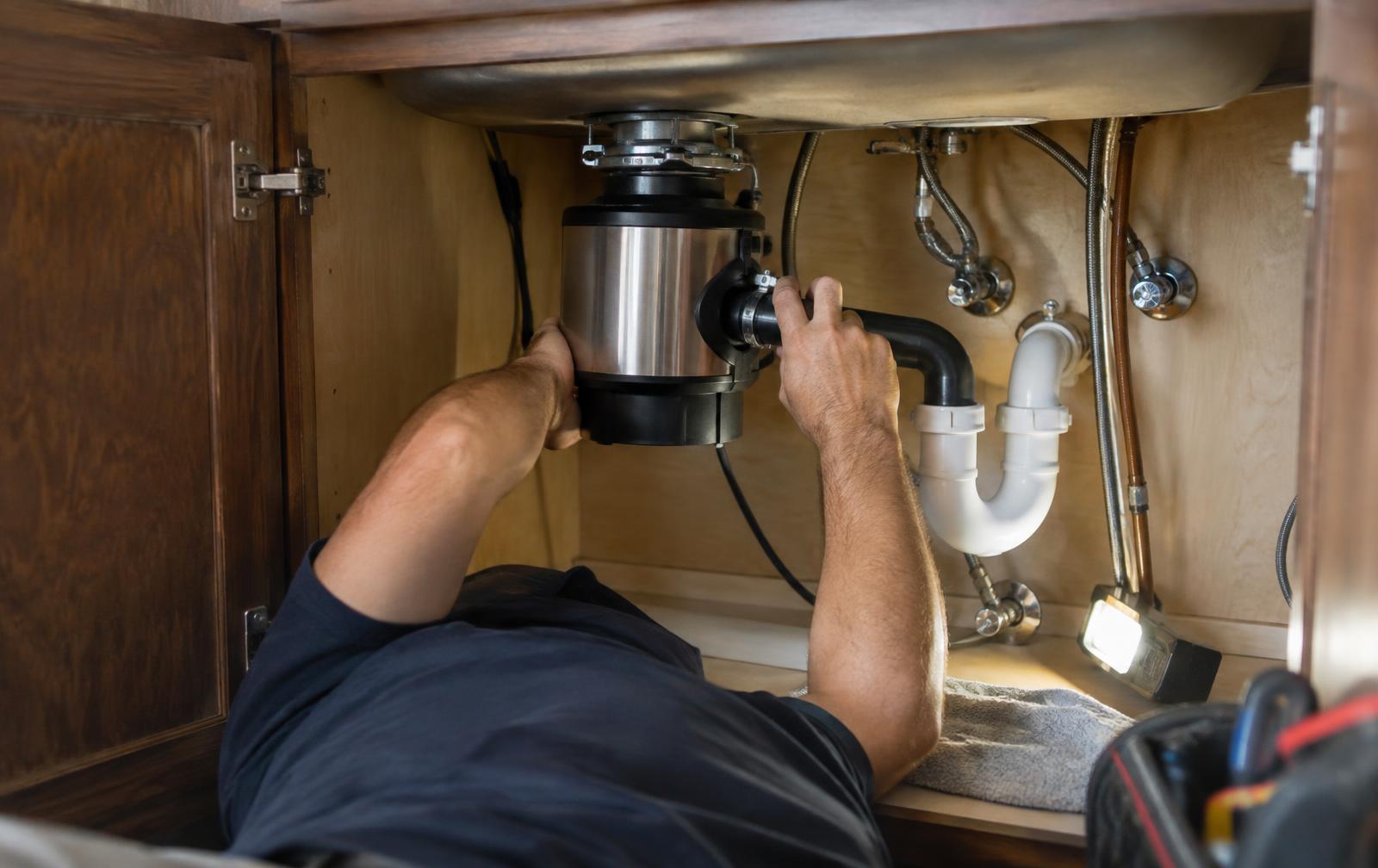
Jam clearing, leaking-unit swaps, and quiet 3/4 HP upgrades for Lake Dallas kitchens — same-visit install.
Water Heater Trouble in Your Lake Dallas Home?
Honest diagnosis, code-compliant replacement, same-day help for total failures.