
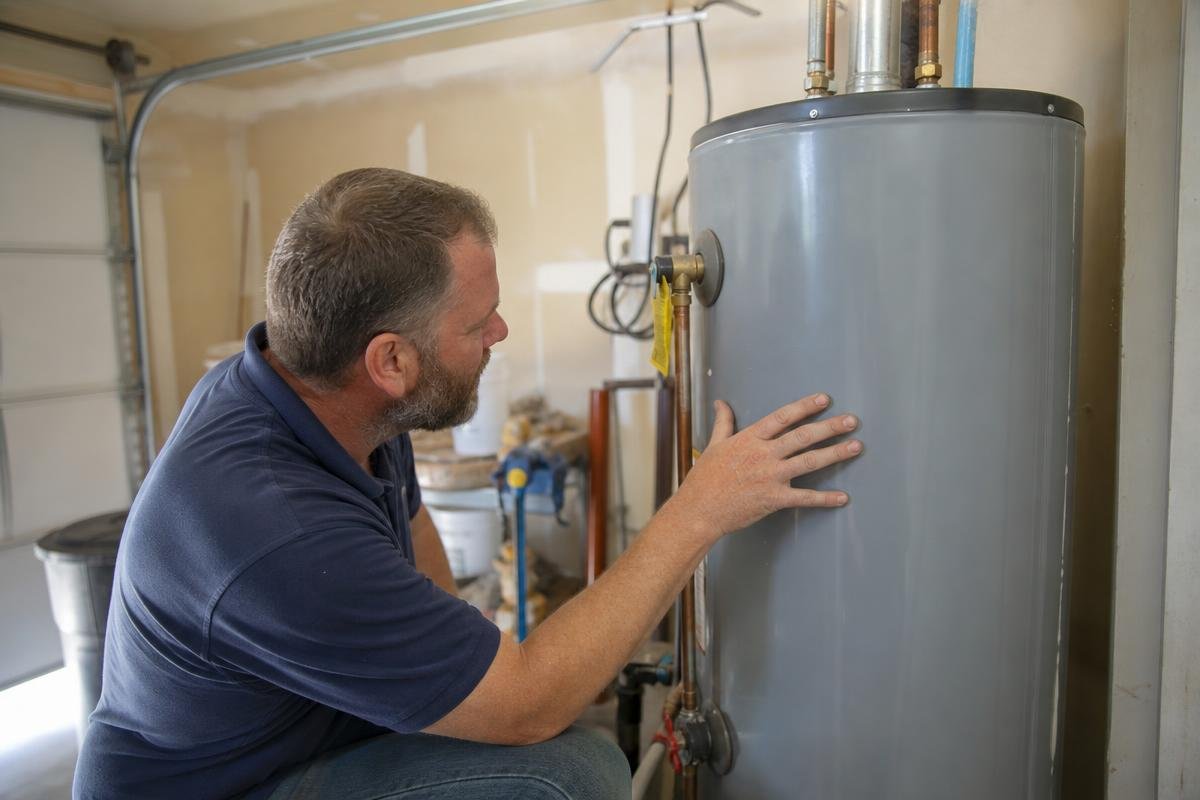
No hot water, a rusty tank, or water around the heater can turn into an urgent expense. For homeowners in The Colony, water hardness and sediment can also affect tank performance over time. At Aqua Pure Plumbing, we provide clear, site-specific guidance on water heater replacement cost, equipment options, and the installation work needed for your home.
Get a written replacement estimate that identifies the unit, installation scope, and any needed updates.
Key Takeaways
- Installed price depends on the heater type, capacity, fuel source, venting, access, and code-related corrections at the existing location.
- A like-for-like tank swap is generally less involved than a power-vent replacement, attic installation, or tankless conversion.
- Mineral content in the local water supply can contribute to sediment inside tank-style heaters, making maintenance and sizing important.
- A written scope should identify equipment, removal, safety components, permit coordination when required, and any connection or venting work.
What Does Water Heater Replacement Cost in The Colony?
For planning purposes, a standard same-location tank replacement usually has a lower installed cost than a conversion or installation requiring venting, gas, electrical, drainage, or access changes. The scenarios below explain common cost factors, not job-specific pricing. A final price requires an inspection of the existing heater and installation location.
How Much Does a Standard Water Heater Replacement Cost in The Colony?
The cost of a conventional tank replacement depends on the equipment and labor scope. In practice, the best way to budget is by replacement scenario, then confirm the details with a written in-home estimate.
| Replacement scenario | What commonly affects the installed price |
|---|---|
| Standard electric tank swap | Tank capacity, electrical connection condition, drain pan, water connections, and access |
| Atmospheric gas tank swap | Tank size, gas connection, flue condition, draft verification, pan and discharge piping |
| Power-vent tank replacement | Compatible venting, electrical outlet, blower configuration, condensate needs, and vent routing |
| Attic or elevated installation | Safe access, drain pan and drain routing, platform condition, removal path, and protection for areas below |
| Tankless conversion | Gas capacity, venting, electrical requirements, condensate disposal, water piping, and mounting location |
Common add-ons can include a drain pan and properly routed discharge line, shutoff valves, supply connectors, temperature-and-pressure relief piping, expansion control where applicable, vent repairs, gas piping changes, electrical work, or repairs to damage found around the old heater. These items should be listed individually in the scope rather than hidden in a vague total.
Third-Party Market Estimates Are Not a Job Quote
Published market estimates vary widely and are not Aqua Pure Plumbing pricing. They do not account for the exact equipment, access, permits, or corrections required at a particular The Colony home.
A meaningful quote identifies the model or equipment category, labor, removal and disposal of the old unit, connection work, safety components, and any additional work found during the inspection.
What a Full Replacement Scope Can Include
A full replacement can include removing and disposing of the old unit, setting the new heater, reconnecting water and gas or electrical lines, checking venting, installing required safety components, and testing operation. Our water heater service in The Colony begins with the actual installation conditions, not a one-size-fits-all online estimate.
- Drain pan and discharge line condition
- Water shutoff and supply connection condition
- Gas line or electrical connection requirements
- Vent pipe condition and draft verification for applicable gas units
- Temperature and pressure relief valve and discharge piping
- Old-unit removal and disposal
Like-for-like replacement in the same location can limit labor and material changes. Moving the heater, changing fuel type, or changing vent design typically expands the scope.
Want to compare replacement options without guessing? Request a written water-heater assessment for your current setup.
Tank vs. Tankless: Which Replacement Changes the Cost Most?
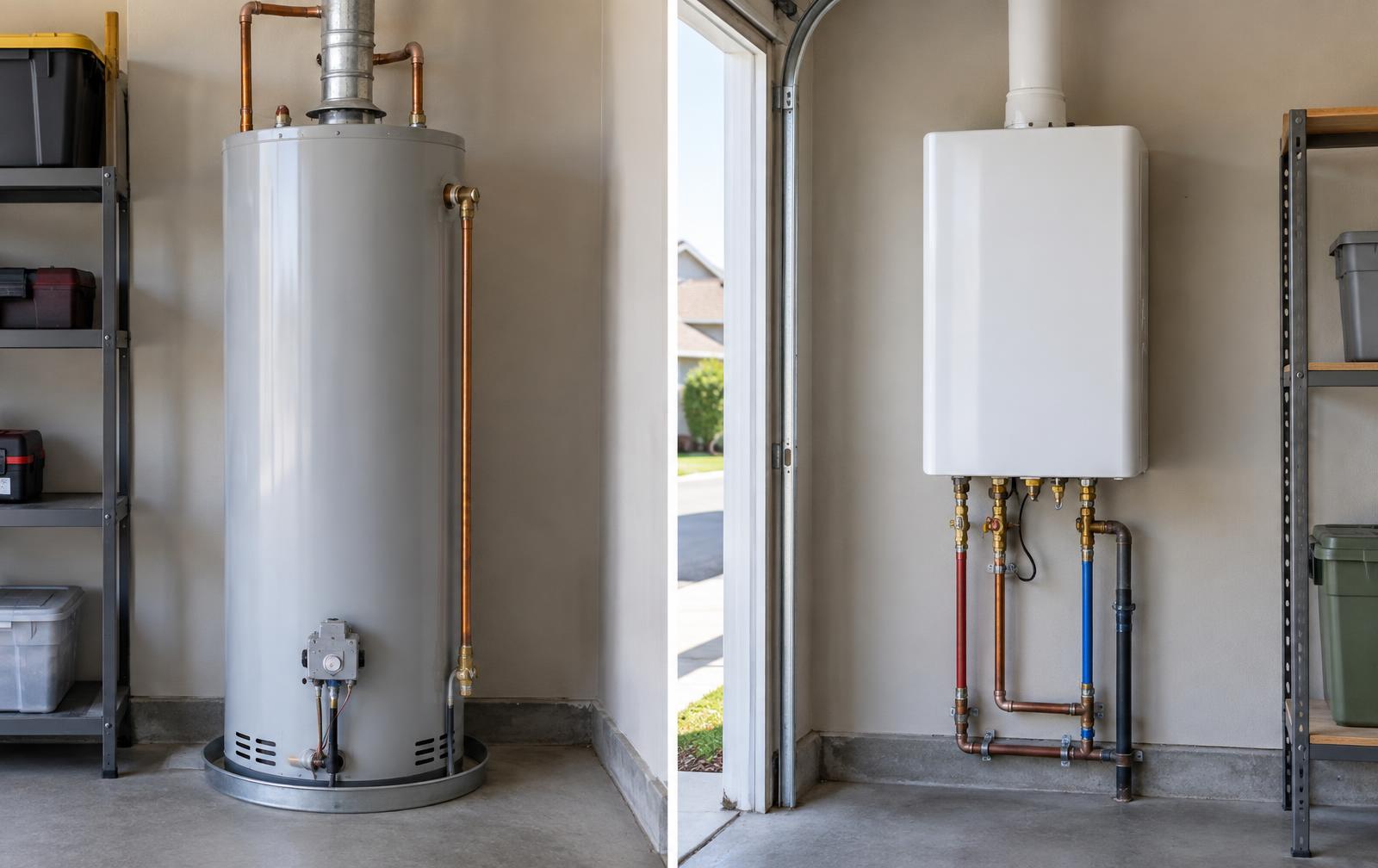
Tankless installation generally costs more upfront than replacing a conventional tank because the work may extend beyond the heater itself. A tankless unit can require changes to gas piping, venting, electrical service, condensate drainage, water piping, and the mounting location. Whether the upgrade is worthwhile depends on household demand, existing infrastructure, and long-term priorities.
Why Conventional Tank Replacements Are Often More Straightforward
A standard tank replacement is often more predictable when the water lines, gas or electrical service, drain pan, and venting already suit the new unit. The heater still needs correct capacity, safe connections, and applicable code-compliant components, but retaining the same fuel type and location can reduce the number of changes.
Why Tankless Installation Can Require More Work
A tankless conversion may require larger gas piping, electrical changes, approved venting, condensate drainage, or a new wall mounting location. These requirements are why the upgrade budget can differ substantially from a standard tank replacement.
Published estimates for tankless installation vary widely and are not a quote. Our tankless water heater service evaluates the gas supply, vent route, drainage, demand, and installation location needed for a specific home.
Matching Capacity to Household Demand
Select a tank size or tankless flow rate based on simultaneous hot-water use, not just the number of bathrooms. Multiple showers, laundry, dishwashing, and other fixtures can overlap during busy morning or evening periods.
- An undersized unit can leave users without enough hot water during peak demand.
- An oversized tank can add equipment cost without solving a household demand issue.
- Tankless sizing should account for fixture demand and incoming water temperature, not a generic online recommendation.
A proper recommendation considers household routines, fixture demand, fuel type, and the capacity of the existing home systems.
Considering an upgrade? Schedule a water-heater assessment to compare a standard tank replacement with tankless installation requirements.
What Can Raise or Lower Your Final Replacement Quote?
Your final replacement price reflects both the heater selected and the work needed to install it safely. A useful estimate should separate equipment from installation conditions, so you can see what is included and why.
Fuel Type, Capacity, and Venting
Gas, electric, power-vent, and tankless systems use different connections and installation methods. Capacity and recovery rate also affect equipment selection. A larger or differently shaped unit may require changes to pans, platforms, clearances, or connections, depending on its footprint, location, and the installation design.
Atmospheric gas heaters use a metal flue that rises through the roof. Power-vent and direct-vent equipment can use different materials and routing. Changing the vent type can add material and labor. If you are evaluating a tankless option, our tankless water heater service can help identify the required infrastructure.
Existing Connections and Safety Components
The installation should include a review of the shutoff valve, supply lines, gas piping or electrical connection, drain pan, relief valve, discharge piping, and expansion control where applicable. Corroded valves, worn connectors, or inadequate drainage may need correction rather than reuse.
These details matter because an unusually low quote can exclude parts or safety work another quote includes. Ask for each included item in writing.
Access, Water Damage, and Related Repairs
Attic installations, elevated platforms, tight closets, and narrow access routes can require additional setup and labor. For attic units, the inspection should also address the condition of the platform, drain pan, drain route, and any signs of moisture below the installation area.
Moisture near the unit does not always mean the tank failed. It can come from piping, a relief valve, or another leak source. If the source is unclear, leak detection in The Colony can help identify the cause before new equipment is installed.
How The Colony Water Conditions Can Affect Water Heater Life
Water quality can affect sediment buildup and heater maintenance needs. Local water suppliers publish annual water-quality reports, including hardness-related mineral information that can vary by supply source, season, and testing method. A system-wide report is useful context, but an in-home water test may show different results at an individual property.
Hard Water and Sediment Inside Tank Water Heaters
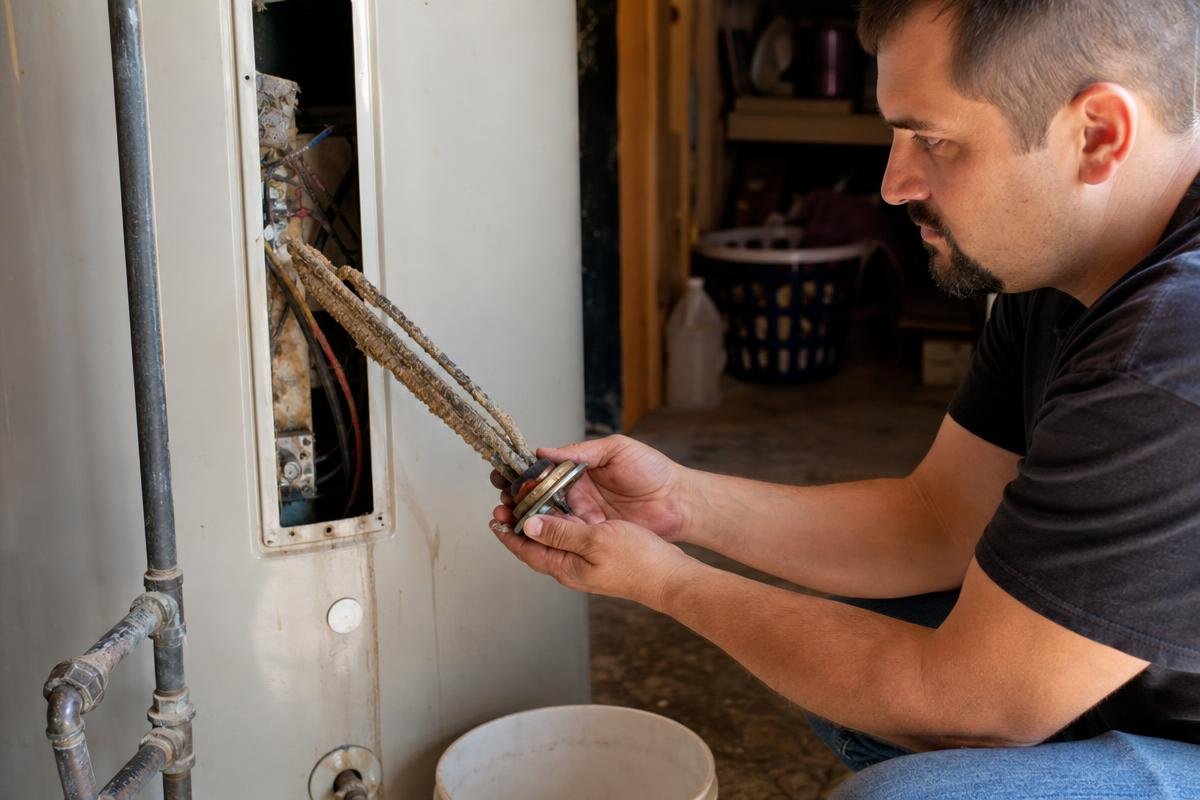
Minerals can settle at the bottom of a tank over time. Sediment can reduce heat transfer, contribute to popping or rumbling sounds, and make a heater work harder. The rate of buildup varies by water use, maintenance history, and the water entering the home.
Noise alone does not automatically mean replacement is necessary. It does warrant an inspection to determine whether the issue is sediment, a failing component, or a tank nearing the end of its useful life.
Anode Rod Inspection and Water Quality Options
An anode rod is designed to corrode before the steel tank does. Once depleted, the tank has less corrosion protection, which is one reason periodic inspection can be valuable for tank-style heaters.
For recurring scale concerns, start with water quality testing in The Colony. Treatment may help manage mineral buildup, but no water softener guarantees a specific water-heater lifespan. You can also read about choosing between a water softener and water filter before deciding what fits your home.
Hearing rumbling, seeing rusty water, or noticing reduced hot water? Call (945) 500-8335 for help evaluating the heater and its condition.
When Should You Replace Instead of Repairing a Water Heater?
A leaking tank body generally requires replacement because the steel vessel cannot be reliably repaired. Many external components, including heating elements, thermostats, igniters, valves, and connections, may be repairable. The decision should weigh the type of failure, age and condition of the heater, repair cost, and whether multiple issues are beginning to appear.
Problems That May Be Repairable
Failed heating elements, thermostats, igniters, valves, and loose water connections can often be repaired. Rusty hot water or inconsistent temperatures also call for diagnosis rather than an automatic replacement decision.
If the repair addresses one isolated component and the tank itself is sound, repair may be a reasonable option. If the tank is corroding, leaking, or needing repeated repairs, replacement may offer a more practical path.
Warning Signs That Need a Prompt Inspection
A leaking tank body usually needs replacement. Active water around a heater needs quick attention, especially near stored belongings, finished floors, walls, or ceilings below an attic installation.
- Water pooling at the tank base
- Visible corrosion or rust streaks
- Rusty water from hot-side fixtures
- Temperatures that keep changing
- Multiple repairs in a short period
If water is actively leaking, call for same-day emergency plumbing in The Colony. We can inspect the issue, explain repair versus replacement options, and provide a written replacement estimate when a new heater is needed.
Getting a Water Heater Replacement Estimate in The Colony
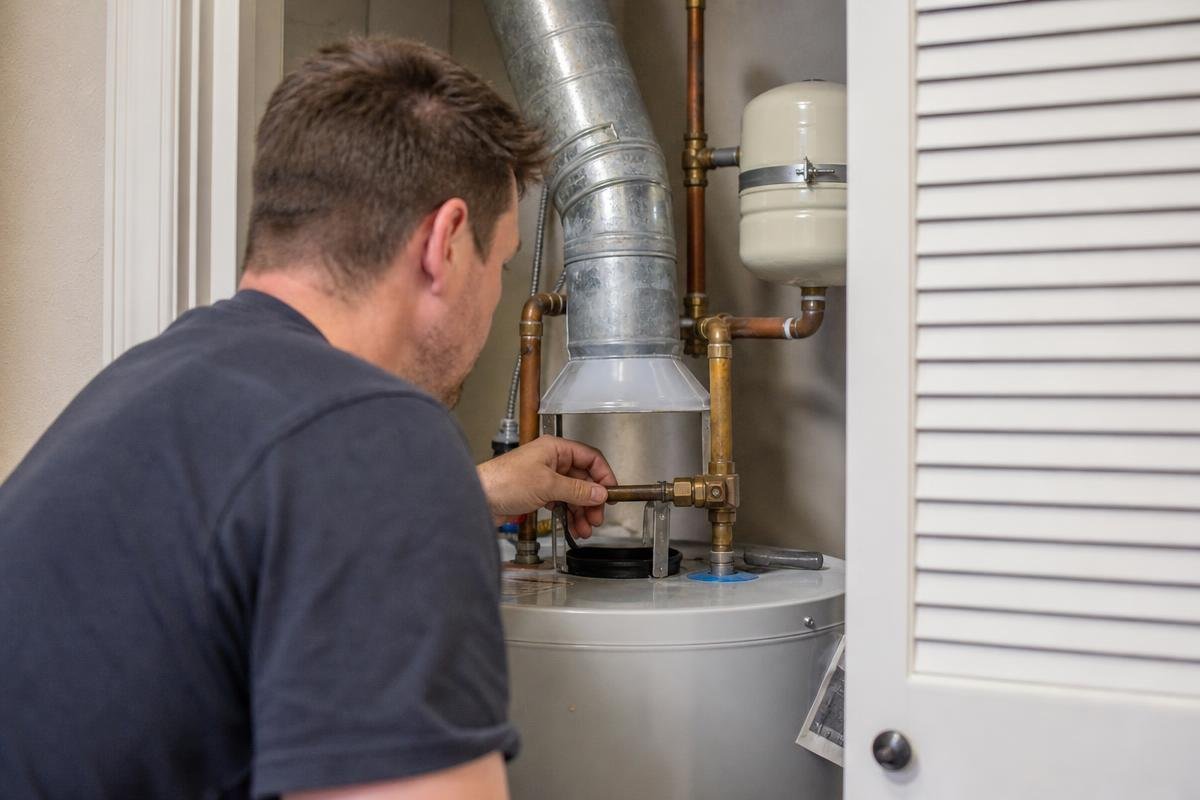
Bring details about the existing system, then compare written scopes rather than totals alone. A site-specific estimate should make clear what equipment is proposed, what labor is included, and what corrections or modifications are needed for the installation.
Our office at 1671 Riverview Dr #205, The Colony, TX 75056 is a local point of contact for homeowners who need clear pricing. Ask whether permit coordination or inspection requirements apply to the planned work, particularly when fuel, venting, electrical service, or the heater location is changing.
What to Note Before the Visit
Write down whether your current unit uses gas or electricity, its approximate tank capacity, and where it sits. Note visible leaks, rusty water, rumbling sounds, inconsistent hot water, and whether the unit is in a garage, closet, attic, or other elevated location.
Also tell us if hot water is fully out. That helps our team prepare for the visit and discuss the right water heater service in The Colony for your situation.
What a Proper Inspection Should Confirm
A proper inspection should confirm system type, capacity needs, venting, water connections, gas or electrical connections, drainage, access, and related repairs needed for a safe installation. It should also determine whether the work triggers permit or inspection requirements under the applicable local process.
Before approving work, ask for the proposed heater type, included labor and materials, old-unit disposal, anticipated timing, warranty information supplied with the equipment, and any exclusions or optional upgrades.
How to Compare Replacement Scopes
Compare the work scope, equipment type, warranty information, and required modifications, not just the lowest number. One quote may include venting changes, a drain pan, connection updates, old-unit removal, permit coordination, or disposal while another leaves those items out.
- Is the proposed heater capacity and fuel type identified?
- Are venting, gas, electrical, and drainage requirements addressed?
- Does the quote include removal and disposal of the old heater?
- Are safety components and code-related corrections itemized?
- Does the scope explain what is excluded or contingent on site conditions?
That comparison makes it easier to evaluate water heater replacement cost in The Colony, TX without being surprised by omitted work.
Frequently Asked Questions
How Much Does It Cost to Replace a Water Heater in The Colony?
Your water heater replacement cost depends on the unit type and the installation conditions. Third-party market estimates vary widely, and your actual quote depends on venting, access, fuel, and needed updates.
Our team explains options and prices before any work starts. A water heater service visit lets us inspect the setup and give you straight answers.
Does a Tankless Water Heater Cost More to Install?
Yes. Tankless installation can cost more because a conversion may require additional work. We check gas capacity, venting, electrical work, and condensate drainage before quoting a tankless unit.
Attic and garage installations can also affect the scope. Our tankless water heater service covers the details that need inspection first.
How Do I Choose the Right Water Heater Capacity?
Choose capacity based on household size, simultaneous fixture use, and recovery rate. A family running showers, laundry, and a dishwasher at once needs more hot water than a smaller household.
Do I Need a Drain Pan or Expansion Tank?
You may need a drain pan or expansion tank, depending on the location and system conditions. We inspect drainage, water pressure, and the existing connections before replacing the water heater.
How Long Does Water Heater Replacement Take?
A straightforward like-for-like replacement can often be completed in one visit. Fuel changes, vent alterations, attic access, or permit-related corrections can take longer.
Can Hard Water Affect My Water Heater?
Yes, hard water can leave mineral buildup inside the tank and on heating parts. Regular maintenance helps protect efficiency and may help you avoid replacing the unit sooner than expected.
Should I Replace My Water Heater Before It Fails?
Yes, replacing an aging unit before it leaks gives you more time to compare options and plan the work. Call (945) 500-8335 to discuss your water heater replacement in The Colony. We can inspect the existing setup, explain the work involved, and help you compare the right replacement options for your home.
Ready to Get Started with Aqua Pure Plumbing?
Call (945) 500-8335 to speak with our team directly. We're ready to answer your questions, walk you through your options, and help you find the right solution for your needs. Whether you're just starting to plan or ready to move forward, we'll explain each step clearly.
Reach out today and let's talk about how we can help.
Need a licensed plumber in The Colony?
We answer 7 days a week, 8 AM to 6 PM, with same-day service across The Colony and 13 nearby DFW cities.