

Leak Detection in Frisco, TX
Water bill jumped for no reason. Warm spot on the floor. Damp drywall with no visible source. We locate hidden leaks with acoustic gear, thermal imaging, and isolated pressure testing — then mark the exact spot before anything gets opened.
Not Every Leak Is a Slab Leak — Here's How We Actually Find It
The hardest leaks in Frisco aren't the obvious ones. They're the ones that just show up as a $220 water bill instead of an $80 one, or a musty smell that comes and goes, or a warm spot that only shows up in the winter. Most of them are hiding in a wall, under a slab, behind a shower valve, in an attic supply line, or between the meter and the house.
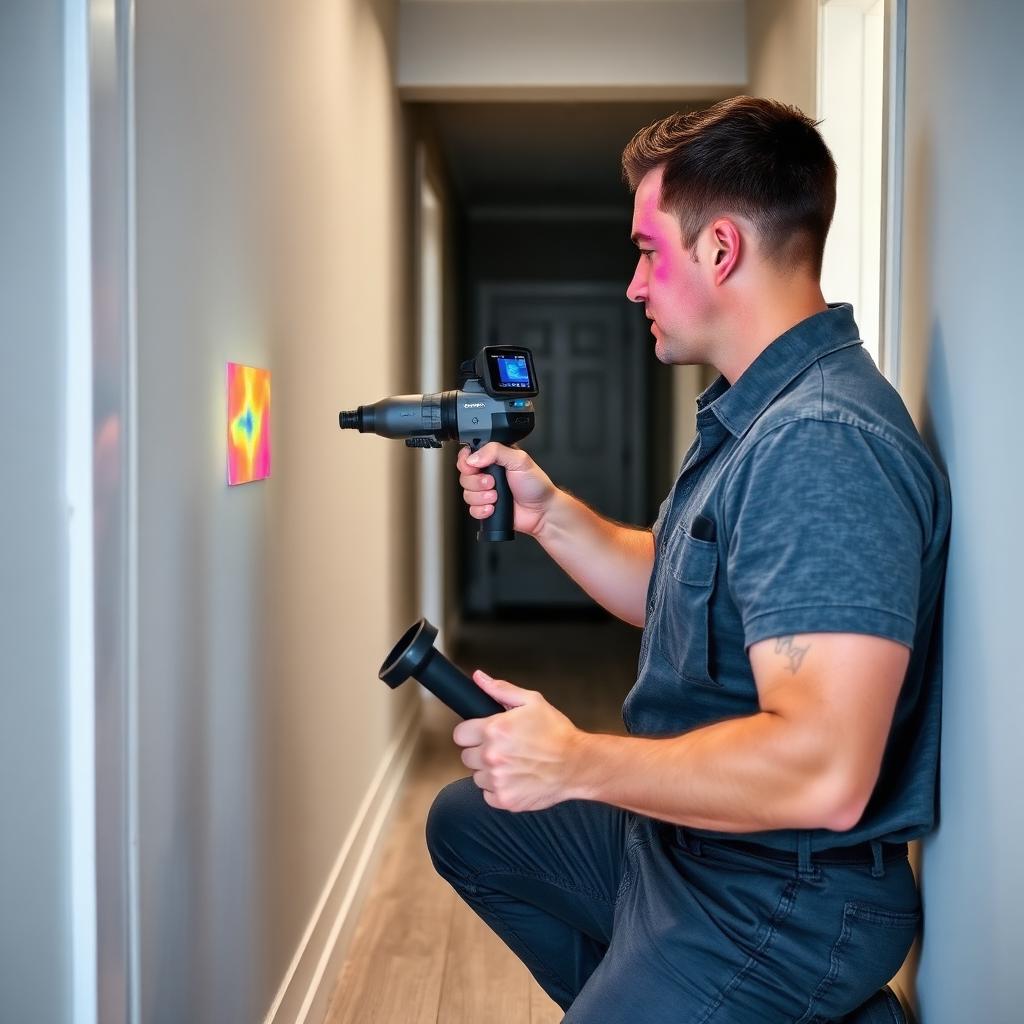
The wrong move is to start opening drywall to find them. The right move is to isolate — shut sections of the plumbing one at a time, watch the meter, thermal-image the walls, and listen to the pipe with an acoustic amplifier. By the time we open anything, we've marked the leak on your finish with tape and photographed it.
We work every kind of Frisco home on this — post-tension slabs in Phillips Creek Ranch, pier-and-beam originals in downtown Frisco, tract homes in Frisco Lakes with 85+ PSI on the incoming main. Different construction, different failure patterns, same detection playbook.
Signs There's a Leak Somewhere in Your Frisco Home
Any one of these is worth a $250 detection visit. Two or three together and you almost certainly have an active leak.
A jump of $40+ month over month with no change in usage is the clearest signal. Pull three months of bills before you call — we'll spot the anomaly month.
Shut every fixture, then watch the small dial on the meter for two minutes. Any movement means water is escaping somewhere — inside the house, between meter and house, or under the slab.
A soft spot in a wall, a growing ceiling stain, or paint bubbling near a plumbing wall means water is finding a path from a pipe to a finish. It's rarely coming from the exact spot the stain is showing.
Damp cellulose insulation and wet drywall smell distinctly musty. If a room smells that way and you can't find a source, there's water in the wall cavity you can't see.
Shut every fixture off and listen. A hiss inside a wall, a gurgle under a floor, or the sound of trickling anywhere is a leak signature — often on the pressurized side, occasionally on the drain side.
A hot-side slab leak heats the tile or wood above it long after anyone last ran hot water. This one is unmistakable if you know to feel for it barefoot.
Isolate, Detect, Mark. Then Repair.
Every detection visit ends with a marked location, photos, and written repair pricing — not a guess.
- 1Meter read and pressure test
First step on site: shut every fixture, isolate the meter, and confirm water is actually escaping somewhere. Then we pressurize each zone of the plumbing separately to narrow hot vs cold, indoor vs yard, above slab vs below.
- 2Zone isolation to narrow the leak
We shut the water heater, close the manifold, cap the outdoor spigots — whatever it takes to isolate one branch at a time. In 20 minutes we typically know whether the leak is under the slab, in the wall, in the attic, or between the meter and the house.
- 3Acoustic and thermal detection
Once we've narrowed it to a zone, we listen with an acoustic amplifier and scan with a thermal imaging camera. Hot-side leaks light up on thermal. Small cold-side leaks are audible with the right amplifier on tile or hardwood.
- 4Mark, photograph, and write the quote
We tape the exact spot on the wall or floor, photograph it with the detection reading, and write repair pricing before anything gets opened. The detection fee credits toward the repair when we do the work.
- 5Repair with the minimum access hole
A wall leak becomes a drywall patch the size of a book. A slab leak becomes an overhead reroute or a targeted slab cut. We never open more finish than the marked location requires.
Detection Playbook Depends on What's Under Your Feet
Slab, pier-and-beam, and attic-run plumbing each demand a different first move. Getting that right cuts detection time in half.
Copper or PEX supply lines run inside the slab. Detection starts with acoustic on the tile, thermal imaging along the plumbing walls, and a hot-side pressure isolation. If we confirm it's under the slab, we scan for post-tension cables before any repair is quoted.
- Acoustic amplifier on tile and hardwood
- Thermal imaging on plumbing walls
- PT cable locate before any cut is planned
The upside: we can usually visually inspect the copper or PEX from the crawlspace or attic. The downside: attic-run leaks travel — a drip that starts over a kitchen ceiling can show up as a stain three rooms away. Thermal imaging plus a controlled fill test finds it fast.
- Direct visual inspection where accessible
- Thermal imaging on the ceiling to trace attic leaks
- Controlled fill test to pinpoint intermittent drips
Not sure which one you have? Tell us the year built and neighborhood when you call — we bring the right gear before we roll a truck.
What We Find Where in Frisco
Different subdivisions, different failure patterns. Here's what our detection calls in each part of Frisco typically turn up.
Thin-wall copper in slabs and attic runs both. Detection here is mostly split between hot-side slab pinholes and attic PEX manifold weeps at fittings.
Long runs on large lots. We often trace a mystery drip to an attic split near a bath group two rooms away from the visible stain.
Older copper and mixed foundation eras. Detection here almost always starts with a pressure isolation to figure out what era we're dealing with before we listen for the leak.
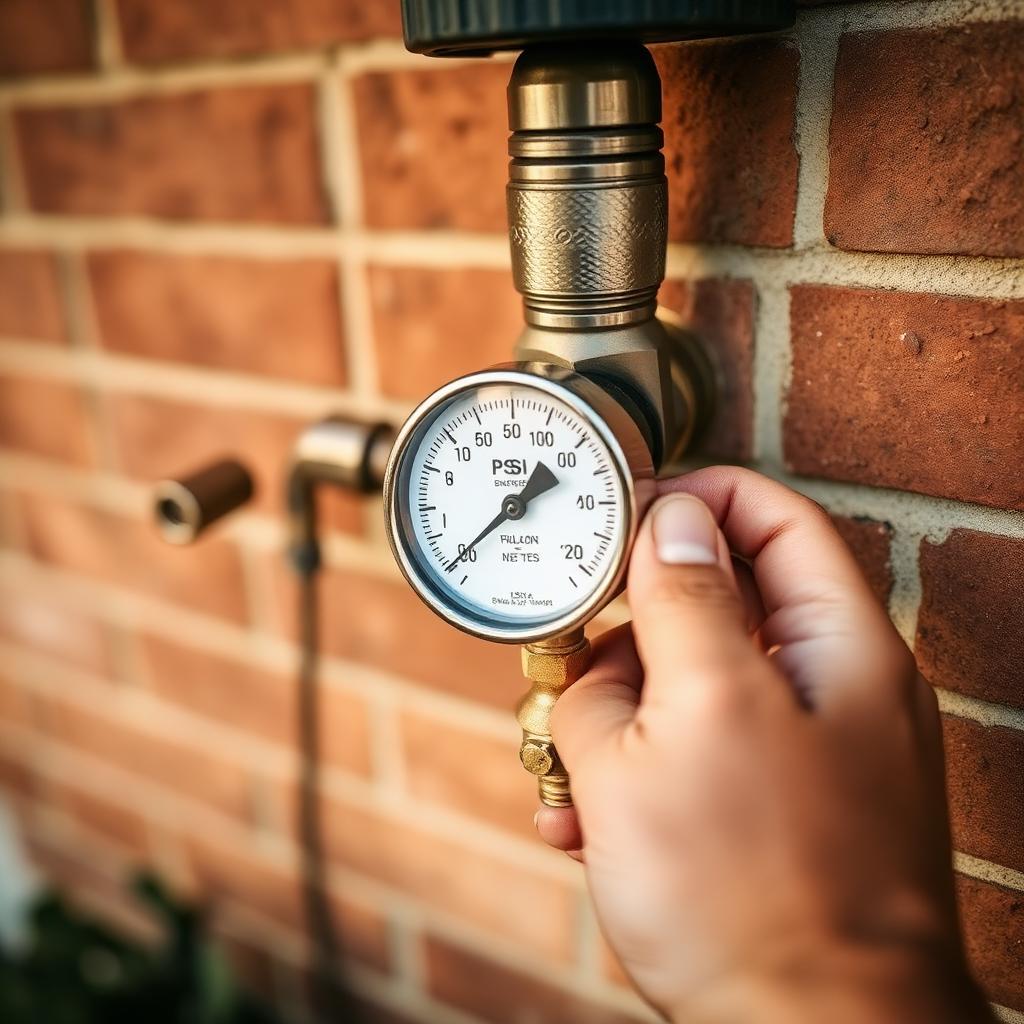
Incoming pressure at 85–90 PSI. Small pinholes on the hot side are common — we pair every detection with a PRV check because a bad PRV creates the leak that brought us out.
Newer PEX manifolds. Failures here are usually at a crimp fitting, and thermal imaging plus a fill test finds them without opening more than a hand-sized panel.
Older cast iron drains under the slab. When a leak call turns out to be a drain-side failure, we camera the affected line in the same visit and quote both repairs together.
What Frisco Homeowners Say
The Same Plumber Detects the Leak and Does the Repair
No handoff to a "leak detection specialist" who marks the spot and disappears while another company quotes the repair. Devan runs point on the detection AND the fix — so the plumber who marked your wall is the plumber who opens it, and the mark is exact.
Fully licensed by the Texas State Board of Plumbing Examiners, insured and bonded, and dispatching from The Colony so most Frisco addresses get same-day service on an active leak.
Straight Answers, No Sales Pitch
Our Other Plumbing Services in Frisco, TX
A hidden leak is often the first symptom of a bigger plumbing issue. We handle the full picture — one local call.
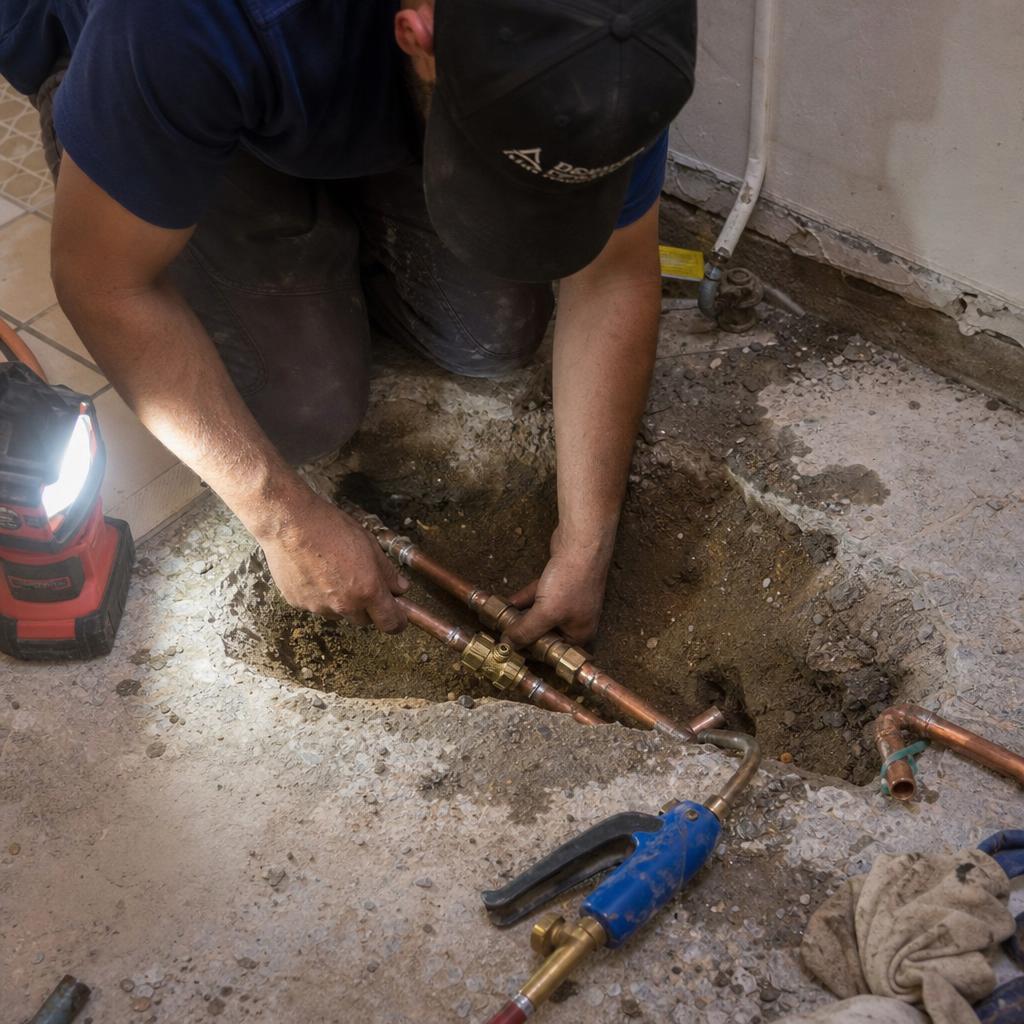
Electronic detection and repair — reroute options that save your flooring when possible.
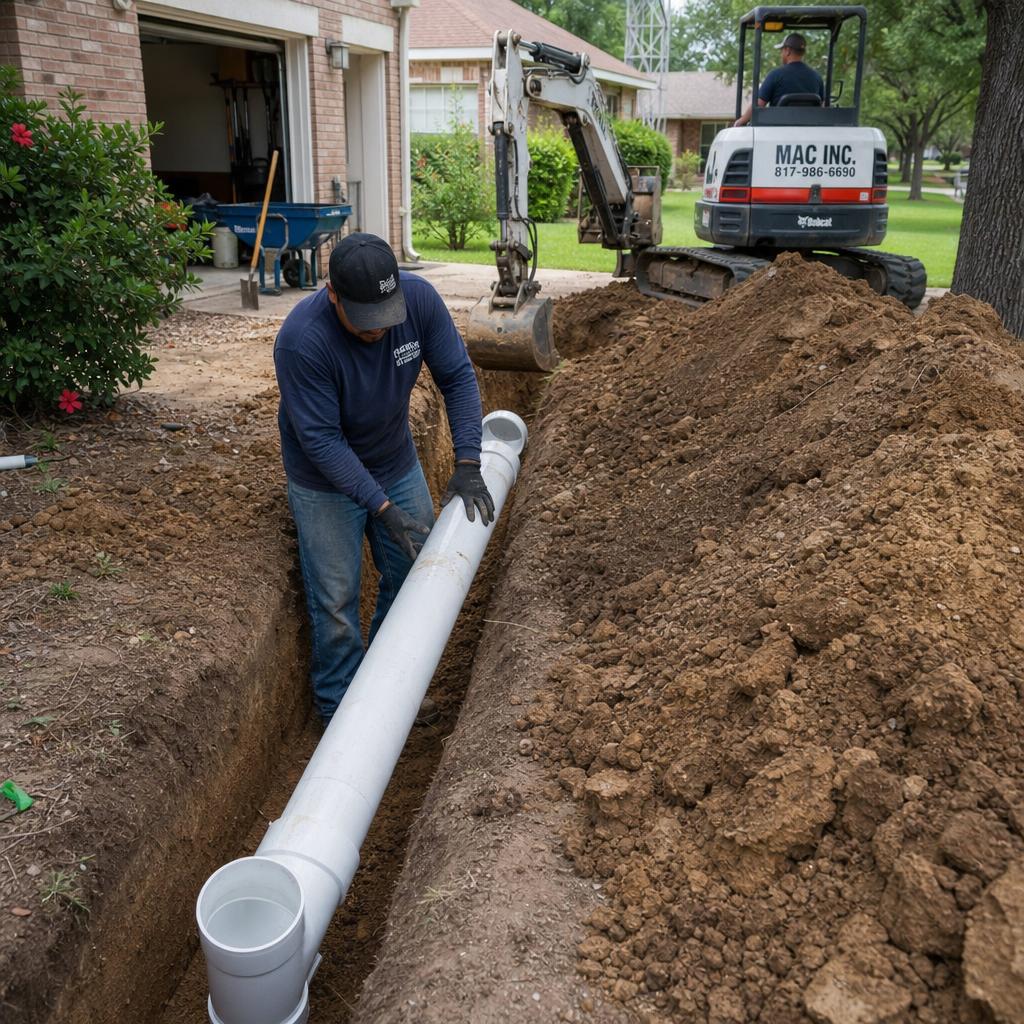
Trenchless replacement for Frisco's aging clay and cast iron mains — camera first, quote in writing, minimal yard damage.
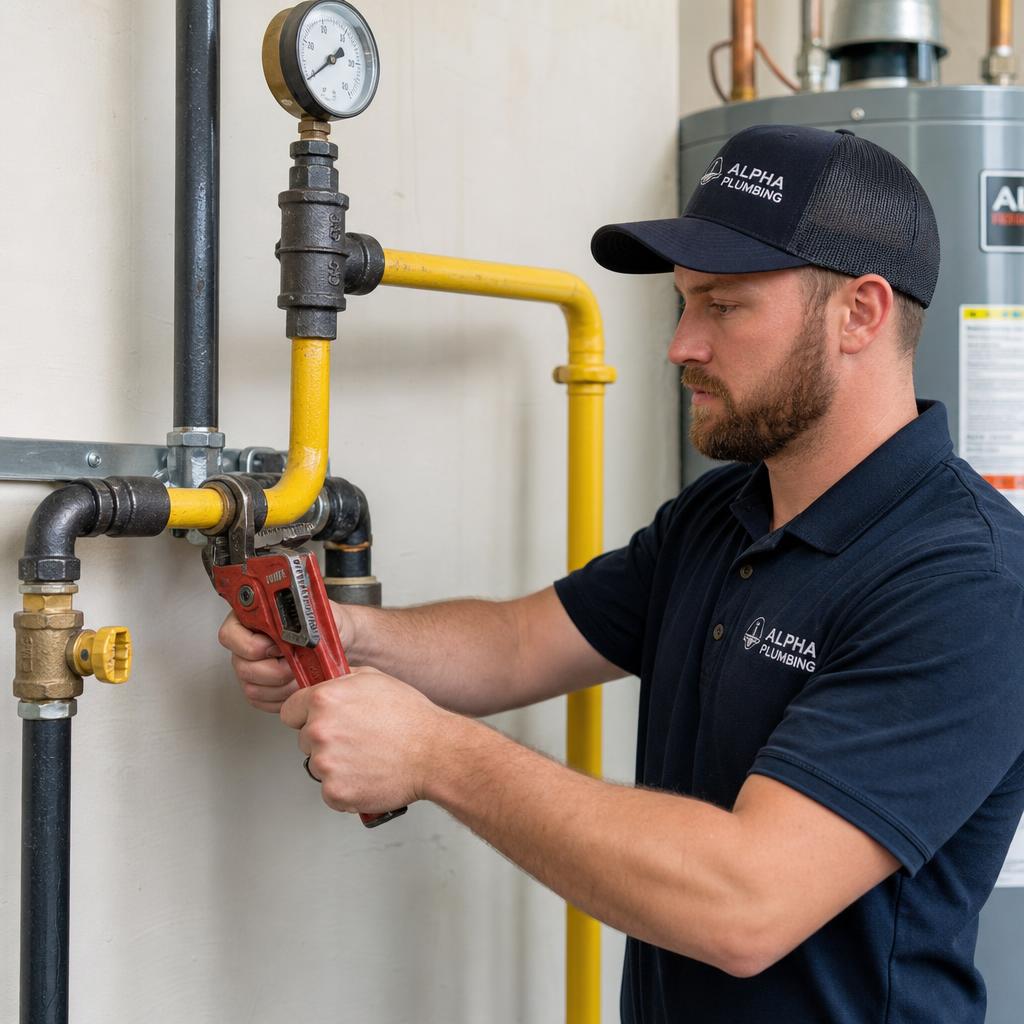
Licensed install, repair, and pressure-testing for Frisco homes — every line signed off to Texas code.
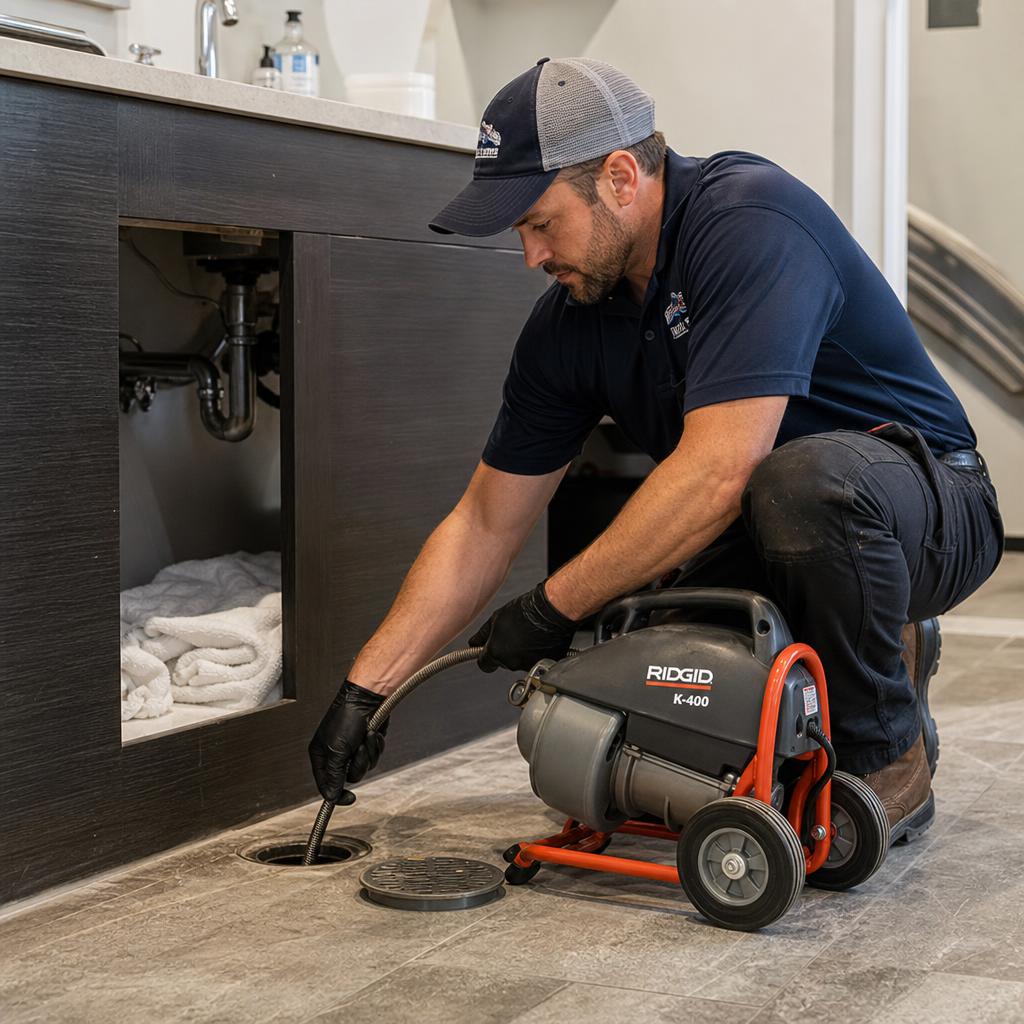
Full-clear service and camera confirmation, not the partial snake job that guarantees a callback.
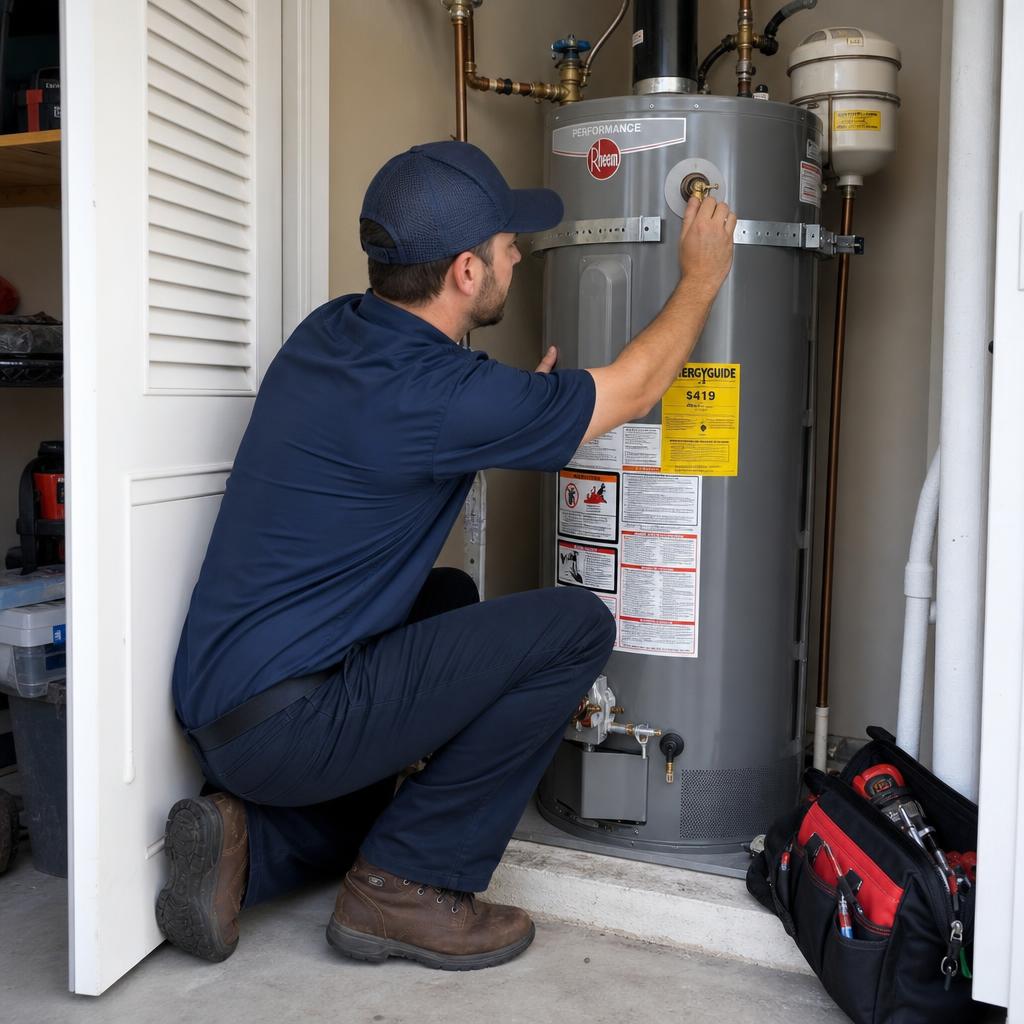
Repair, flush, and replacement of tank units — including the attic-mounted heaters common in Frisco tract homes.
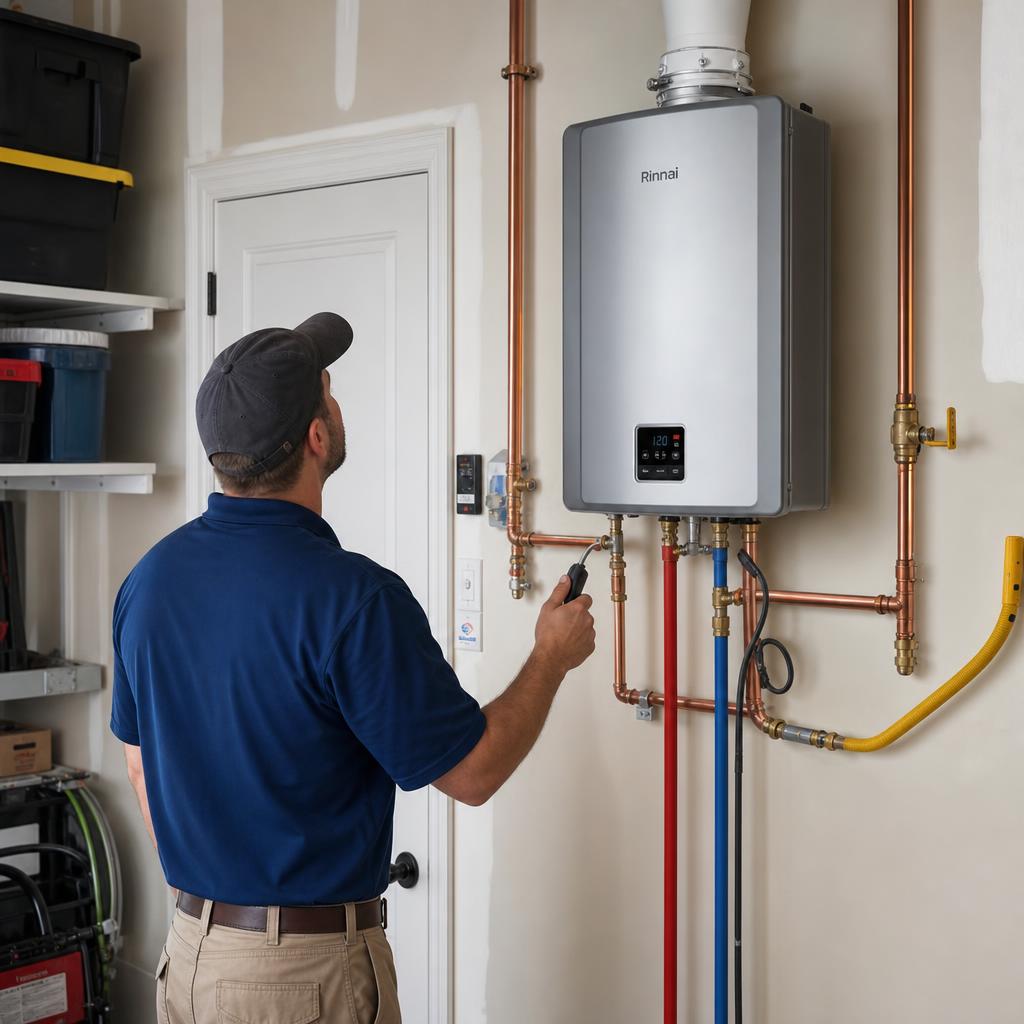
Install, service, and annual descaling — Frisco's hard water is hard on tankless units without it.

Same-day and after-hours response across Frisco for burst pipes, backups, and failed heaters.
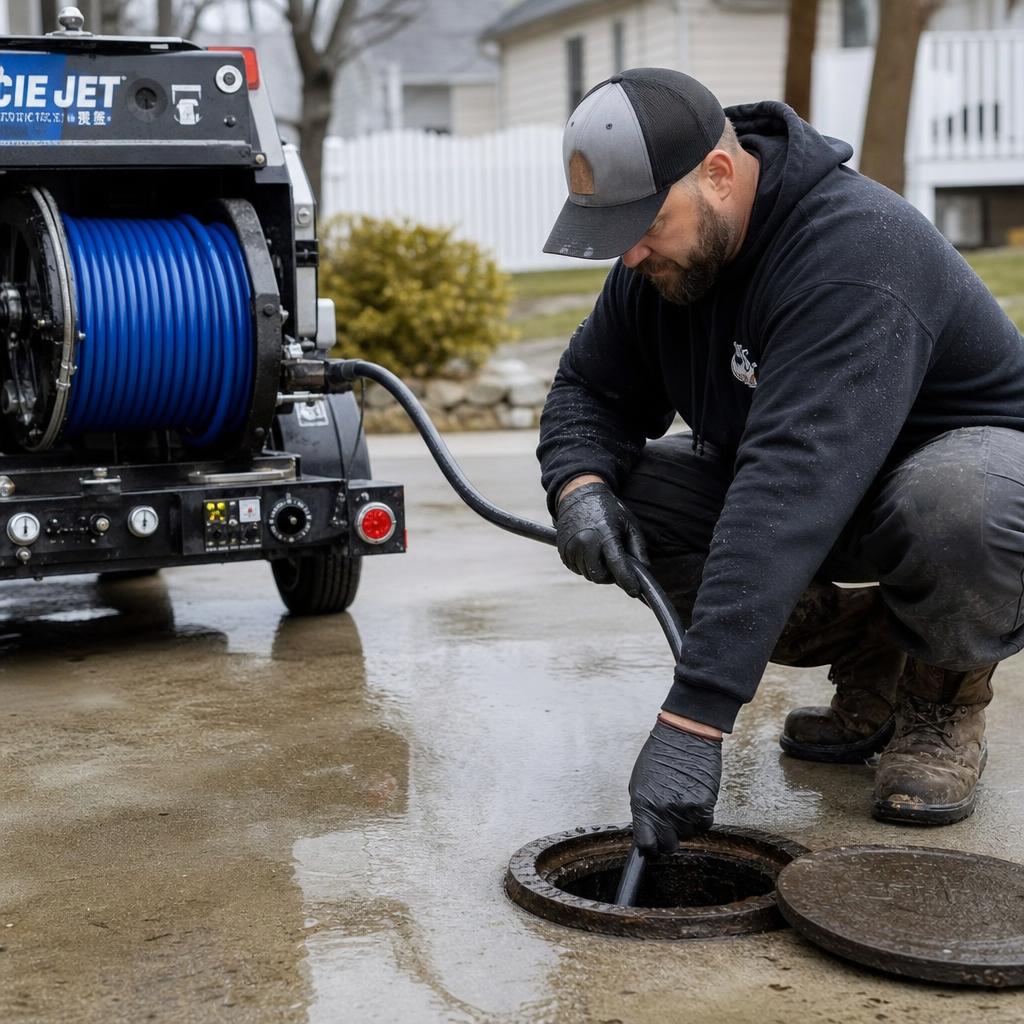
High-pressure cleaning that clears grease, scale, and roots for a full-diameter, lasting clean.
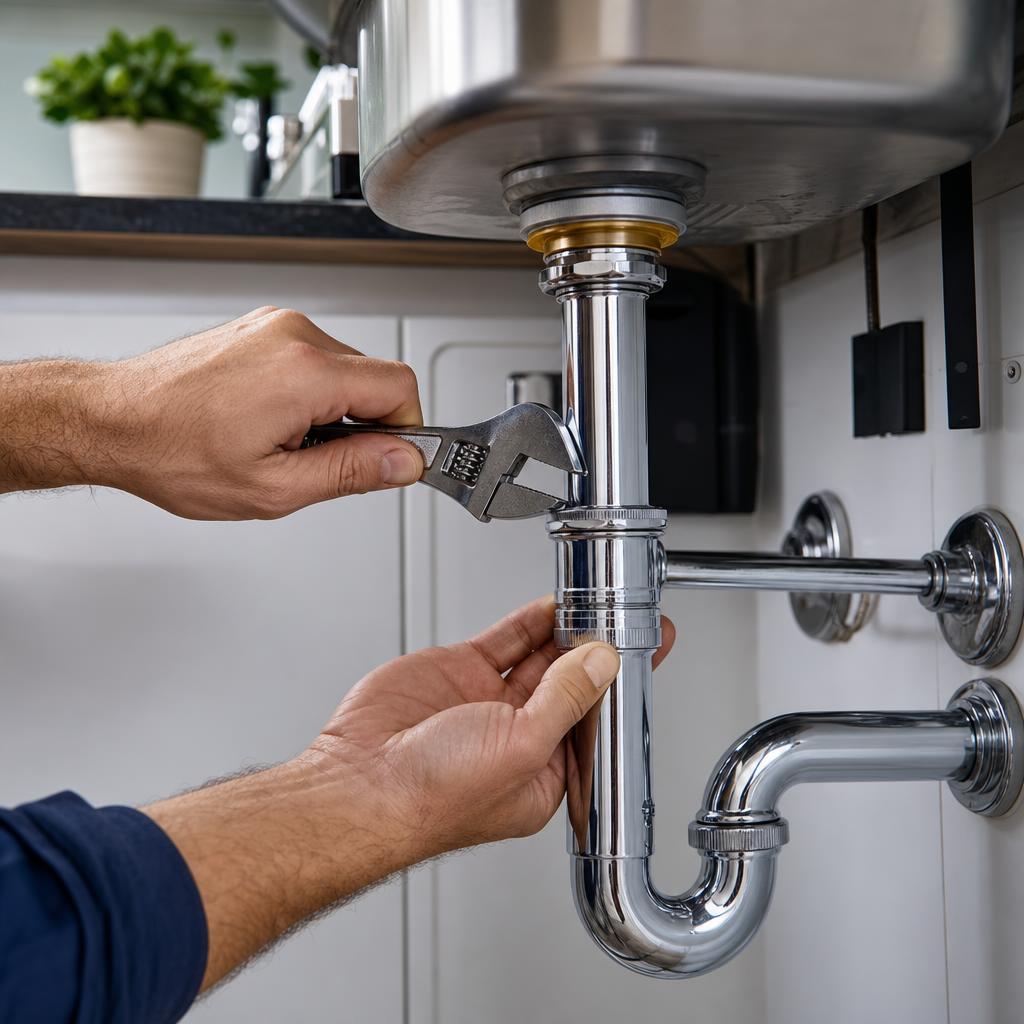
Cartridge, stem, and full-fixture replacement for Frisco kitchens and bathrooms — hard-water-ready parts stocked on the truck.
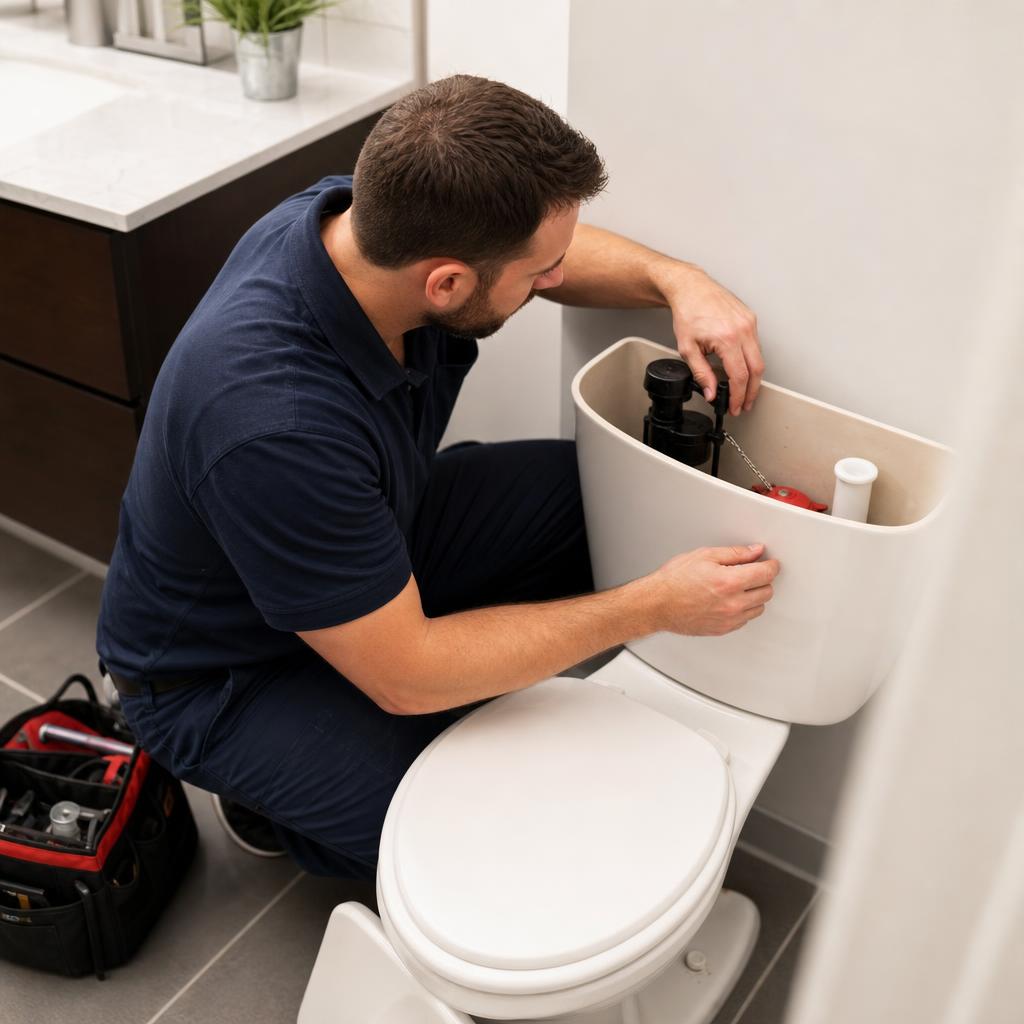
Rebuilds, wax-ring resets, flange repairs, and full replacements — the running toilets and rocking bowls in Frisco homes.

Jam clearing, leaking-unit swaps, and quiet 3/4 HP upgrades for Frisco kitchens — same-visit install.
Think You Have a Hidden Leak?
Don't guess and don't tear anything open. Book a $250 detection visit and get the exact location, in writing, with photos.